Gowanus, Brooklyn
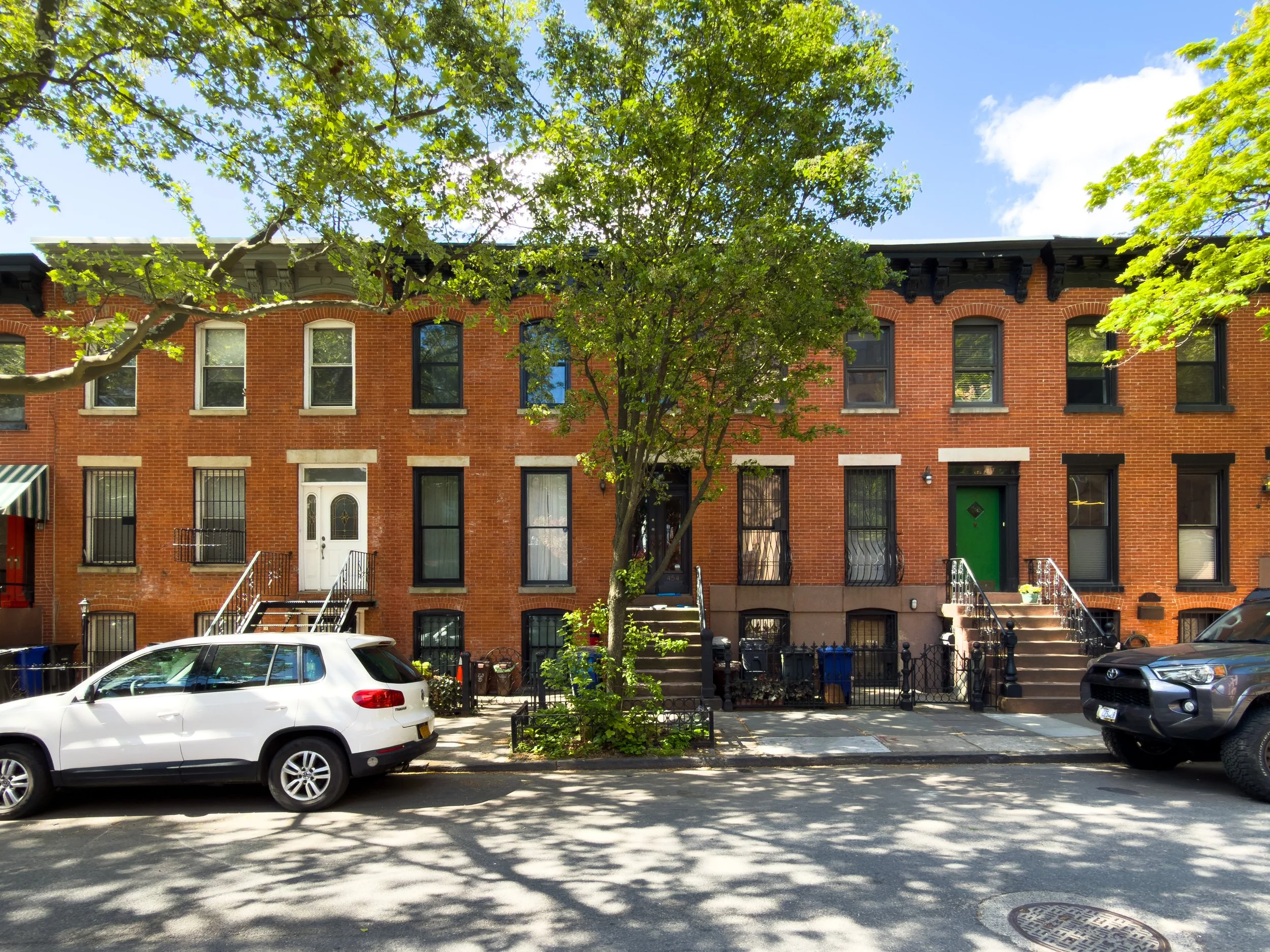
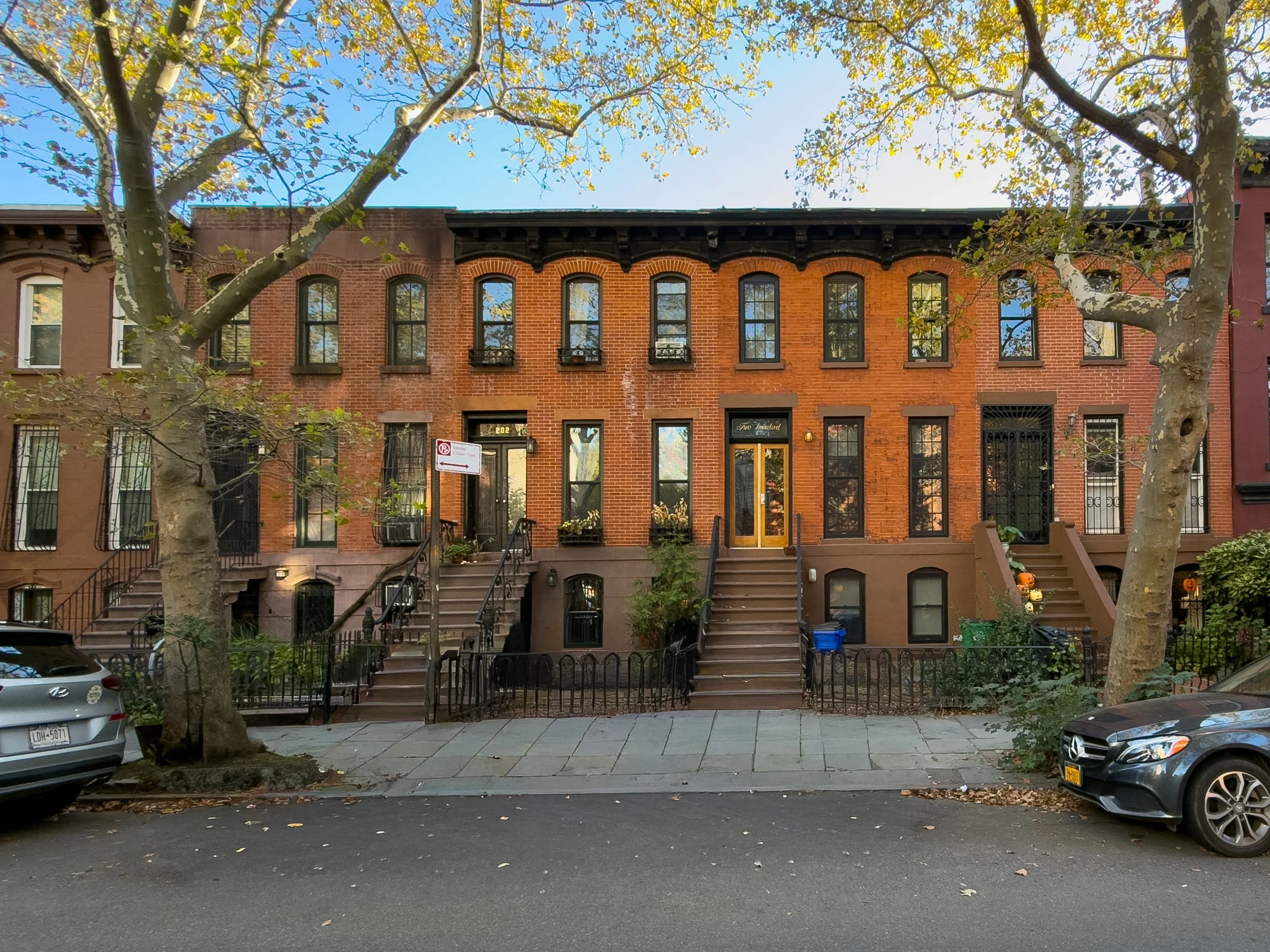
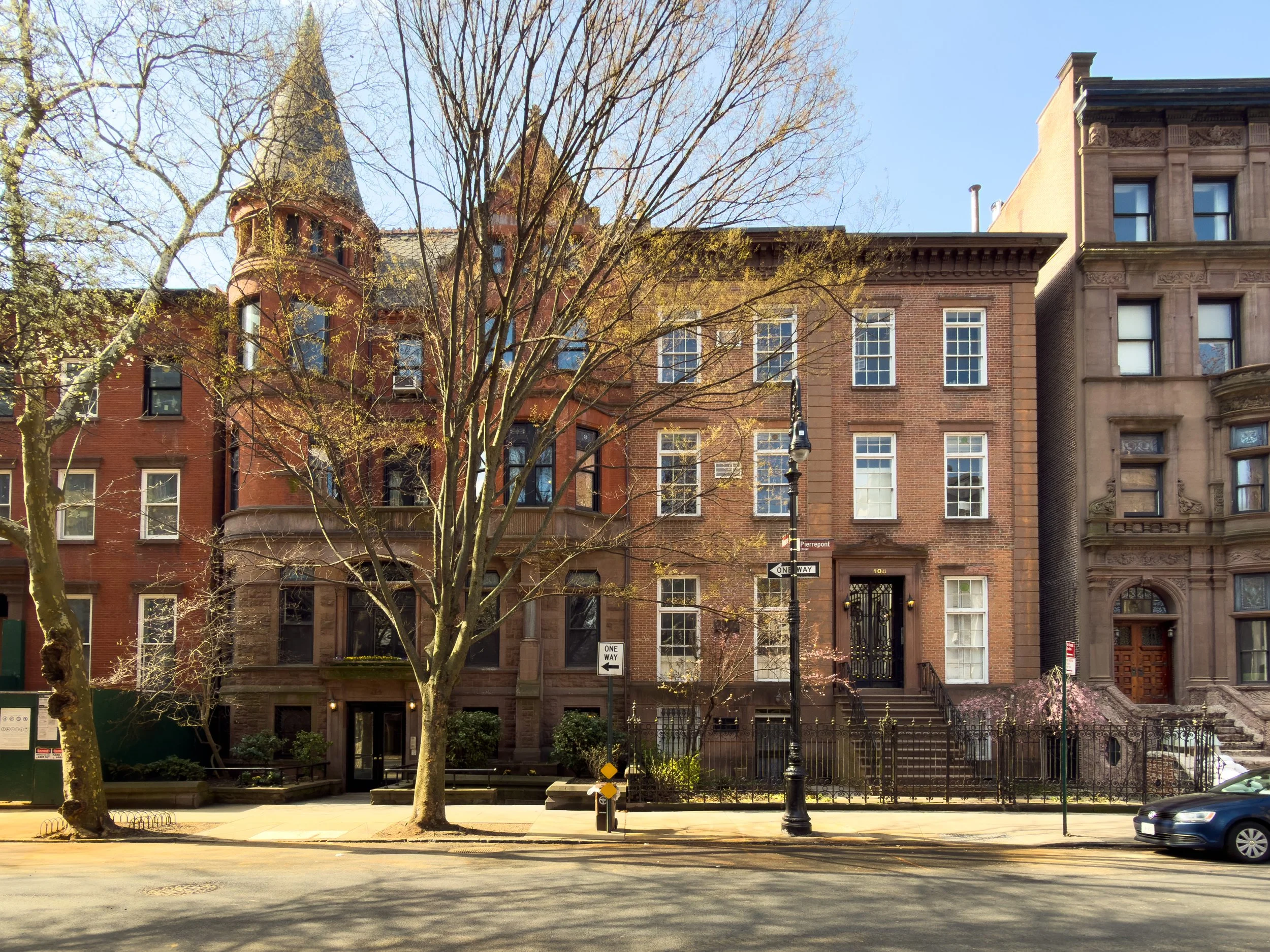
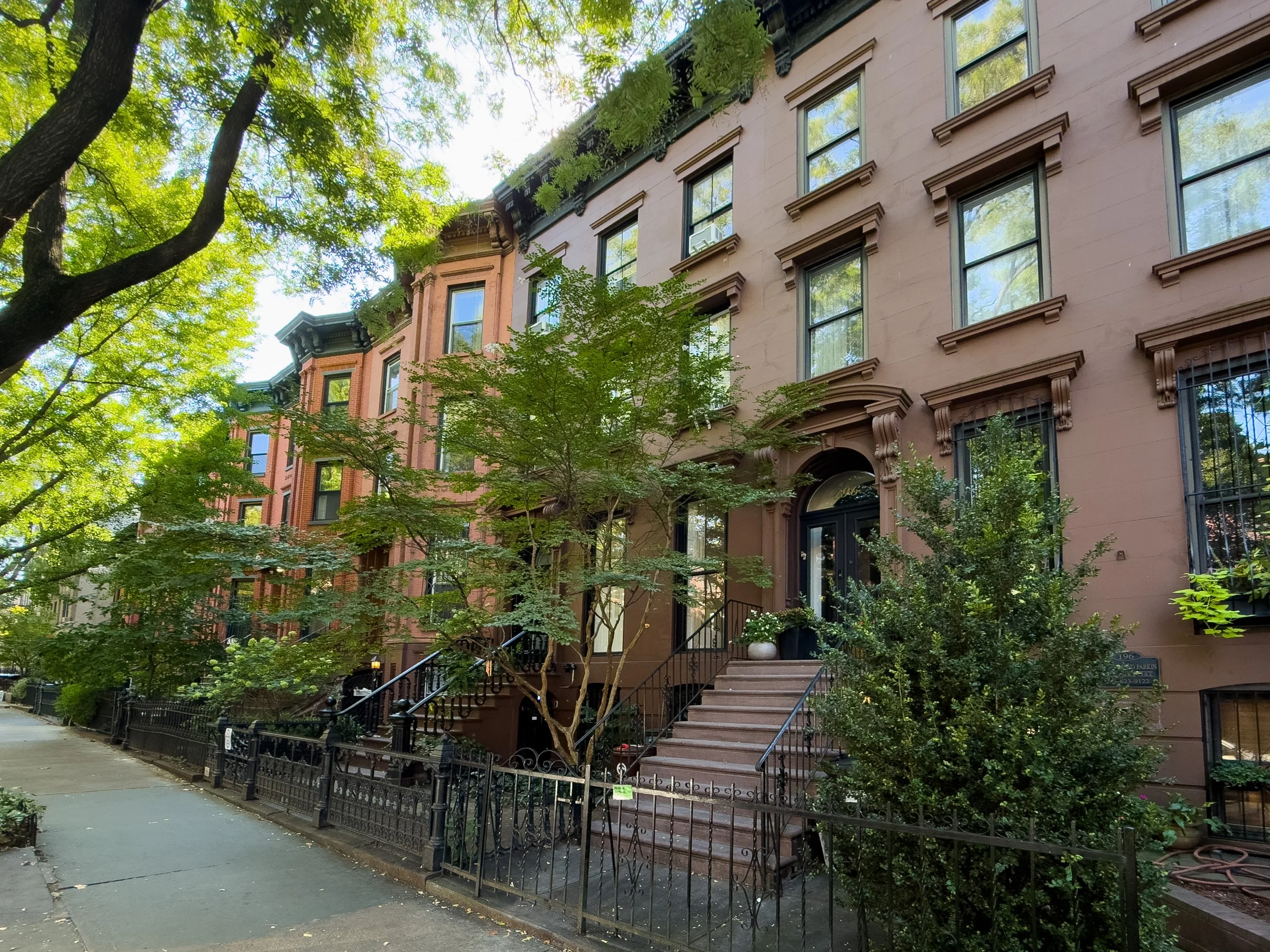
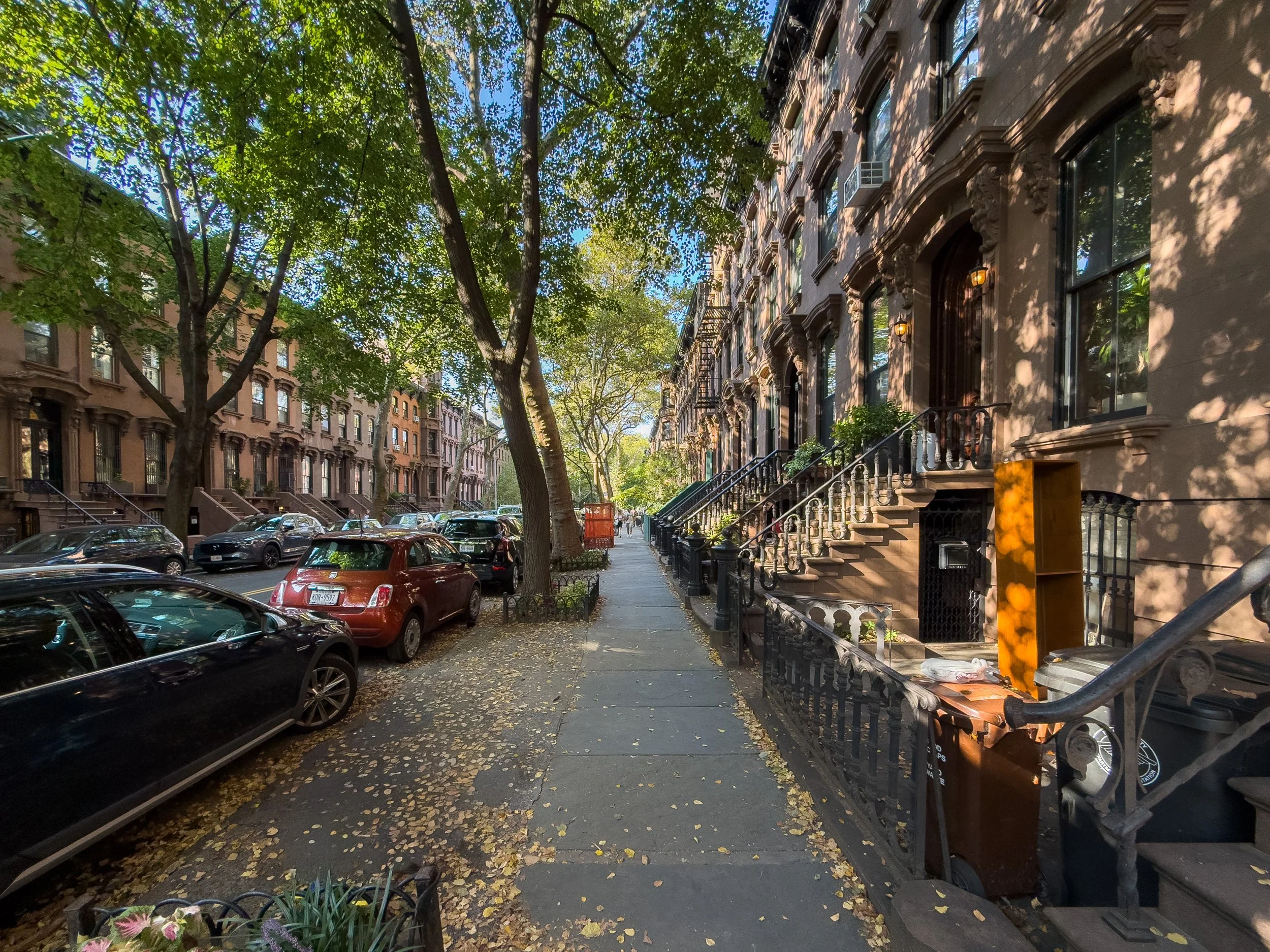
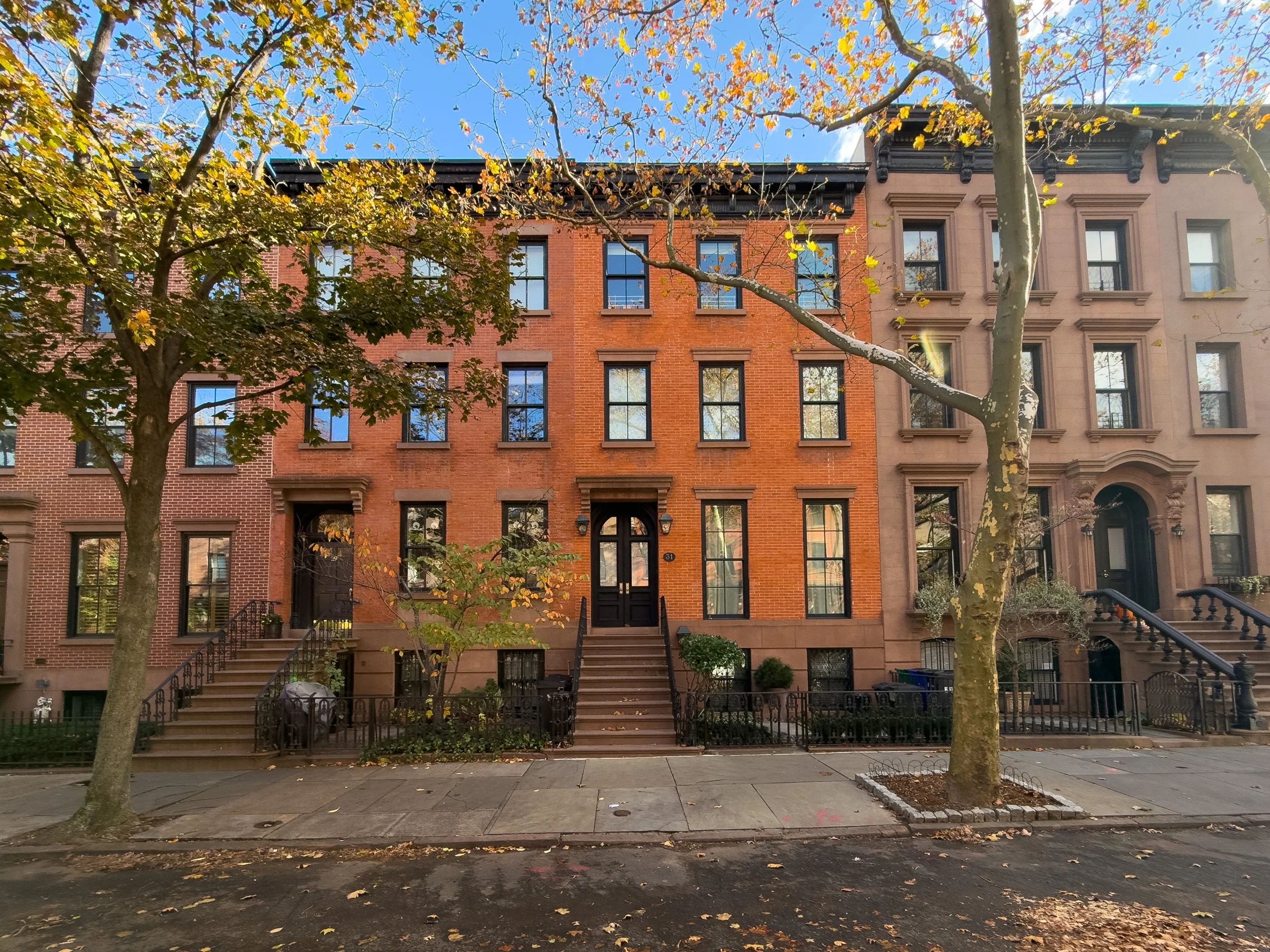
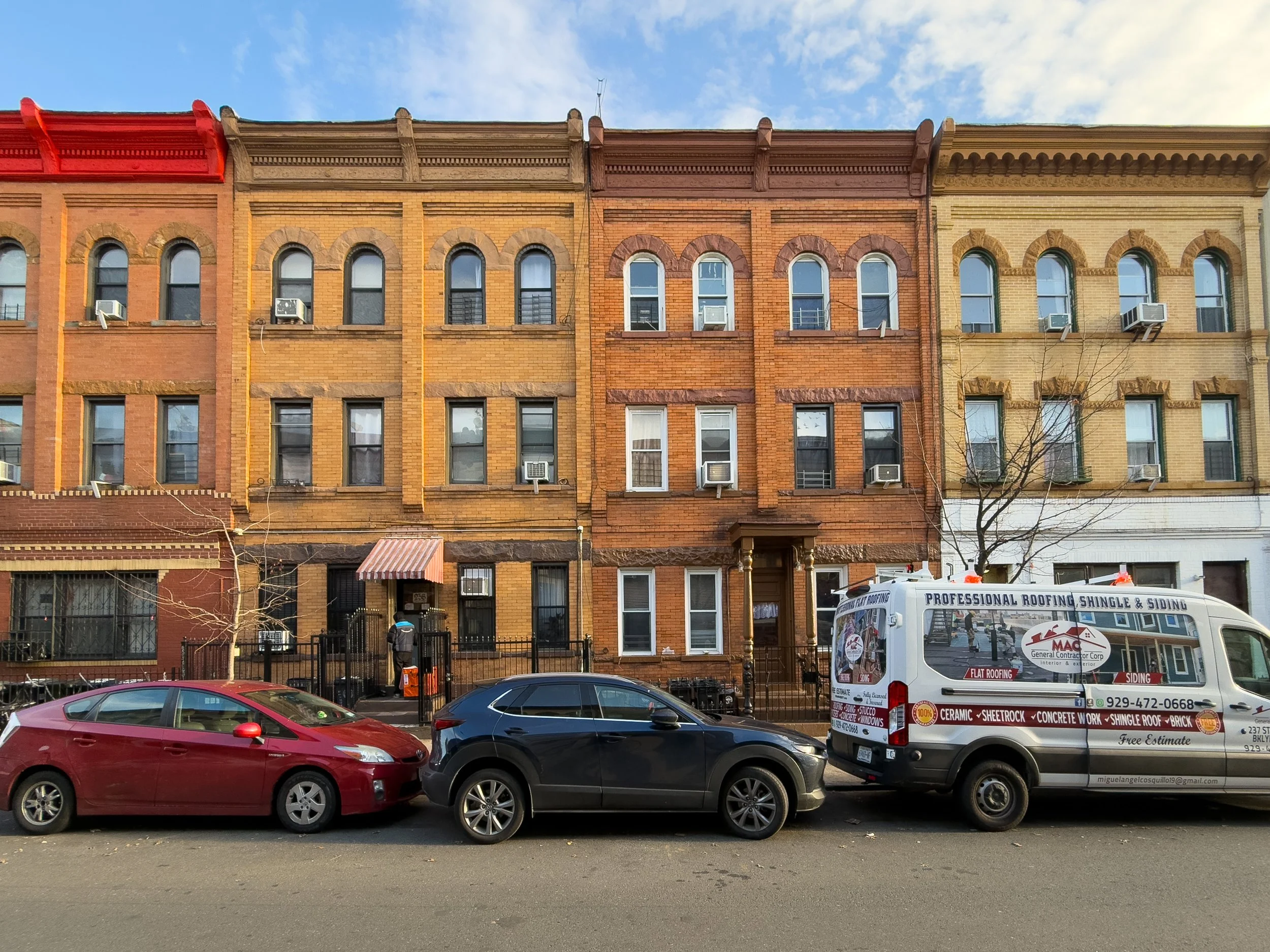
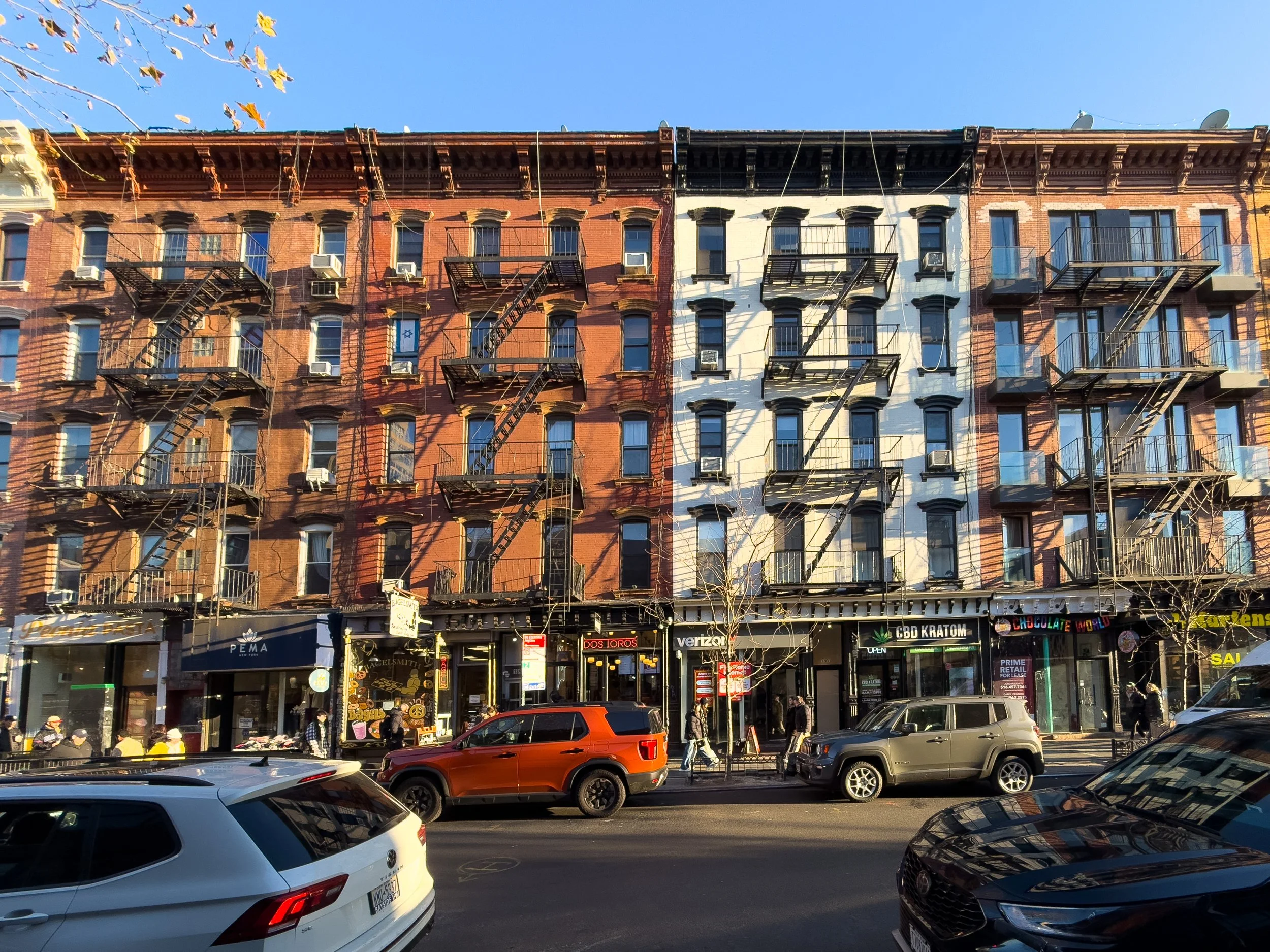
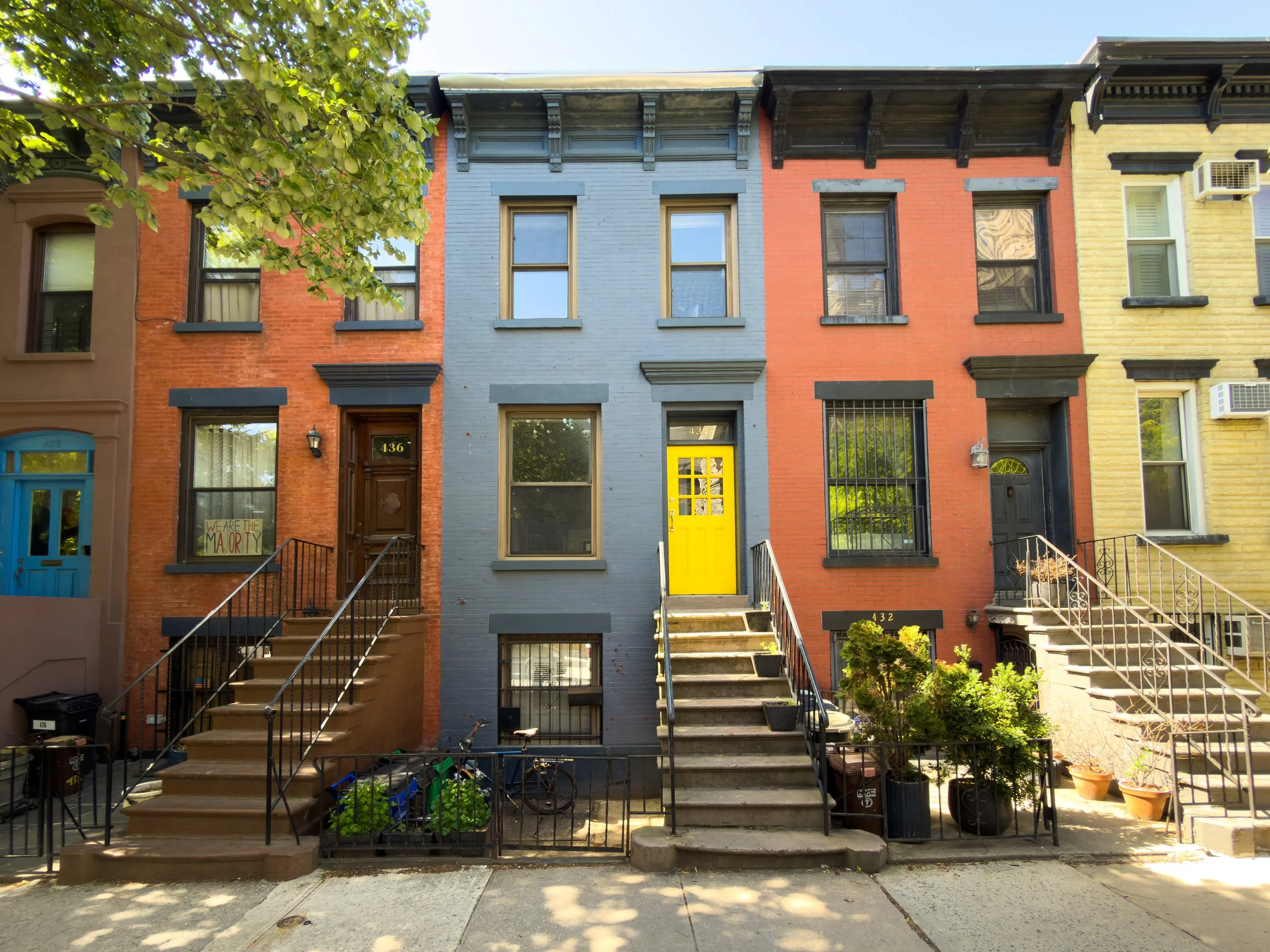
Gowanus is shaped by its manufacturing past, evolving residential development, and the canal that runs through the neighborhood’s streetscape. Converted factory buildings, newer mixed-use projects, brick townhouses, and scattered brownstones coexist within a neighborhood that continues to evolve while retaining much of its longstanding creative identity.
Gowanus
1. Neighborhood: Former canal district defined by warehouse buildings, artist spaces, residential development, and a layered streetscape integrated into northwest Brooklyn.
2. Conveniences: Independent cafés, creative businesses, Whole Foods Market, and access to nearby residential and commercial corridors throughout surrounding Brooklyn neighborhoods.
3. Transit: (D), (N), and (R) along 4th Avenue; nearby (F) and (G) access; Citi Bike connectivity; convenient access to Downtown Brooklyn and Manhattan.
4. Real Estate: Mixed-use properties, brick townhouses, and newer condominium developments within an established residential market.
The Vibe at a Glance
Gowanus combines a residential environment shaped by the canal and the surrounding streetscape. Newer developments and low-rise residential blocks coexist within a neighborhood that feels closely connected to the broader residential fabric of northwest Brooklyn. Daily life centers around a growing network of cafés, restaurants, and locally oriented businesses distributed throughout the area. Ongoing neighborhood change, varied housing stock, and increasing residential demand continue to shape Gowanus as one of Brooklyn’s more layered residential neighborhoods. Thinking of buying or selling in Gowanus? Get tailored insights into the local market—let’s start the conversation.
Gowanus, Brooklyn 11215
Neighborhood
North to South: Baltic St. to Hamilton Ave.
East to West: 4th Ave. to Smith & Hoyt St.
Nearby Neighborhoods: Carroll Gardens, Cobble Hill, Boerum Hill, Park Slope, Red Hook
MTA SUBWAY
(F) (G) (N) (R) (W) (D)
Local Commute Times
Financial District: 32m train, 25m car
Union Square: 32m train, 28m car
Grand Central: 40m train, 35m car
Downtown Brooklyn: 20m train, 12m car
Gowanus
Gowanus occupies a distinctive stretch of Northwest Brooklyn, defined by former warehouse buildings, low-rise residential blocks, new residential development, and a growing network of adaptive-reuse projects clustered around the Gowanus Canal. Historically shaped by manufacturing, warehousing, and maritime infrastructure, the neighborhood’s physical identity continues to reflect those origins even as its residential profile expands.
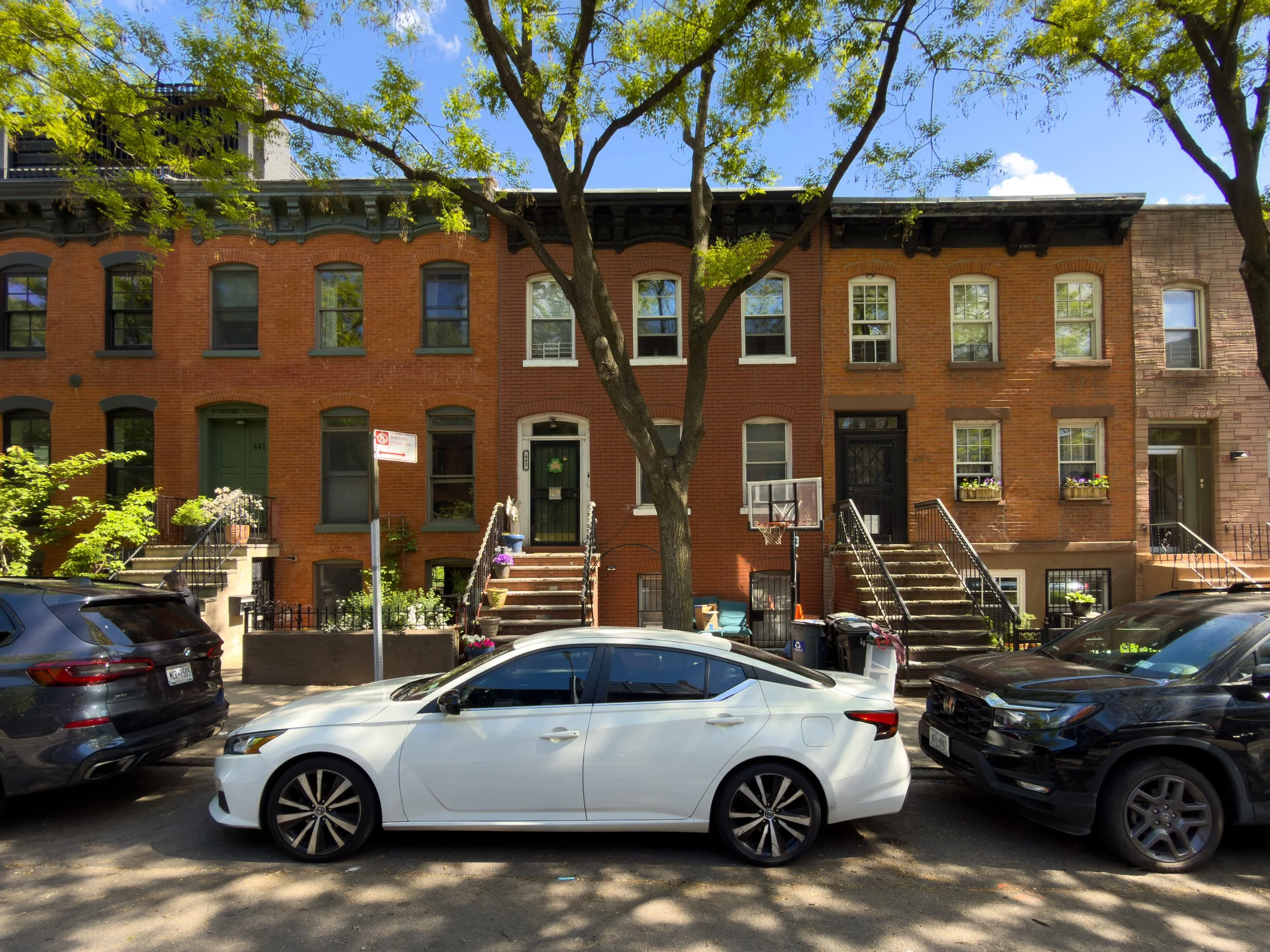
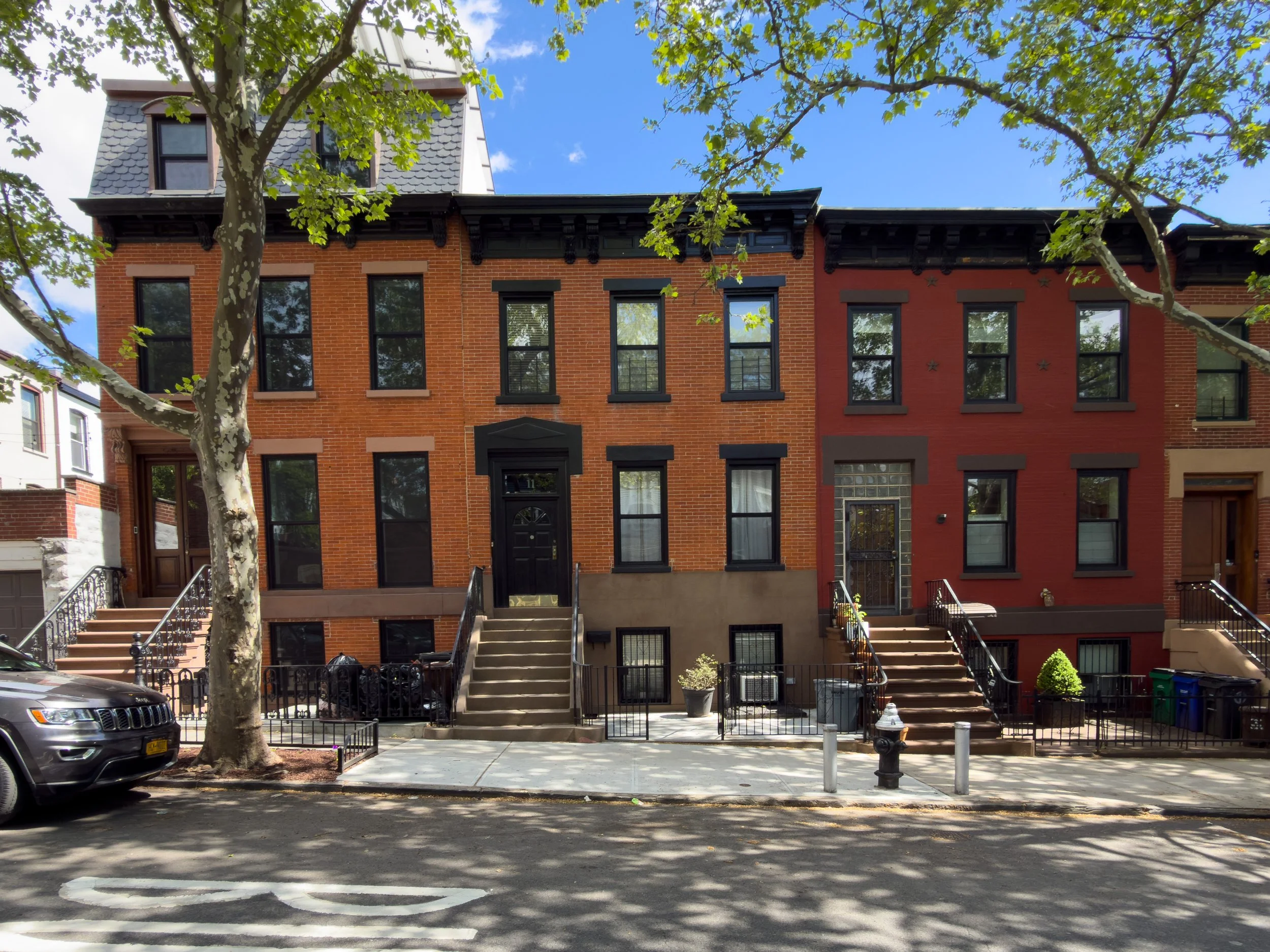
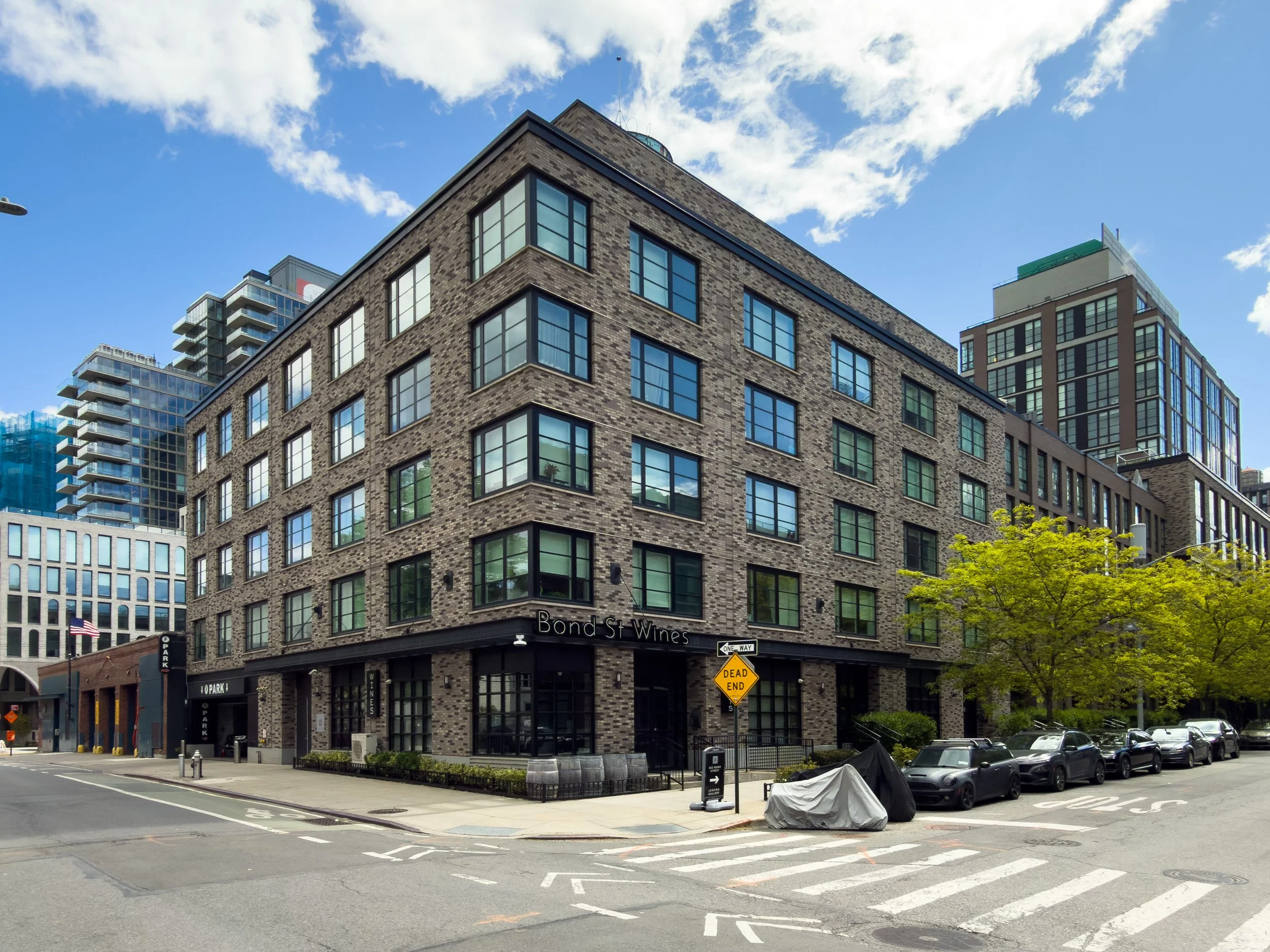
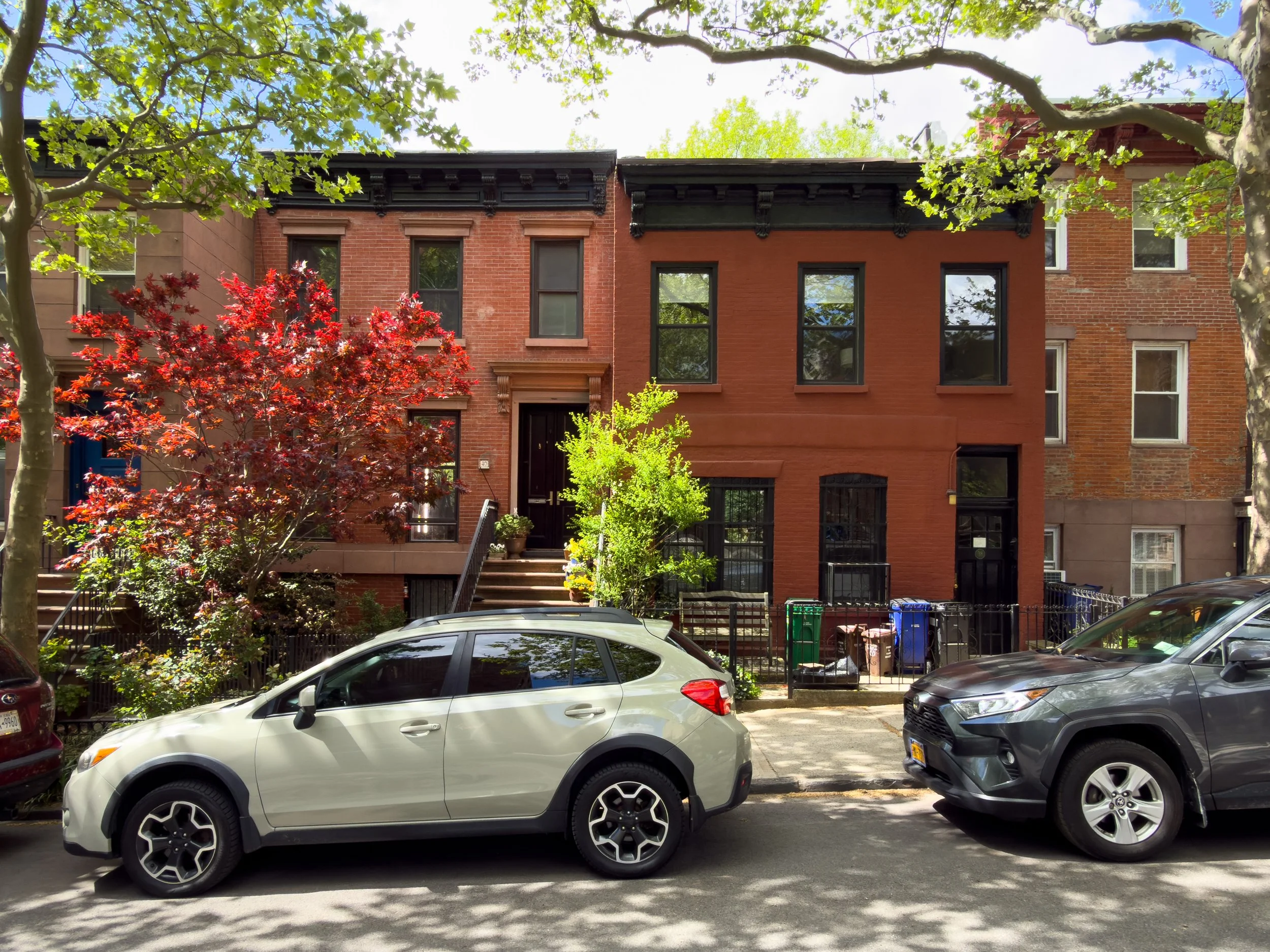
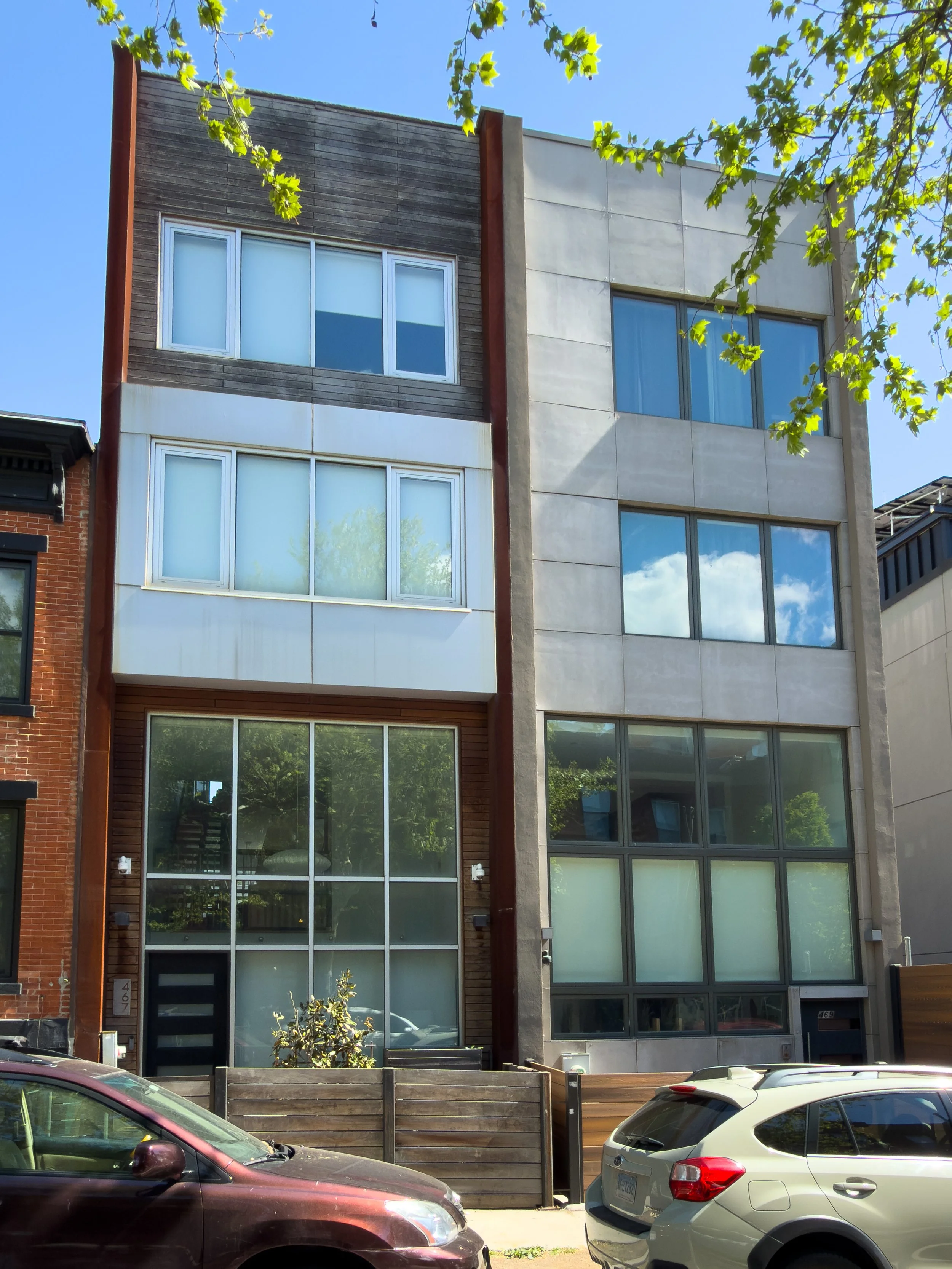
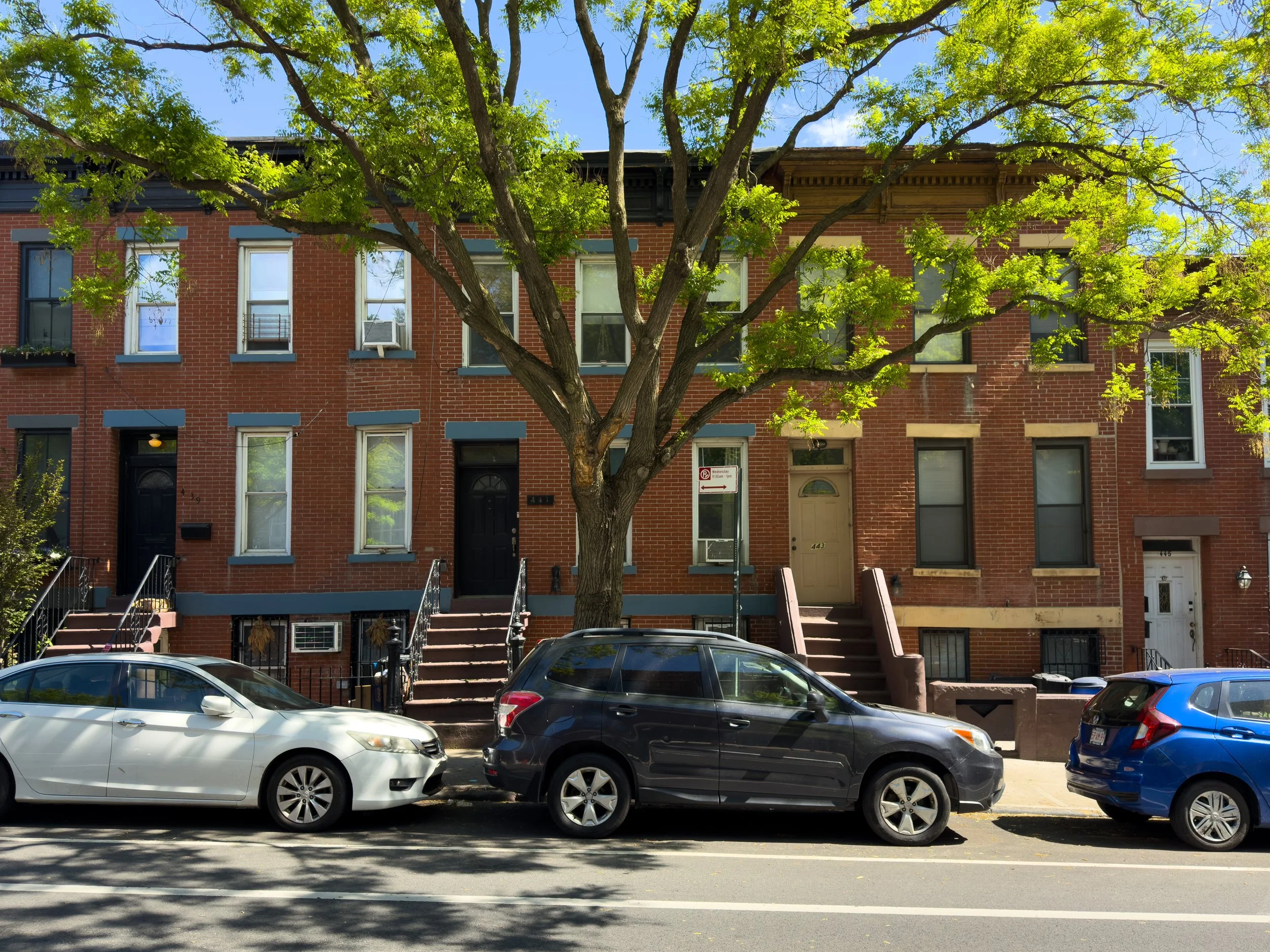
The housing stock in Gowanus is notably more varied than in many surrounding Brooklyn neighborhoods. Converted warehouses, small multifamily buildings, brick townhouses, brownstones, newer condominium developments, and mixed-use properties coexist within a relatively compact footprint. This layered inventory creates a built environment that feels less uniform and more transitional than nearby neighborhoods while still maintaining strong architectural continuity through brick warehouse structures, low-rise streetscapes, and former factory buildings adapted for residential and creative use.
Geographically, Gowanus sits between several of Brooklyn’s most established residential neighborhoods, bordered by Carroll Gardens and Cobble Hill to the west, Boerum Hill to the north, and Park Slope to the east. This positioning contributes to the neighborhood’s increasingly interconnected character, in which residential life, creative production, and commercial activity overlap across neighborhood boundaries rather than operate in isolation.
Public and private investment around the canal continues to shape portions of the neighborhood’s residential growth and broader streetscape. The result is a housing environment defined by varied building types, ongoing neighborhood change, and close integration with a wider network of residential and cultural amenities throughout Brooklyn.
Vibe and Atmosphere
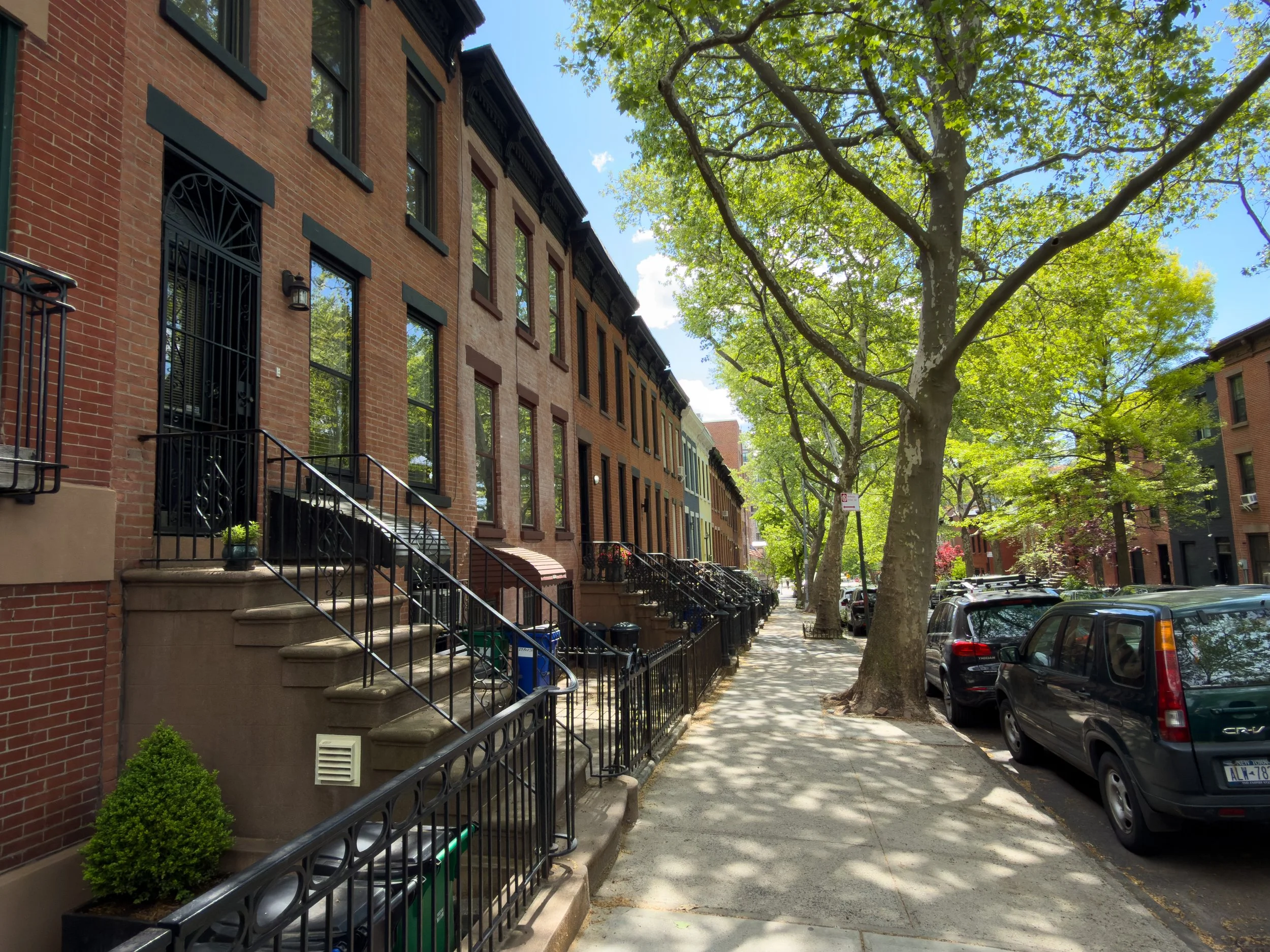
Gowanus has a distinctly layered neighborhood character shaped by ongoing redevelopment and proximity to several established Brooklyn neighborhoods. The canal remains a defining physical presence throughout the area, influencing both the neighborhood’s layout and the overall rhythm of movement through it.
The neighborhood operates with a varied rhythm that shifts noticeably block by block. Corridors along 3rd Avenue and portions of 4th Avenue tend to carry more activity, while smaller side streets such as Degraw, Sackett, Union, and President Streets—and residential pockets closer to Carroll Gardens—often feel quieter and more residential. This variation contributes to a neighborhood experience that feels interconnected with the surrounding areas rather than fully self-contained.
Gowanus’ identity as a creative and arts-oriented district remains deeply embedded in the neighborhood’s physical and cultural fabric. A broad network of galleries, studios, and artist-run spaces—including Ortega y Gasset Projects, Haul Gallery, Open Source Gallery, Atelier Canal, Tappeto Volante Gallery, and Gowanus Projects—continues to reinforce the area’s longstanding connection to artists, makers, and independent creative organizations. Powerhouse Arts has further expanded this ecosystem, introducing a larger-scale production and exhibition space that aligns with the neighborhood’s architecture and creative infrastructure.
Unlike more polished residential districts nearby, Gowanus still retains visible traces of its manufacturing past throughout much of the neighborhood. Concrete loading docks, warehouse facades, elevated infrastructure, and older commercial buildings remain integrated into the streetscape, contributing to an environment that feels more infrastructural and less curated than many nearby residential districts. At the same time, newer residential development and public investment continue to reshape portions of the neighborhood, creating a gradual transition toward a denser residential district.
While Gowanus itself remains relatively compact, its borders feel porous and closely linked to adjacent neighborhoods. Daily life often extends naturally into Carroll Gardens, Cobble Hill, Boerum Hill, and Park Slope, reinforcing a broader residential ecosystem that contributes significantly to the neighborhood’s appeal.
Amenities and Conveniences
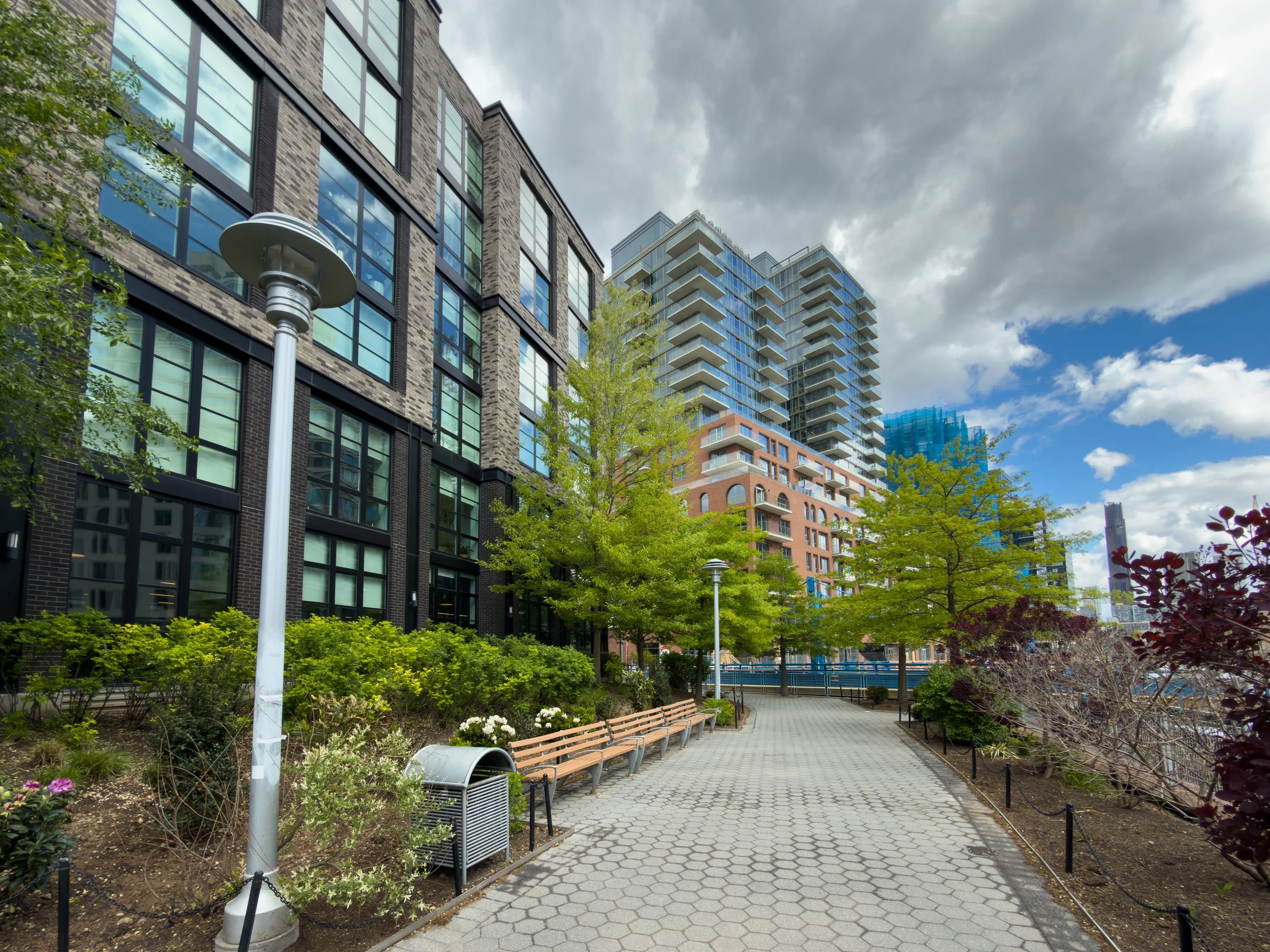
Daily life in Gowanus is supported by an increasingly well-developed mix of neighborhood conveniences and local amenities integrated throughout the area. Residential infrastructure has expanded considerably alongside newer development and growing commercial activity, contributing to a neighborhood environment that feels increasingly connected to the broader residential fabric of surrounding Brooklyn neighborhoods.
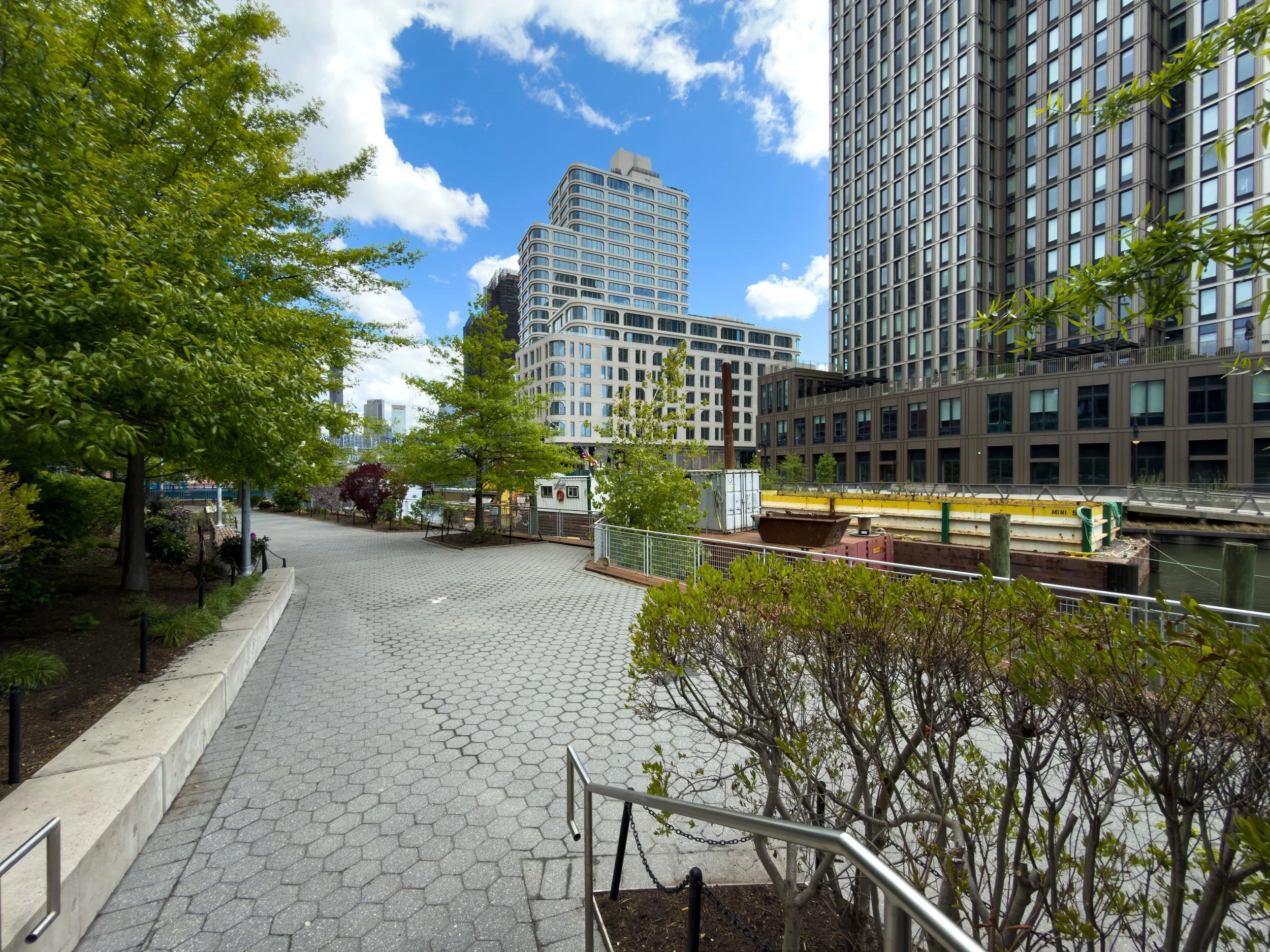
Public open space within Gowanus itself remains somewhat limited compared to nearby residential neighborhoods, though several smaller parks, playgrounds, and waterfront-access initiatives contribute to the neighborhood’s evolving public realm. Prospect Park, located to the east, remains a major recreational anchor within walking or biking distance for many residents, while nearby neighborhoods provide additional access to playgrounds, athletic facilities, and green space.
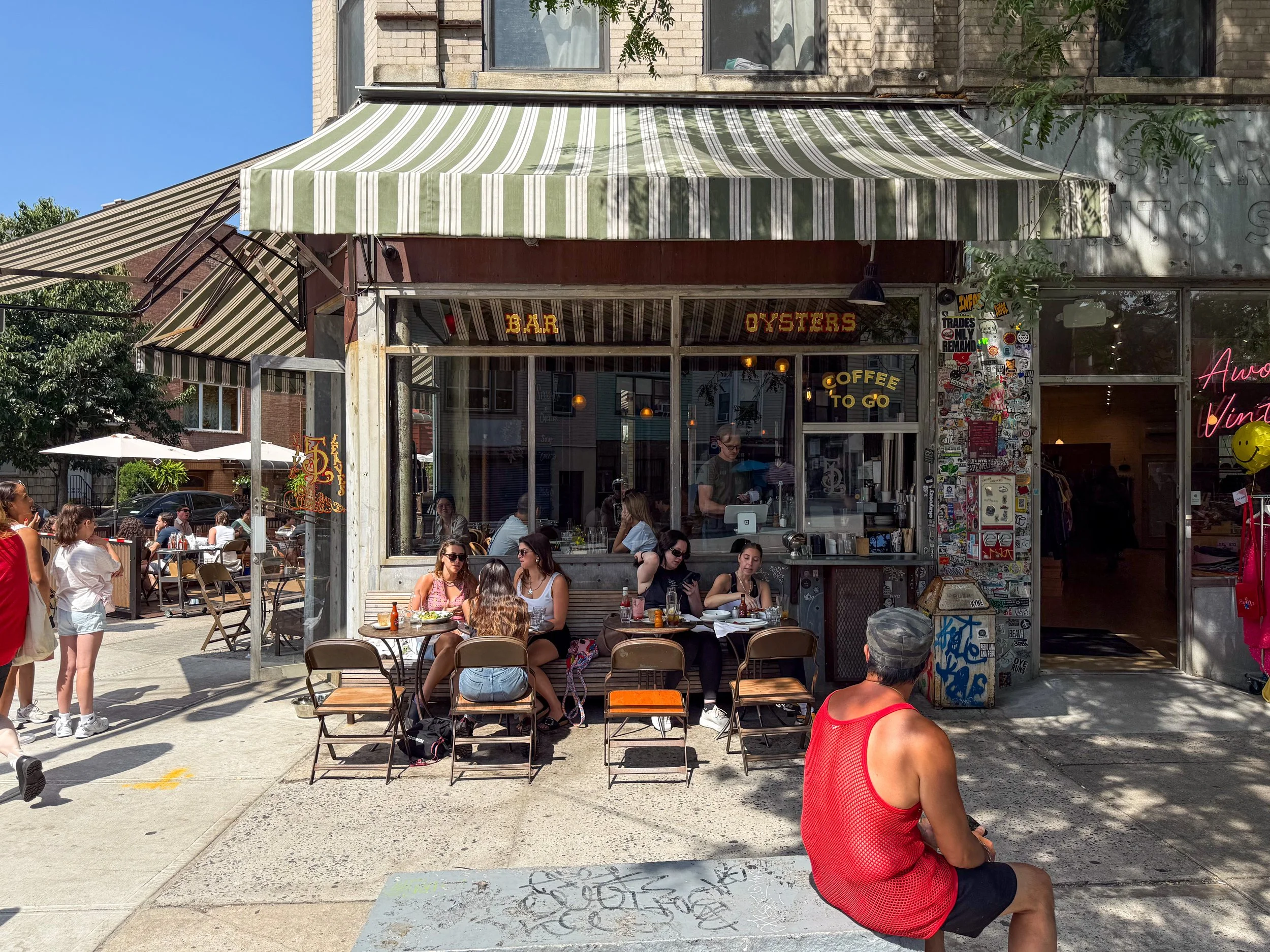
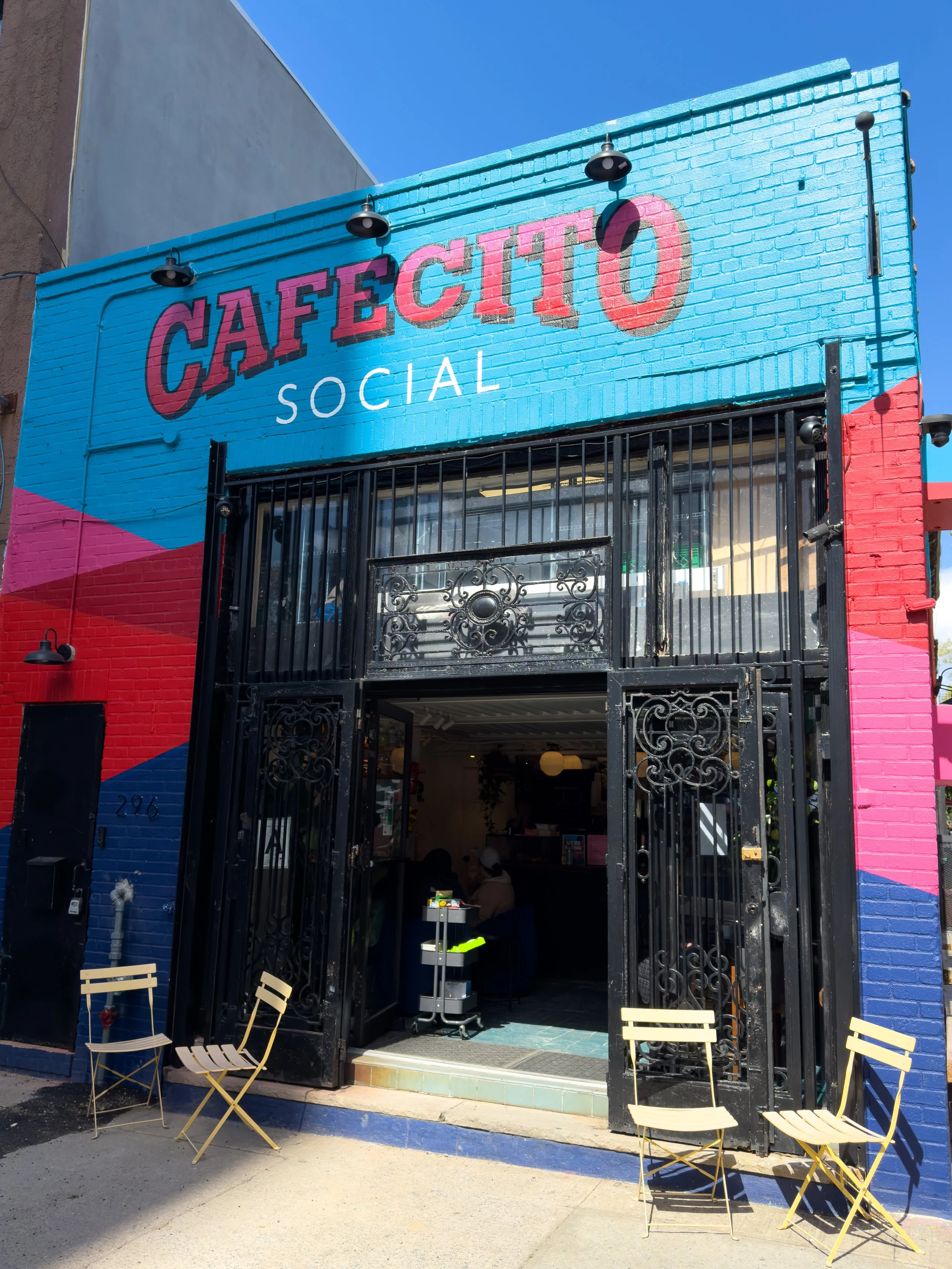
Coffee shops and small cafés play an important role in the neighborhood’s daily rhythm, particularly along Bond Street, 3rd Avenue, and adjacent corridors. Spots like Ninth Street Espresso, Cafecito Social, Beanmonger Coffee, and Bond St Coffee and Goods function as consistent neighborhood anchors, supporting morning routines, informal meetings, and remote work activity throughout the day. Smaller-scale locations, including Room 205, Principles GI Coffee House, and Sixteen Mill Bakeshop, contribute to a localized commercial environment that feels embedded within the surrounding residential fabric rather than concentrated into a single retail corridor.
Retail and service infrastructure throughout Gowanus increasingly overlaps with neighboring residential districts. As a result, residents often rely on a broader surrounding network of grocery stores, fitness studios, pharmacies, and daily-use retail that extends beyond the neighborhood’s immediate boundaries. Whole Foods Market on 3rd Street has also become a significant convenience anchor within the area, supporting both longtime residents and newer residential development nearby.
Dining And Shopping
Dining and shopping in Gowanus reflect the neighborhood’s creative energy and expanding residential activity. Restaurants, cafés, bars, and independent retail spaces are distributed throughout the area, creating a commercial environment that feels decentralized and neighborhood-oriented rather than concentrated into a single destination corridor.
The dining landscape is particularly varied, blending long-established neighborhood staples with newer concepts that reflect the area’s evolving residential profile. Restaurants such as Claro, Ghenet, and Insa have become well-known anchors within the neighborhood, while spots like Cafe Mars, Alma Negra, and Public Display of Affection contribute to a dining scene that feels creative and highly localized rather than overly formal. Smaller-scale establishments, including Baba’s Pierogies, Wangs, and Bison & Bourbon add additional variety across a relatively compact area.
Outdoor and seasonal activities also play a visible role in the neighborhood’s commercial atmosphere. Spaces like Parklife contribute to the neighborhood’s social rhythm during warmer months, though the broader dining environment remains more integrated into daily residential life than heavily nightlife-driven districts elsewhere in Brooklyn.
Retail throughout Gowanus reflects a similar emphasis on independent businesses, creative production, and locally oriented retail. Shops like Old Iron Architectural Salvage, Craftspring, From Here to Sunday, and No Relation Vintage reinforce the neighborhood’s connection to design, craftsmanship, and reuse-oriented retail culture. Smaller specialty shops, including Claireware Pottery and Big Reuse, further contribute to an environment shaped less by national retail presence and more by localized commercial identity.
Because Gowanus borders several established residential neighborhoods, daily shopping and dining activity often extends beyond the neighborhood itself. Nearby corridors along Smith Street and Court Street in Carroll Gardens provide additional access to cafés, restaurants, boutique retail, grocery stores, and neighborhood services within a more traditional residential storefront environment. This broader network of nearby amenities contributes to the neighborhood’s overall convenience while reinforcing Gowanus’ close connection to the surrounding areas.
Transportation
Gowanus is relatively well connected to both Manhattan and the broader Brooklyn transit network, with multiple subway lines running along the neighborhood’s edges and through adjacent districts. The (D), (N), and (R) trains along 4th Avenue provide primary north-south connectivity, while nearby access to the (F) and (G) trains expands transit options throughout Brooklyn and into Manhattan.
The neighborhood’s proximity to Atlantic Terminal and Downtown Brooklyn further strengthens regional access, allowing relatively convenient connections to additional subway lines, the Long Island Rail Road, and multiple bus routes. Citi Bike stations are distributed throughout the neighborhood and surrounding areas, supporting short-distance travel between adjacent neighborhoods.
Vehicular access is supported by major corridors including 3rd Avenue, 4th Avenue, and the Brooklyn-Queens Expressway nearby, though traffic conditions can vary considerably depending on time of day and ongoing construction activity throughout the area.
Because Gowanus sits between several established residential districts, much of the neighborhood’s connectivity is also defined by walkability. Residents frequently move between adjacent neighborhoods on foot, contributing to a broader interconnected residential environment across neighboring Brooklyn neighborhoods.
Schools
Gowanus is supported by access to a range of public, charter, and private school options located both within the neighborhood and throughout adjacent areas, including Carroll Gardens, Boerum Hill, Park Slope, and Downtown Brooklyn. The neighborhood’s relatively central location allows families to access a broader educational network than its compact footprint alone might suggest.
Public school options are supplemented by several charter and specialized educational programs throughout nearby neighborhoods, while private school access expands significantly through proximity to larger educational corridors in Brooklyn and Manhattan. A number of enrichment-focused organizations, music programs, and arts-oriented educational spaces also operate throughout the surrounding area, reflecting the neighborhood’s broader creative community.
The overall educational landscape mirrors the neighborhood itself—interconnected and closely tied to the surrounding residential ecosystem rather than functioning as a fully isolated neighborhood system.
Real Estate Insights
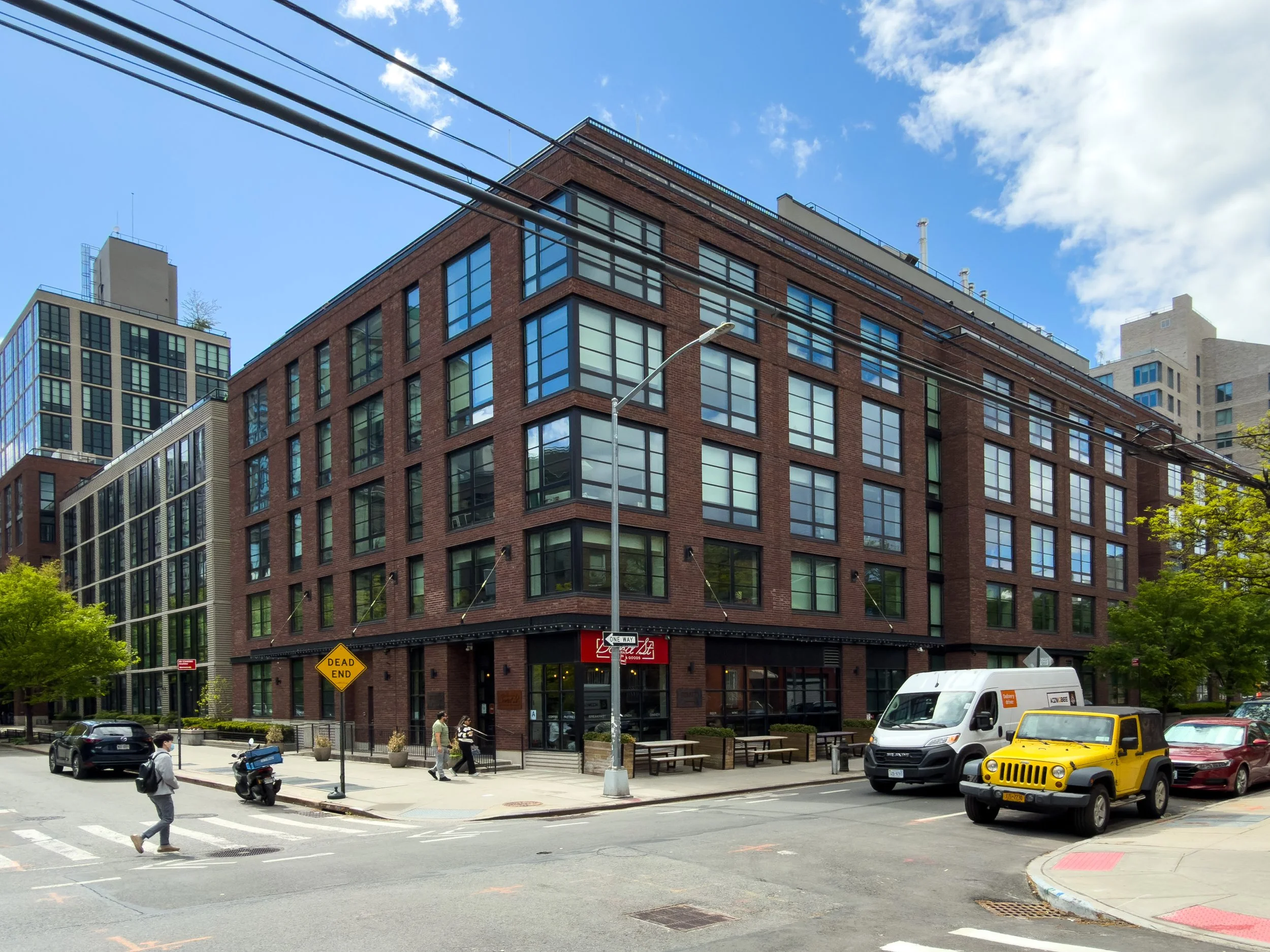
Gowanus’ housing market is defined by a highly varied inventory base shaped by newer residential construction and proximity to several established Brooklyn neighborhoods. Unlike some nearby Brooklyn neighborhoods with more consistent housing stock, the neighborhood contains a layered mix of converted warehouse buildings, brick townhouses, brownstones, small multifamily properties, mixed-use structures, and newer condominium projects developed alongside the canal and major transit corridors.
Much of the neighborhood’s recent residential growth has been tied to rezoning activity, contributing to a gradual expansion of the housing stock while still preserving portions of the area’s manufacturing and warehouse-era streetscape. As a result, Gowanus continues to function as a transitional residential market where older commercial structures, active business uses, and newer high-density development coexist within the same neighborhood environment.
Buyer interest in Gowanus tends to reflect this diversity. Demand is often concentrated among purchasers seeking larger layouts, newer amenities, loft-style architecture, and housing options that offer close proximity to surrounding residential neighborhoods without entering those markets directly. The neighborhood’s creative identity, transportation access, and growing commercial infrastructure have also expanded its appeal among buyers seeking newer housing stock within a more mixed residential environment.
At the same time, inventory characteristics remain somewhat fragmented compared to more mature residential submarkets nearby. Product types, pricing, and building scale can vary significantly from block to block, contributing to a market that is less uniform but increasingly established as new residential inventory continues to enter the neighborhood.
Sales Market At A Glance (2026)
Typical Home Value (ZHVI): ~$1.19M (−1.4% YoY)
Median Sale Price (Q1 2026): ~$1.1M (−10.5% YoY)
Median Price per Sq Ft: ~$1,350–$1,420 PPSF (+10–12% YoY)
Quarterly Transactions (Q1 2026): 18 closed sales (+20% YoY)
Median Condo Sale Price (Q1 2026): ~$1.2M (PropertyShark)
Co-op Activity: Limited transaction volume; median co-op sale price ~$565K (PropertyShark)
Typical Days on Market: ~68 days (Redfin, March 2026)
Inventory in Gowanus can vary significantly by quarter depending on new development closings, loft-style condominium activity, and overall transaction volume. As a result, pricing metrics may differ across platforms and reporting periods.
Source: Zillow, PropertyShark, Redfin, and Realtor.com (2026). Zillow’s Home Value Index (ZHVI) reflects seasonally adjusted blended home value estimates across property types. Closed-sale and days-on-market metrics vary by methodology, inventory mix, and reporting window.
Trends
Pricing in Gowanus continues to be shaped by the neighborhood’s inventory mix and ongoing residential development. New condominium projects, adaptive reuse buildings, and a relatively small pool of resale inventory contribute to pricing fluctuations that can appear more pronounced than in nearby brownstone neighborhoods with more consistent housing stock.
At the same time, the market has become increasingly established within Brooklyn’s broader residential landscape. Buyer demand remains concentrated around newer amenities, larger layouts, and loft-style architecture. As additional residential inventory enters the market, Gowanus continues to attract purchasers seeking newer housing stock.
The condominium sector remains the dominant source of transaction activity throughout much of the neighborhood, while traditional co-op and townhouse inventory remains comparatively limited. This contributes to a market where pricing and transaction volume can shift meaningfully depending on the scale and concentration of new development closings within a given period.
As redevelopment continues, Gowanus increasingly functions as a more established residential district within northwest Brooklyn, though its industrial framework and inventory profile continue to distinguish the neighborhood from surrounding residential neighborhoods. New residential development, adaptive reuse projects, and ongoing infrastructure investment continue to shape the pace and character of the market’s long-term evolution.
Final Thoughts
Gowanus operates as one of Brooklyn’s more layered residential environments, shaped by creative production and a growing mix of residential development integrated within an older manufacturing-era streetscape. Its identity is tied not only to the canal itself, but also to the broader network of adjacent neighborhoods that contribute to its residential and commercial ecosystem.
Unlike more architecturally uniform Brooklyn submarkets, Gowanus continues to change through a combination of creative activity and incremental residential growth. Older warehouse buildings, artist spaces, newer condominiums, and longstanding commercial structures continue to coexist throughout much of the neighborhood, contributing to a streetscape that feels dynamic rather than static.
For buyers and residents, the neighborhood is best understood through this combination of neighborhood connectivity, varied housing stock, and ongoing transformation. As residential density continues to expand, Gowanus increasingly functions as a residential district shaped by creative activity and long-term integration into the broader Brooklyn market.
Thinking of buying or selling in Gowanus? Get tailored insights into the local market or request a complimentary CMA. Reach out — let’s start the conversation.
For more NYC real estate guides, visit the Resources & Insights hub for tips designed to help buyers and sellers navigate the Gowanus real estate market.
Related Brooklyn Neighborhood Guides