Cobble Hill, Brooklyn
Cobble Hill’s appeal lies in its balance: historic architecture, walkable streets, and a deeply rooted residential character. Defined by limited inventory and long-term ownership, it remains one of Brooklyn’s most enduring and tightly held neighborhoods.
Cobble Hill
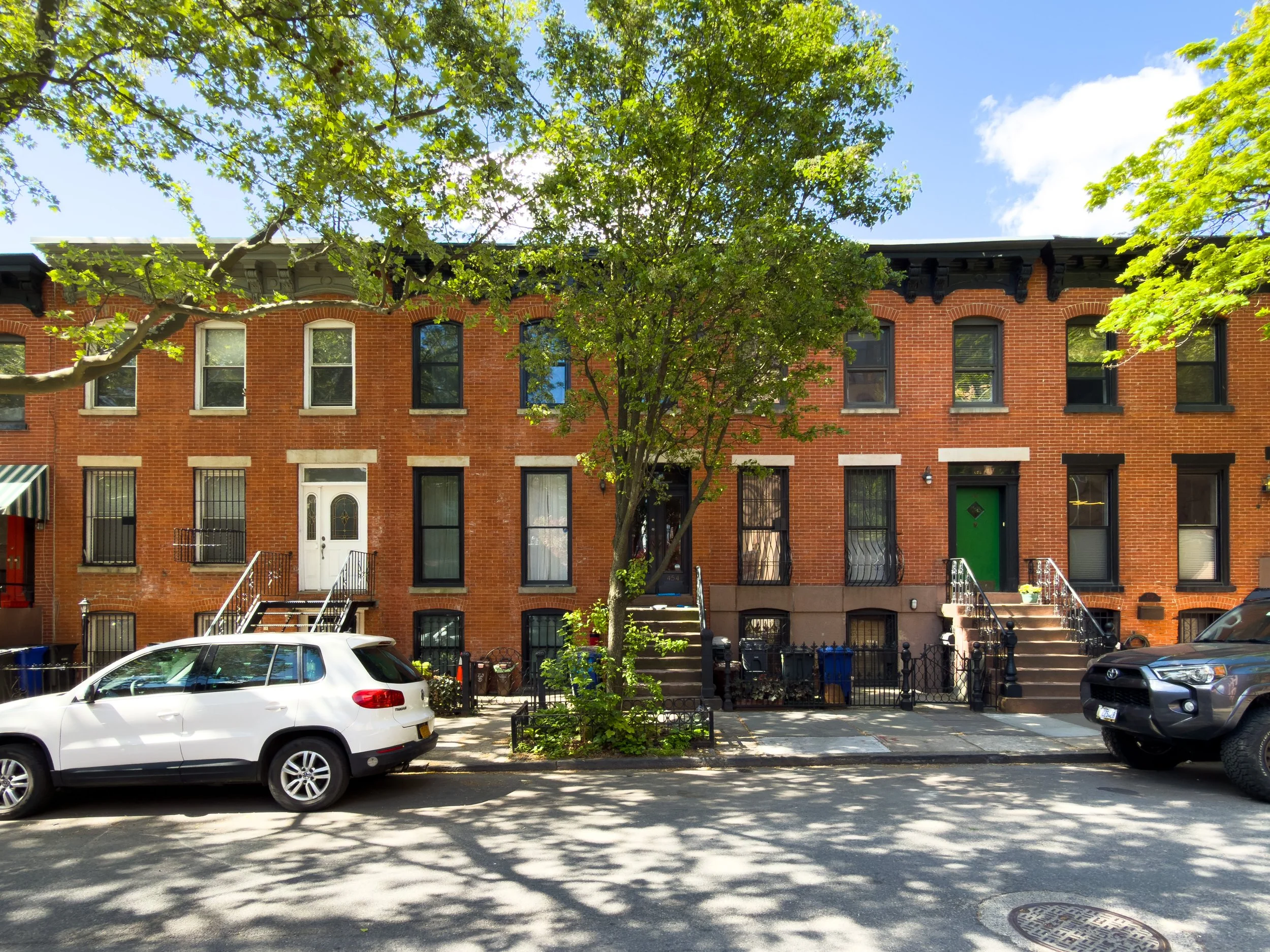
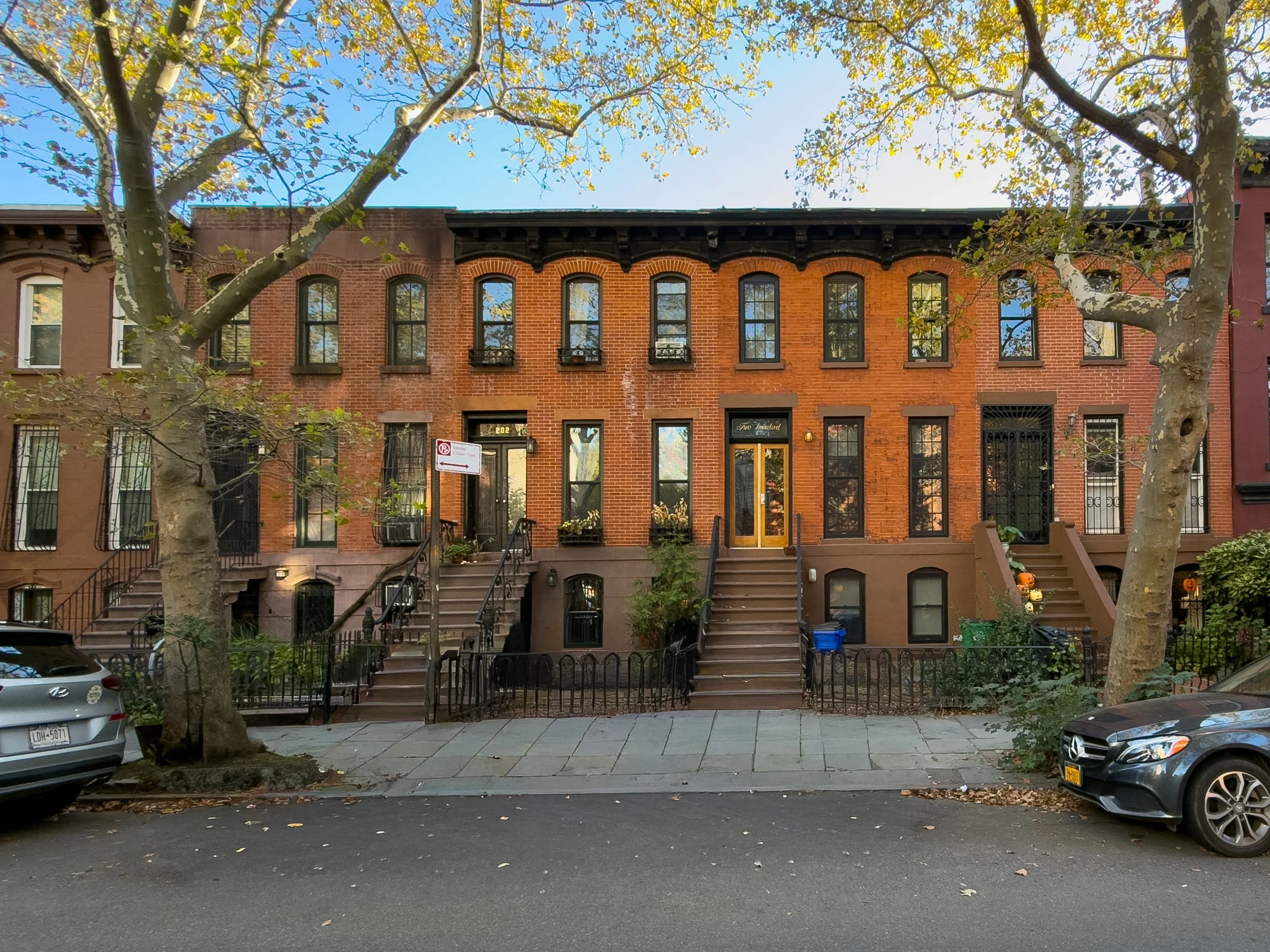
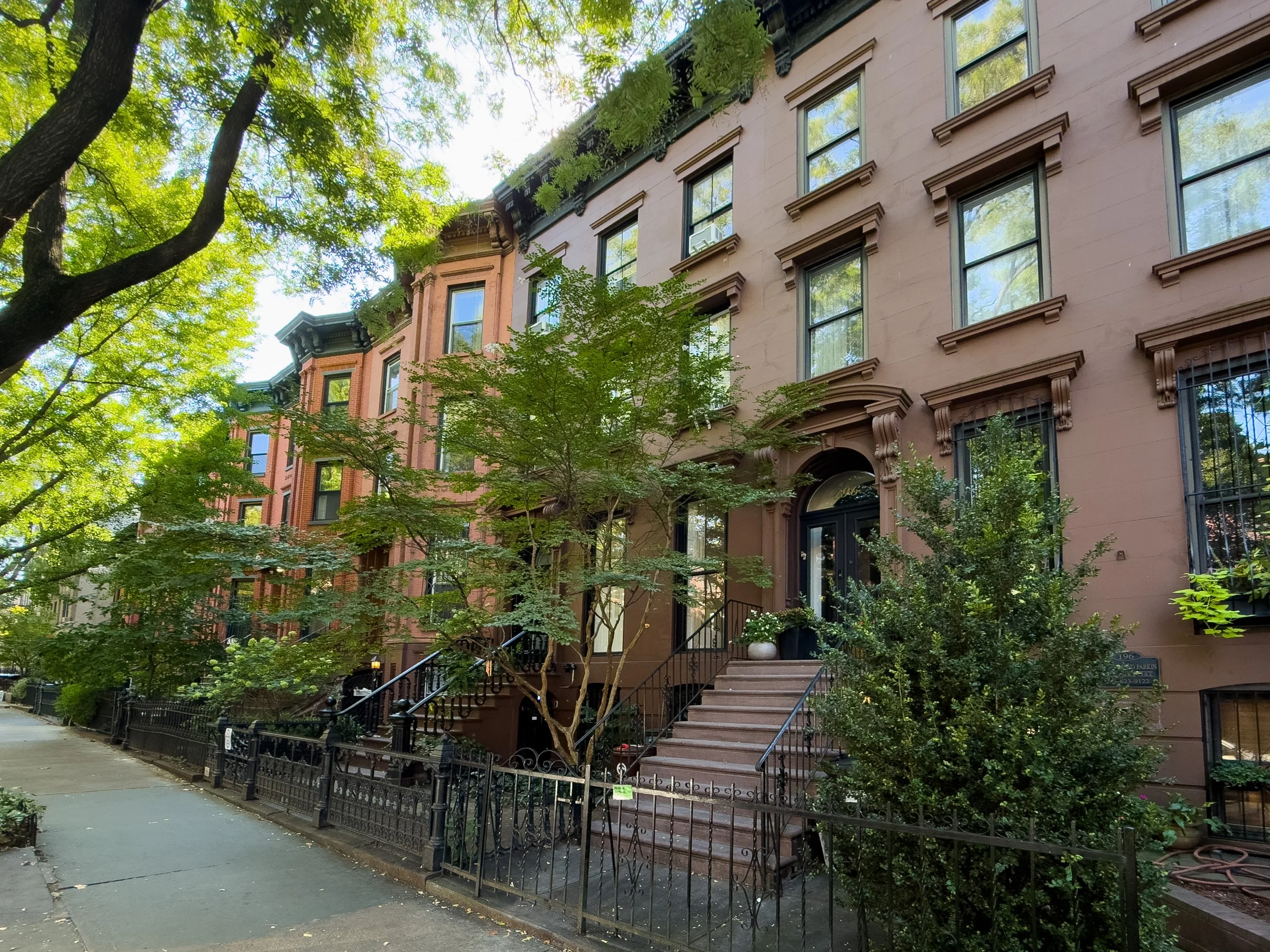
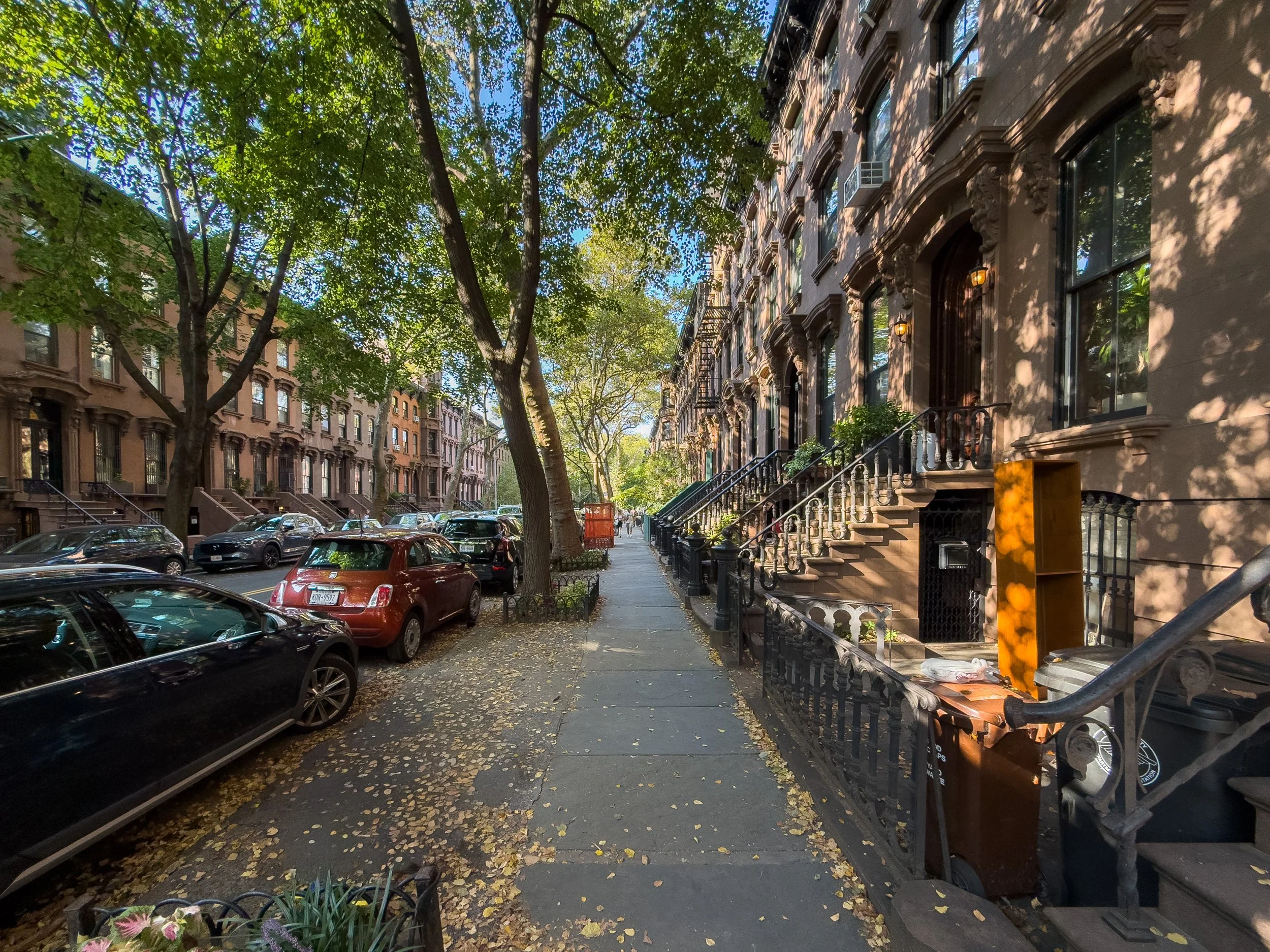
1. Neighborhood: A compact, historic residential enclave defined by tree-lined blocks, intact brownstones and townhouses, and a limited number of condominium developments.
2. Conveniences: Cobble Hill Park, walkable access to waterfront green space nearby, and everyday essentials concentrated along Smith and Court Streets.
3. Transit: Strong subway access along the neighborhood’s edges, Citi Bike coverage, and easy connections to Downtown Brooklyn and Manhattan without disrupting the area’s residential calm.
4. Real Estate: Constrained inventory dominated by historic housing stock; long-term ownership patterns, steady demand, and low turnover shape market pricing and behavior.
The Vibe at a Glance
Cobble Hill combines 19th-century architecture with a quietly contemporary residential rhythm, creating a neighborhood that feels both established and lived-in. Daily life centers on calm, tree-lined residential blocks and the parallel corridors of Smith and Court Streets, where long-standing neighborhood staples sit comfortably alongside refined dining and independent shops. With limited inventory and a strong culture of long-term ownership, Cobble Hill attracts buyers and sellers who value stability, scale, and intention over constant change. Thinking of buying or selling in Cobble Hill? Get tailored insights on pricing, timing, and strategy—let’s start the conversation.
Cobble Hill, Brooklyn 11201
Neighborhood
North to South: Atlantic Ave. to Degraw St.
East to West: Smith St. to Hicks St.
Nearby Neighborhoods: Carroll Gardens, Brooklyn Heights, Boerum Hill, Gowanus
MTA Subway Lines
(F) (G) (A) (C) (2) (3)
Commute Times
Financial District: 27m train, 20m car
Union Square: 34m train, 27m car
Grand Central: 36m train, 34m car
Williasburg: 32m train, 22m car
Cobble Hill
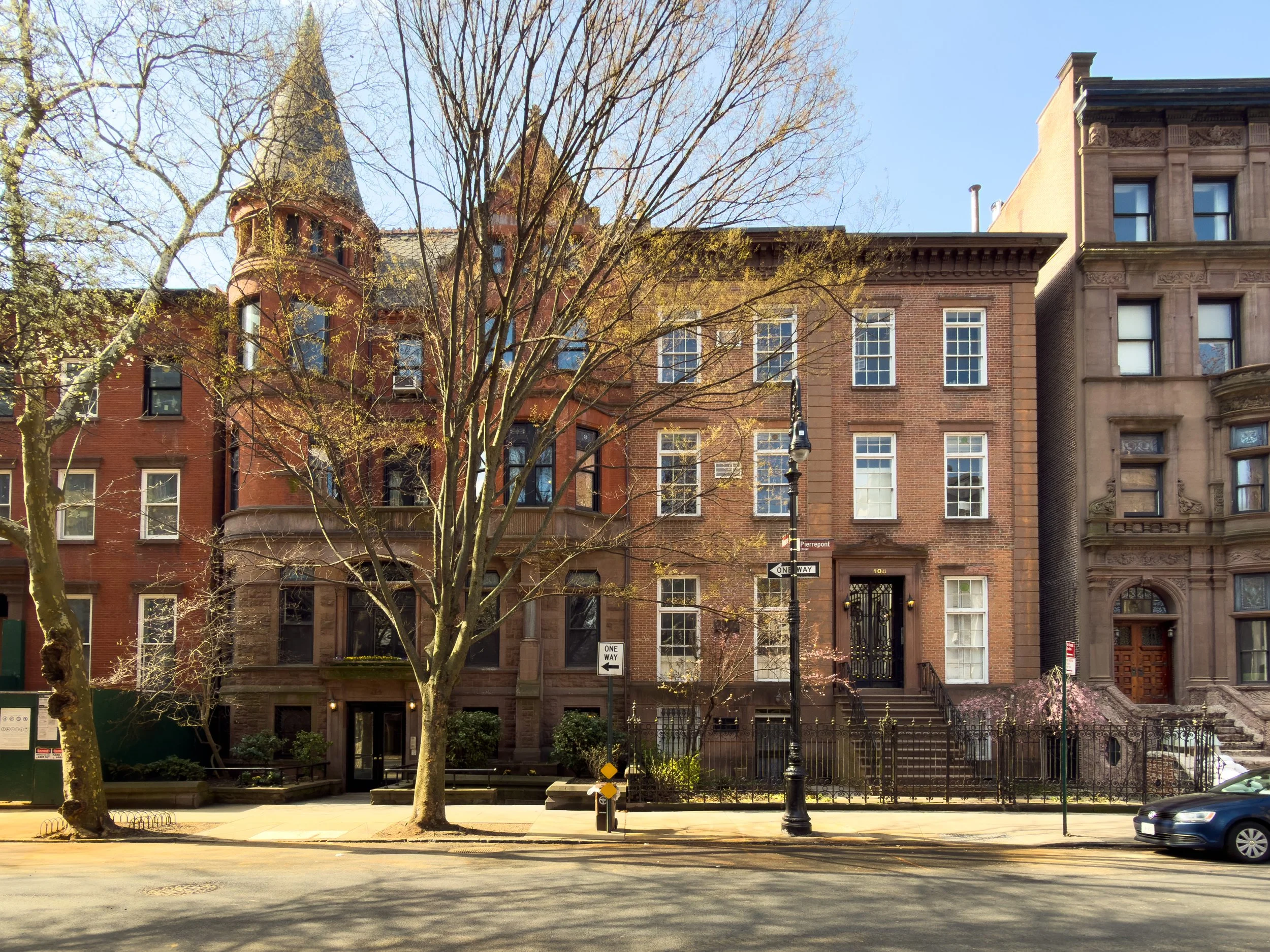
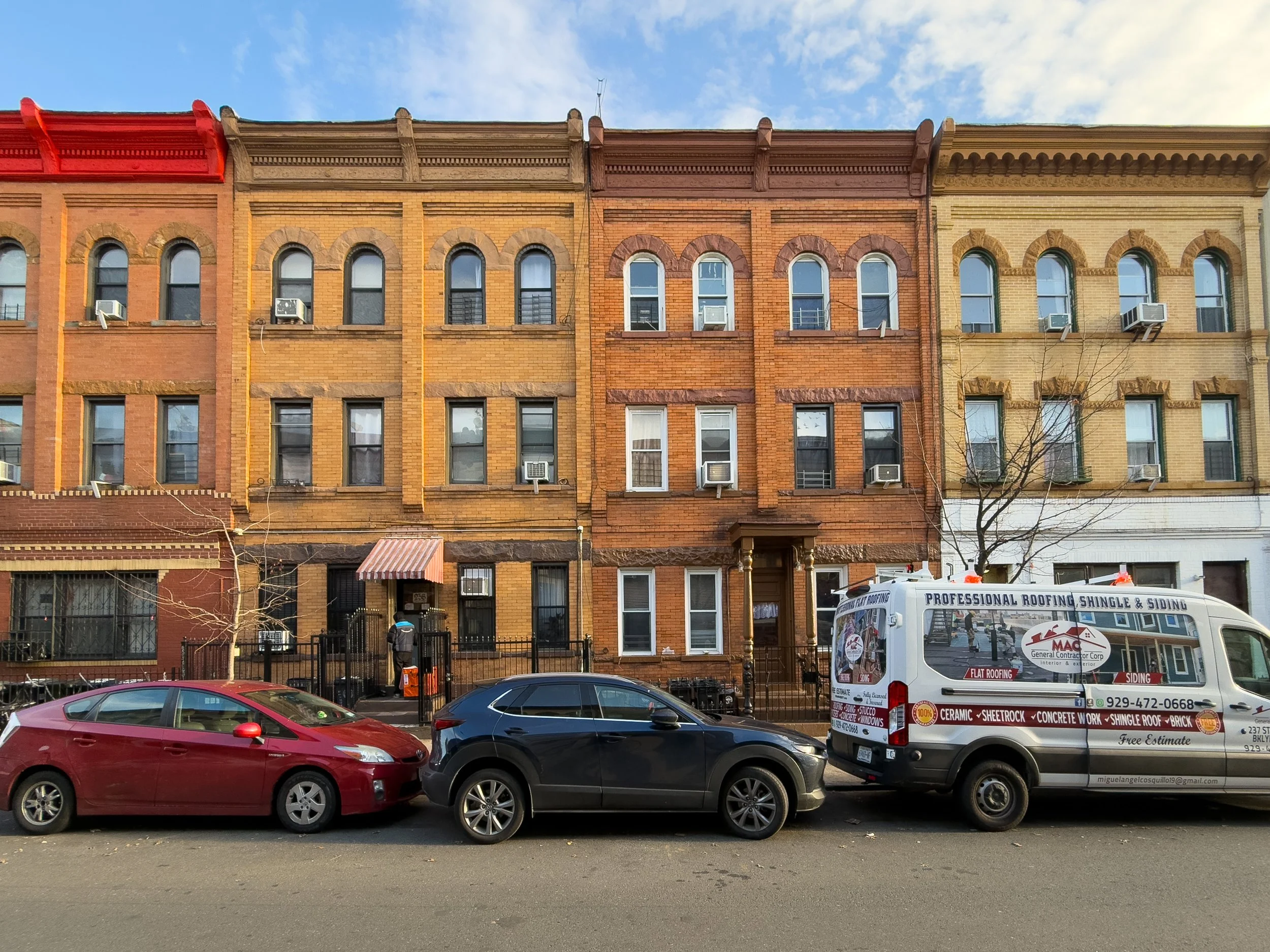
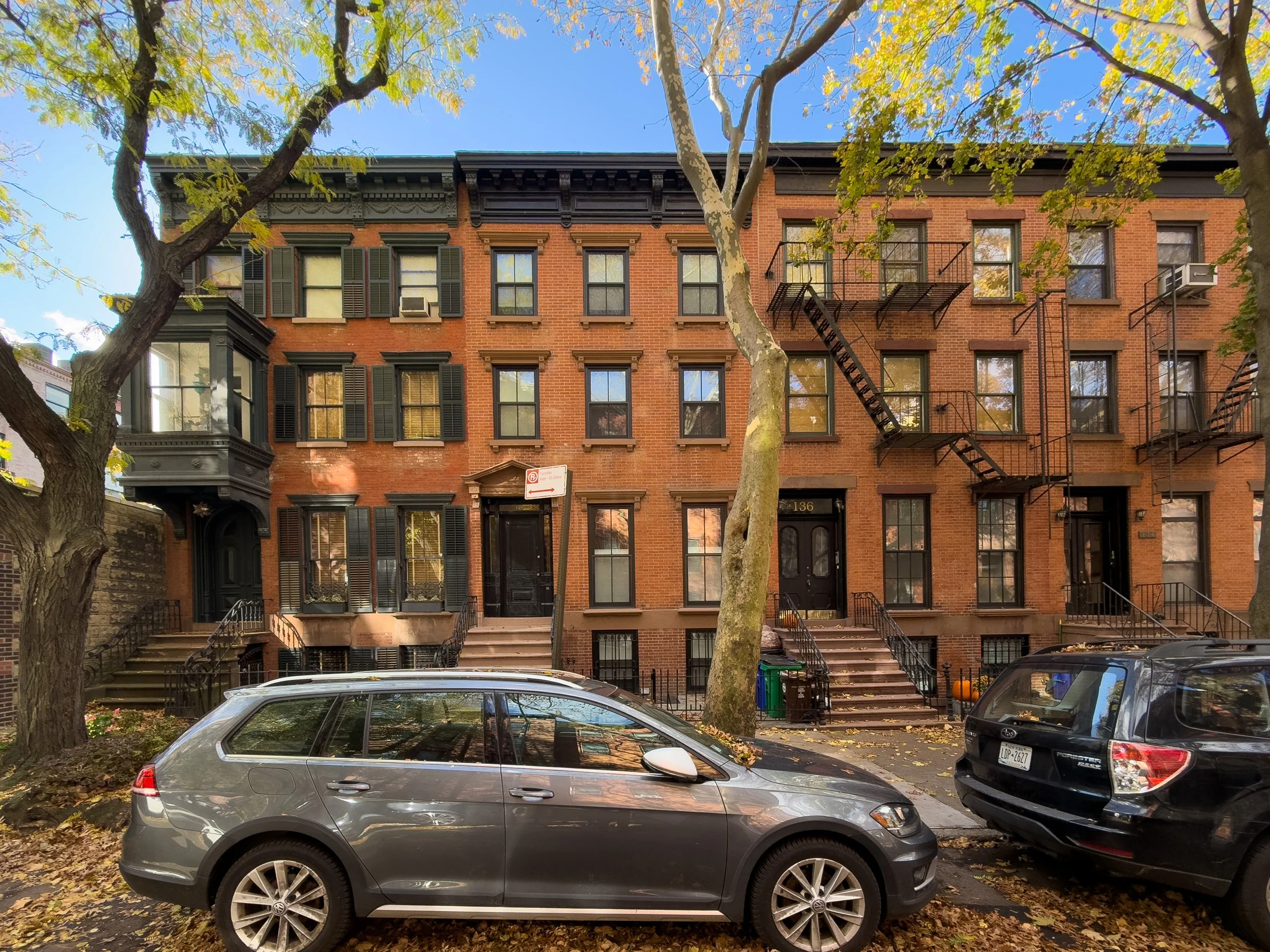
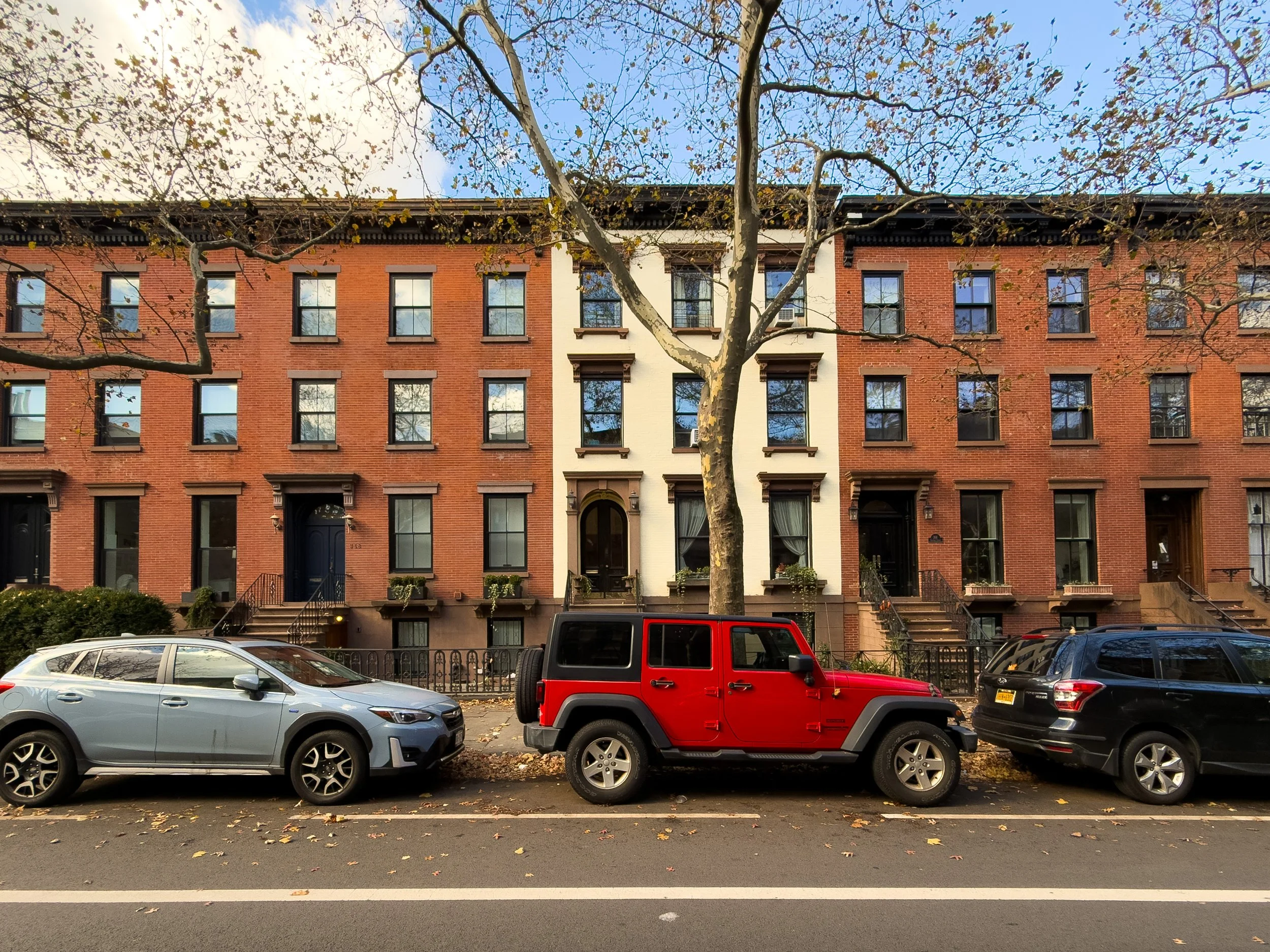
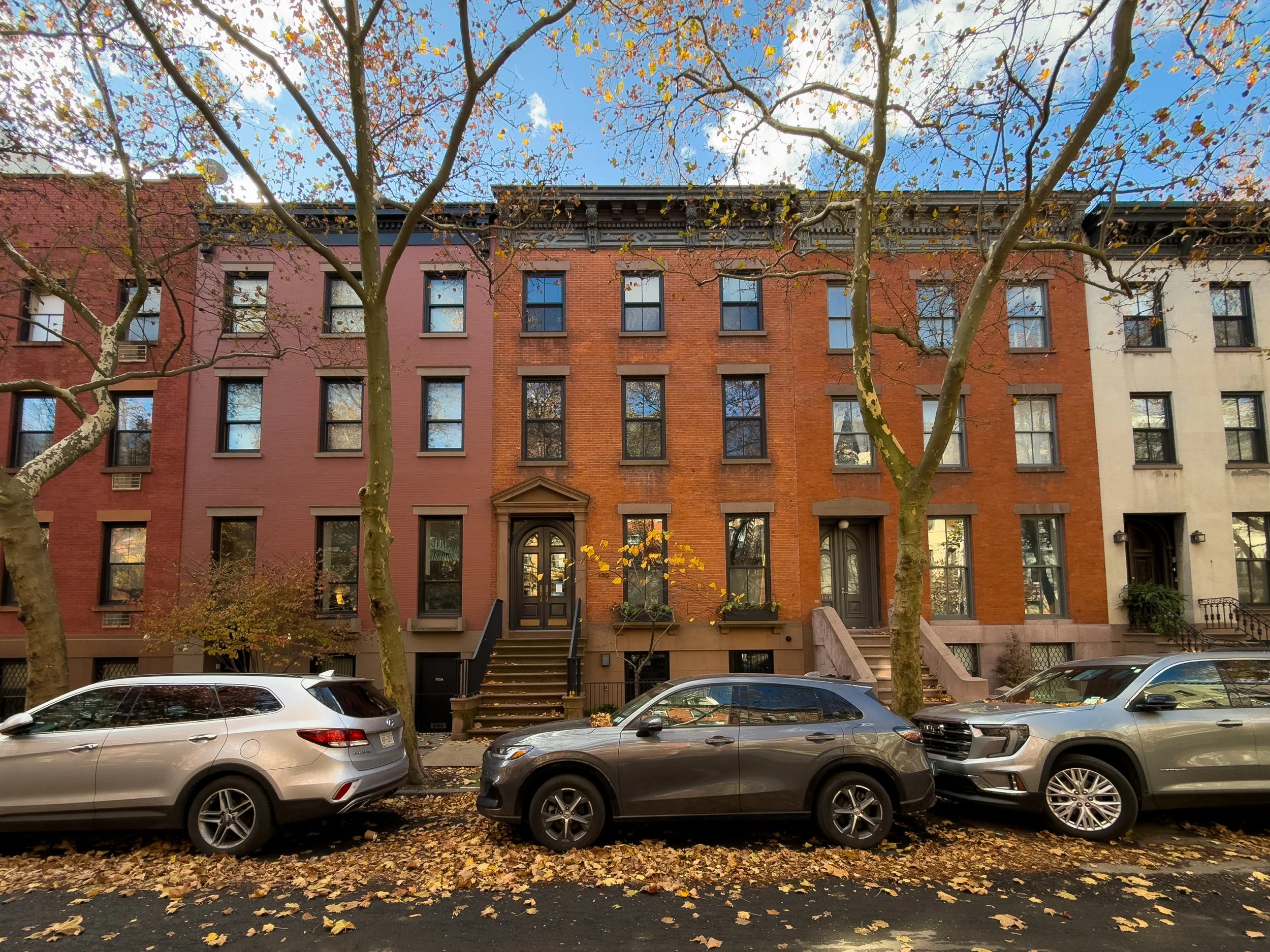
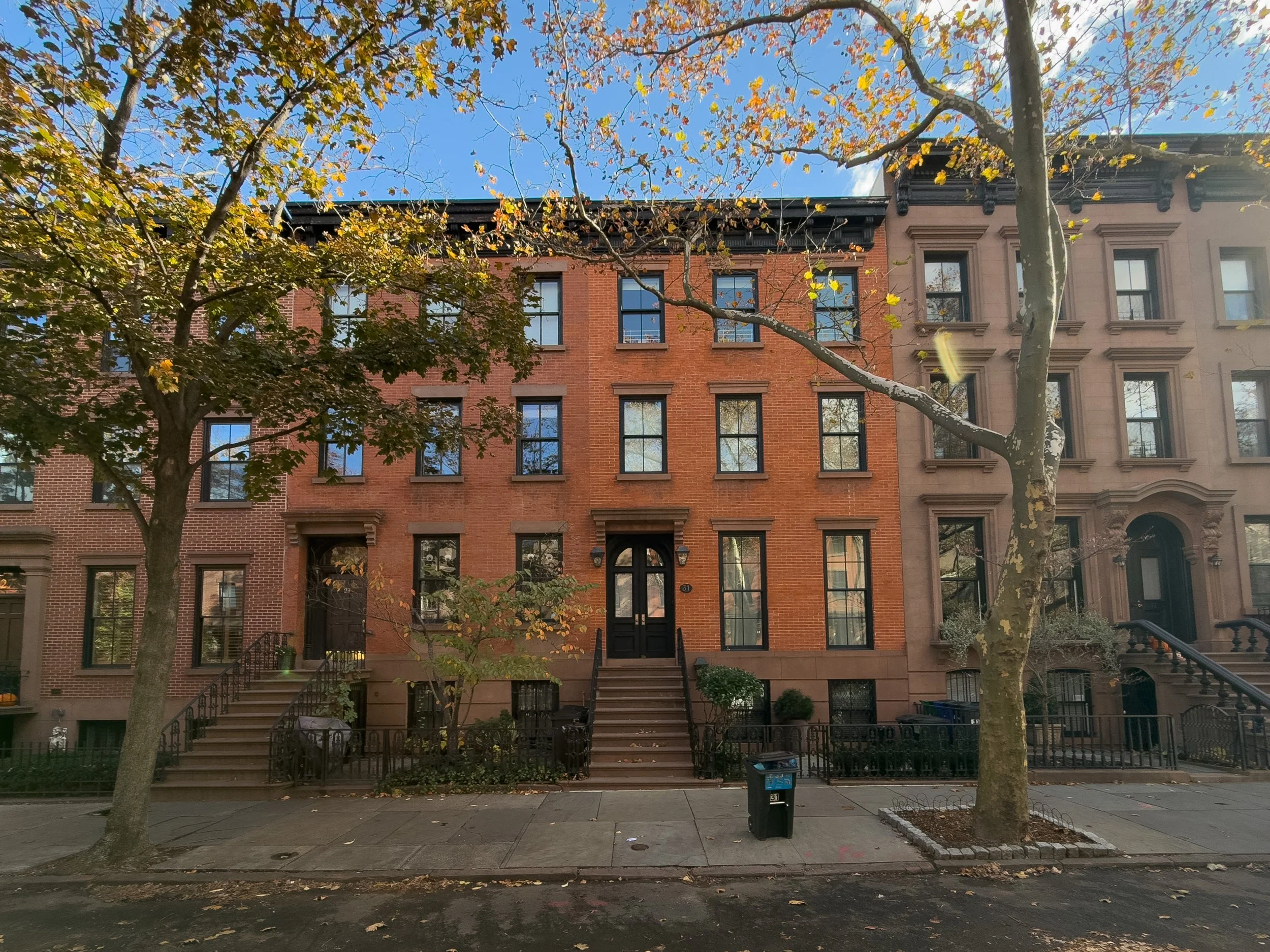
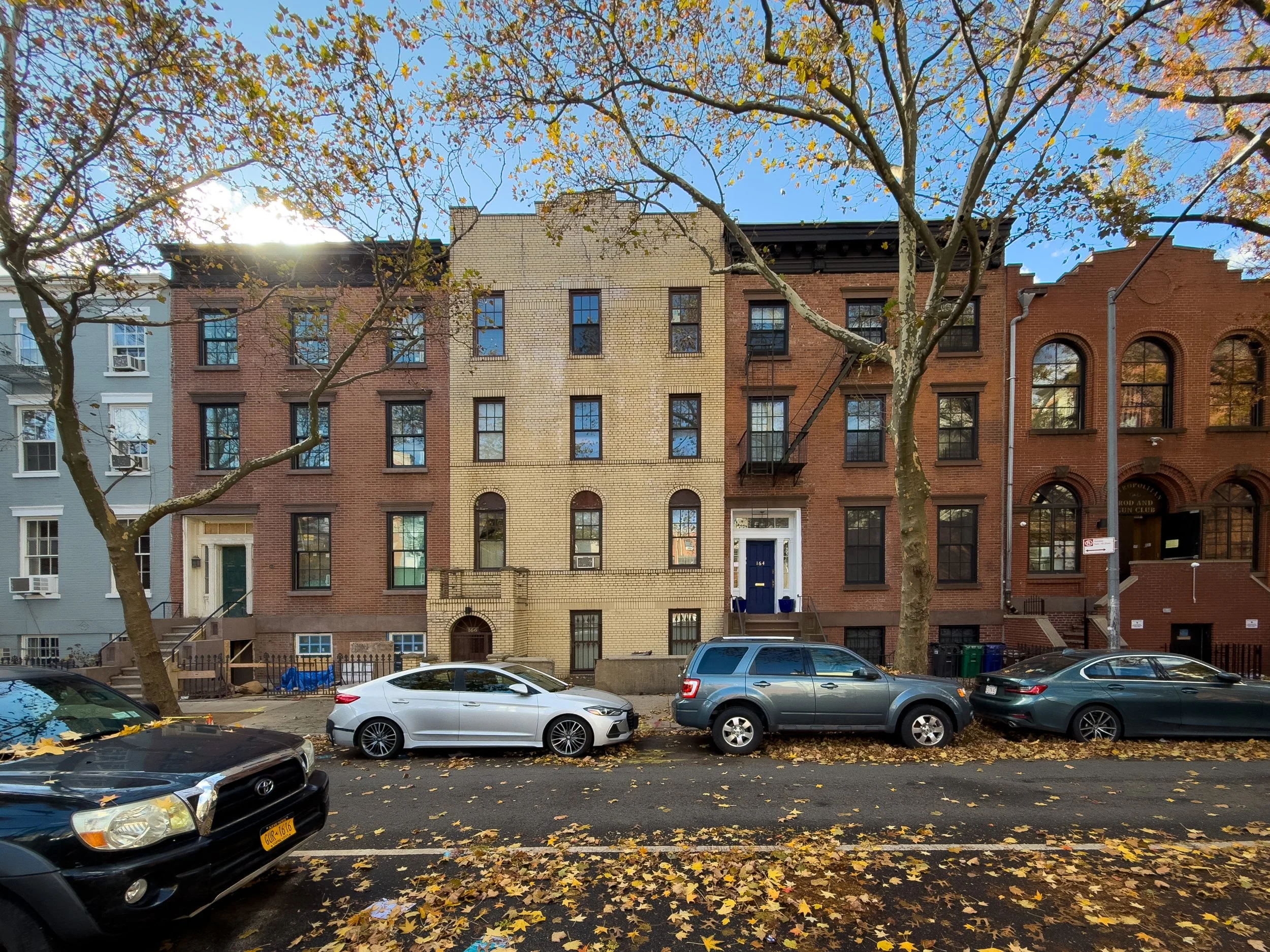
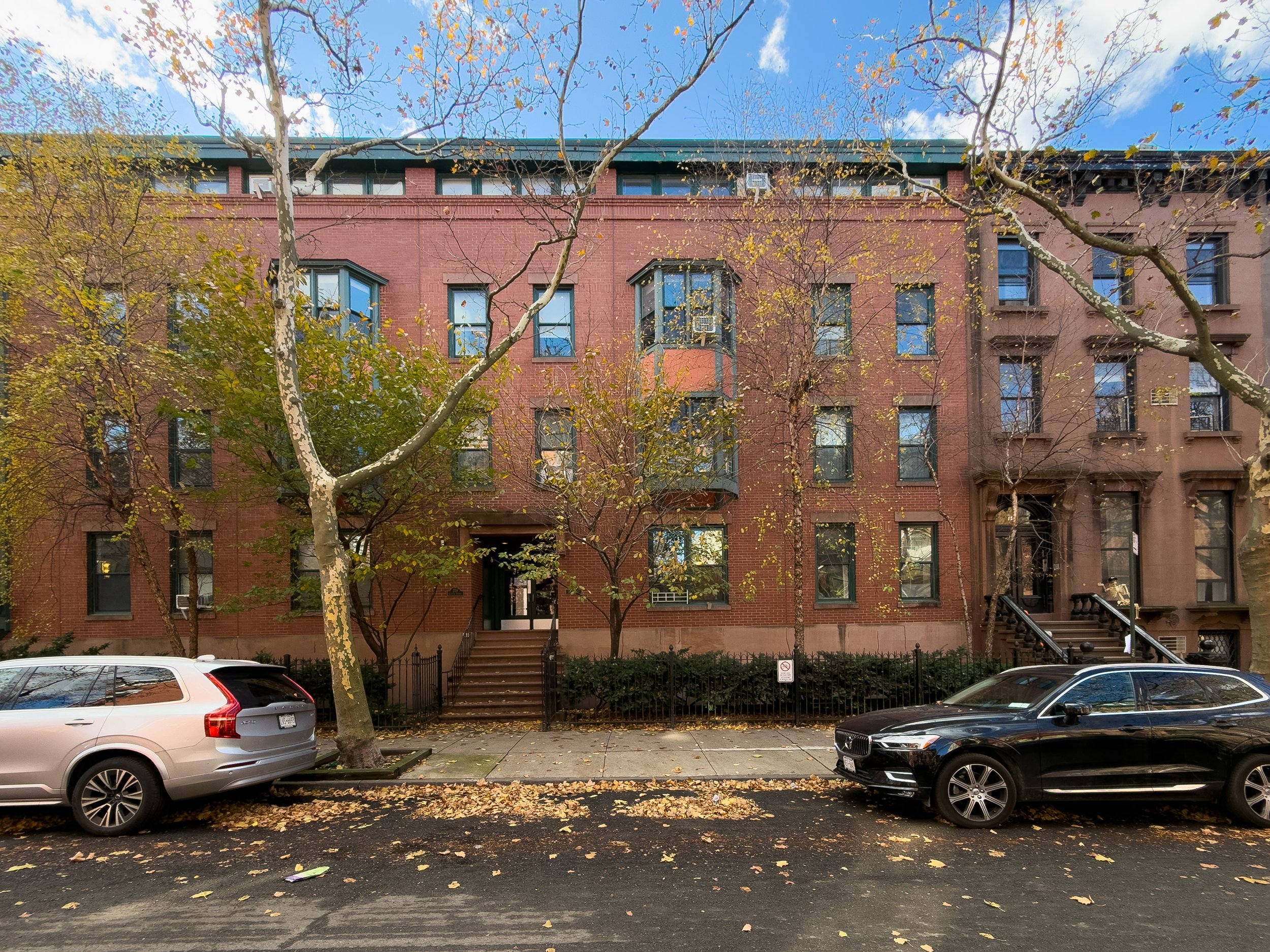
Cobble Hill’s residential identity is inseparable from its architecture and streetscape: pristine Greek Revival and Italianate rowhouses, finely restored brownstones, intimate townhouse conversions, and a limited number of boutique condominium developments define this compact pocket of northwest Brooklyn. What the neighborhood lacks in sheer size it makes up for in cohesiveness — a calm, lived-in feel shaped by low-rise density and long-term ownership.
With limited inventory and few new development opportunities, Cobble Hill functions as a tightly held residential market where homes trade infrequently and buyer demand remains consistently strong. Its proximity to Downtown Brooklyn and major transit corridors enhances accessibility without disrupting the neighborhood’s residential character, reinforcing its appeal to buyers seeking architectural integrity, stability, and enduring value.
Vibe and Atmosphere
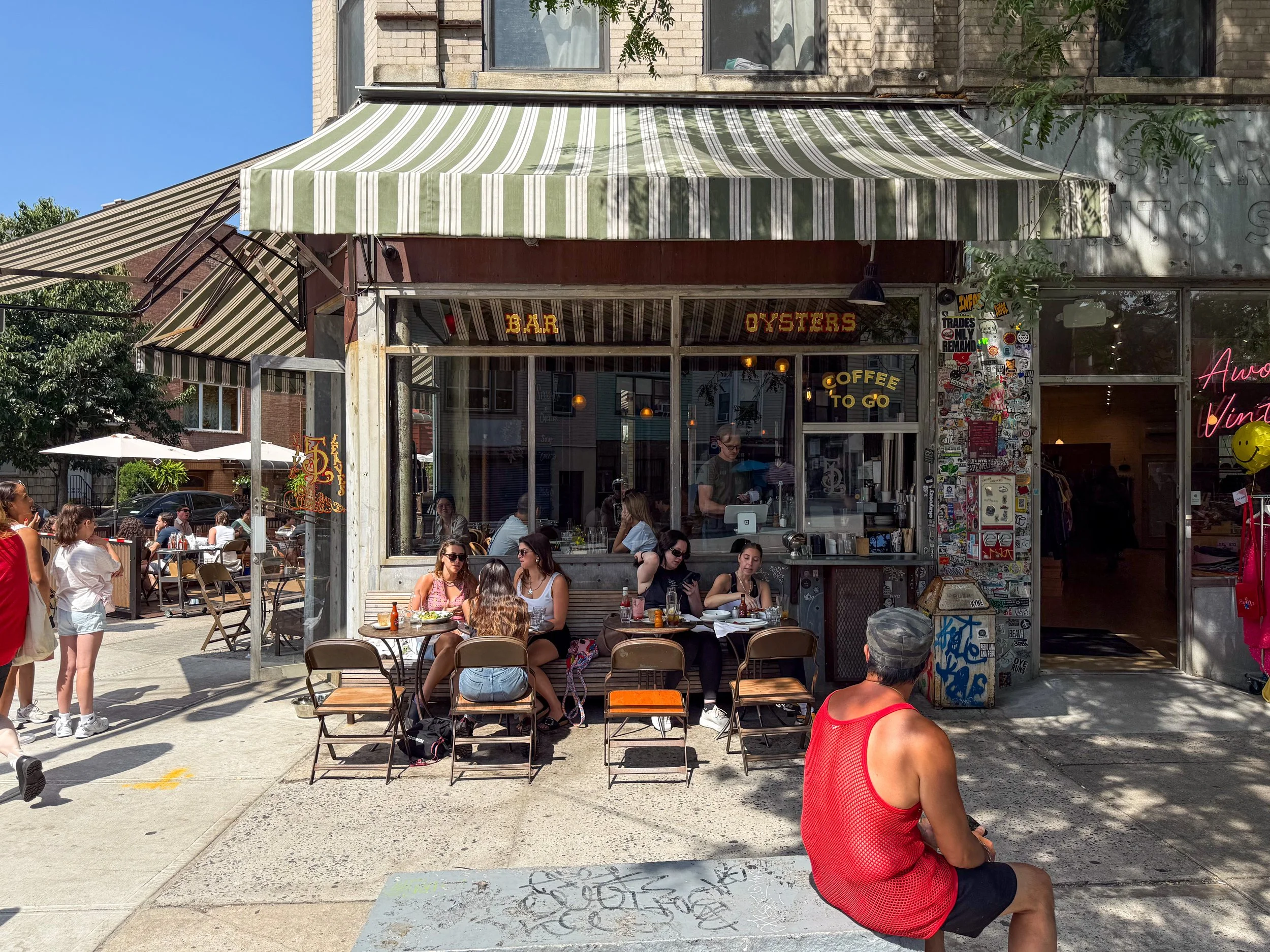
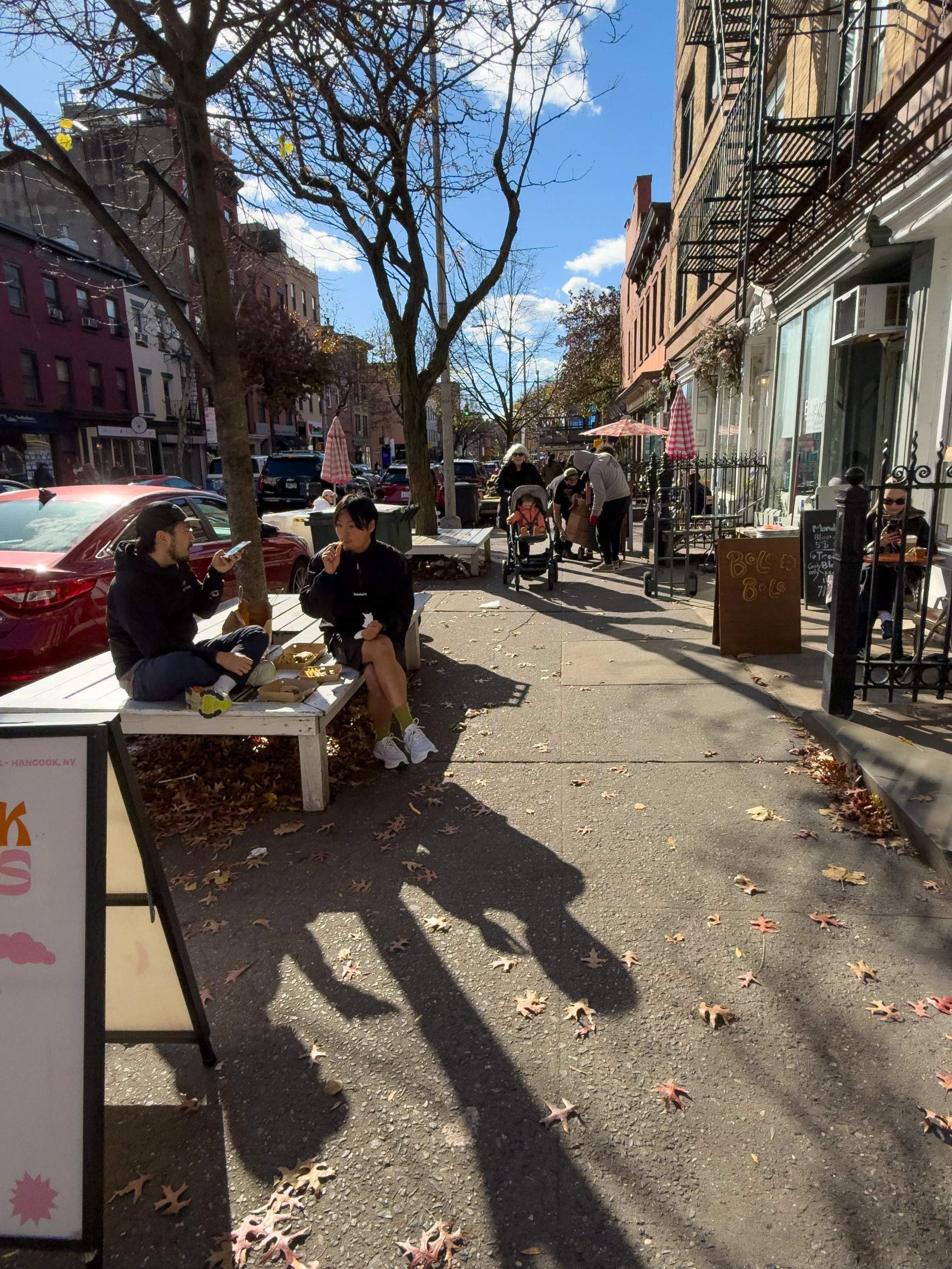
On weekday mornings, Cobble Hill hums quietly: residents walking dogs along tree-lined blocks, parents heading out on school drop-offs, and neighborhood errands unfolding at an unhurried pace. The low-rise streetscape — defined by stoops, mature trees, and intact rows of historic homes — creates a residential rhythm that feels closer to a village than a city, even as Downtown Brooklyn sits just beyond the neighborhood’s edges. From certain vantage points along Court Street, glimpses of surrounding civic and commercial centers reinforce how contained and inward-facing Cobble Hill remains.
The area is defined by its connection to neighboring Carroll Gardens, with residents moving fluidly between the two along Smith and Court Streets. The relationship is similar to that of Fort Greene and Clinton Hill: distinct in character, yet experienced as a single, cohesive local environment. Weekends bring slightly more activity around cafés and corner shops, but the scale remains measured and residential. Unlike neighborhoods shaped by destination traffic, Cobble Hill continues to be defined by the rhythms of everyday life — neighbors on stoops, families out for walks, and familiar faces woven into daily routines.
Amenities and Conveniences
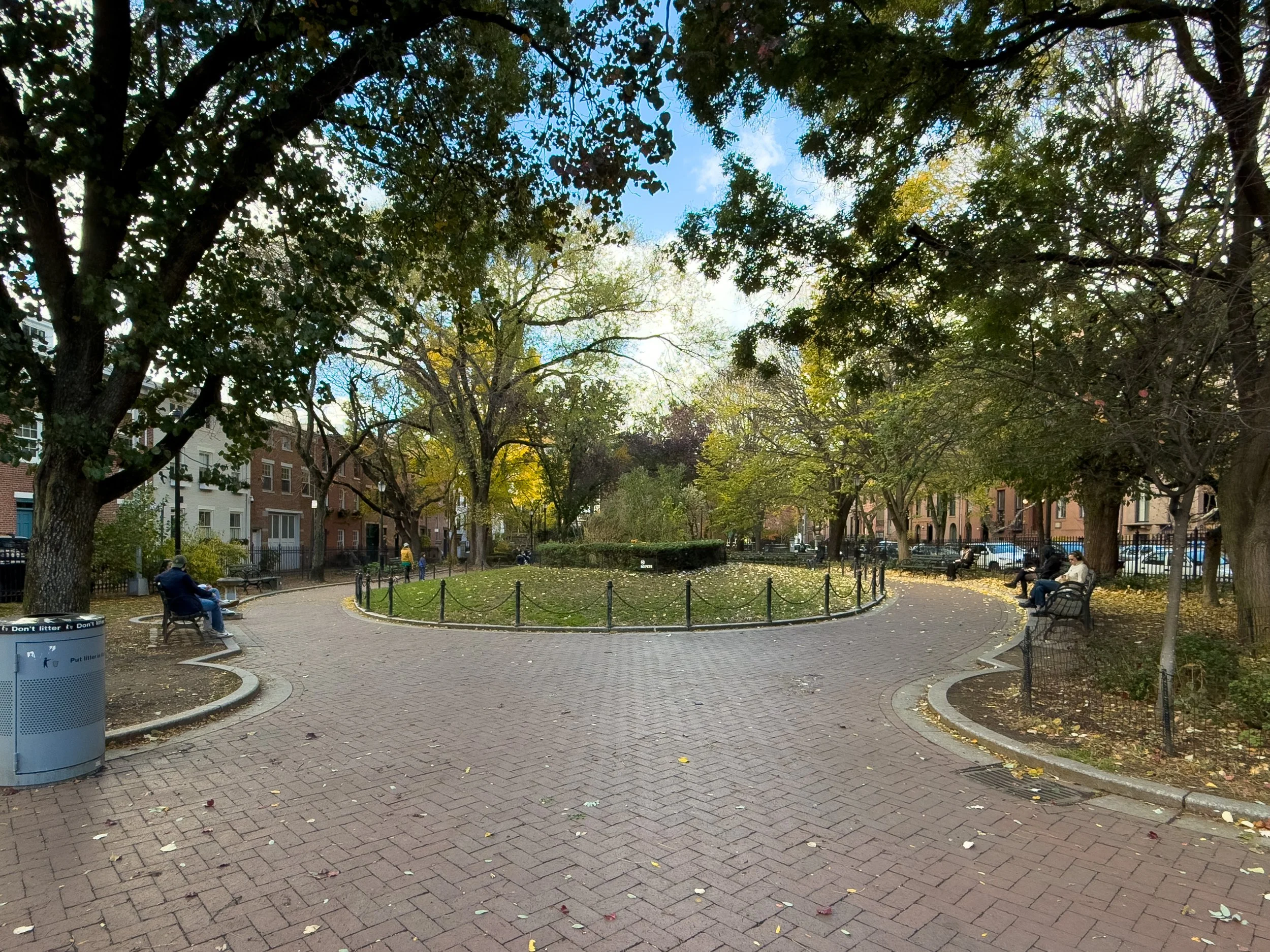
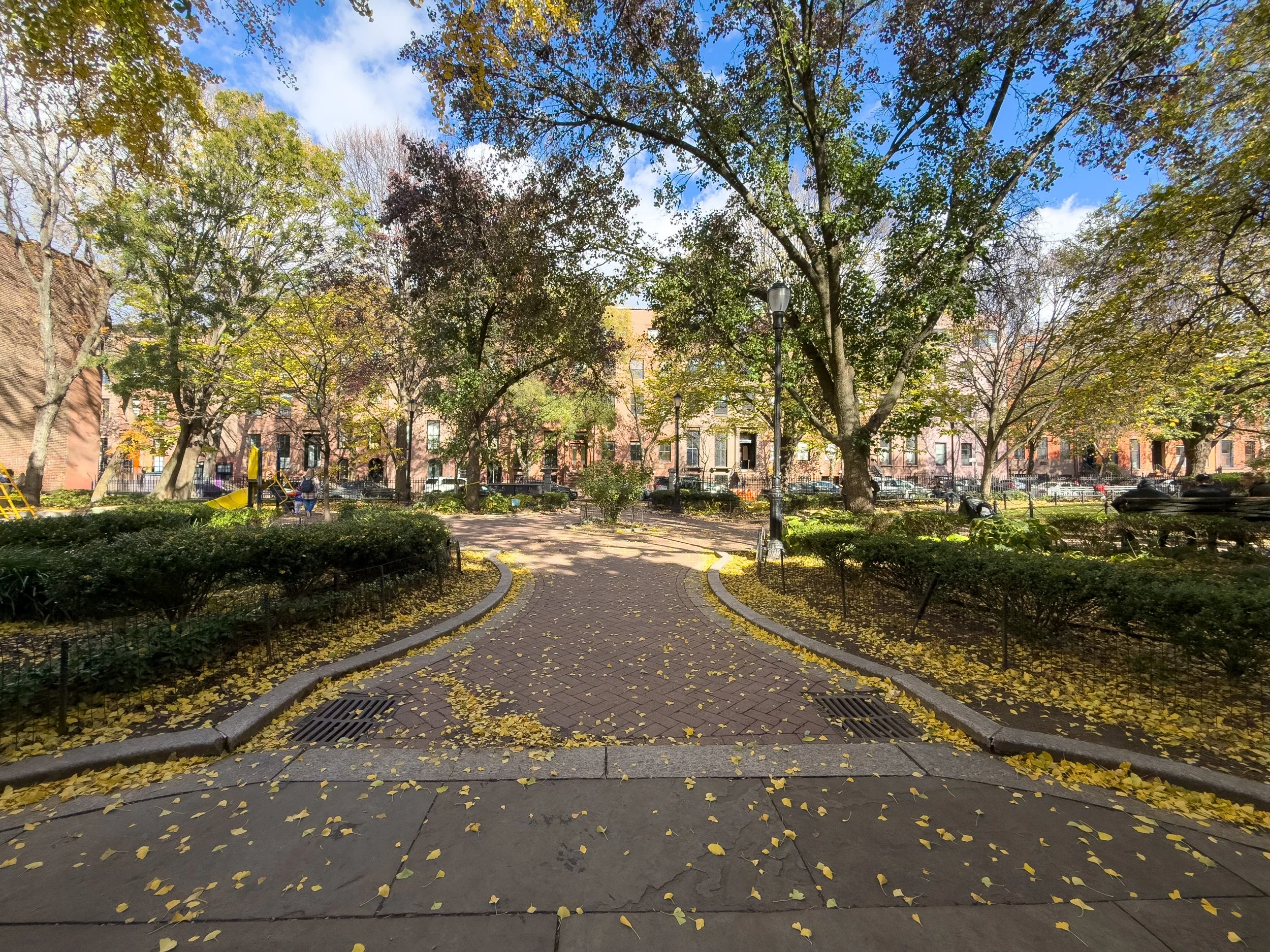
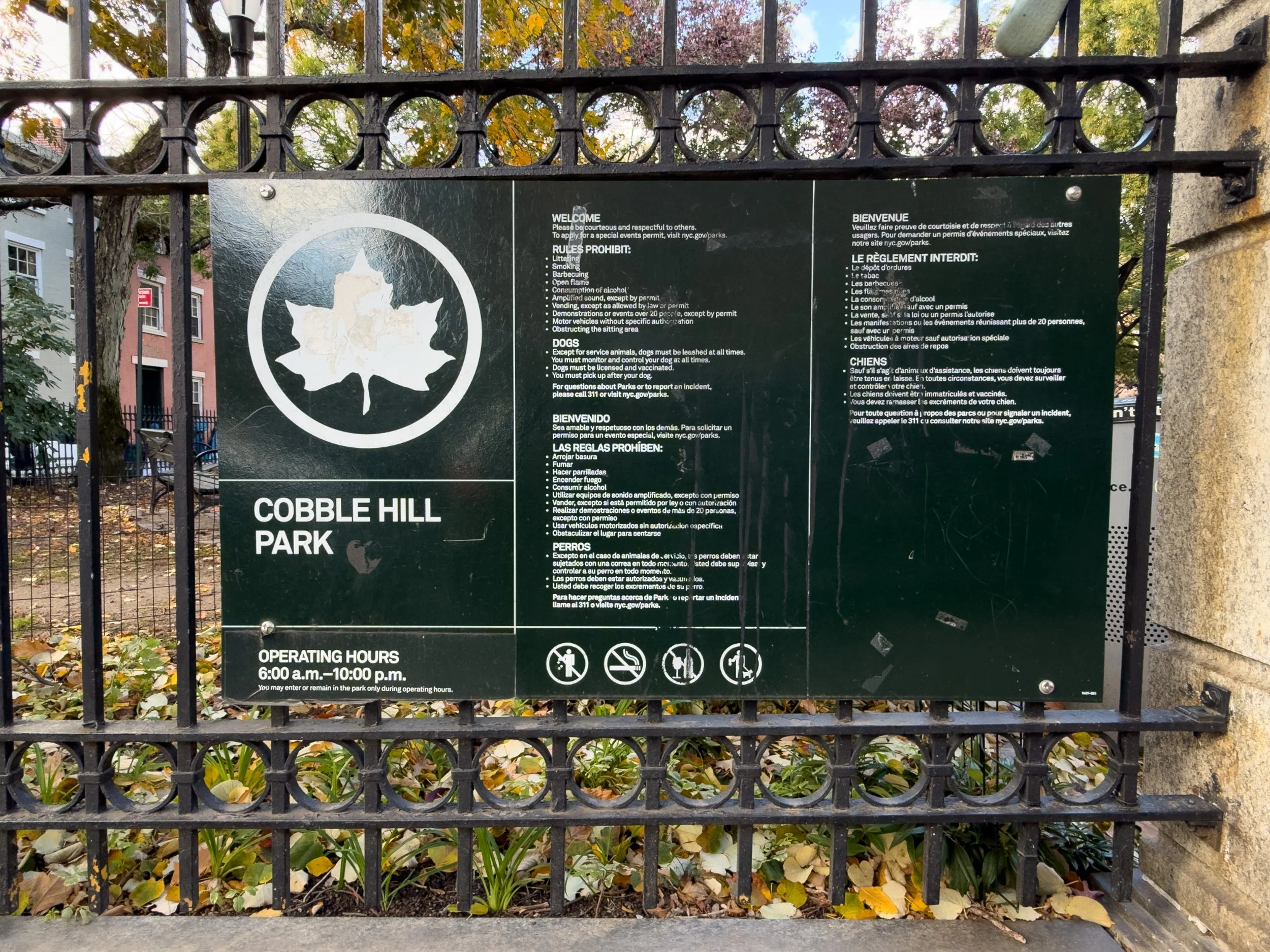
Cobble Hill Park, tucked between Clinton Street and Congress Street, anchors the neighborhood with shaded paths, lawns, and play areas — a rare and highly valued public green space within such a compact residential grid. While modest in scale, it’s complemented by easy access to larger waterfront destinations nearby, including Brooklyn Bridge Park, with open lawns and recreational space at Brooklyn Bridge Park Pier 6 Liberty Lawn and athletic facilities at Brooklyn Bridge Park Pier 5. To the south, Carroll Park in neighboring Carroll Gardens further extends outdoor options, particularly for families and weekend routines.
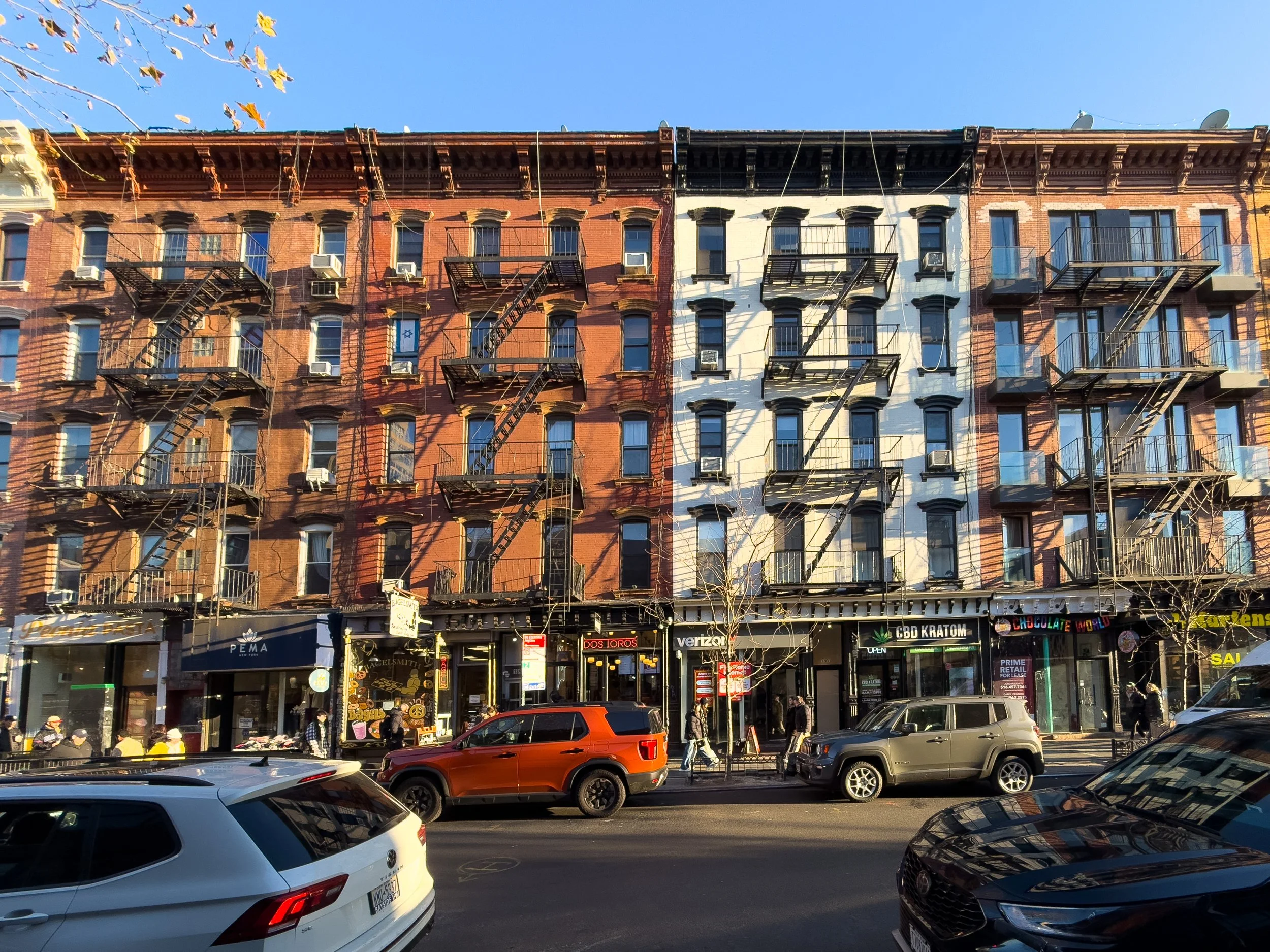
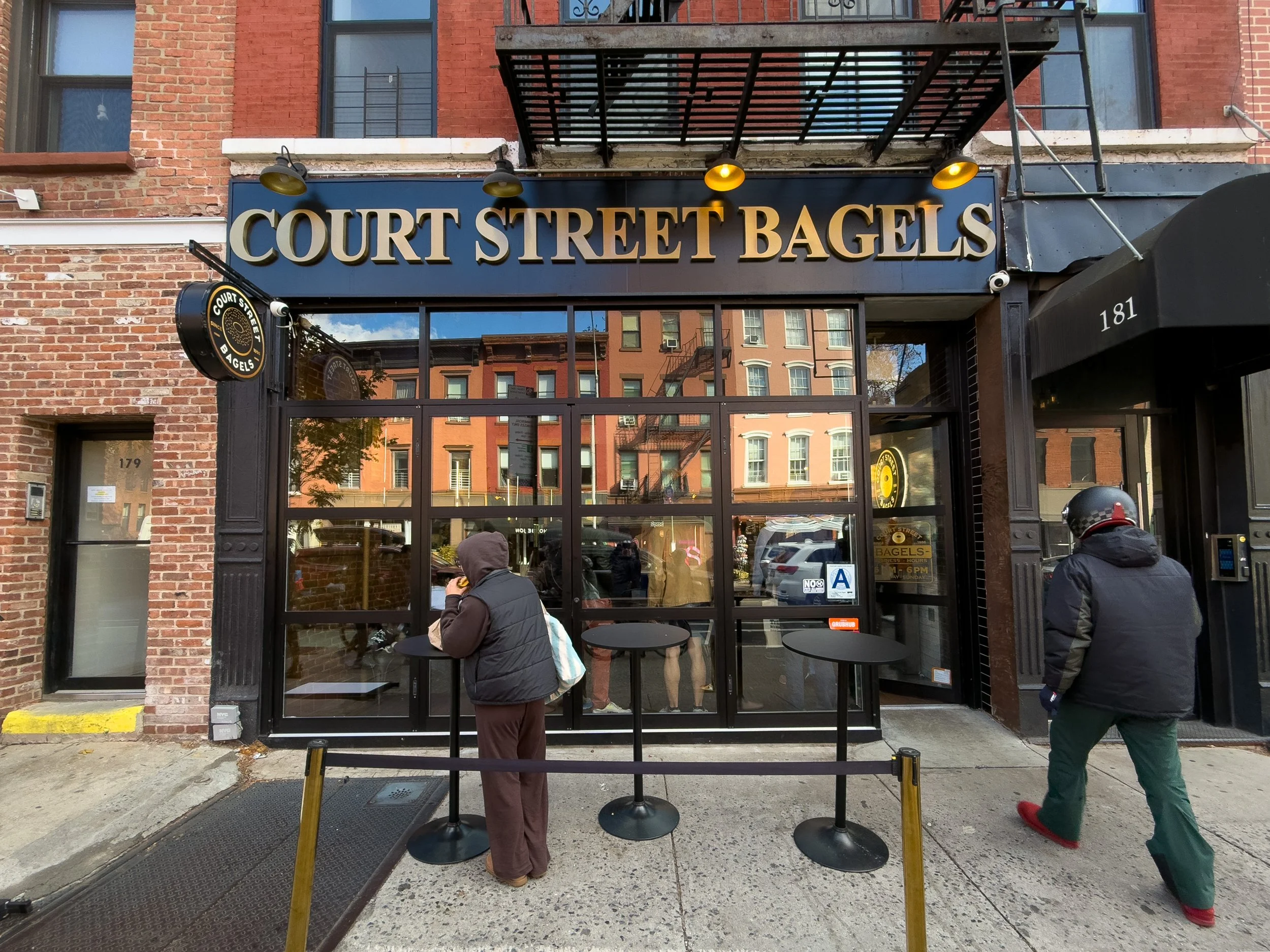
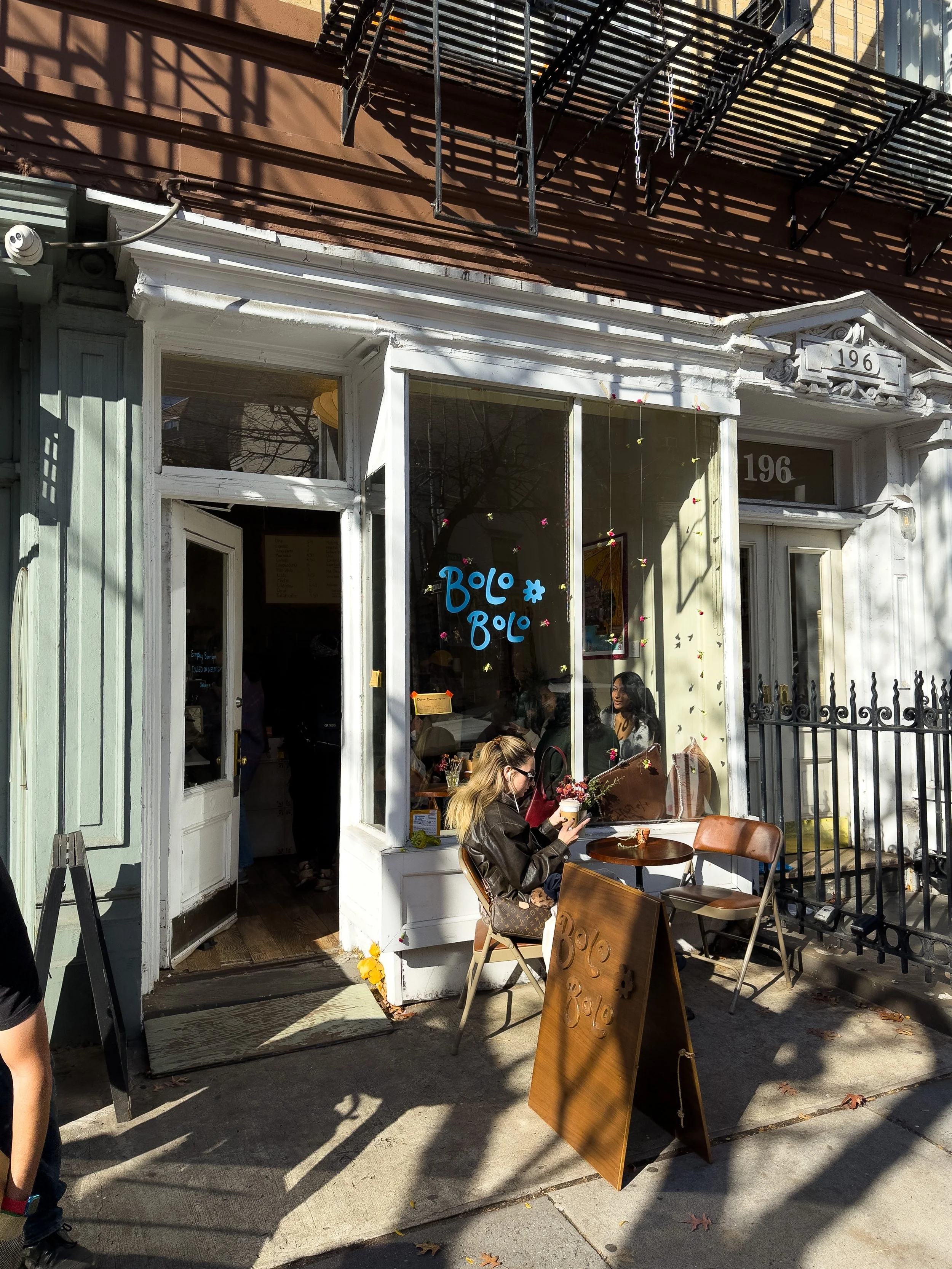
Everyday conveniences cluster naturally along Court and Smith Streets, where groceries, specialty food shops, vintage stores, and boutique clothing shops support a walk-first lifestyle. For many residents, coffee functions as core neighborhood infrastructure: familiar names like Stumptown Coffee Roasters, Drip Coffee Makers, Blank Street, Swallow Cafe, and Poetica Coffee double as informal meeting points and quiet workday anchors. The result is an amenity network that supports daily life with ease — rich in options, never overwhelming, and closely tied to the neighborhood’s residential rhythm.
Dining and Shopping
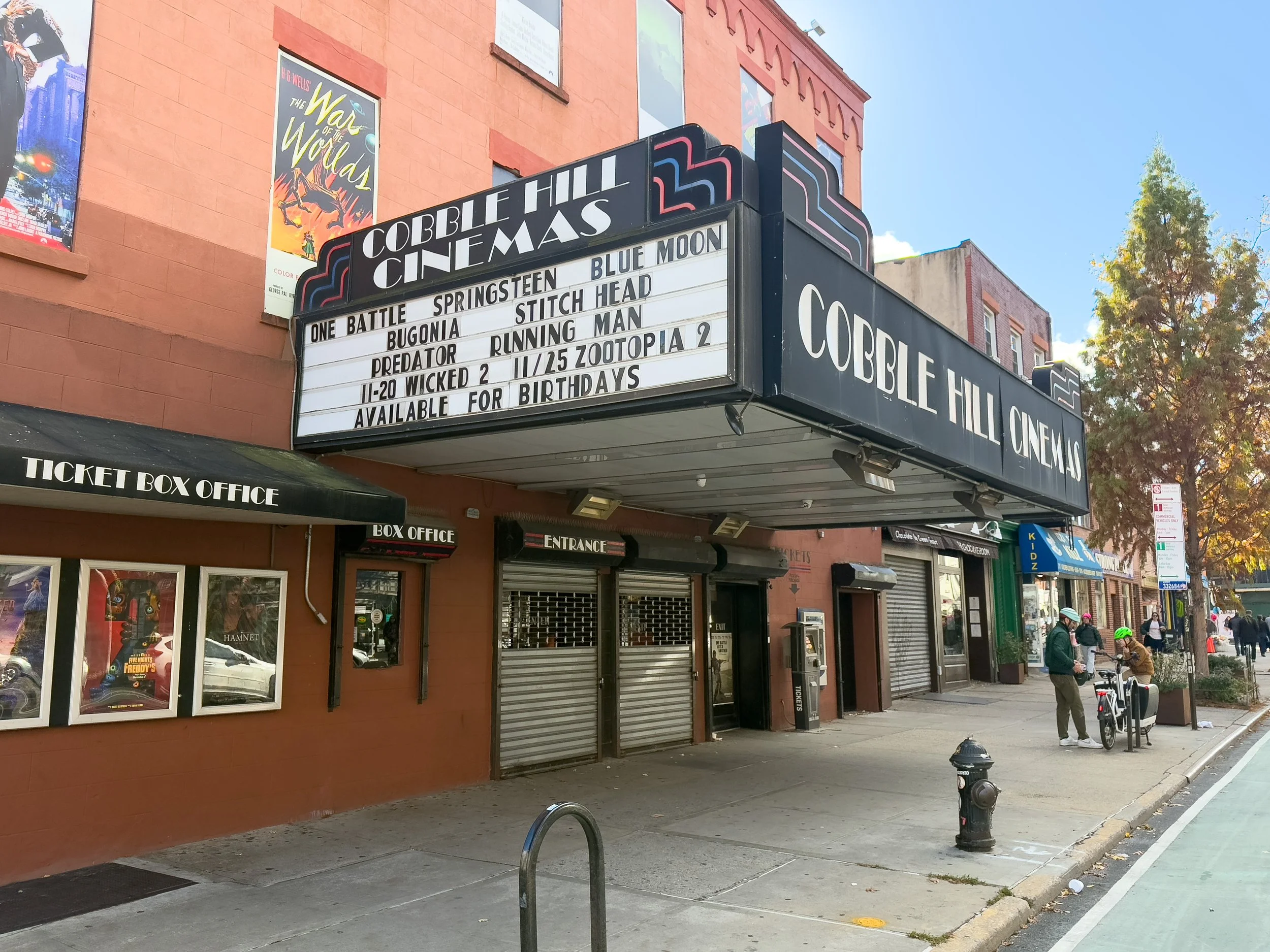
Cobble Hill’s culinary fabric weaves together longstanding neighborhood favorites with refined dining that belies the area’s modest footprint. Along Smith Street, Court Street, and the Atlantic Avenue edge, restaurants like Lillo Cucina Italiana and Piccola Cucina Casa reflect the neighborhood’s enduring Italian presence, while destinations such as La Vara, Yemen Cafe, and Levant on Smith underscore a broader Mediterranean and Middle Eastern influence. Everyday staples like Shelsky’s of Brooklyn, Lemongrass Brooklyn, and Xisan de Classic round out a dining scene that prioritizes consistency, neighborhood loyalty, and repeat visits over trend-driven turnover — food that’s woven into daily life rather than built around spectacle.
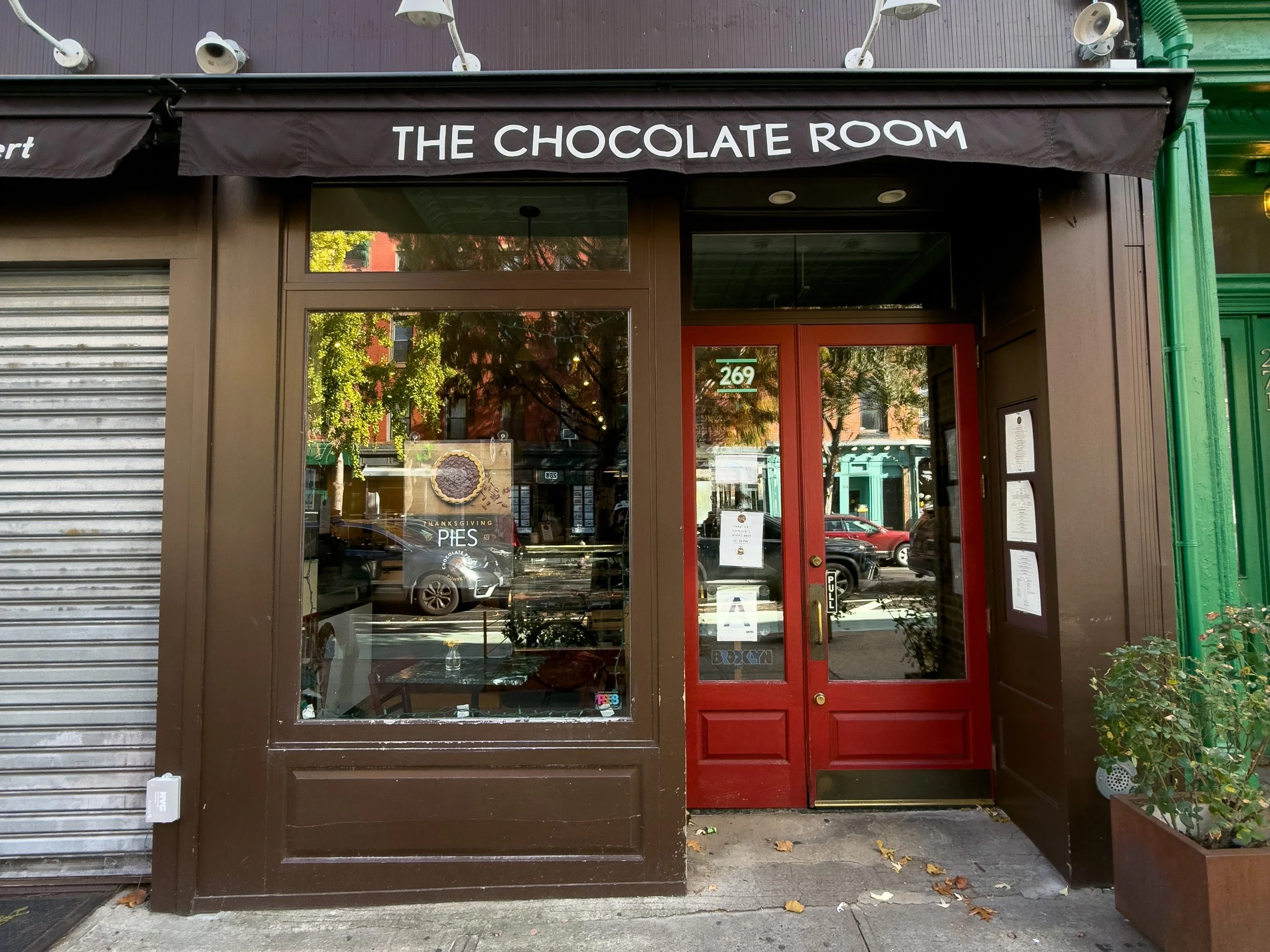
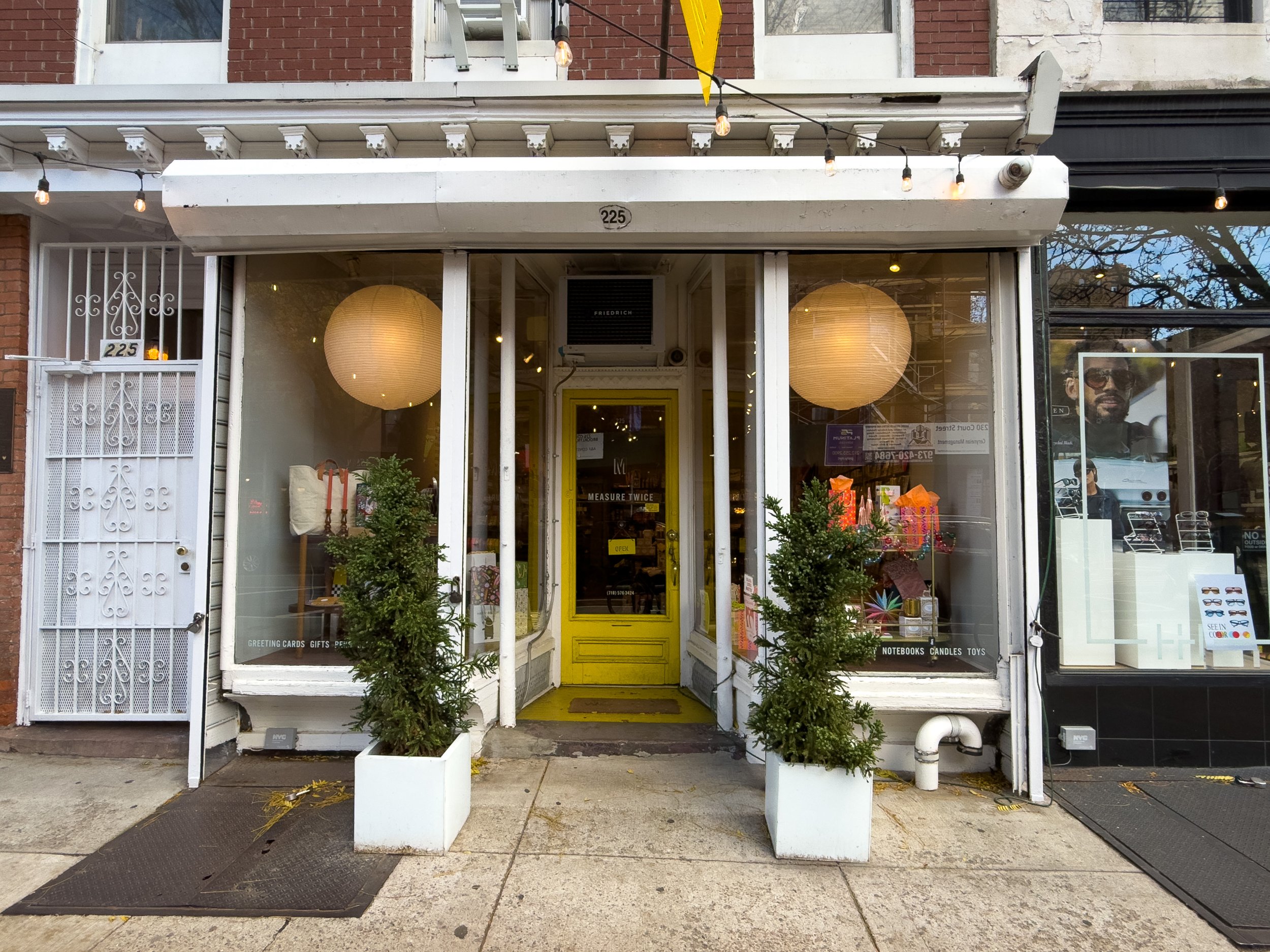
Shopping reflects Cobble Hill’s artisanal character: independent boutiques and curated specialty shops line the quieter blocks, reinforcing the neighborhood’s small-scale, intentional feel. Anchors like Books Are Magic serve as cultural touchstones, while shops such as The Six Bells, Rue Saint Paul, Melissa Joy Manning, and Wanderlustre emphasize craftsmanship, design, and thoughtful sourcing. Sweet stops like One Girl Cookies and The Chocolate Room add to the sense that shopping here is less about errands and more about slow, local exploration woven into everyday routines.
Transportation
Cobble Hill’s compact footprint is matched by unusually strong transit access along its edges, giving residents flexibility without pulling subway traffic into the heart of the neighborhood. On the eastern border, the MTA’s Bergen Street (F) and (G) subway station sits directly between Cobble Hill and Boerum Hill, providing reliable north–south and crosstown service. Just a few blocks north, Hoyt–Schermerhorn Streets (A), (C), and (G) expands options further, while the Hoyt Street (2) and (3) station offers a fast connection into Manhattan.
To the northeast, the Jay Street–MetroTech complex — roughly five blocks from the Cobble Hill border — adds another layer of connectivity with access to the (A), (C), (F), (N), (R), and (W) lines. Citi Bike docks are plentiful throughout the neighborhood, making short trips to transit hubs, Downtown Brooklyn, or the waterfront straightforward. While subway entrances aren’t embedded on every residential block, the combination of walkable borders, multiple lines, and bike infrastructure keeps commuting efficient without compromising Cobble Hill’s calm, residential character.
Schools
Cobble Hill includes neighborhood options for K–12 families without presenting an overwhelming roster of choices. Public School 29 (John M. Harrigan School) serves elementary grades, and nearby charter options such as Success Academy Cobble Hill provide additional pathways. Secondary school options are readily accessible via short transit rides to surrounding neighborhoods.
While there are no colleges or universities within Cobble Hill’s boundaries, higher-education access is close at hand. Downtown Brooklyn — just minutes away — is home to institutions such as Long Island University Brooklyn, Brooklyn Law School, and NYU’s MetroTech campus, making post-secondary education easily reachable without introducing campus-driven density into the neighborhood itself.
Real Estate Insights
Cobble Hill’s real estate market reflects a rare combination of architectural integrity, geographic scarcity, and long-term ownership patterns. The neighborhood is dominated by historic brownstones and townhouses — many within the Cobble Hill Historic District — alongside prewar co-ops and a limited number of boutique condominium developments. These property types tend to trade infrequently, and when they do, pricing often reflects both condition and provenance rather than purely square footage.
Entry points in Cobble Hill are notably higher than in most Brooklyn neighborhoods, a function of constrained supply rather than speculative turnover. Buyers here are typically end-users planning to hold for the long term, drawn by the neighborhood’s residential calm, proximity to Carroll Gardens and Downtown Brooklyn, and access to parks, schools, and transit. Compared to nearby markets such as Gowanus or Prospect Heights, Cobble Hill experiences fewer transactions overall, but demand remains steady — a dynamic that supports pricing even in slower citywide cycles.
Sales Market At A Glance (2025)
Average Home Value (ZHVI / “Typical Home Values”): ~$1,981,500 (Zillow, data through Nov 30, 2025)
1-Year Home Value Change (ZHVI): +5.0% (Zillow)
Median List Price: ~$2.28M (Zillow, Nov 30, 2025)
Median Sale Price: ~$2.0M–$2.3M (PropertyShark Q3 2025; Redfin Nov 2025)
Price per Sq Ft: ~$1,400–$1,425 PPSF (PropertyShark Q3 2025)
Median Days on Market: ~42–78 days (Redfin; Zillow)
Inventory / Transactions: ~20 quarterly sales; inventory remains limited relative to demand (PropertyShark Q4 2025)
Source: Zillow, PropertyShark, and Redfin (2025). Zillow’s Home Value Index (ZHVI) reflects average home values across property types using seasonally adjusted estimates. PropertyShark median prices are based on closed sales recorded in ACRIS and require a minimum transaction threshold. Redfin figures reflect MLS-reported activity and may vary by reporting period, property mix, and coverage.
Trends
Cobble Hill consistently ranks among the most expensive neighborhoods in New York City, placing 5th citywide (Top 50 Most Expensive NYC Neighborhoods, PropertyShark) — alongside markets such as TriBeCa, SoHo, and Hudson Square. This positioning reflects pricing dynamics more commonly associated with Manhattan’s prime residential enclaves, even as Cobble Hill remains distinctly Brooklyn in scale, character, and daily life.
Despite its pricing tier, transaction volume remains modest. Sales activity in Cobble Hill declined year-over-year even as median prices rose sharply, reflecting a market where owners are generally not compelled to sell and buyers compete for limited opportunities. This pattern contrasts with nearby neighborhoods that experienced spikes in activity driven by new development inventory, reinforcing Cobble Hill’s status as a low-turnover, supply-constrained market.
Looking across recent cycles, pricing volatility in Cobble Hill has tended to stem more from shifts in property mix — townhouses versus co-ops versus condos — than from underlying demand. When larger homes or renovated brownstones trade, headline prices move quickly; when activity centers on smaller co-ops, price metrics moderate. For buyers and sellers alike, understanding this nuance is essential when interpreting market data in a neighborhood where each transaction carries outsized influence.
Final Thoughts
Cobble Hill’s appeal lies in the balance it strikes: historic architecture, walkable conveniences, and a strong sense of neighborhood without isolation. Closely connected to Carroll Gardens, Boerum Hill, and Gowanus, it offers a calm residential core within a broader, highly livable Brooklyn cluster. Its streets, parks, and commercial corridors support a lifestyle that feels settled and intentional — a place where residents tend to stay, invest, and put down roots.
From a real estate perspective, that stability is central to the neighborhood’s long-term relevance. Limited inventory, low turnover, high price points, and consistent buyer demand have positioned Cobble Hill as one of Brooklyn’s most enduring residential markets, even as surrounding neighborhoods evolve at a faster pace. For buyers, it offers a rare combination of character and predictability; for sellers, a market shaped more by scarcity and stewardship than by cycles alone.
In a city defined by constant change, Cobble Hill stands out not for what it adds each year, but for what it preserves — scale, continuity, and a deeply rooted sense of place that continues to resonate across generations of residents.
Buying or Selling in Cobble Hill? Whether you’re exploring co-ops, condos, townhouses, or considering selling your current home, I’m happy to provide a complimentary Comparative Market Analysis (CMA) or share tailored insights into the local market. Contact me today to learn more.
For in-depth guides on topics like buyer financing, NYC closing costs, pricing strategies, and more — visit the Resources & Insights hub for resources designed to help guide buyers and sellers in the Cobble Hill real estate market.
Related Brooklyn Neighborhood Guides