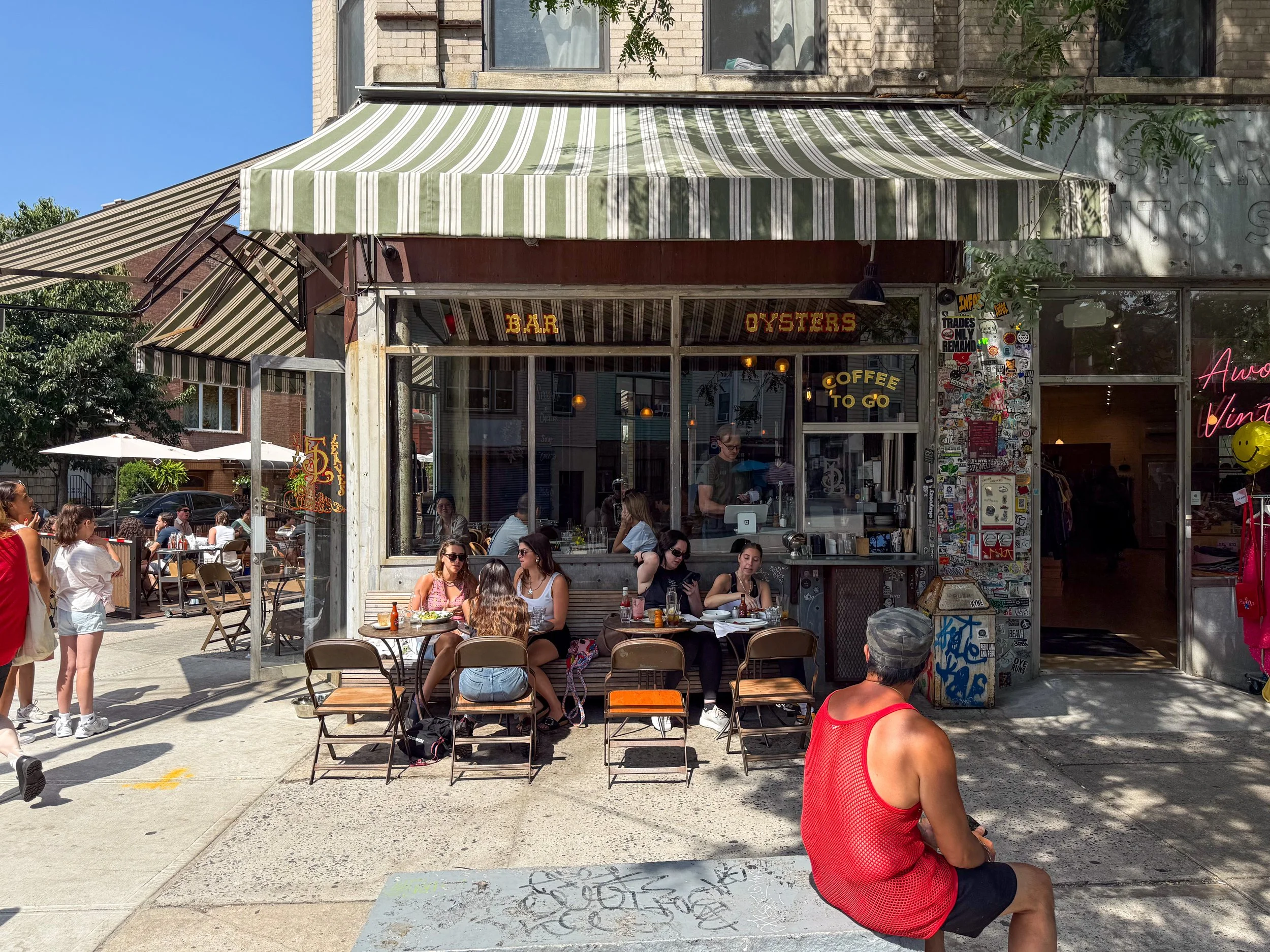
Brooklyn Heights, Brooklyn
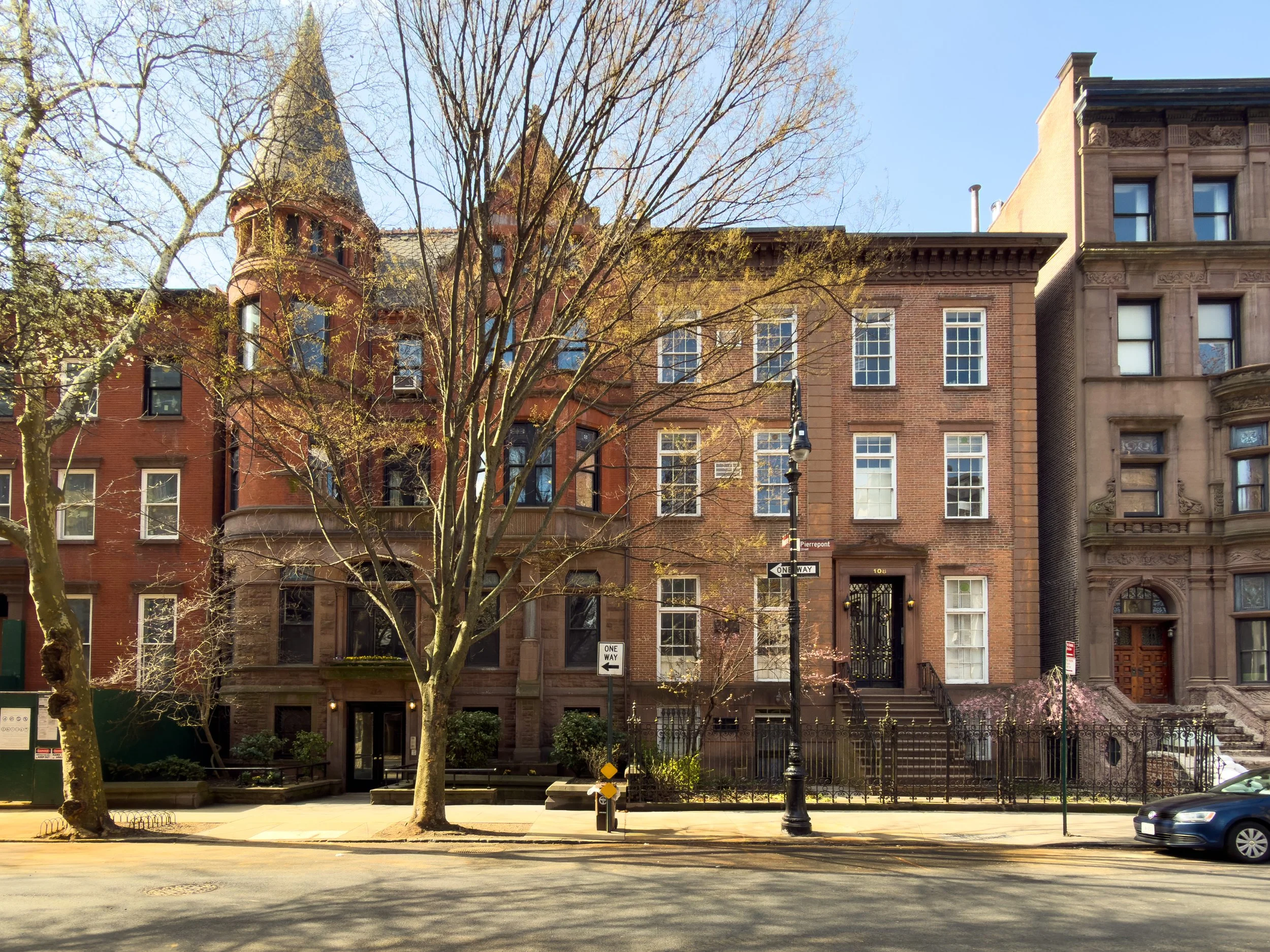
Brooklyn Heights is defined by landmark architecture, a preserved residential streetscape, and immediate proximity to Lower Manhattan. Its combination of historic brownstones, waterfront access, and limited new development supports a market shaped by long-term ownership, architectural continuity, and consistently strong demand.
Brooklyn Heights
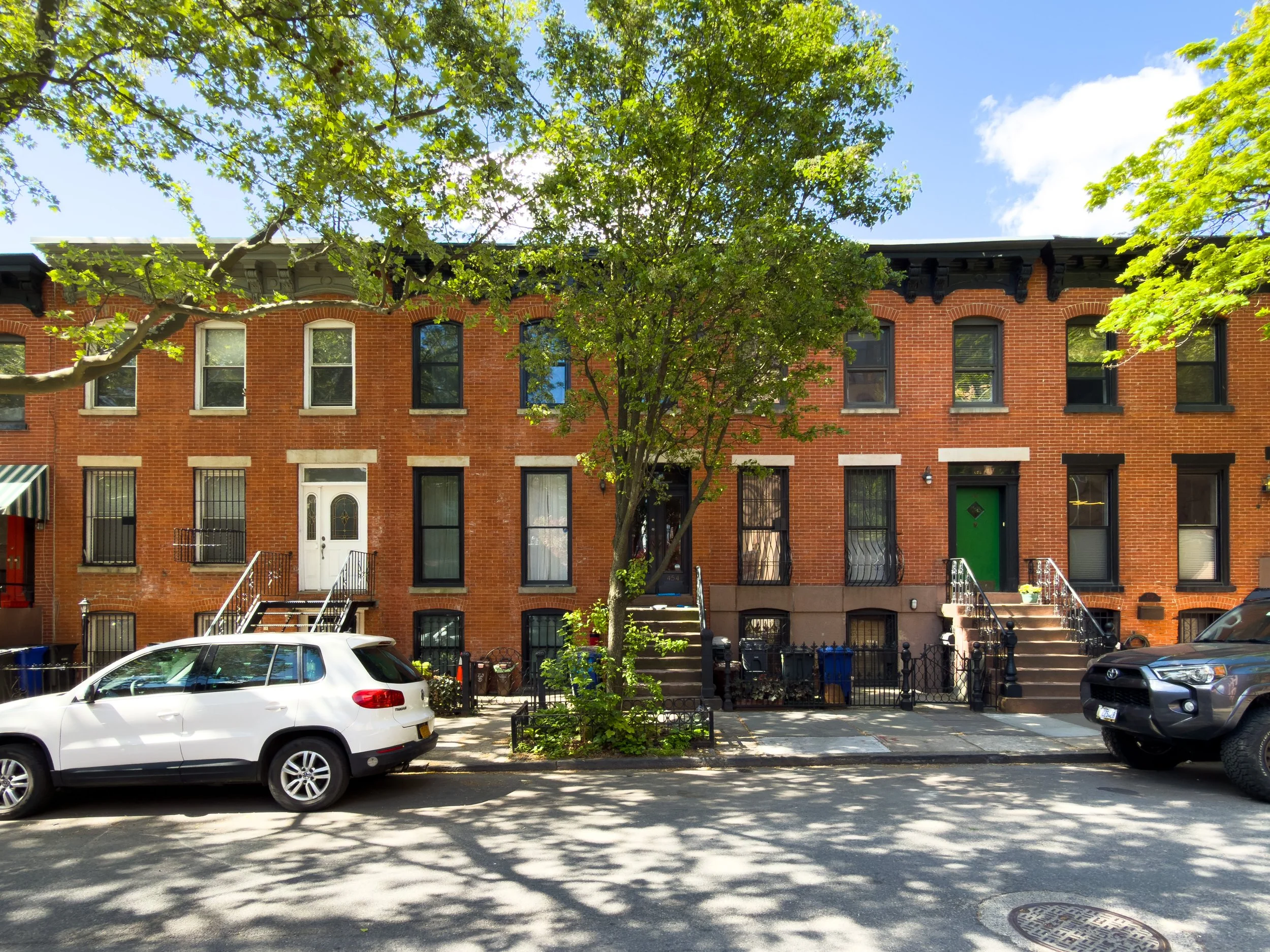
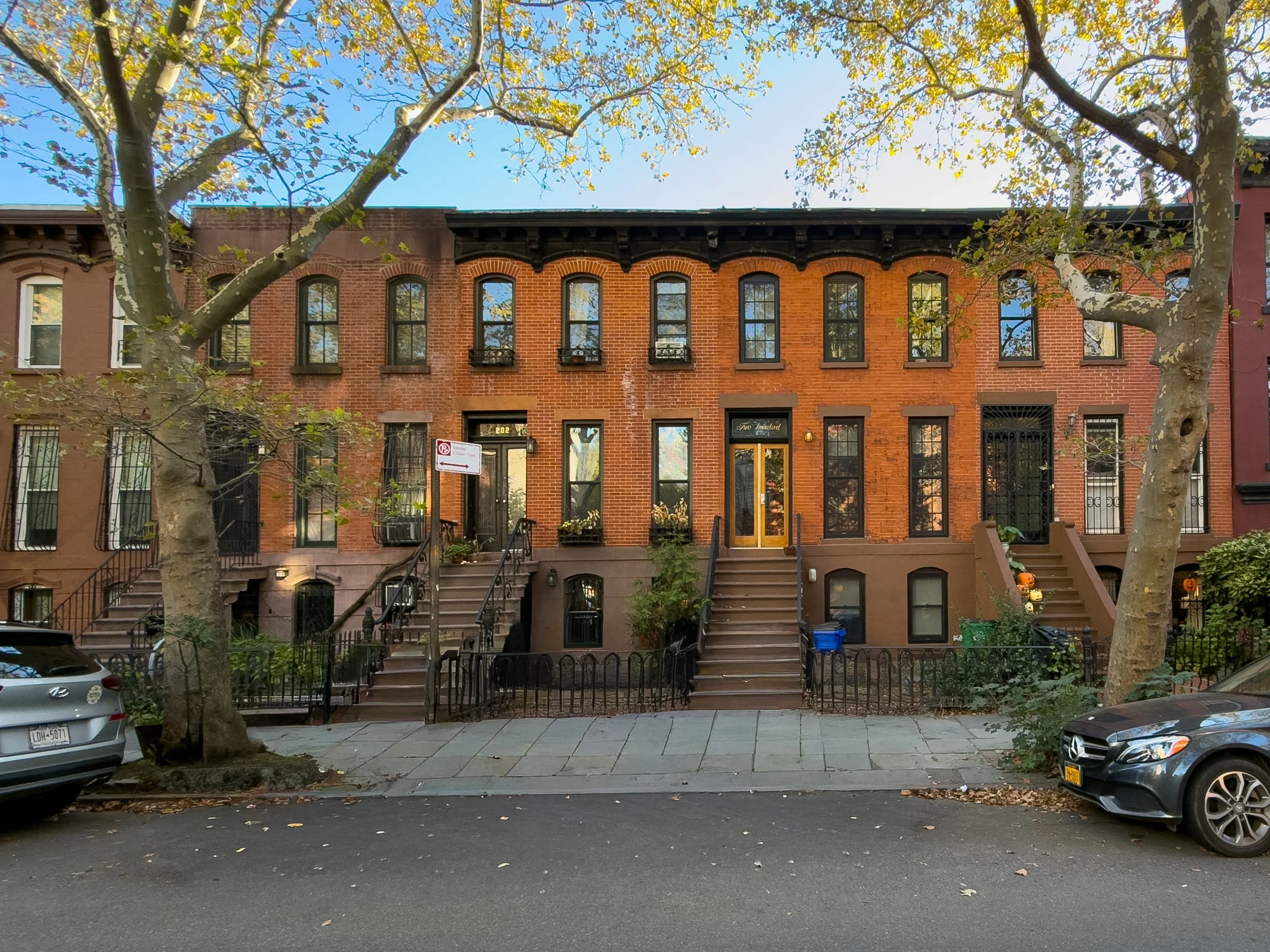
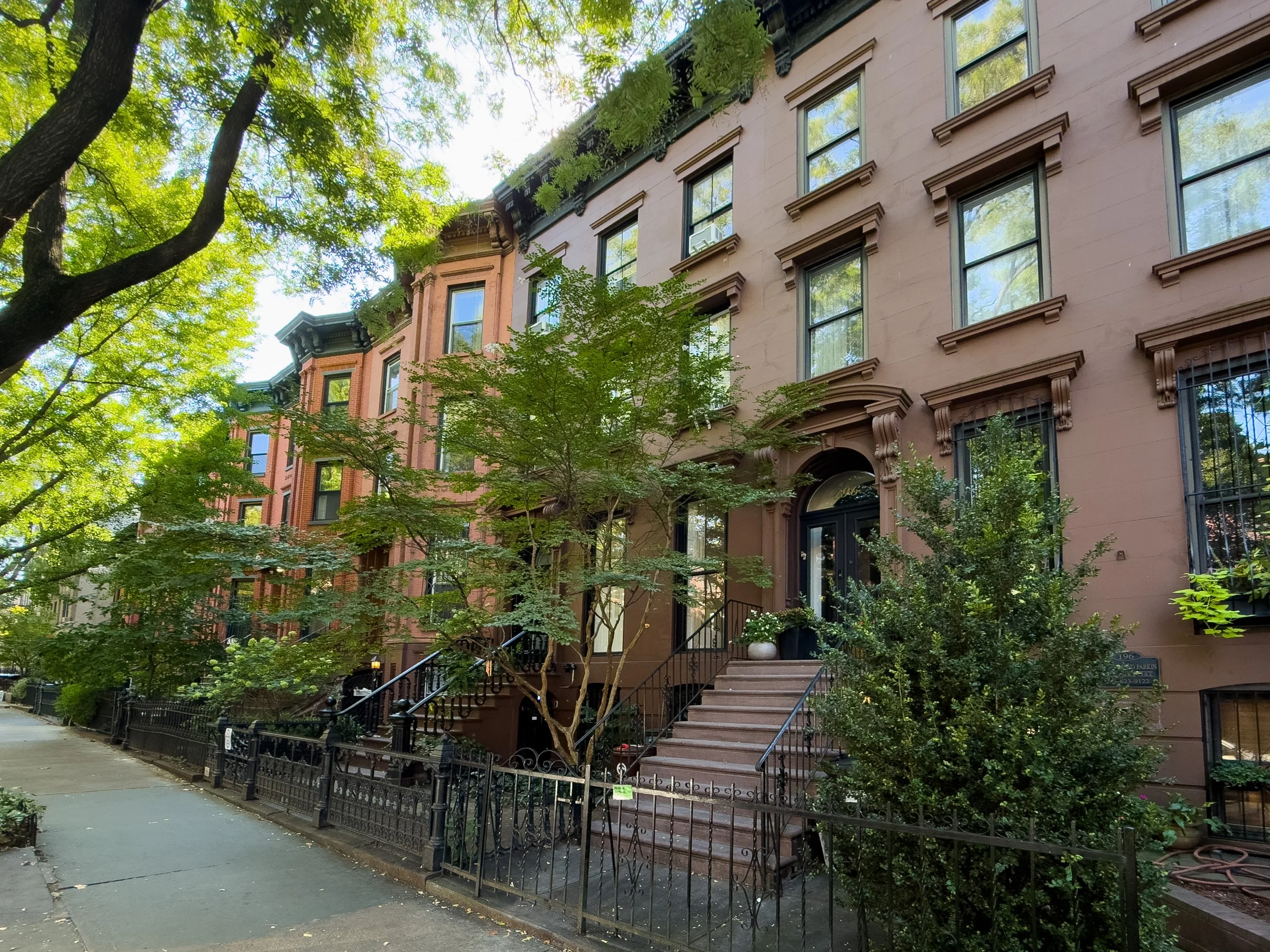
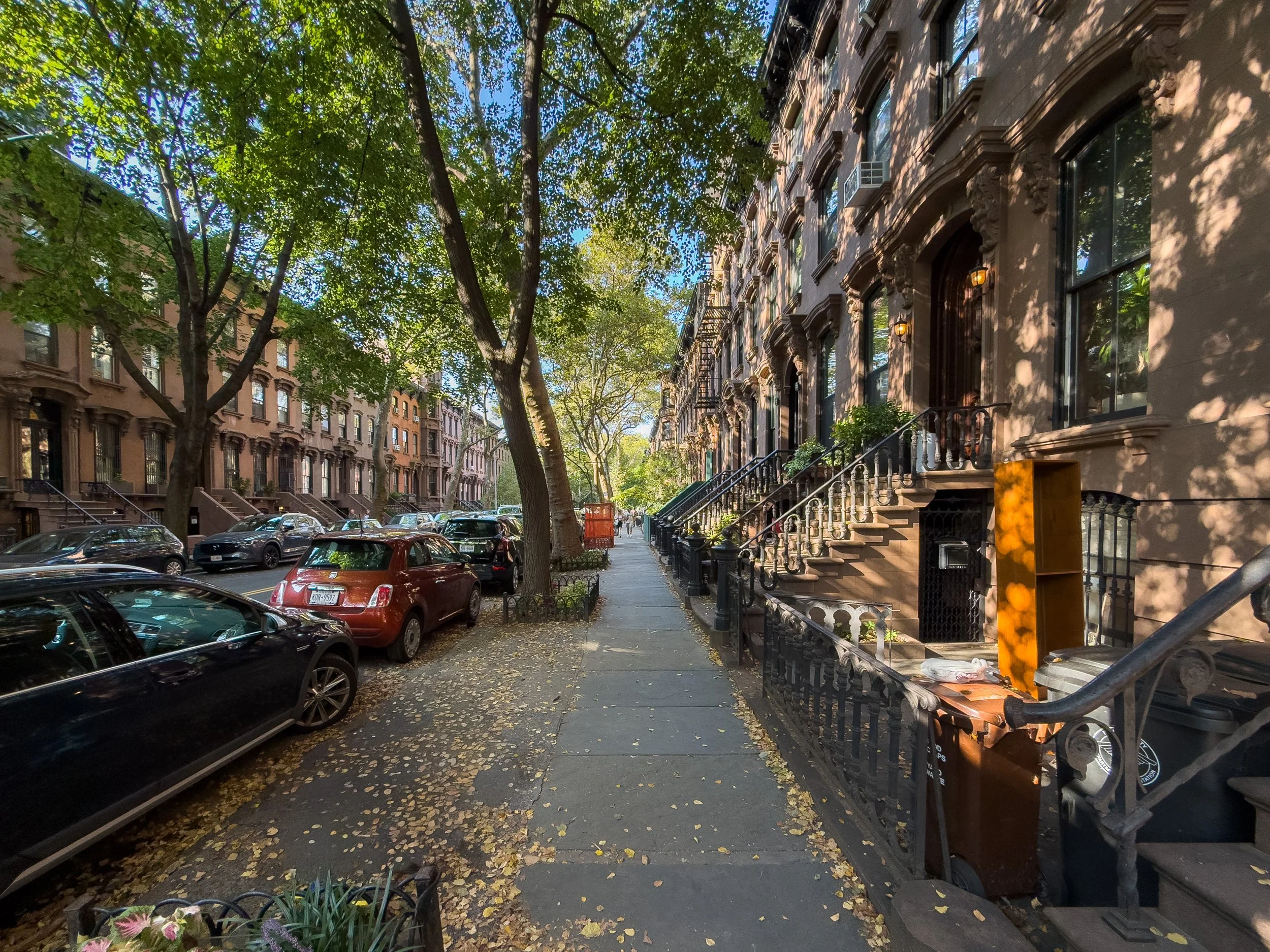
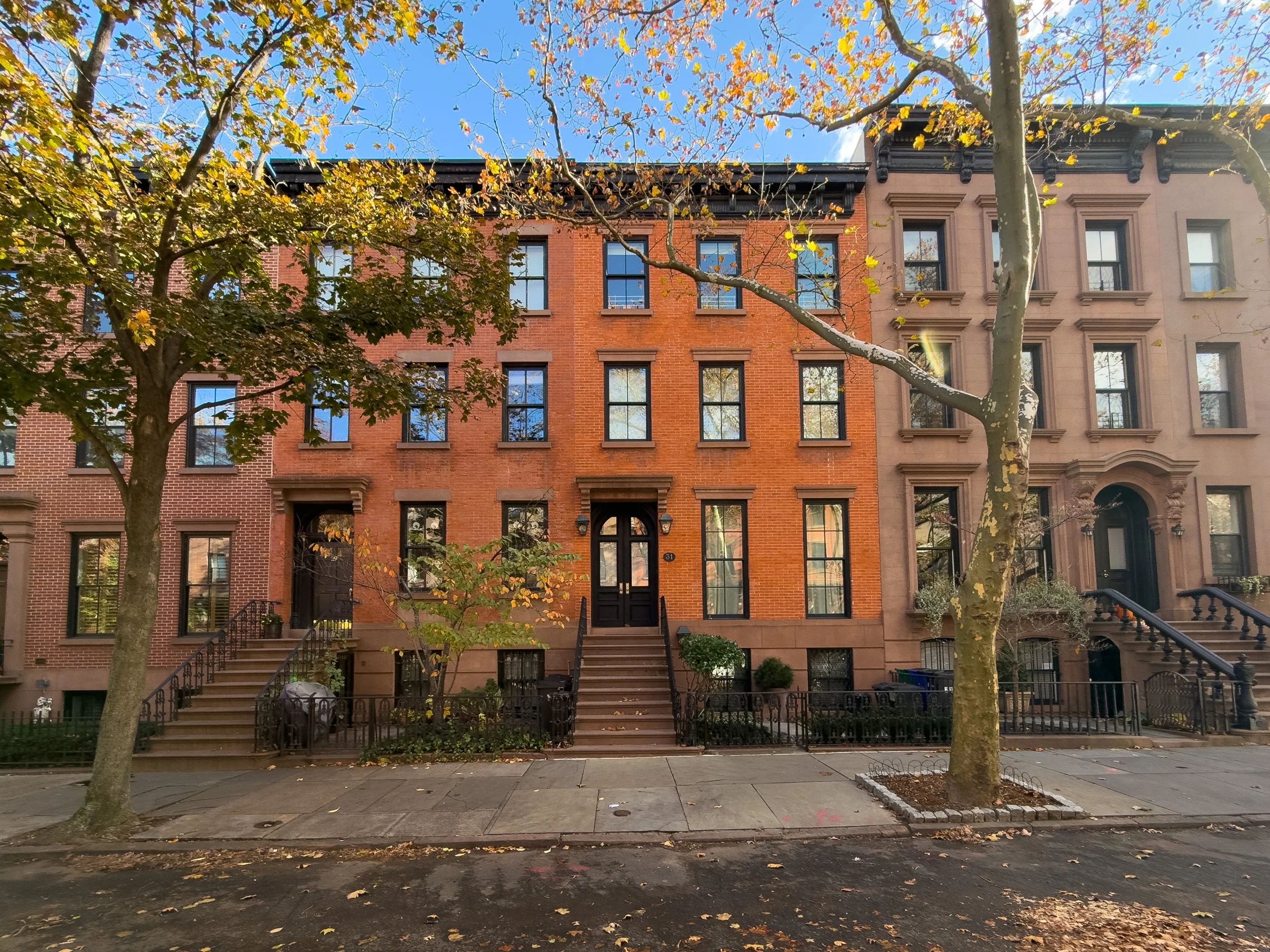
1. Neighborhood: Landmark historic district with brownstones, tree-lined streets, and skyline views from the Promenade.
2. Conveniences: Montague Street shops & cafés; Brooklyn Bridge Park; Borough Hall Greenmarket.
3. Transit: 2, 3 at Clark; A, C at High; N, R, W at Court; nearby 4, 5, F; walkable to Brooklyn Bridge. Fast commute by car to downtown Manhattan
4. Real Estate: Historic brownstones and townhouses, prewar co-ops, luxury condos near the waterfront.
The Vibe at a Glance
Brooklyn Heights combines landmark architecture with a distinctly residential character, defined by quiet streets, preserved brownstone blocks, and sweeping views from the Promenade. Daily life centers around Montague Street and the waterfront access of Brooklyn Bridge Park, creating a rhythm that feels both convenient and measured. Its proximity to Manhattan, paired with landmark protections and limited new development, reinforces a market defined by long-term ownership, architectural continuity, and consistently strong demand. Thinking of buying or selling in Brooklyn Heights? Get tailored insights into the local market—let’s start the conversation.
Brooklyn Heights, Brooklyn 11201
Neighborhood
North to South: York St. to Atlantic Ave.
East to West Furman St. to Cadman Plz W.
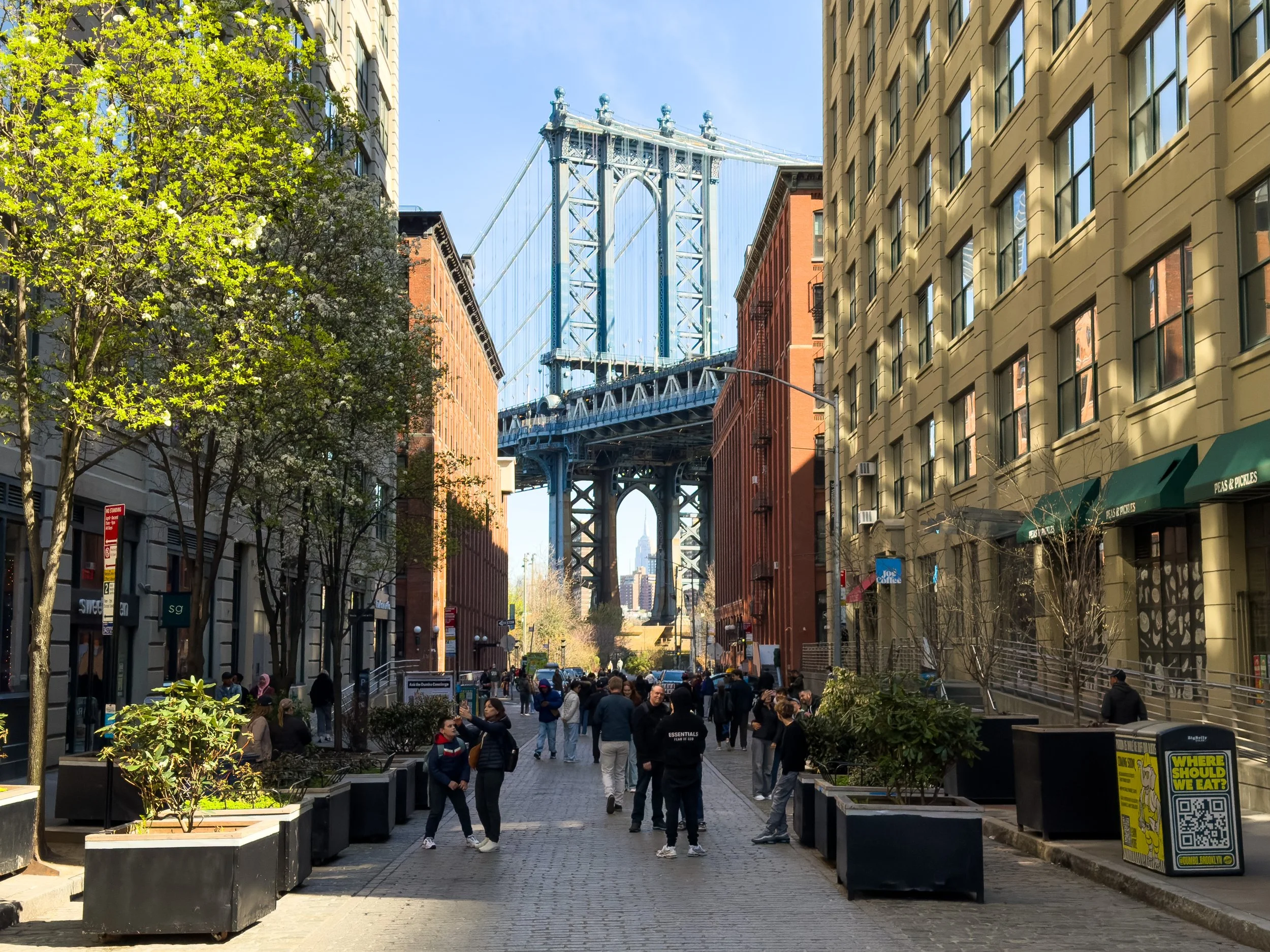
Nearby Neighborhoods: Downtown Brooklyn, Cobble Hill, DUMBO
MTA Lines
(2) (3) (A) (C) (N) (R) (W) (4) (5) (F)
Local Commute Times
Financial District: 12m train, 15m car
Union Square: 16m train, 30m car
Grand Central: 20m train, 30m car
Long Island City: 35m train, 25m car
Brooklyn Heights
Brooklyn Heights is one of New York City’s most storied and established residential neighborhoods. Just across the East River, it offers cobblestone streets, well-preserved residential blocks, and some of the most iconic skyline views in the city from the Brooklyn Heights Promenade. Designated New York’s first historic district in 1965, the neighborhood preserves more than 600 pre–Civil War homes, creating an architectural showcase of brownstones, clapboard houses, and neoclassical apartment buildings that remain well preserved today.
The neighborhood’s housing stock reflects that history. Elegant townhouses line quiet side streets, while prewar co-ops and smaller condominium conversions offer a range of ownership options within a tightly intact urban fabric. Strict landmark protections and long-term ownership patterns have limited large-scale redevelopment, contributing to consistently constrained inventory and a market shaped by asset quality rather than volume.
Today, Brooklyn Heights balances its historic identity with modern convenience. Immediate access to Brooklyn Bridge Park, the Promenade, and nearby Downtown Brooklyn adds daily amenities and strong transit connectivity without altering the neighborhood’s established character. The result is a residential enclave that combines historic architecture, waterfront access, and proximity to Lower Manhattan, making Brooklyn Heights one of Brooklyn’s most enduring and consistently sought-after communities.
Vibe and Atmosphere
Life in Brooklyn Heights feels timeless yet connected. Quiet streets with grand stoops and historic architecture set a tranquil tone, while nearby Montague Street and the waterfront introduce a steady rhythm of activity. The neighborhood has long attracted writers, professionals, and families drawn to its sense of history and understated prestige.
The Brooklyn Heights Promenade remains its defining feature, offering panoramic views of Lower Manhattan, the Statue of Liberty, the Brooklyn Bridge, and Brooklyn Bridge Park below. Residents move through the Promenade daily for morning walks, evening strolls, and quiet moments overlooking the harbor, reinforcing its role as both a civic landmark and a shared neighborhood space.
The neighborhood is also home to the Center for Brooklyn History, which preserves the borough’s stories and archives in a landmark building on Pierrepont Street. Together, they reinforce Brooklyn Heights’ reputation as a place where civic memory and architectural preservation remain central to its identity.
Despite its proximity to Downtown Brooklyn and Lower Manhattan just across the river, Brooklyn Heights maintains a distinctly residential and intimate character. On most blocks, the pace remains me


Amenities and Conveniences
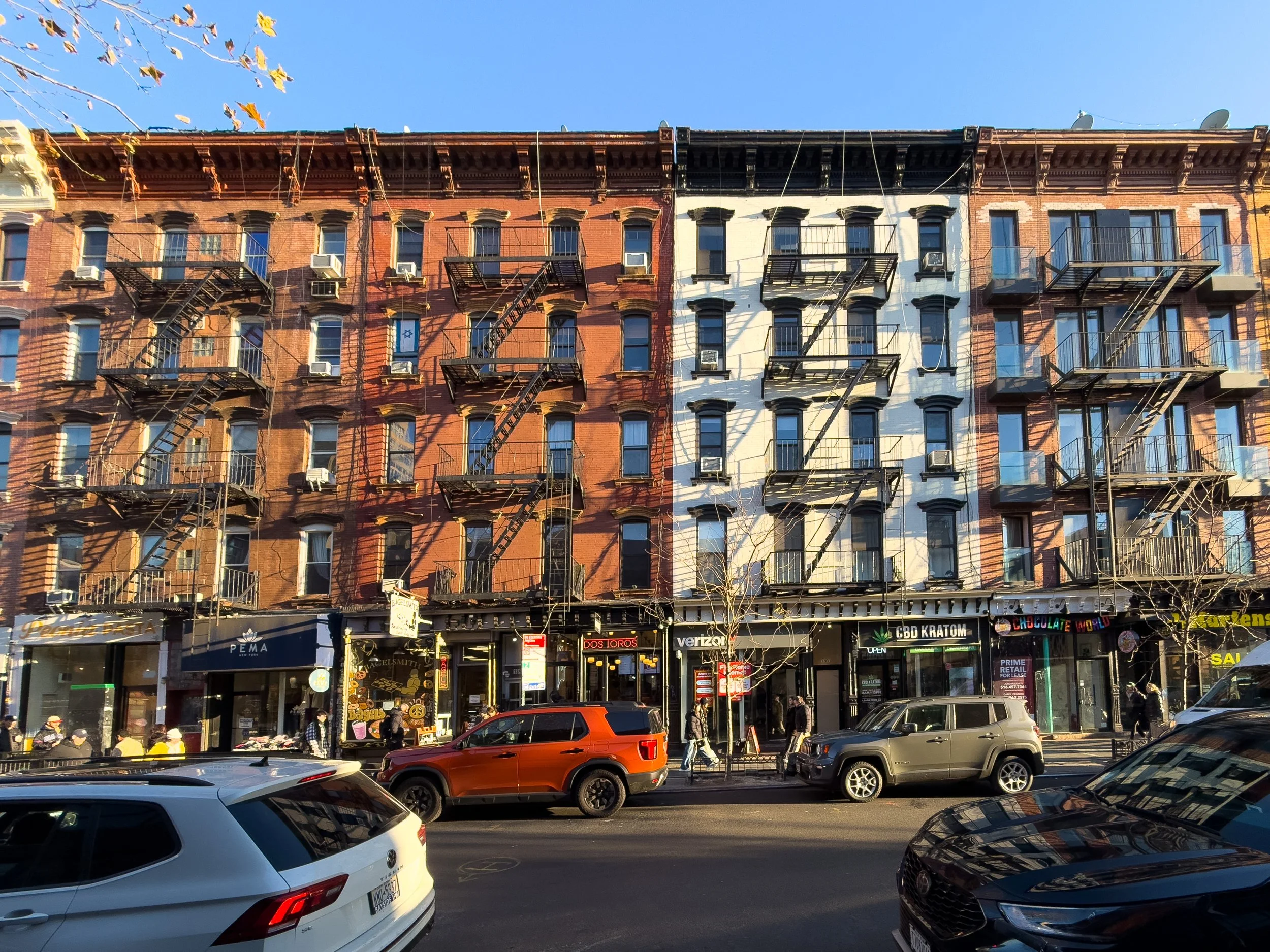
Day-to-day living in Brooklyn Heights is comfortable and self-contained. Montague Street serves as the neighborhood’s central retail corridor, home to a mix of national retailers and locally owned shops. Just a short walk away near Borough Hall, the Brooklyn Borough Hall Greenmarket operates three days a week, offering fresh produce, baked goods, and plants, while specialty food stores and wine shops throughout the area add further variety.
Parks and open spaces are abundant. The Brooklyn Heights Promenade provides sweeping harbor views and a quiet place for daily walks, while nearby Cadman Plaza and Walt Whitman Park offer additional green space at the neighborhood’s eastern edge. Along the waterfront, Brooklyn Bridge Park has transformed former industrial piers into one of the city’s most ambitious public spaces. The 85-acre park includes playgrounds, sports courts, dog runs, kayak launches, rolling lawns, and bike paths, all framed by views of Lower Manhattan and the Brooklyn Bridge. Piers 2, 5, and 6 host basketball courts, picnic areas, playgrounds, and volleyball courts, while the Squibb Park Bridge connects the park directly to Brooklyn Heights above.
For health and wellness, residents have access to Mount Sinai Doctors Brooklyn Heights and nearby NYU Langone facilities, along with boutique gyms, yoga studios, and community fitness programs throughout the neighborhood.
Dining and Shopping
Brooklyn Heights’ dining scene reflects the neighborhood’s residential character, with cozy restaurants, bakeries, and casual cafés rather than late-night nightlife. Popular stops include Henry’s End, a long-standing neighborhood favorite; Noodle Pudding, known for hearty Italian fare; and Colonie, offering seasonal menus in a stylish setting. Montague Street has seen a wave of new energy, with L’Appartement 4F drawing crowds for its French pastries, Lassen & Hennigs continuing its legacy as a classic deli and caterer, and newcomers like Blank Street Coffee joining established cafés such as Joe Coffee Company. For groceries and everyday shopping, Key Food on Montague Street is a central stop. A neighborhood standout, the Brooklyn Cat Café combines coffee and community with adoptable rescue cats, adding a quirky and beloved local touch.
Shopping is equally well-rounded. Montague Street anchors most of it, blending national names with independent boutiques, bookstores, specialty shops, and conveniently located neighborhood amenities. Specialty destinations like Books Are Magic and curated home and fashion stores add local character. Residents also have quick access to the Brooklyn Borough Hall Greenmarket, held three days a week and offering farm-fresh produce, baked goods, and plants. For a larger retail experience, Downtown Brooklyn’s department stores and malls are just minutes away.
Transportation
Transit access is one of Brooklyn Heights’ strongest assets. The neighborhood is served by multiple subway lines, with just one stop into Lower Manhattan via the Clark Street (2) (3), High Street (A) (C), and nearby Court Street–Borough Hall (N) (R) (W) (2) (3) stations, along with additional access to the (4) (5) and (F) lines a short walk away. This makes commutes into Manhattan or other parts of Brooklyn straightforward, with the Financial District just one subway stop away.
For drivers, access to both the Brooklyn Bridge and Manhattan Bridge provides direct routes into Manhattan, along with connections to the Brooklyn-Queens Expressway (I-278) for travel throughout Brooklyn, Queens, and beyond. Citi Bike stations are distributed throughout the neighborhood, and Brooklyn Heights’ compact layout supports easy movement between the Promenade, Brooklyn Bridge Park, Montague Street, and nearby transit hubs.
Schools
Public schools include PS 8 Robert Fulton, a highly regarded elementary school serving local families. Private options are plentiful: Saint Ann’s School (pre-K through high school) is one of the city’s top independent schools, while Packer Collegiate Institute, dating back to 1845, offers K–12 education.
Families also benefit from proximity to Downtown Brooklyn and Cobble Hill, where additional public, charter, and private school options expand the broader educational landscape. While there are no major higher-education institutions located directly within Brooklyn Heights, nearby campuses such as NYU Tandon School of Engineering and St. Francis College contribute to the area’s broader academic presence.
Real Estate Insights
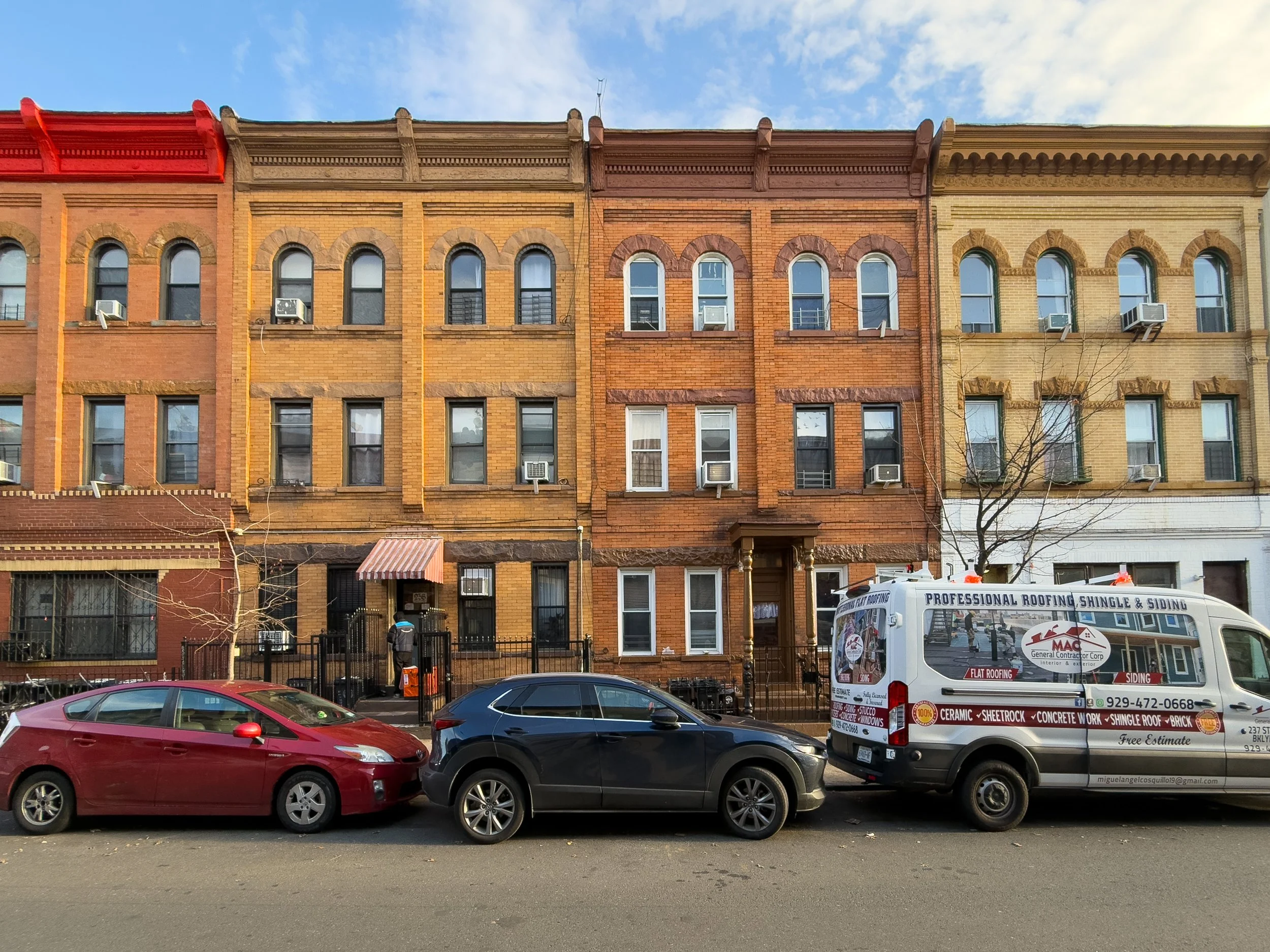
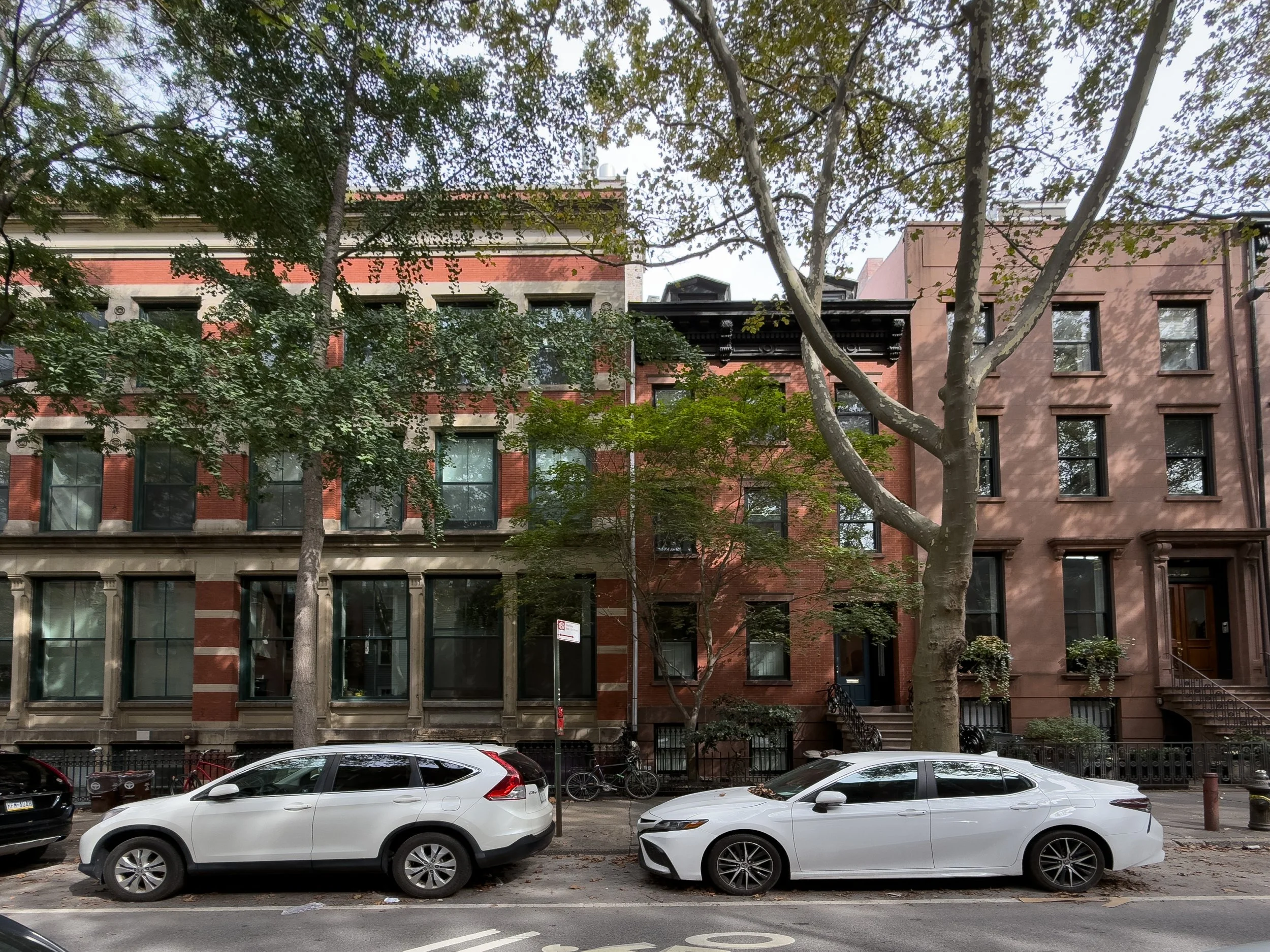
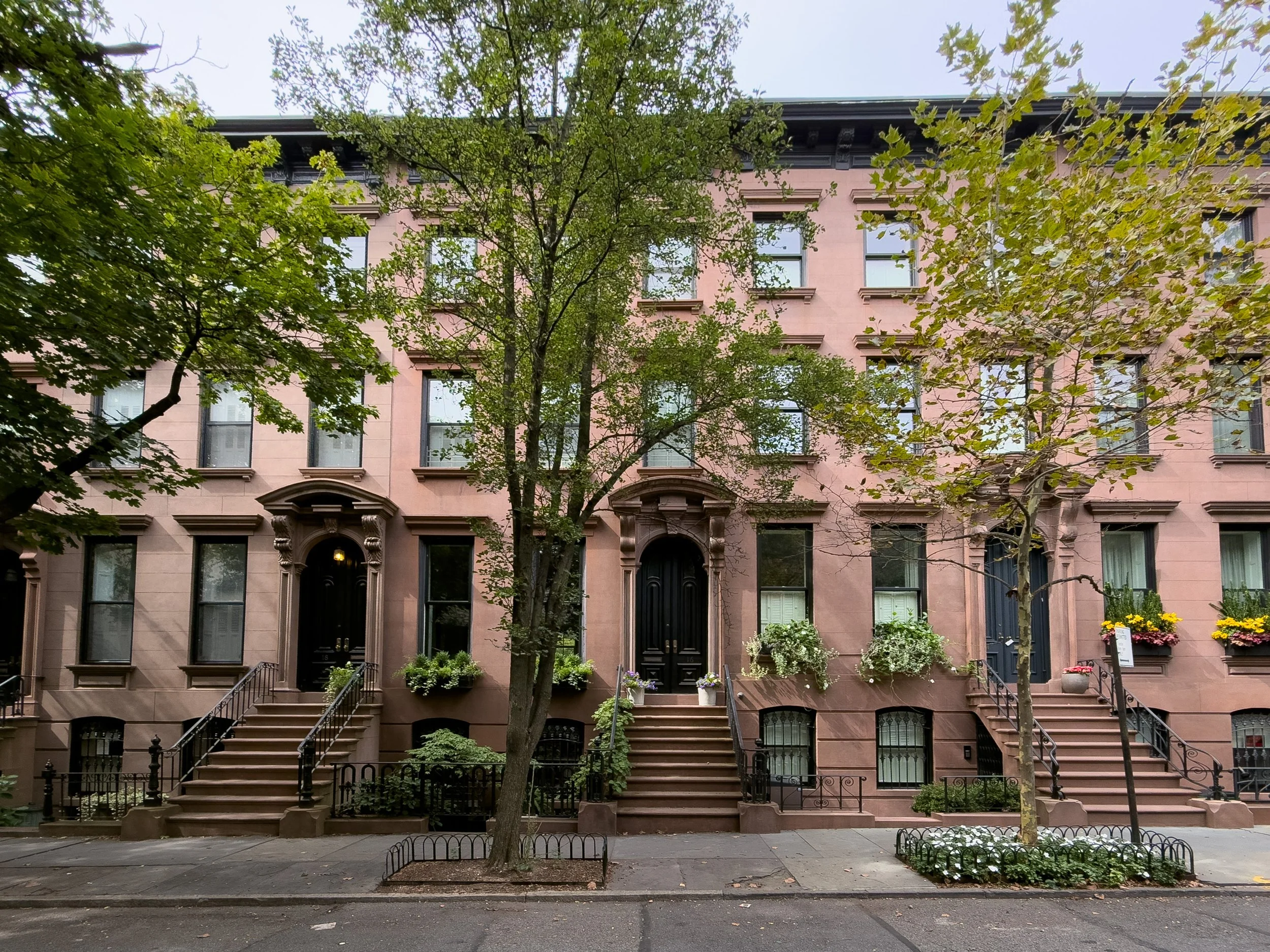
Brooklyn Heights is one of Brooklyn’s most established and tightly held residential markets. Its housing stock is defined by landmarked brownstones, historic townhouses, and a substantial inventory of prewar co-ops, with limited new development due to preservation constraints.
Ownership patterns tend to be long-term, and available inventory is often constrained. As a result, pricing is shaped less by transaction volume and more by asset quality, building characteristics, and unit-level attributes. Co-ops account for the majority of transactions, while condo supply remains limited and typically commands a premium, particularly near the waterfront and along the neighborhood’s northern edge.
Sales Market At A Glance (2025)
Average home value (ZHVI): ~$1.45M (+7.8% YoY)
Median sale price (closed sales): ~$900K
Median price per square foot: ~$1,500
Residential breakdown (Q4 2025): Condos ~$2.9M / Co-ops ~$735K
Sources: Zillow Home Value Index (Feb 2026); PropertyShark Q4 2025 data




Trends
Pricing in Brooklyn Heights reflects a wide dispersion across property types, with co-ops accounting for the majority of transactions and anchoring the median sale price, while condos and townhouses trade at significantly higher levels. This dynamic can make headline pricing appear lower than the broader value profile of the neighborhood, particularly when compared to blended measures such as average home values.
Because supply is limited and turnover remains relatively low, pricing tends to respond more to individual asset characteristics than to broader shifts in volume. New development remains selective, with most recent activity concentrated near Brooklyn Bridge Park and the Downtown Brooklyn border, introducing modern product into an otherwise historic housing stock. Marketing timelines can also vary meaningfully depending on pricing and property type.
Demand continues to center on fundamental attributes rather than short-term market shifts. Layout, natural light, and building financials remain primary drivers of buyer decision-making, particularly within the co-op segment. While pricing can fluctuate in response to broader conditions, Brooklyn Heights has historically functioned as a relatively stable submarket within Brooklyn, supported by its location, architectural continuity, and consistent buyer profile.=
Final Thoughts
Brooklyn Heights offers a rare combination: landmark historic architecture, sweeping waterfront views, and immediate proximity to Manhattan. It attracts buyers and residents who want elegance, cultural depth, and community in one of New York’s most iconic settings. While prices are among the highest in Brooklyn, the neighborhood’s historic character and lasting prestige ensure its long-term desirability.
At the same time, the neighborhood feels remarkably self-contained and tranquil. Walking its tree-lined blocks, you sense the history and culture of New York City, yet the pace is calmer—a retreat from the constant motion of the city just across the river. Despite its popularity with visitors, Brooklyn Heights remains very much a local neighborhood, offering peace and community for those who live there. For New Yorkers, that contrast is especially evident in the fall, when the trees and waterfront views are at their most striking.
Thinking of buying or selling in Brooklyn Heights? Get tailored insights into the local market or request a complimentary CMA. Reach out — let’s start the conversation.
For more NYC real estate guides, visit the Resources & Insights hub for tips designed to help buyers and sellers navigate the Brooklyn Heights real estate market.
Related Brooklyn Neighborhood Guides