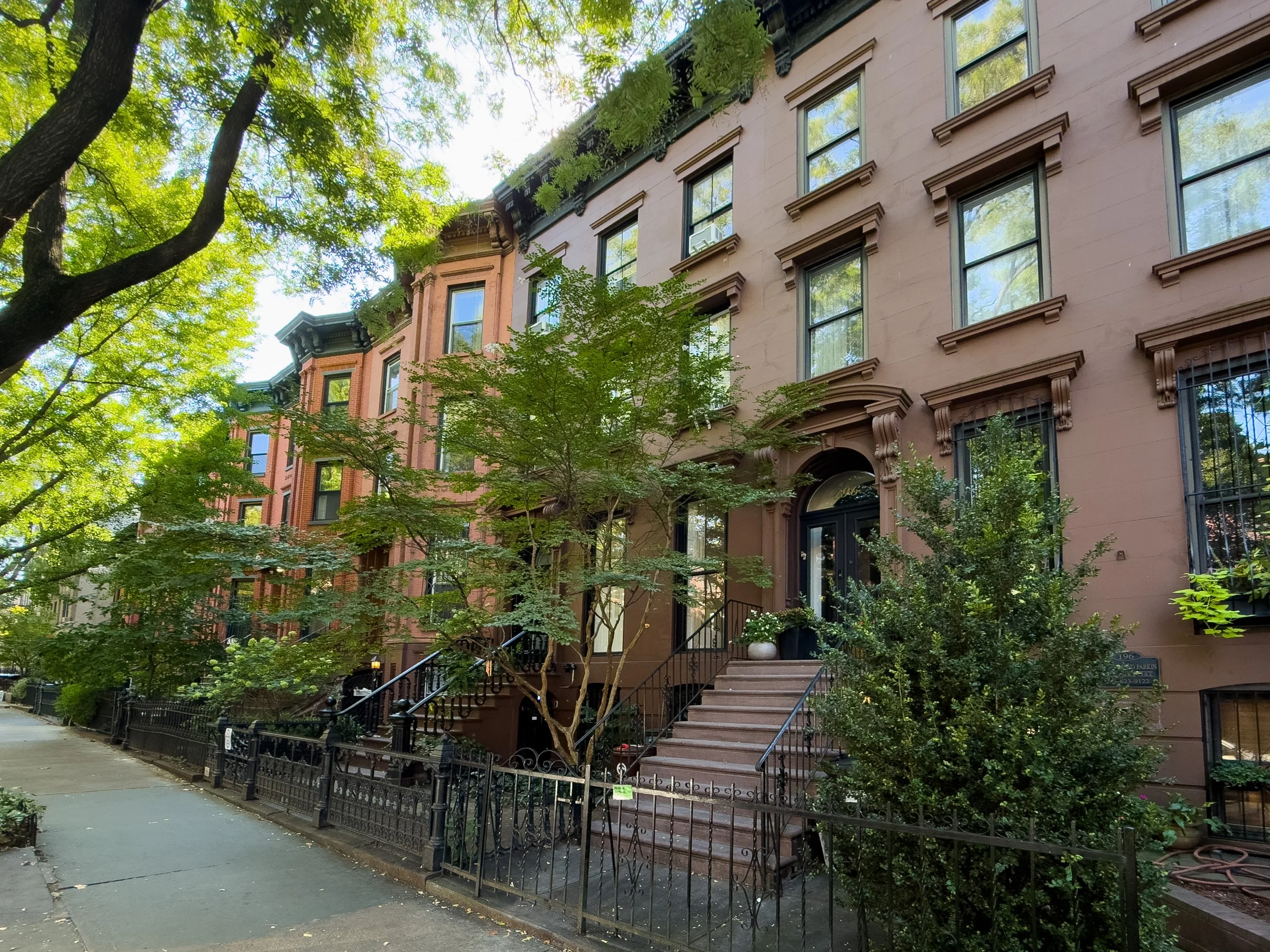
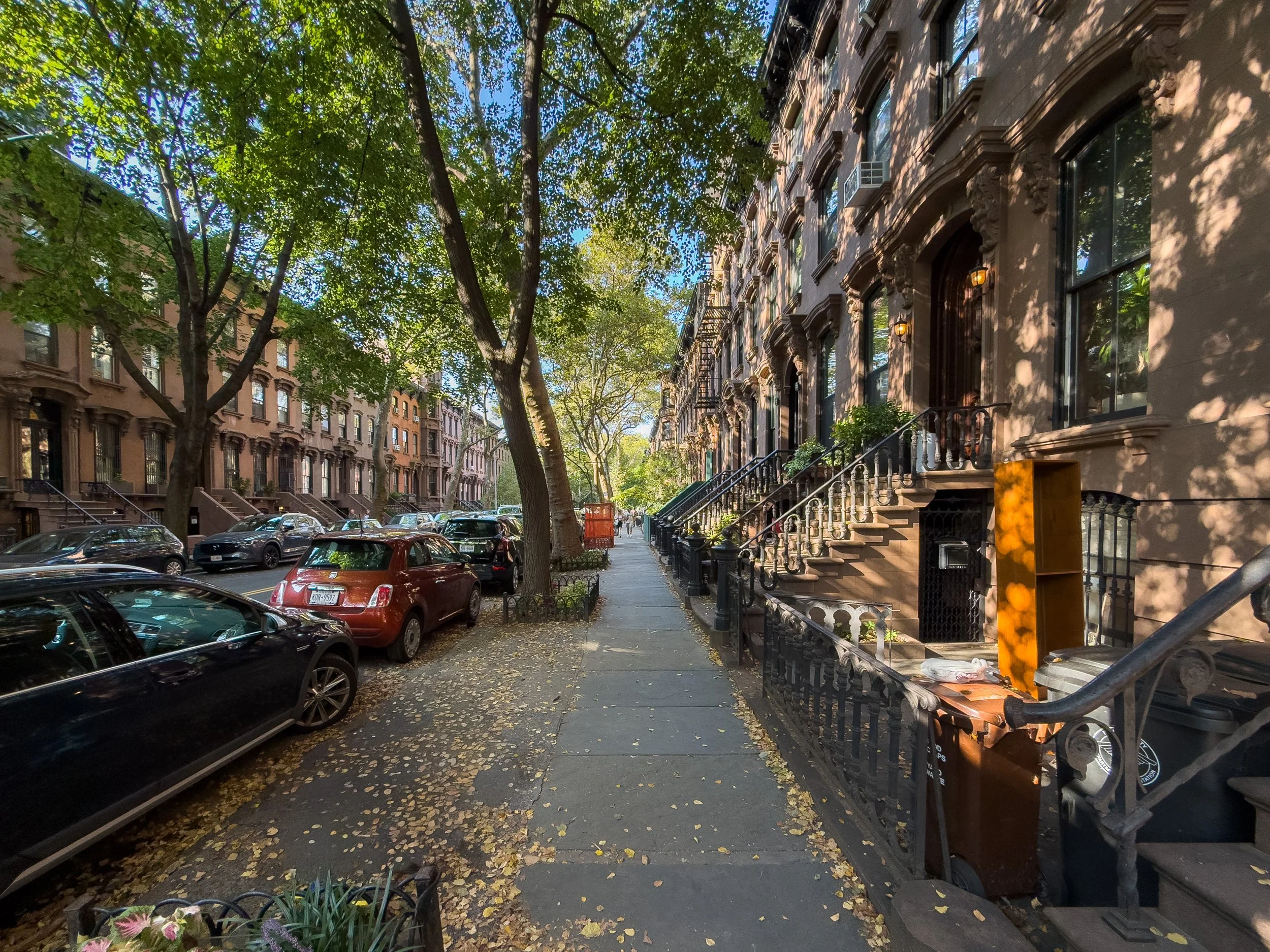
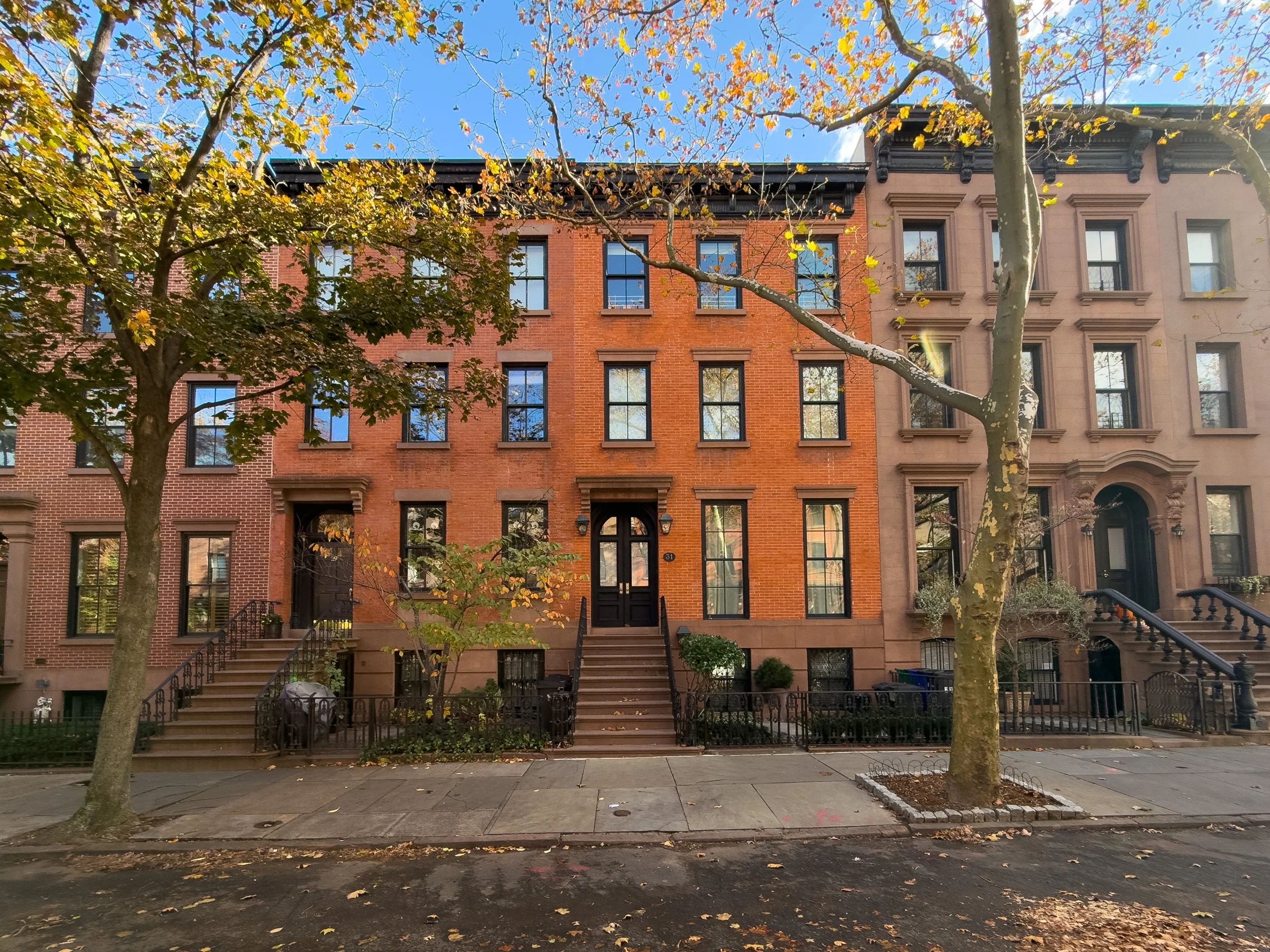
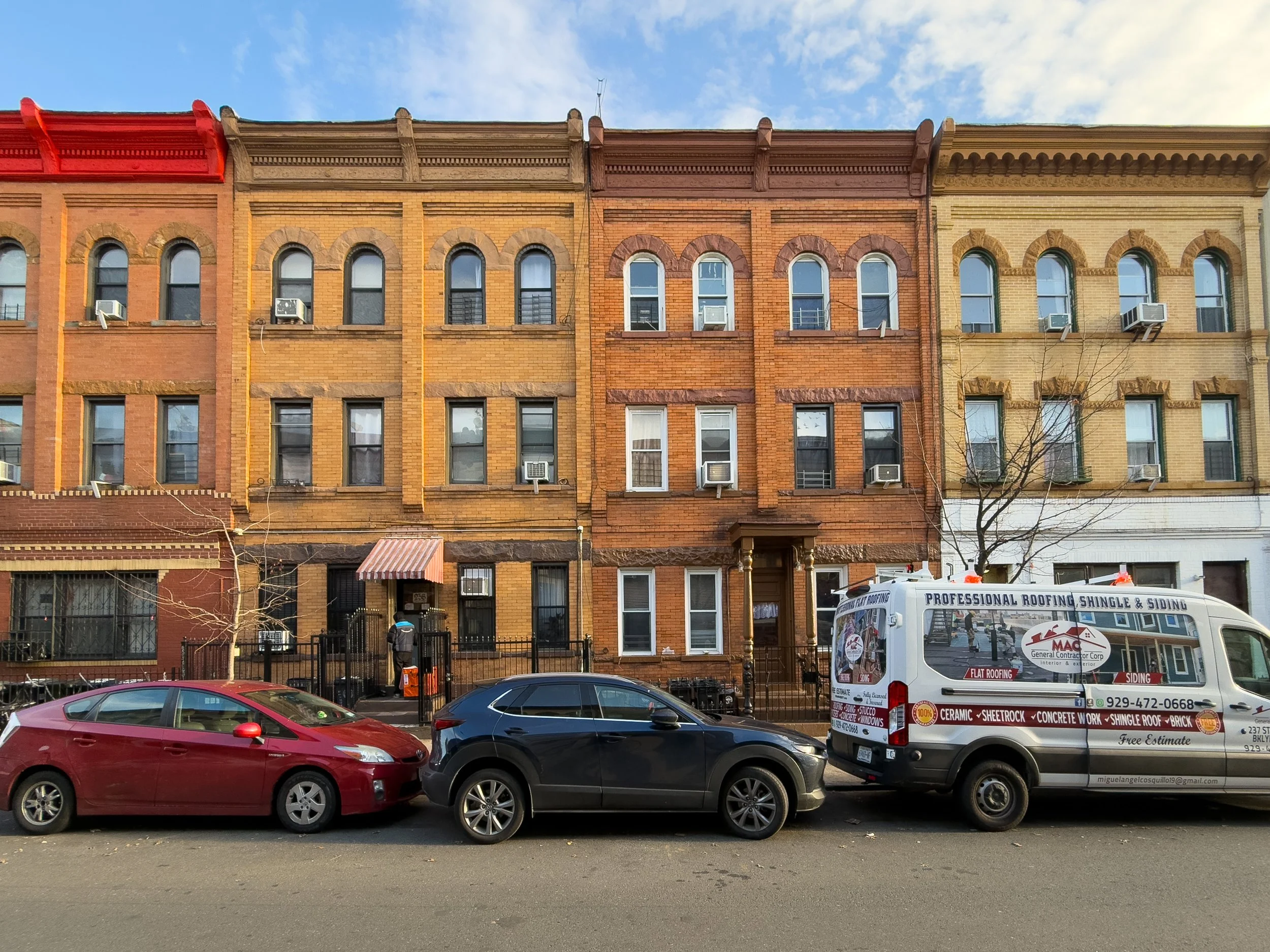
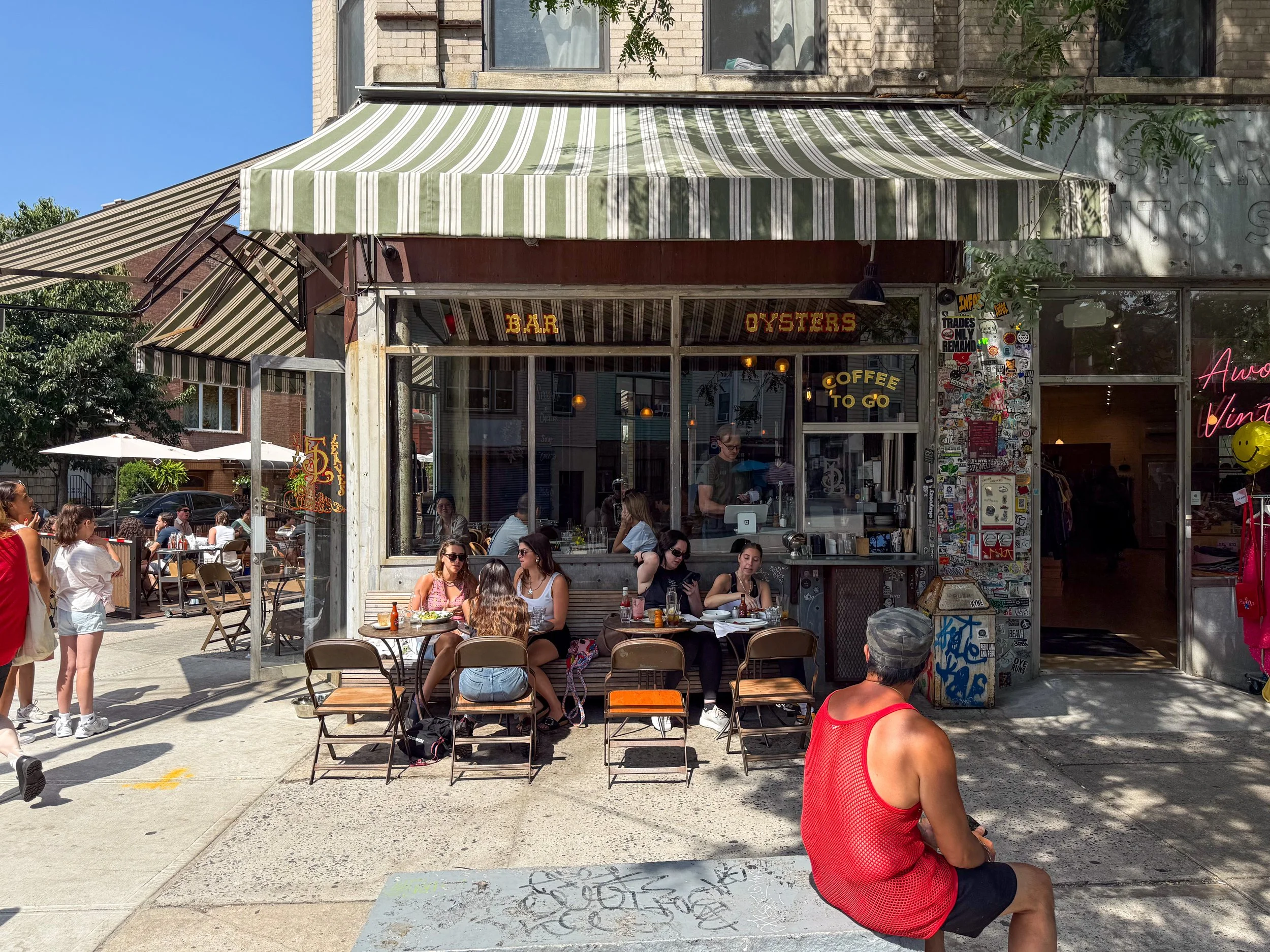
Williamsburg, Brooklyn
Defined by ongoing development and deep-rooted character, Williamsburg pairs waterfront growth with interior residential streets, offering buyers both variety and long-term relevance within Brooklyn’s most actively evolving market.
Williamsburg
1. Neighborhood: A large, evolving Brooklyn neighborhood shaped by waterfront redevelopment, historic interior blocks, and a mix of old industrial fabric and contemporary residential growth.
2. Conveniences: Domino Park, East River State Park, McCarren Park, neighborhood greenmarkets, cafés, creative spaces, and everyday services distributed across a highly walkable footprint.
3. Transit: L train backbone with J, M, G, and Z lines, East River ferry service, Citi Bike access, and strong connectivity to Manhattan and North Brooklyn.
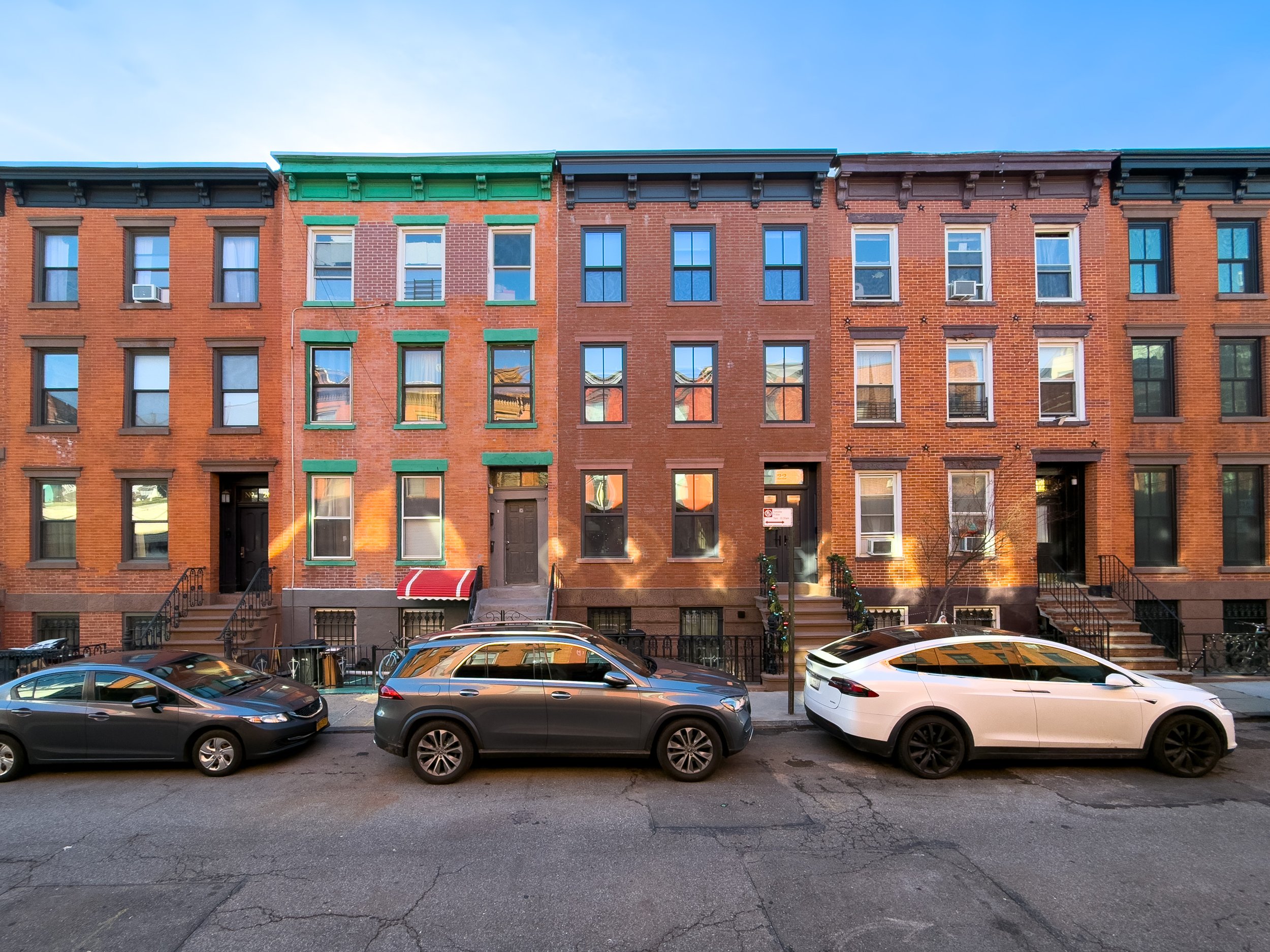
4. Real Estate: Prewar walk-ups, townhouses, loft conversions, boutique condos, and large-scale waterfront developments creating a wide range of housing types, price points, and buyer profiles.
The Vibe at a Glance
Williamsburg blends momentum with livability, offering a neighborhood where large-scale development and longstanding residential life coexist. Waterfront towers, parks, and skyline views define one edge of the neighborhood, while interior streets retain a more textured, community-driven feel shaped by converted warehouses, low-rise buildings, and everyday routines. Creative energy, transit access, and ongoing residential expansion continue to shape the market, making Williamsburg one of Brooklyn’s most dynamic places to live — and one of its most closely watched real estate landscapes. Thinking of buying or selling in Williamsburg? Get tailored insights on pricing, timing, and strategy—let’s start the conversation.
Williamsburg, Brooklyn 11211
Neighborhood
North to South: Nassau Ave. to Flushing Ave.
East to West: Woodpoint Rd. & Bushwick Ave. to Kent Ave. & East River
Nearby Neighborhoods: East Williasburg, Greenpoint, Bushwick, Bedford-Stuyvesant
MTA Subway Lines
(L) (J) (M) (Z) (G) FERRY
Local Commute Times
Financial District: 21m train, 24m car
Downtown Brooklyn: 15m train, 28m car
Union Square: 20m train, 26m car
Grand Central: 32m train, 35m car
Williamsburg
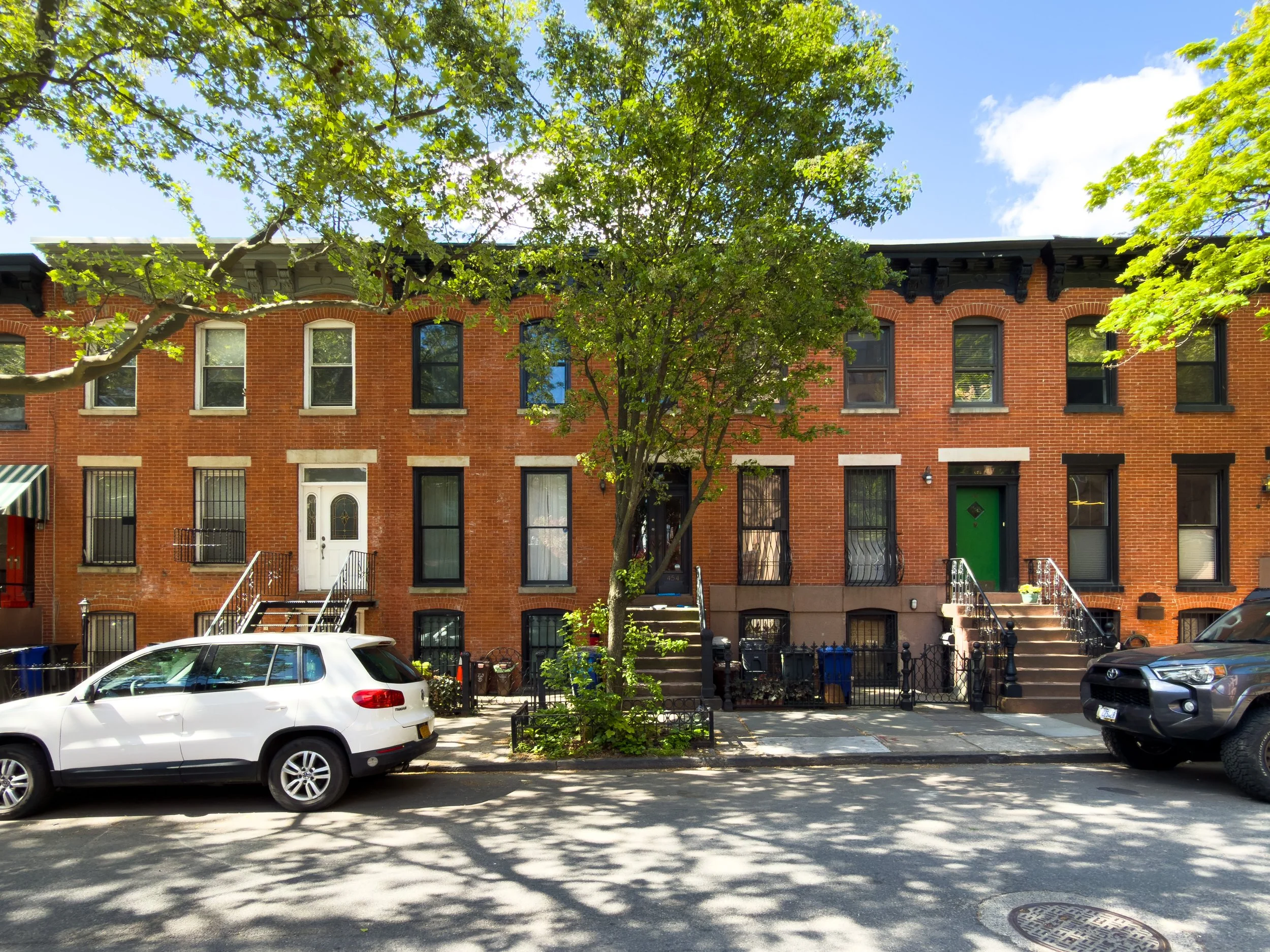
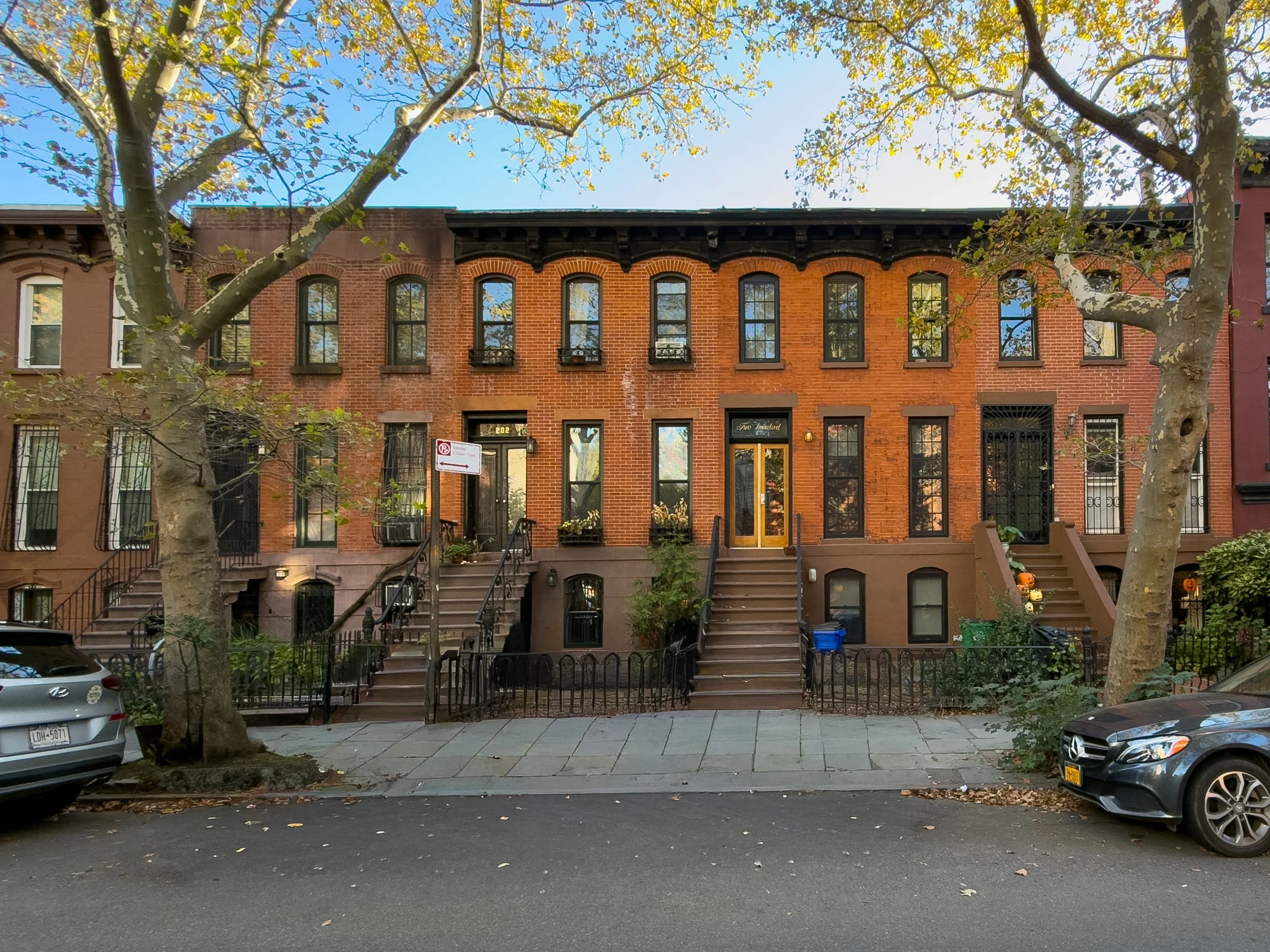
Williamsburg has become one of Brooklyn’s most dynamic and closely watched residential markets, shaped by the convergence of historic housing stock, adaptive reuse, and large-scale development that has steadily transformed the neighborhood over the past two decades. Once defined primarily by industrial uses and working-class housing, Williamsburg today presents a layered residential landscape where prewar townhouses, walk-up buildings, converted lofts, boutique condominiums, and prominent waterfront developments coexist — often within the same few blocks.
A defining force behind this evolution has been the reimagining of the East River waterfront. Former manufacturing sites and warehouses have given way to residential towers, mixed-use complexes, and publicly accessible green space, reshaping both the skyline and the way residents engage with the neighborhood. Projects along the waterfront — paired with new parks and continuous esplanades — have anchored Williamsburg’s emergence as a high-density, transit-connected residential hub while reinforcing long-term demand for nearby interior blocks.
Geographically, Williamsburg covers a broad and varied footprint, extending well beyond its most visible corridors. While the Bedford Avenue spine and the waterfront often dominate public perception, the neighborhood stretches east toward Bushwick and south toward long-established residential enclaves, where building scale, pricing, and buyer profiles can differ meaningfully. Newer condo development continues to push eastward, gradually redefining the neighborhood’s boundaries and expanding its housing inventory. This range — from landmarked low-rise streets to newly built residences — has made Williamsburg especially compelling to buyers seeking urban energy, architectural variety, strong transit access, and long-term market relevance within Brooklyn’s most actively evolving neighborhoods.
Vibe and Atmosphere
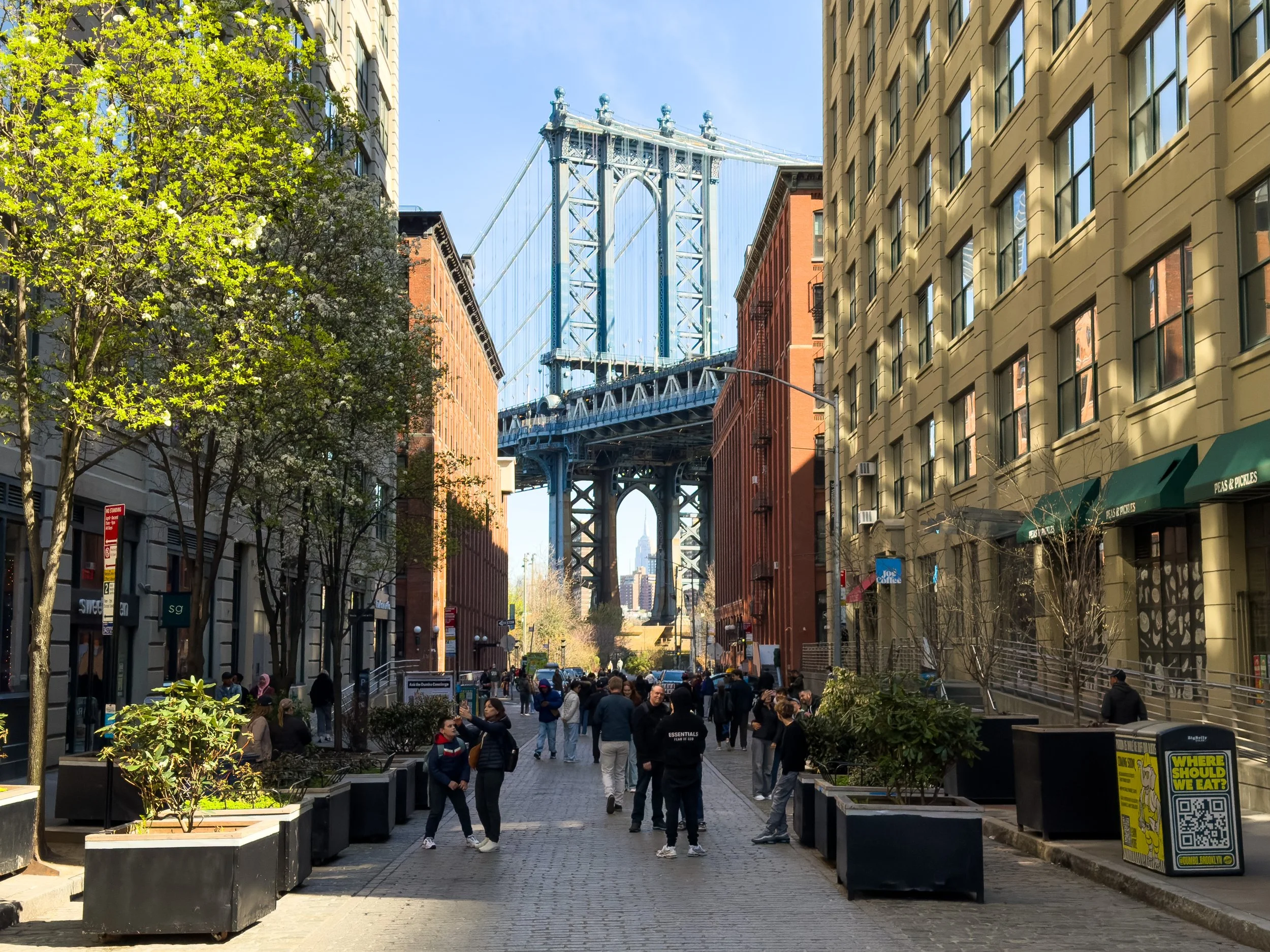
Williamsburg’s atmosphere is energetic, creative, and constantly evolving — but it’s not monolithic. The neighborhood carries multiple identities at once. Along the East River, glassy residential towers, parks, and promenades frame skyline views and a more polished, contemporary lifestyle shaped by waterfront living. Inland, the streets feel more textured and layered, with low-rise buildings, converted warehouses, community institutions, and longtime residents shaping daily life at a more grounded pace.
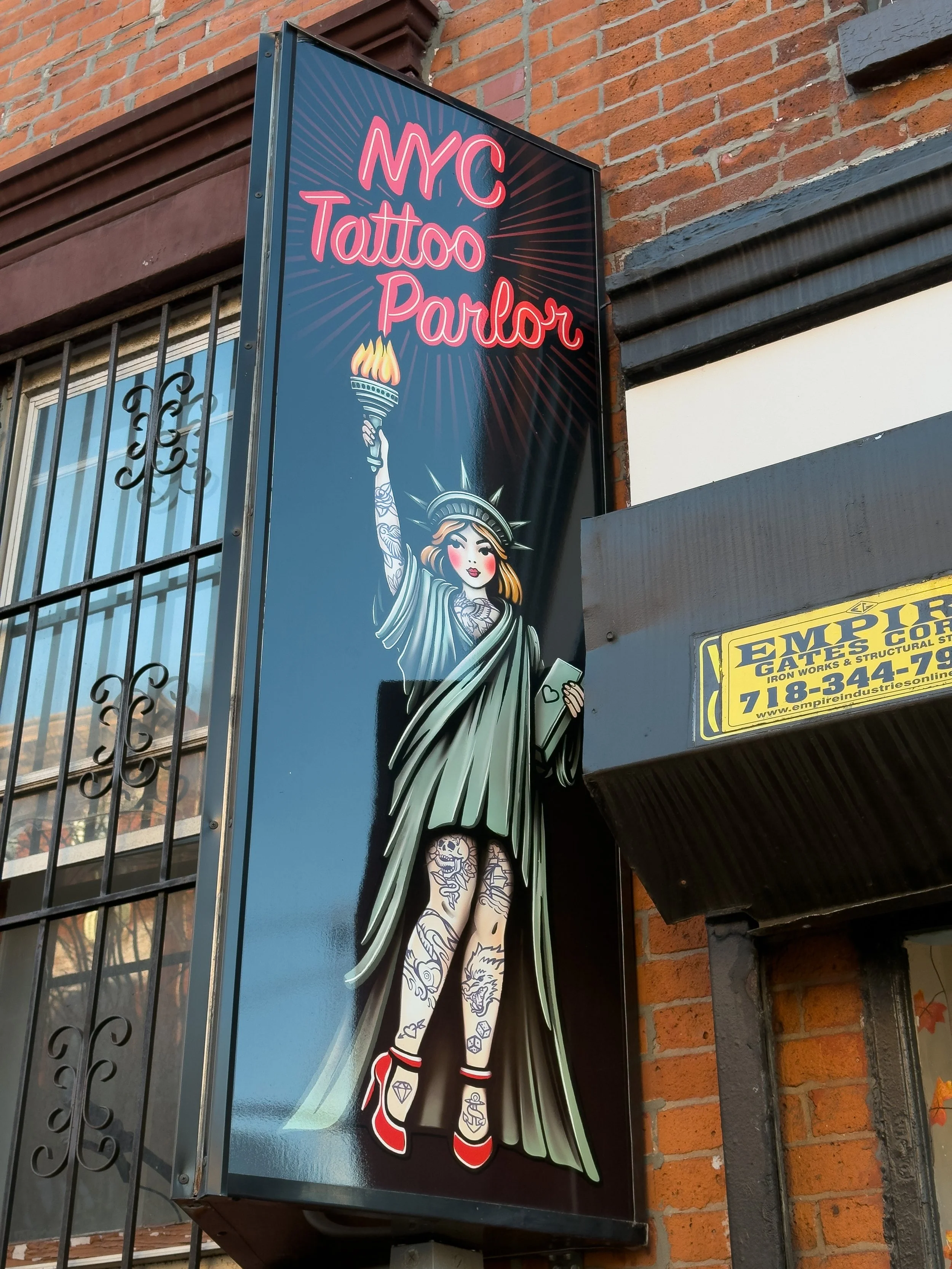
The neighborhood’s creative legacy remains deeply embedded in its character. Williamsburg’s rise as an arts and music hub in the 1990s left a lasting imprint that still informs its street culture, retail mix, and visual language — visible in galleries, studios, independent shops, and public art woven throughout the streetscape. While large-scale rezoning and development have shifted the economic center of gravity toward the waterfront and major corridors, the neighborhood continues to attract artists, designers, and creative professionals alongside families and longtime residents.
Daily life in Williamsburg shifts subtly throughout the week. Weekdays tend to feel residential and routine-driven, with cafés, parks, and side streets serving as informal gathering places for locals. On weekends, energy concentrates along Bedford Avenue, near the waterfront, and around key commercial corridors, drawing visitors from across the city — yet the neighborhood rarely feels overwhelmed. Just a block or two off the main arteries, streets return quickly to a quieter rhythm.
Despite its global recognition, Williamsburg retains a strong sense of place. The scale of many interior blocks, the mix of old and new buildings, and the persistence of local routines give the neighborhood a lived-in quality that tempers its visibility. It’s this balance — between movement and familiarity, reinvention and continuity — that defines Williamsburg’s atmosphere today.
Amenities and Conveniences
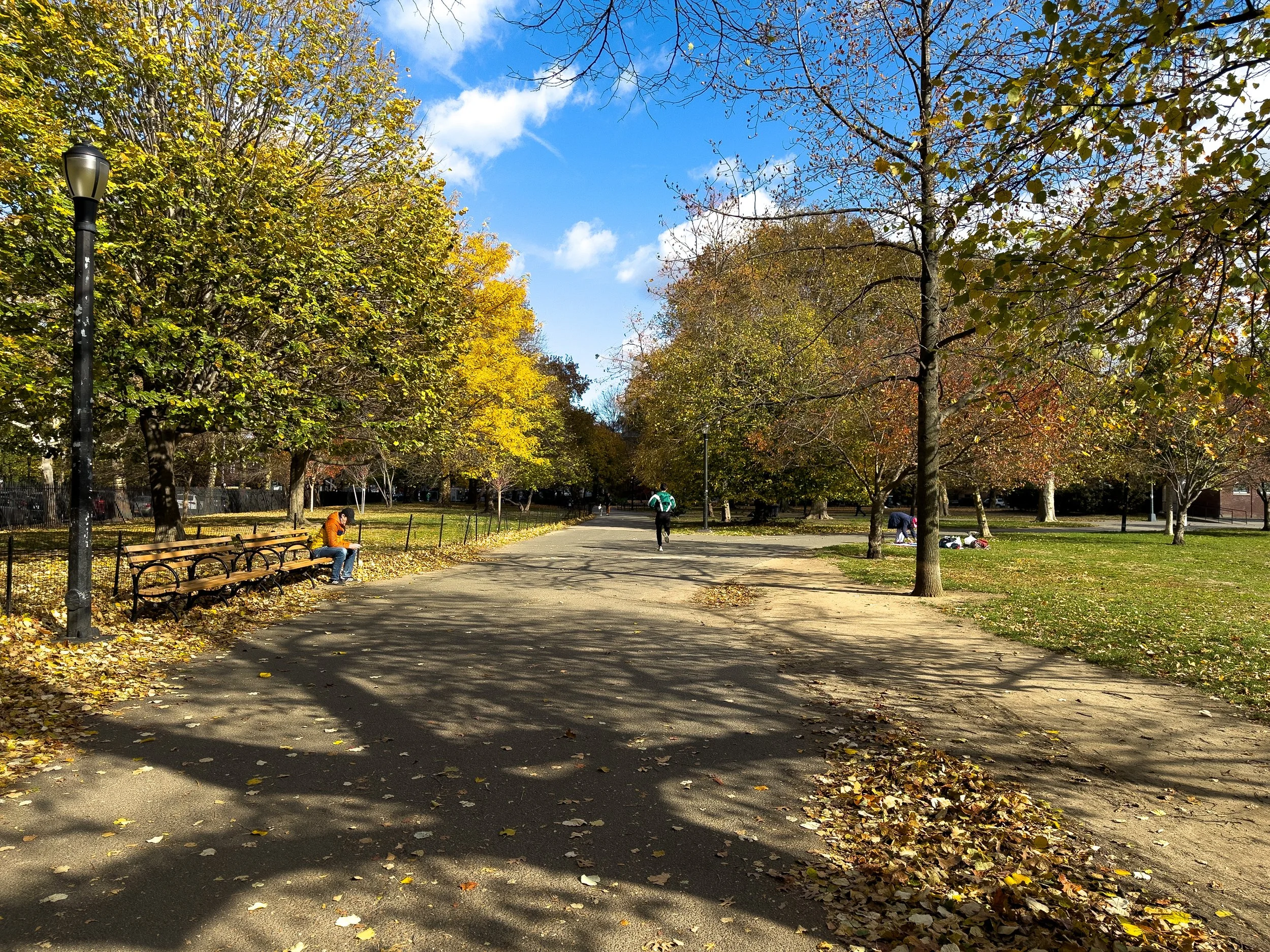
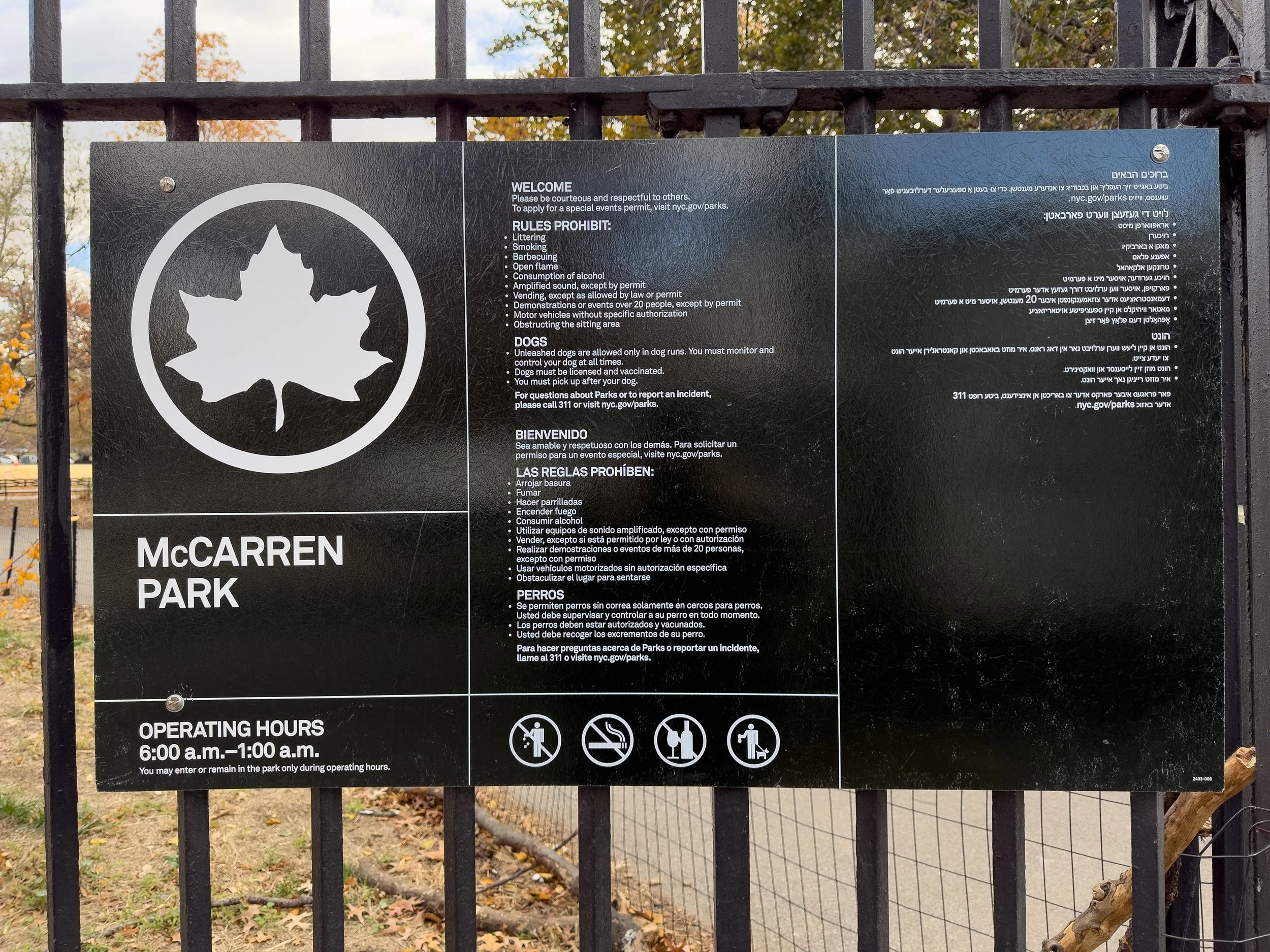
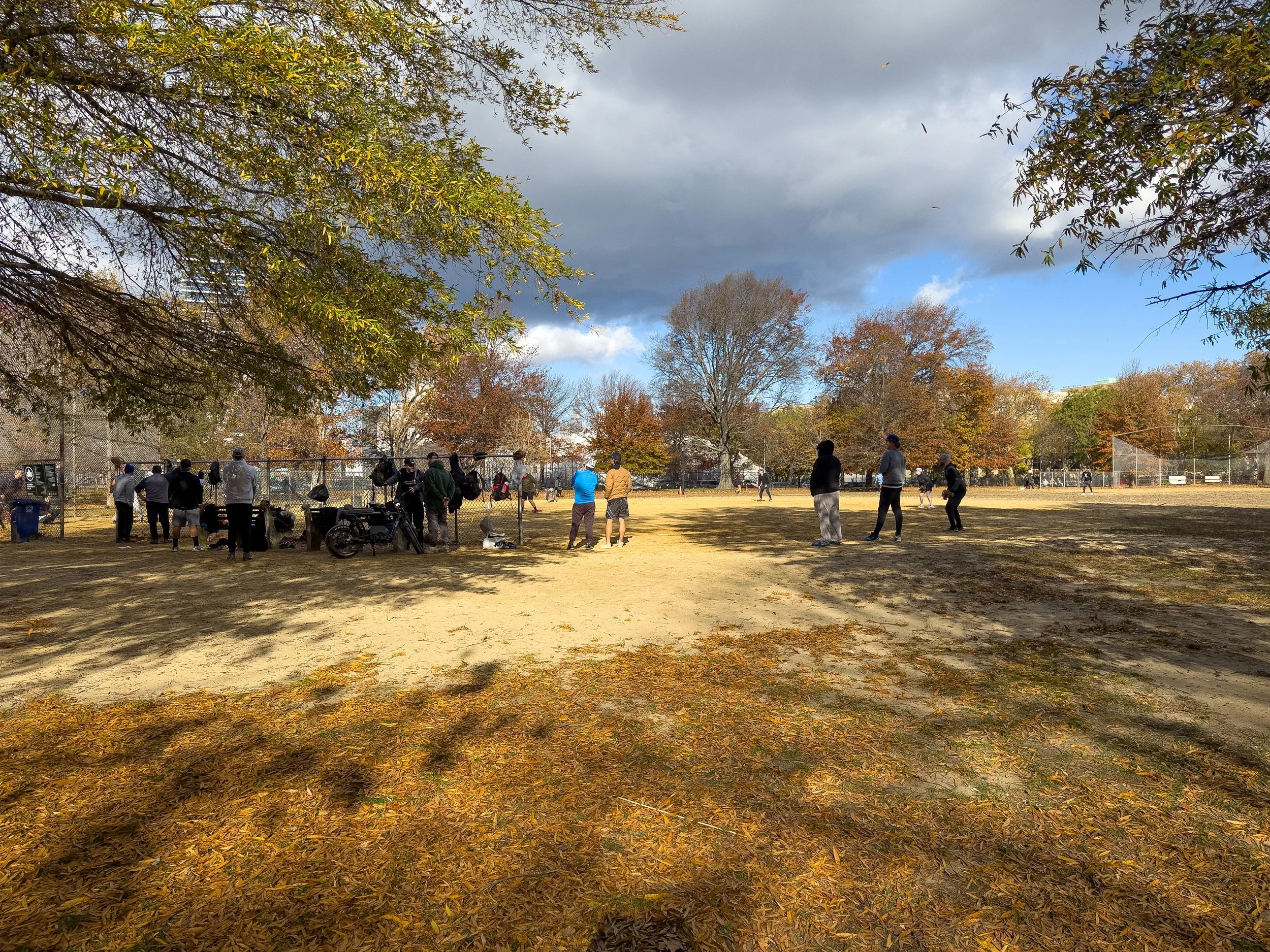
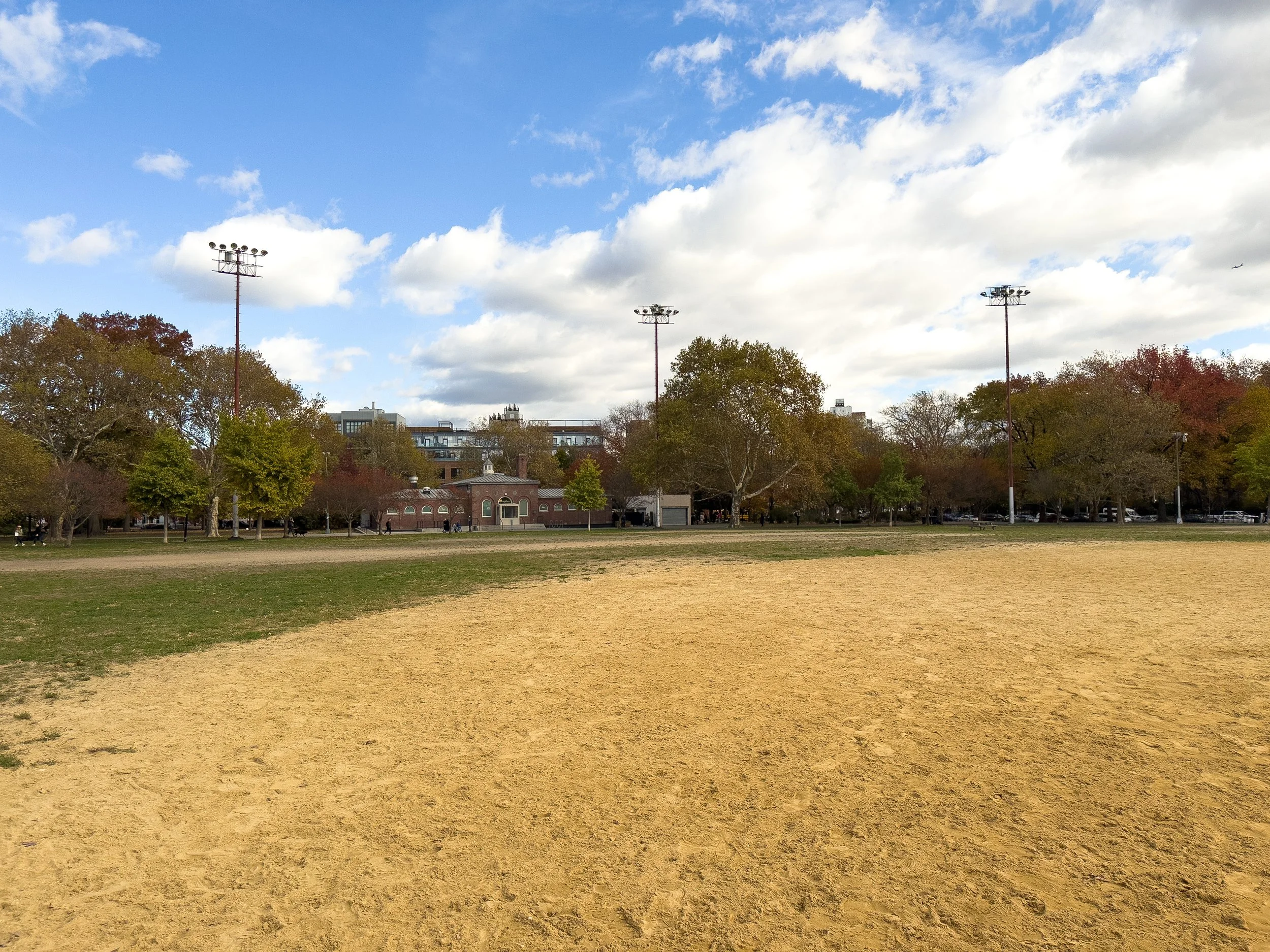
Williamsburg benefits from an unusually broad mix of green space, waterfront access, and everyday infrastructure that supports both residential life and an active, creative community. Along the East River, Domino Park, Marsha P. Johnson State Park (East River State Park), and Bushwick Inlet Park anchor the neighborhood with landscaped lawns, riverfront paths, playgrounds, and seating areas that function as daily-use spaces rather than occasional destinations. McCarren Park plays an equally important role inland, offering athletic fields, shaded lawns, dog runs, and the seasonal McCarren Park Pool — one of North Brooklyn’s most active public amenities.
Dog owners are particularly well served, with multiple fenced-in dog runs integrated into park spaces and along the waterfront, reinforcing Williamsburg’s reputation as a pet-friendly neighborhood. Families benefit from playgrounds, recreation areas, and access to community facilities woven throughout both older residential blocks and newer developments.
Daily routines are further shaped by Williamsburg’s abundance of specialty coffee shops and cafés — including Copper Mug, Qahwah House Coffee, 787 Coffee, and Oslo — many of which double as informal workspaces for hybrid and remote workers. Artisanal markets also play a meaningful role, most notably the McCarren Park Greenmarket, which draws residents from across the neighborhood for fresh produce and local goods. Cultural amenities round out the landscape: independent cinemas, live music venues, galleries, and creative spaces are scattered throughout Williamsburg, ensuring that arts and culture remain part of everyday life rather than confined to specific corridors.
Dining and Shopping
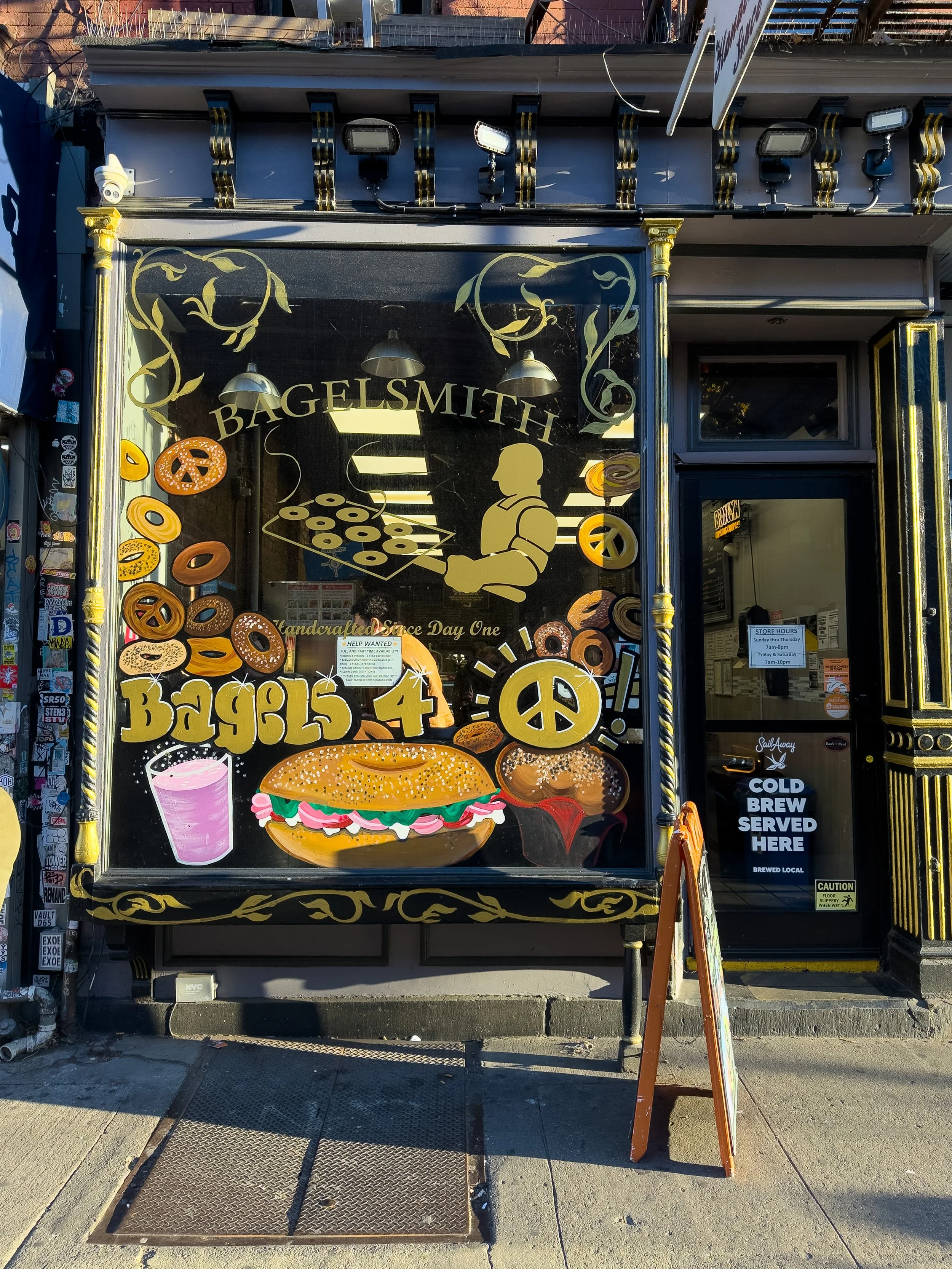
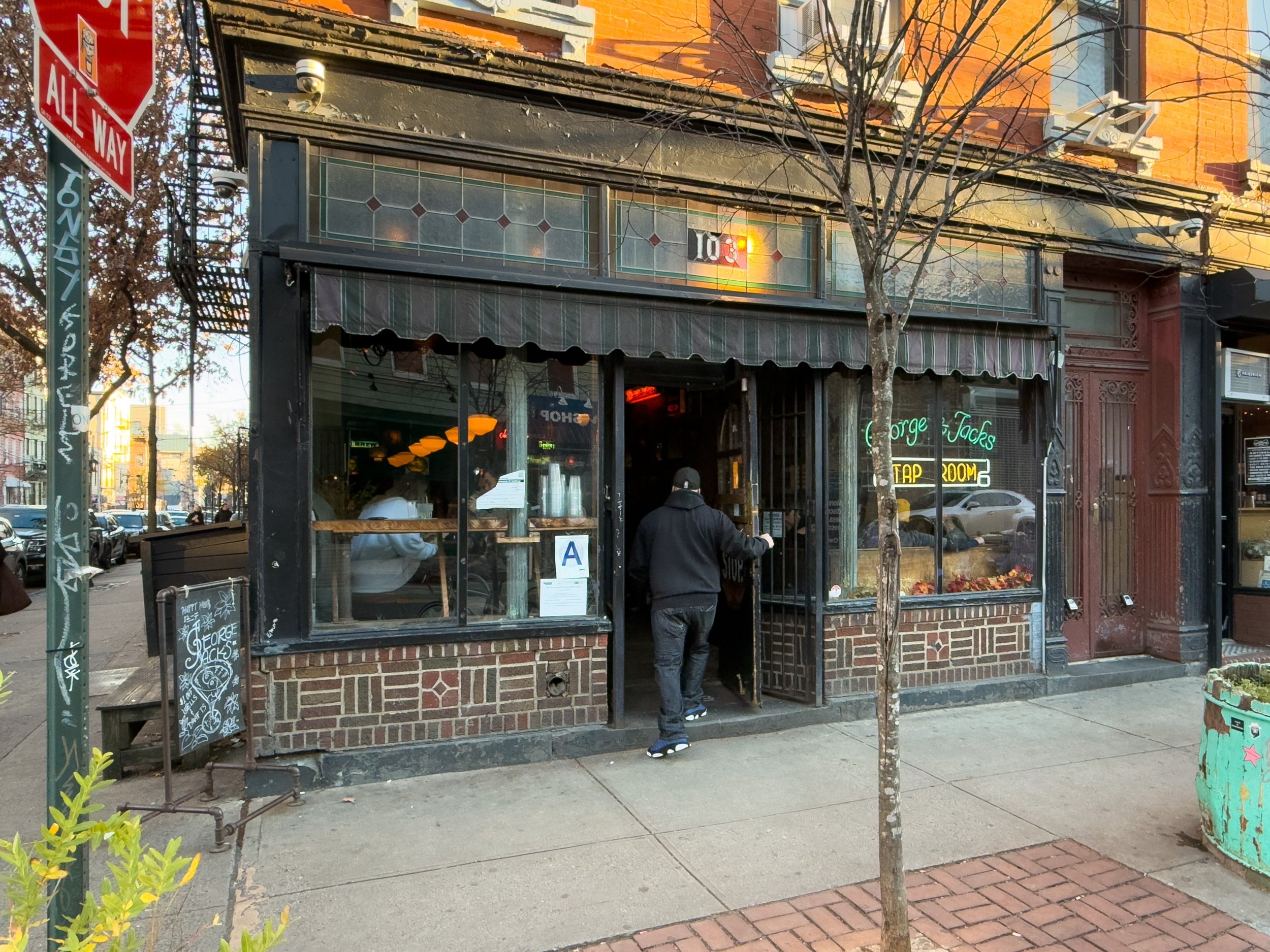
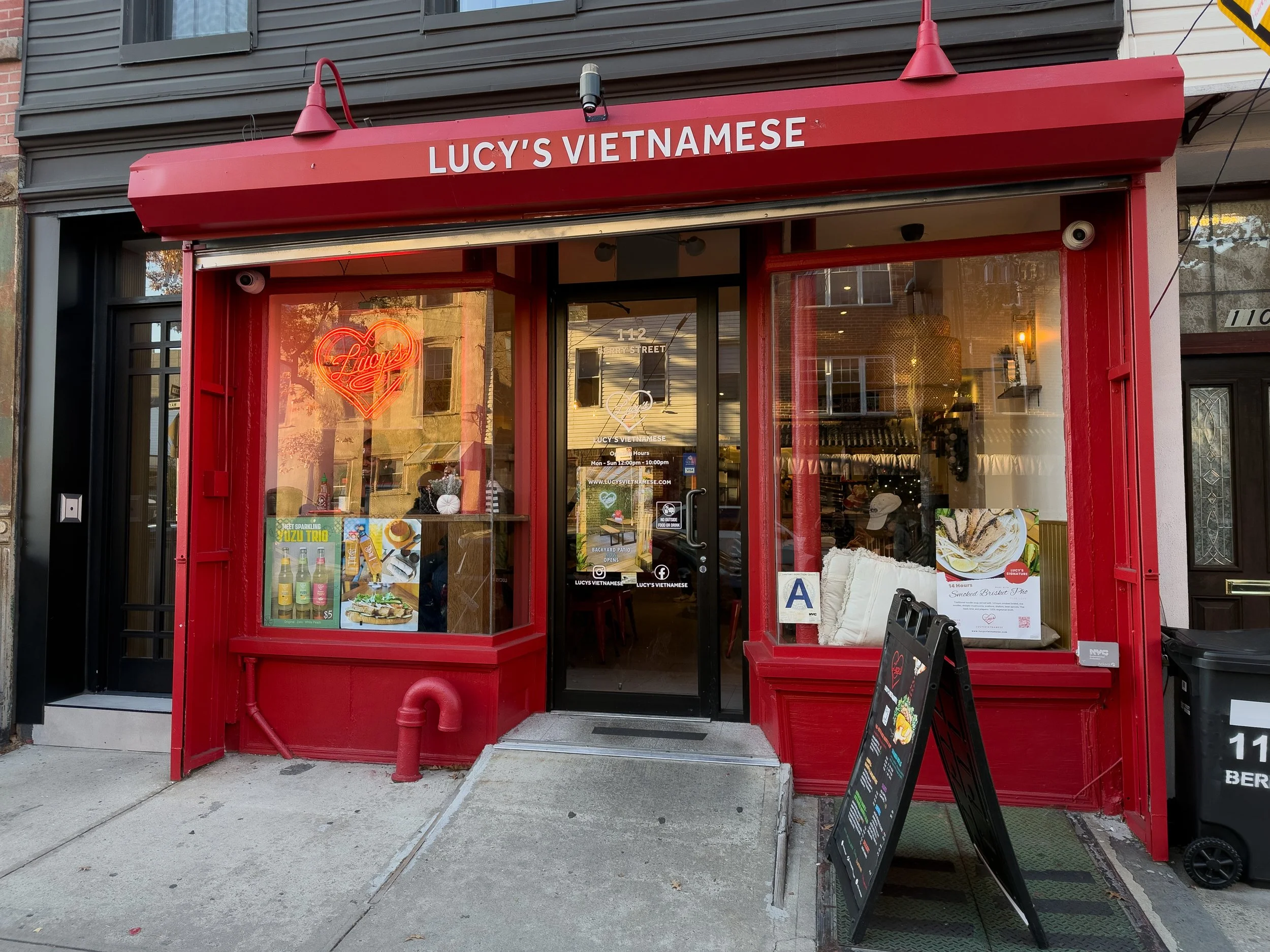
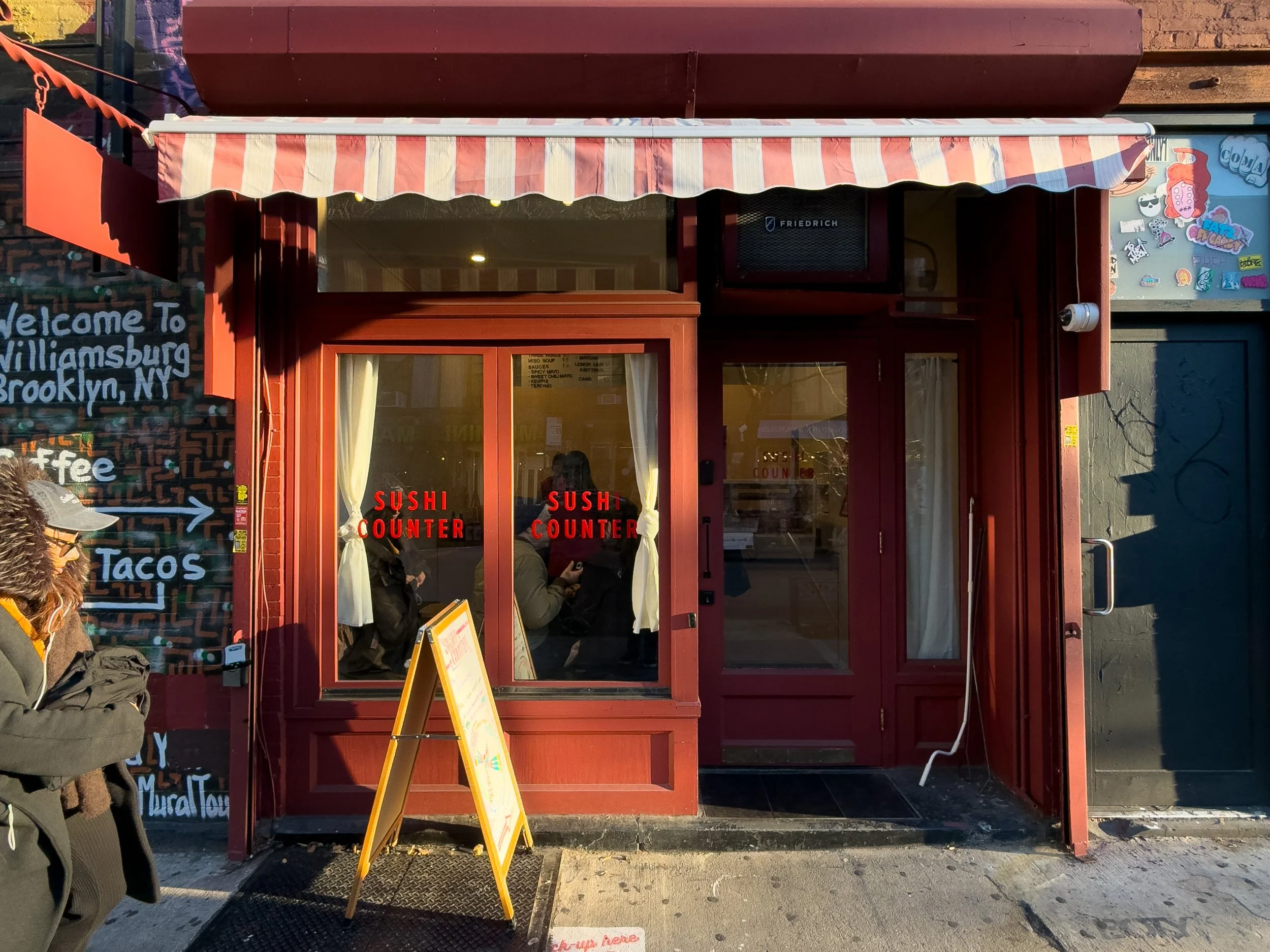
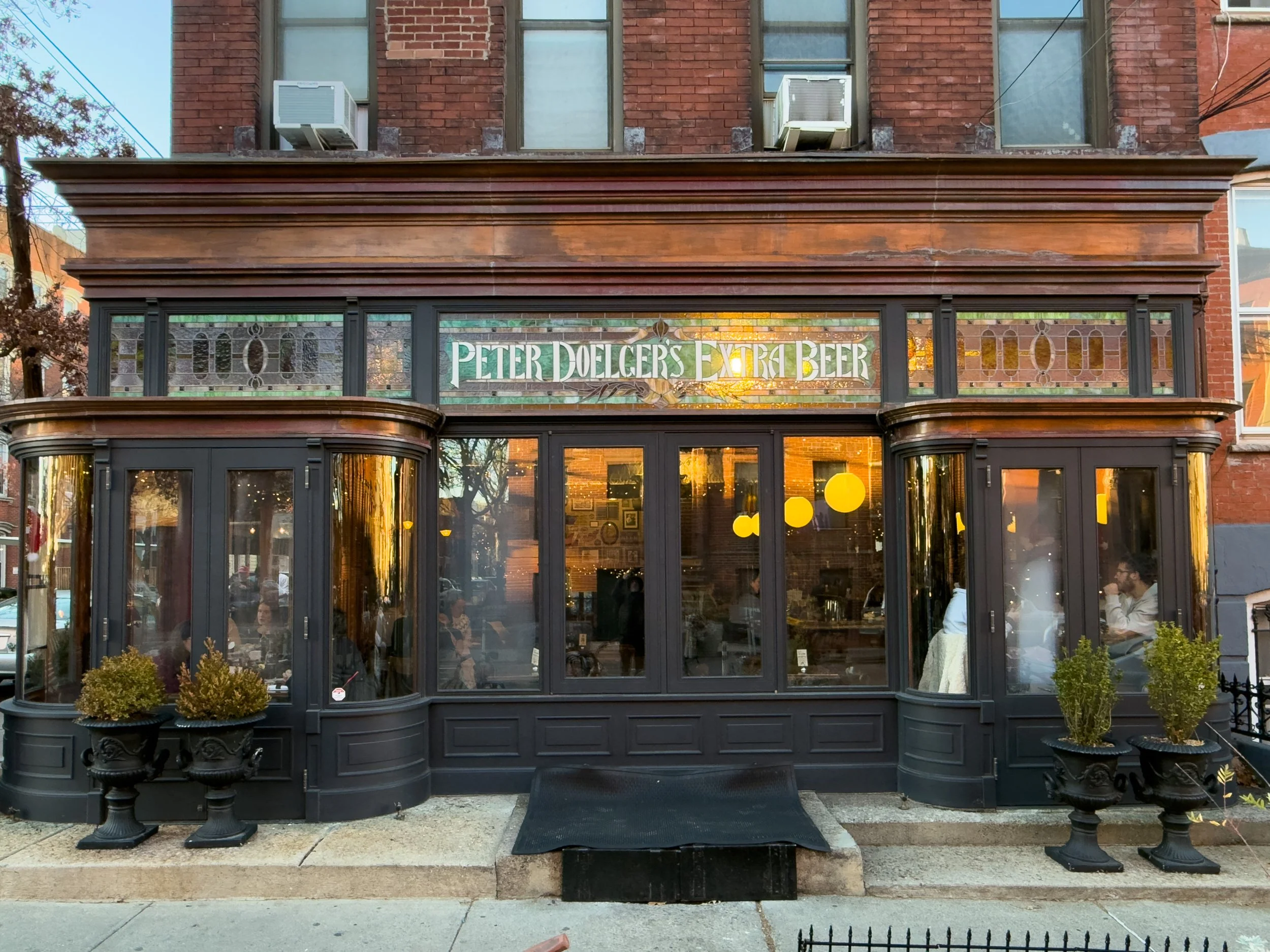
Dining in Williamsburg reflects the neighborhood’s scale and range — a place where destination restaurants coexist naturally with everyday favorites that shape daily routines. The area is home to popular dining rooms, including Lilia, The Four Horsemen, Francie, Recette, Shota Omakase, and the century-old Peter Luger Steak House — establishments that draw visitors from across the city while remaining embedded in the neighborhood’s fabric. Rather than concentrating into a single dining district, Williamsburg’s restaurants are spread broadly across waterfront blocks, interior streets, and commercial corridors, reinforcing the sense that dining here is woven into daily life rather than set apart from it.
What defines the neighborhood’s food culture, however, is its breadth and depth. Alongside high-profile reservations is a dense ecosystem of casual eateries, bakeries, and cafés that residents rely on day to day. Casual staples like L’Industrie Pizzeria sit comfortably alongside intimate neighborhood spots such as St. Mazie Bar & Supper Club, Sweetwater, and long-running institutions like Teddy’s Bar & Grill. Coffee culture plays an outsized role as well, with familiar counters anchoring mornings and workdays across the neighborhood. The result is a dining landscape that feels active without feeling performative — varied in cuisine, consistent in use, and scaled to everyday life.
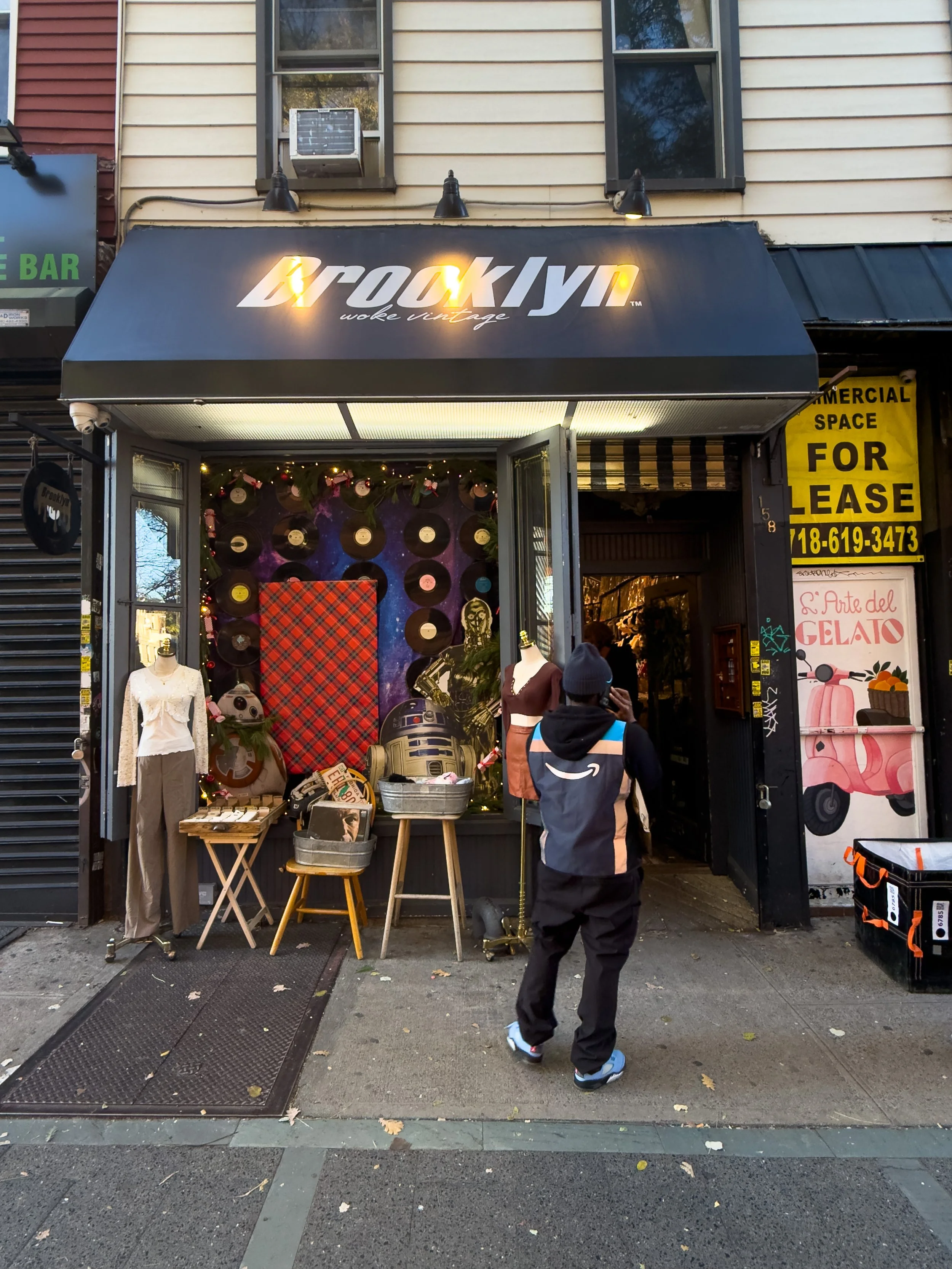
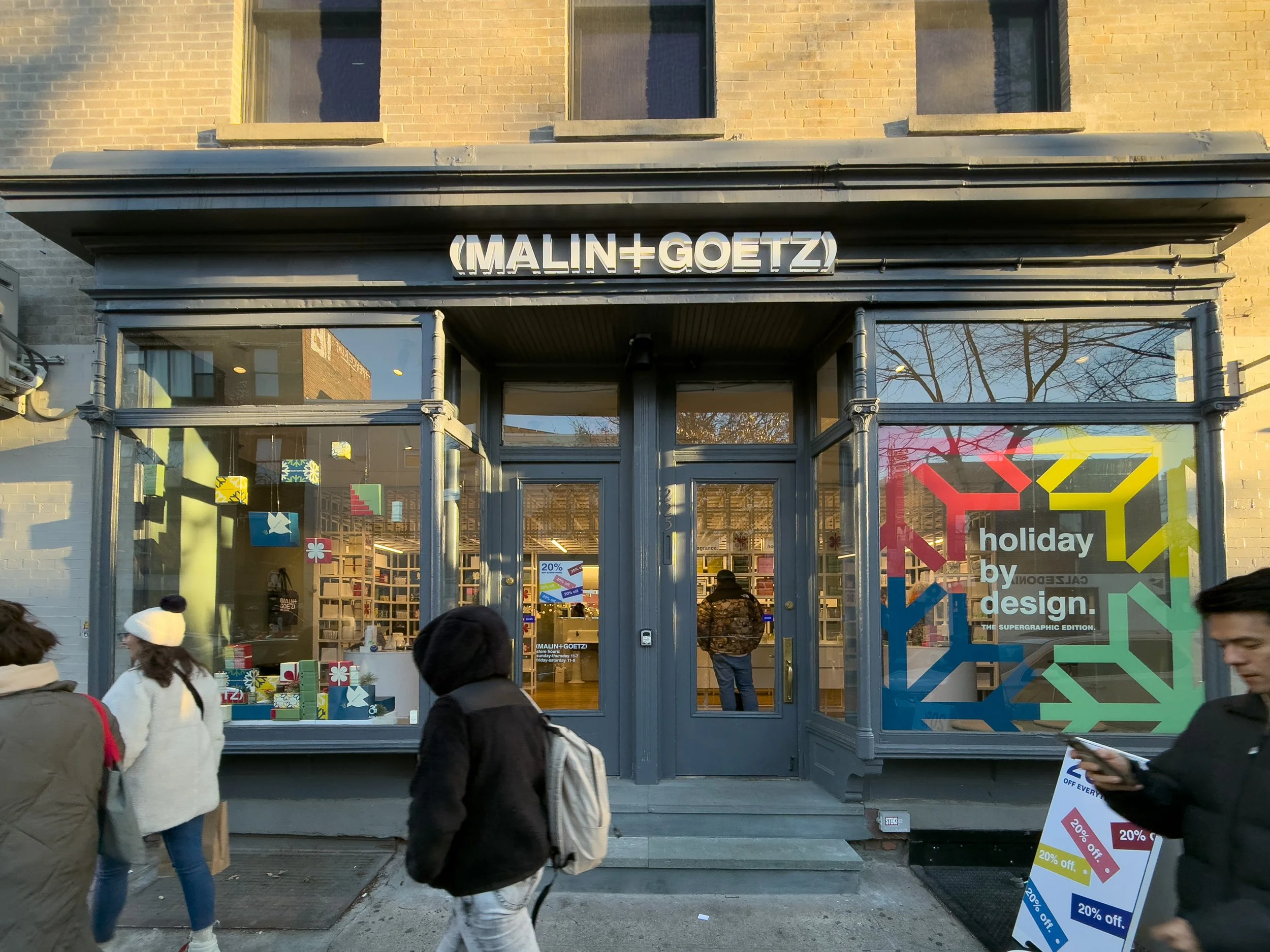
Shopping in Williamsburg mirrors that same balance between creativity and practicality. Bedford Avenue remains the neighborhood’s most visible retail spine, but the area’s retail identity extends far beyond it, unfolding across side streets and former industrial blocks. Independent boutiques, contemporary fashion labels, jewelry studios, and design-forward concept stores coexist with record shops, bookstores, and specialty food producers. Vintage and resale play a particularly strong role here, with curated shops and large-scale thrift spaces reinforcing Williamsburg’s reputation as a place to browse, not rush.
What distinguishes Williamsburg’s retail scene is its scale and density. Shopping feels exploratory rather than transactional — doors open onto carefully curated interiors, pop-ups rotate regularly, and long-standing local businesses sit comfortably alongside newer arrivals. For residents, errands and browsing blur together; for visitors, the experience feels immersive without being overwhelming. Together, dining and shopping contribute to Williamsburg’s identity as a neighborhood that remains both culturally influential and genuinely lived-in.
Transportation
Williamsburg is exceptionally well connected, making it a natural choice for commuters and residents who move frequently between boroughs. The (L) train serves as the neighborhood’s backbone, offering direct access to Manhattan, while the (J), (M), (Z), and (G) lines expand north–south and east–west connectivity. The (G) train, with key stops at Metropolitan Avenue–Lorimer Street and Nassau Avenue near the Williamsburg–Greenpoint border, provides a critical link between North Brooklyn neighborhoods without requiring a Manhattan transfer. Ferry service along the East River adds an additional transit option with direct access to Manhattan and other Brooklyn waterfront neighborhoods.
Citi Bike stations are widely available, and cycling is deeply integrated into daily movement across Williamsburg. A dense street grid and an expanding network of bike lanes make short bike commutes practical — whether to the subway, along the waterfront, or across the neighborhood itself. For many residents, particularly younger professionals, biking functions as a primary mode of transportation rather than a supplement, reinforcing Williamsburg’s appeal as a flexible, mobility-forward place to live.
Schools
Williamsburg offers a mix of public, charter, and private school options serving K–12 families. Zoned public schools, supplemented by charter programs and nearby private institutions, provide multiple educational pathways depending on household needs, particularly for families seeking flexibility within a large and evolving neighborhood. Early-childhood and daycare options are also widely available throughout the neighborhood.
The neighborhood does not contain major higher-education institutions within its borders, though colleges and universities across Brooklyn and Manhattan are easily accessible via subway, ferry, and bike connections.
Real Estate Insights
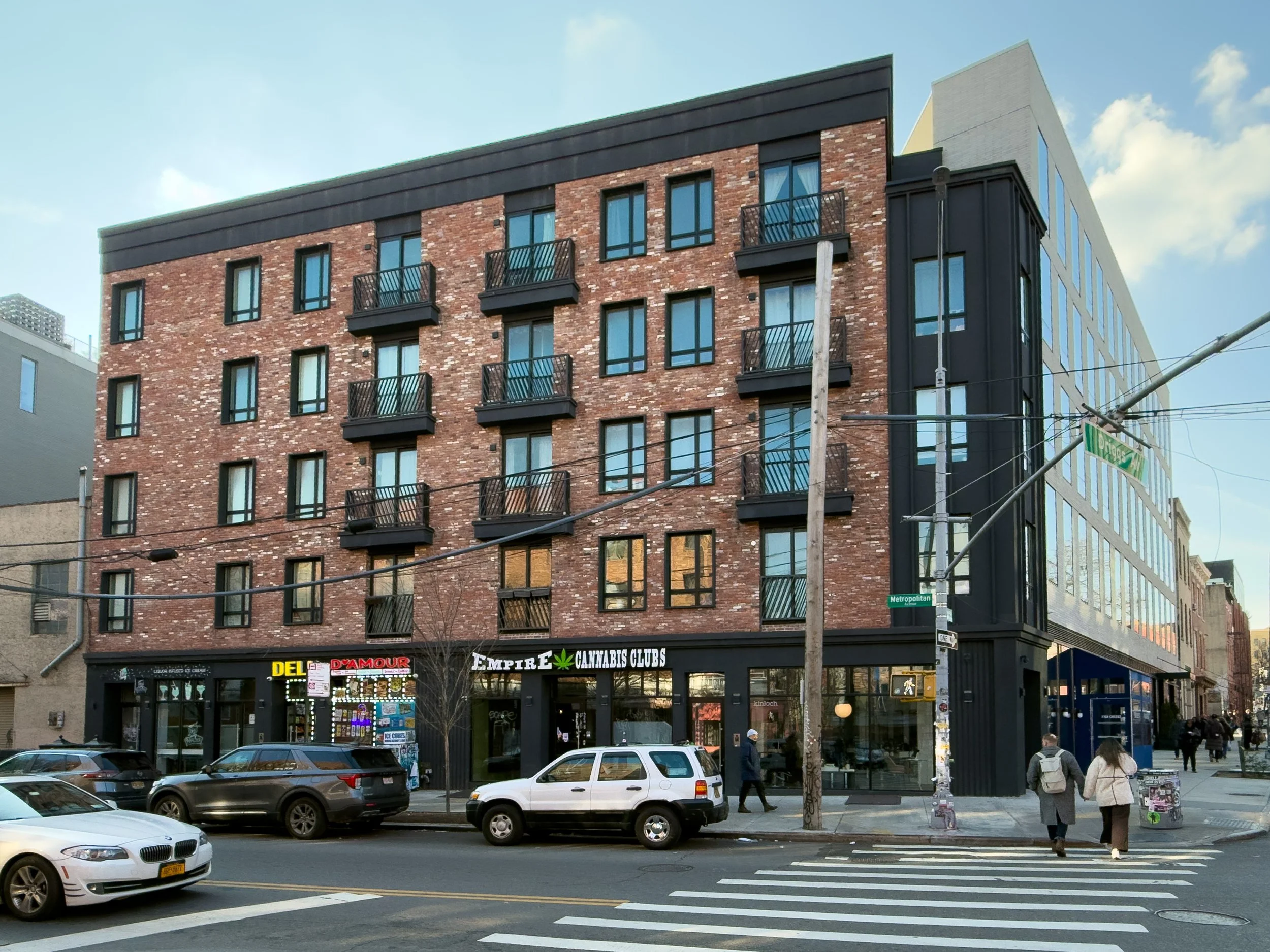
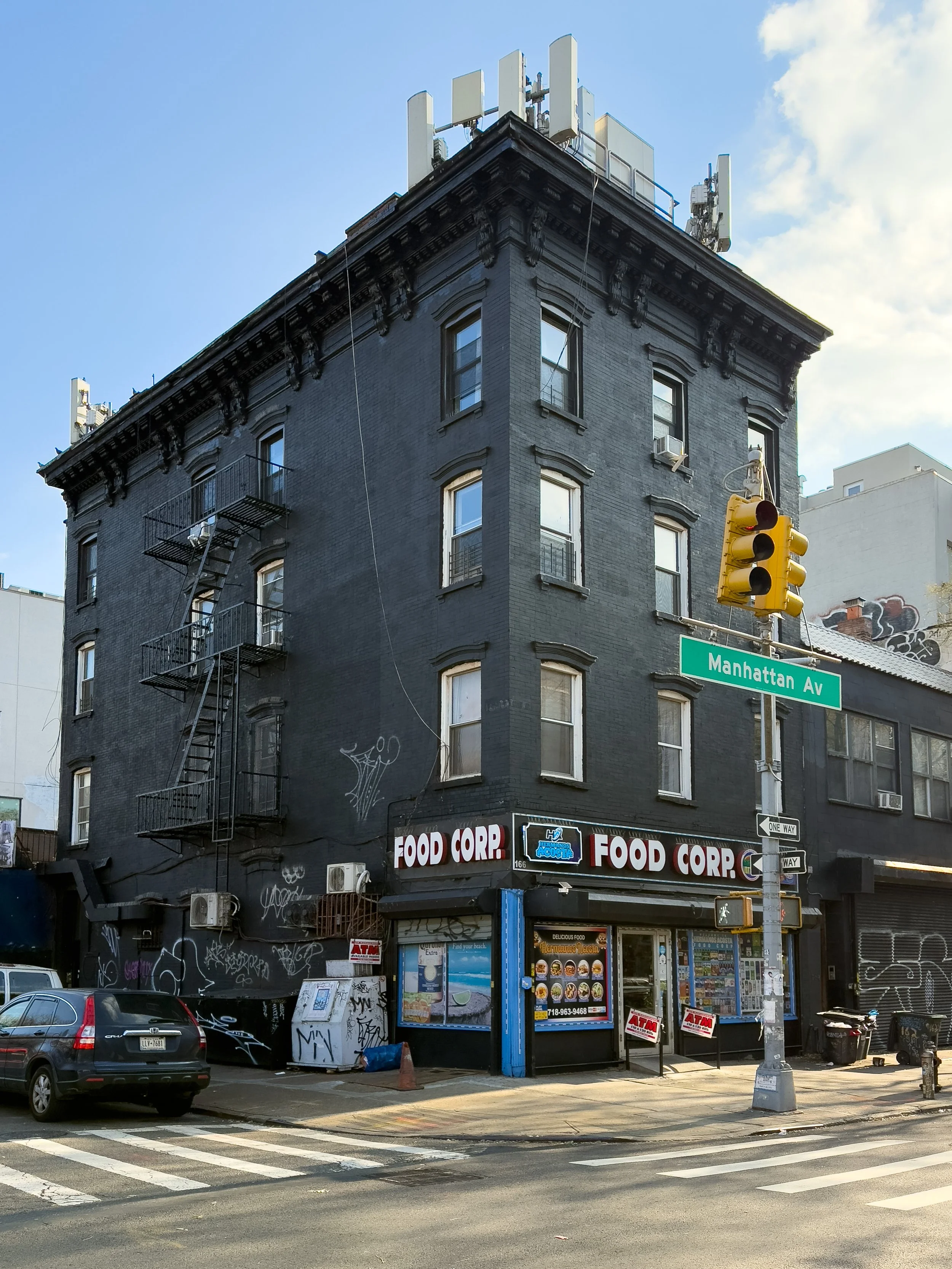
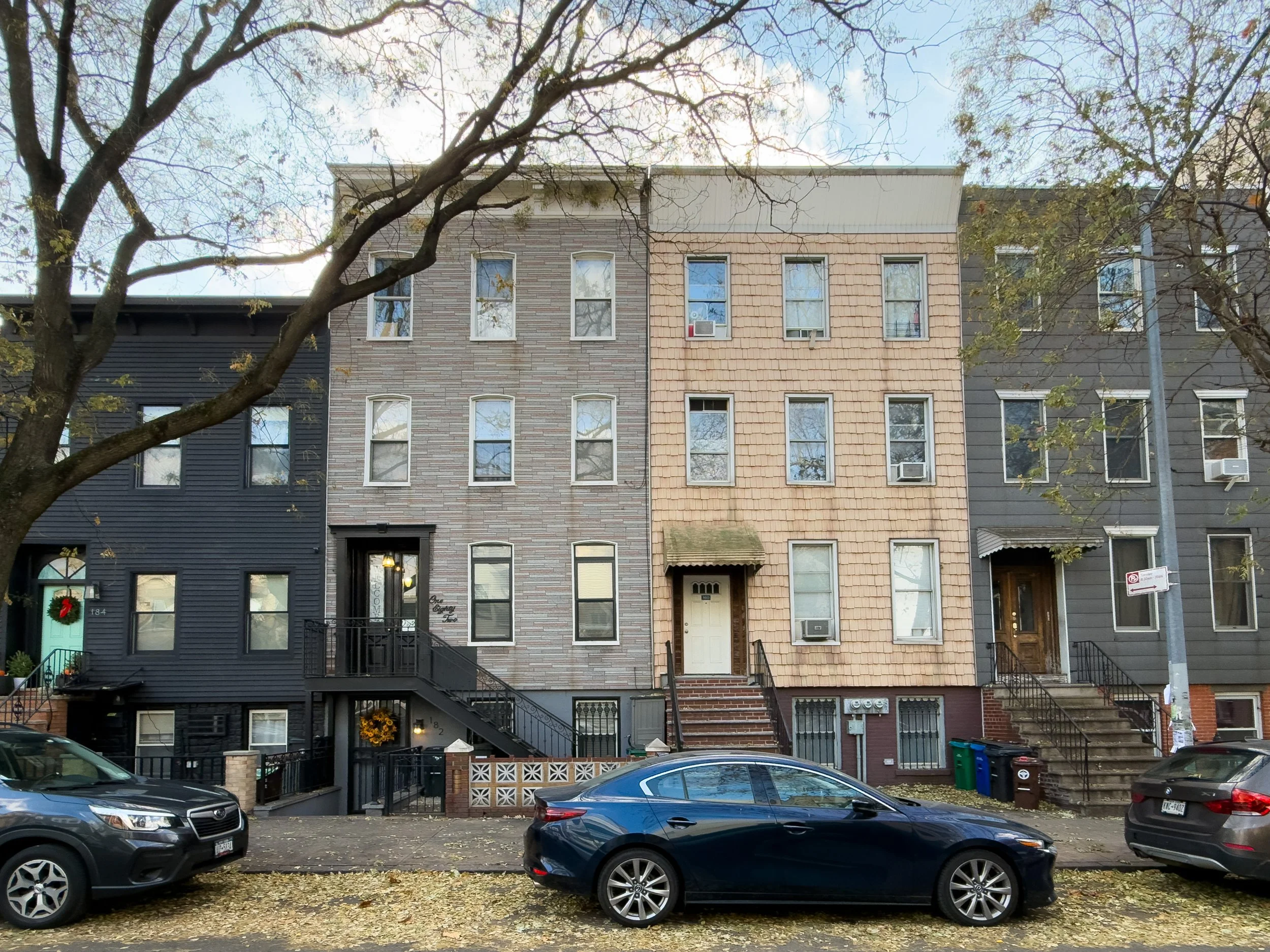
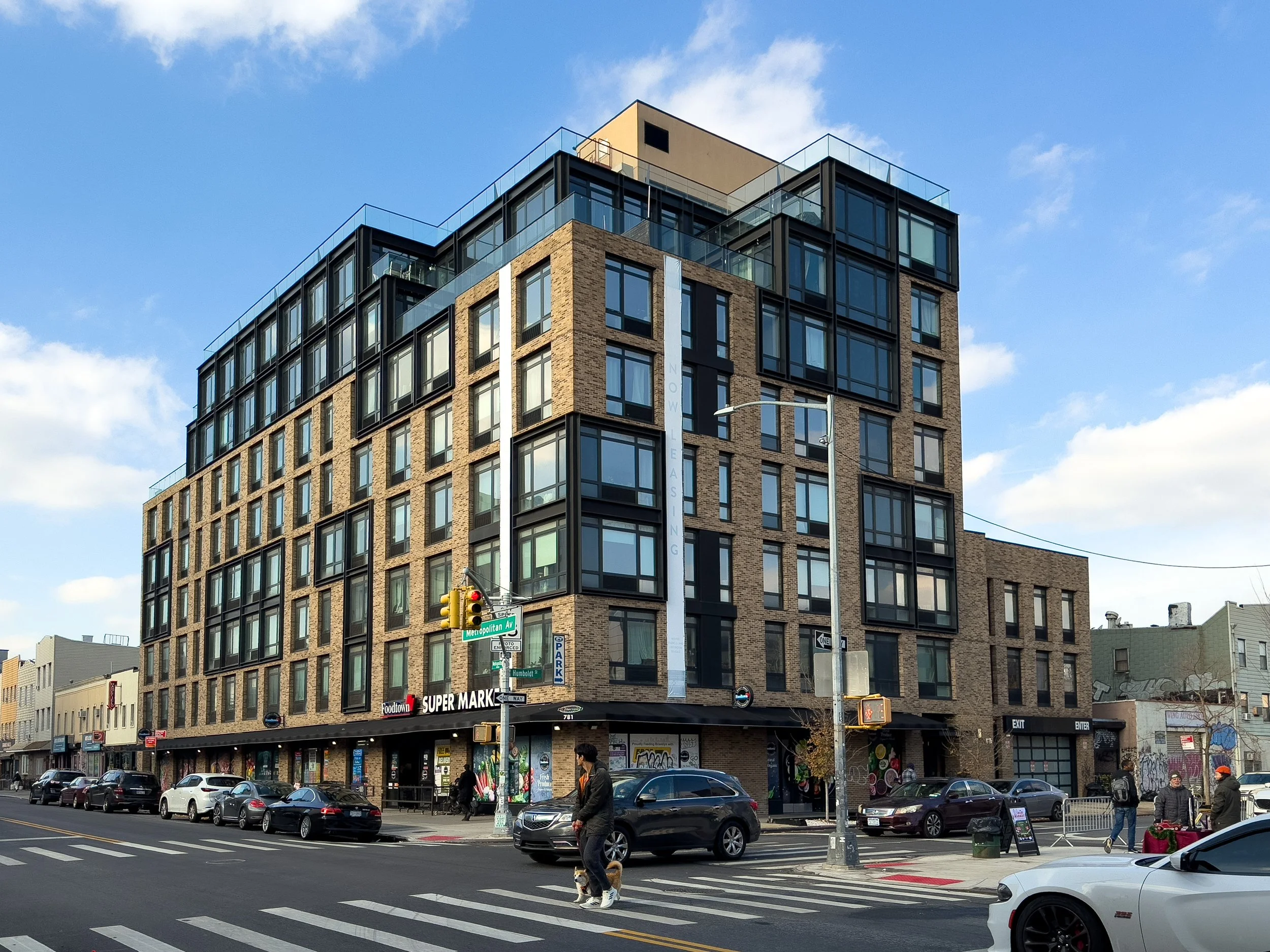
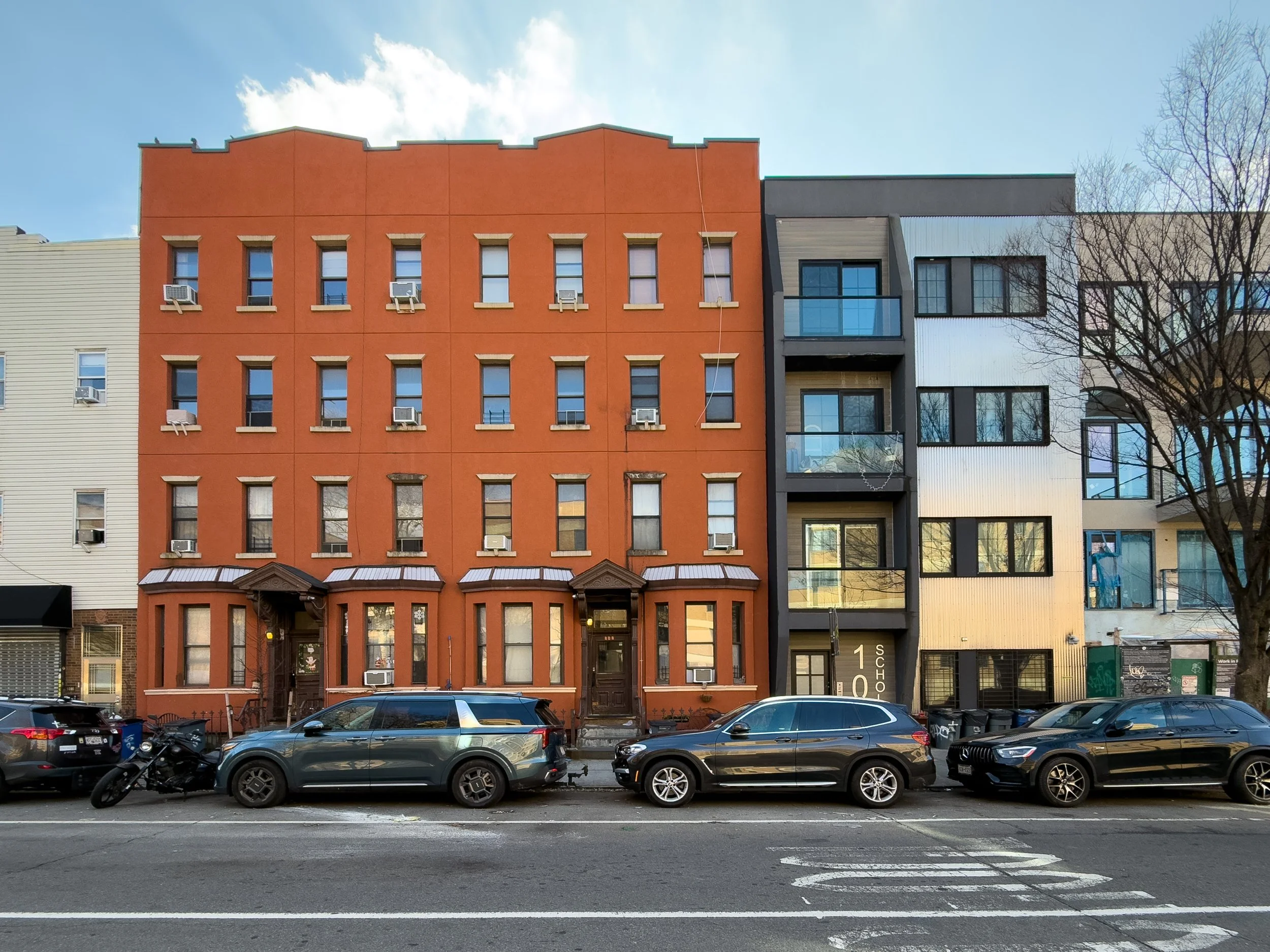
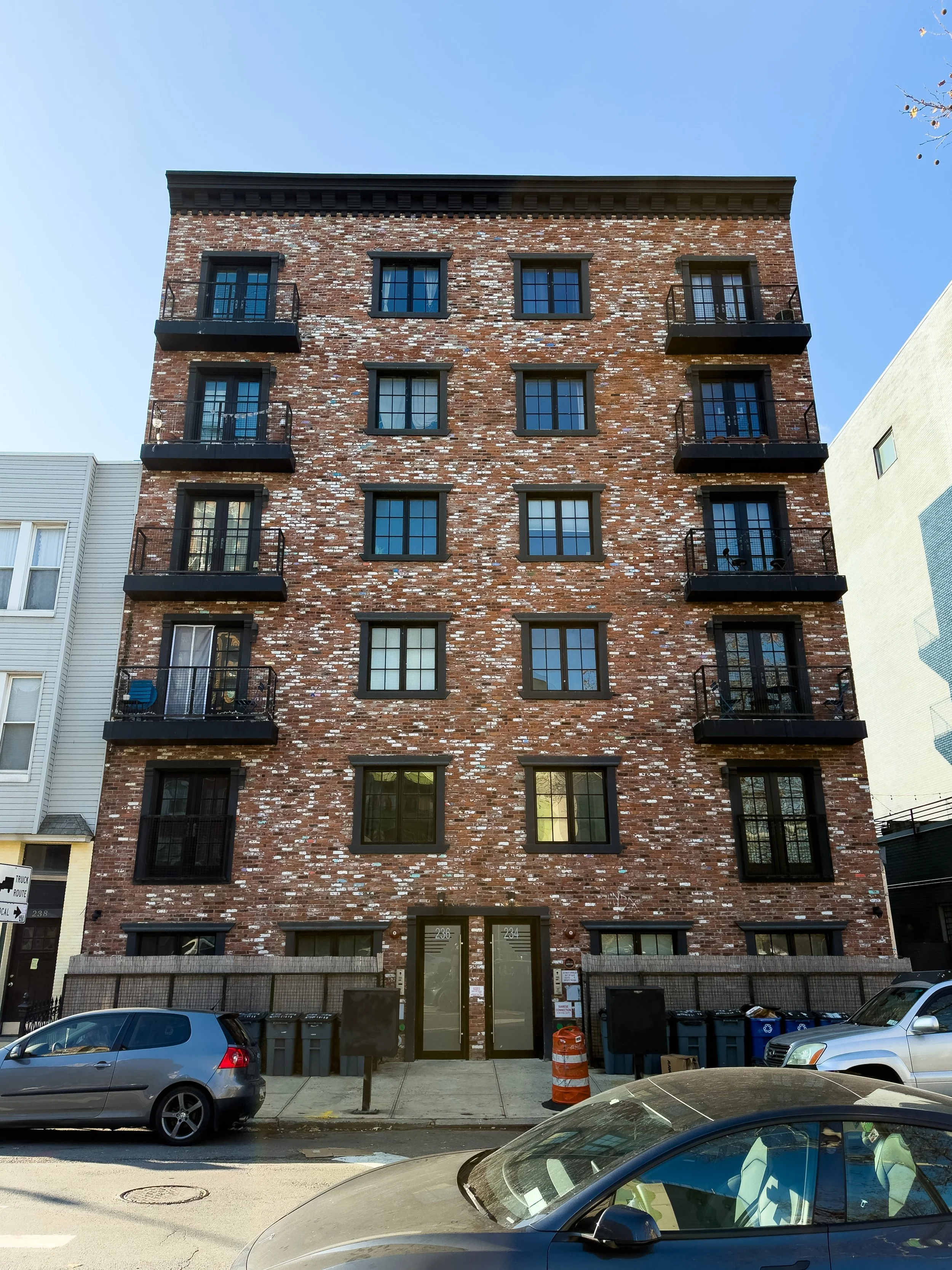
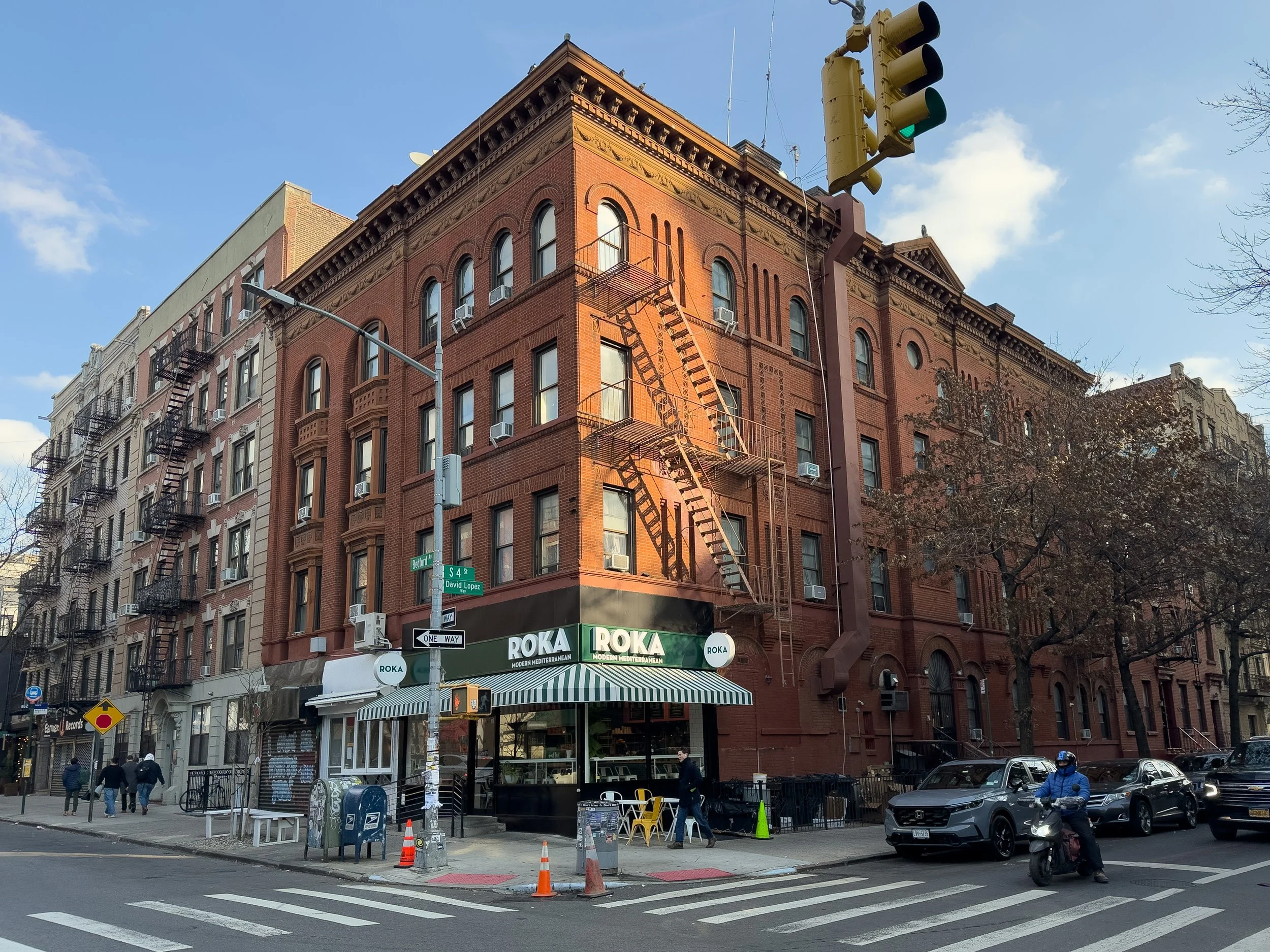
Williamsburg’s real estate market is defined by variety and momentum. Buyers encounter a wide range of property types: prewar walk-up buildings and townhouses, loft conversions in former industrial structures, boutique condo developments on interior streets, and large-scale residential towers along the waterfront. This diversity supports a broad buyer profile, from first-time purchasers to long-term owners seeking new construction with amenities.
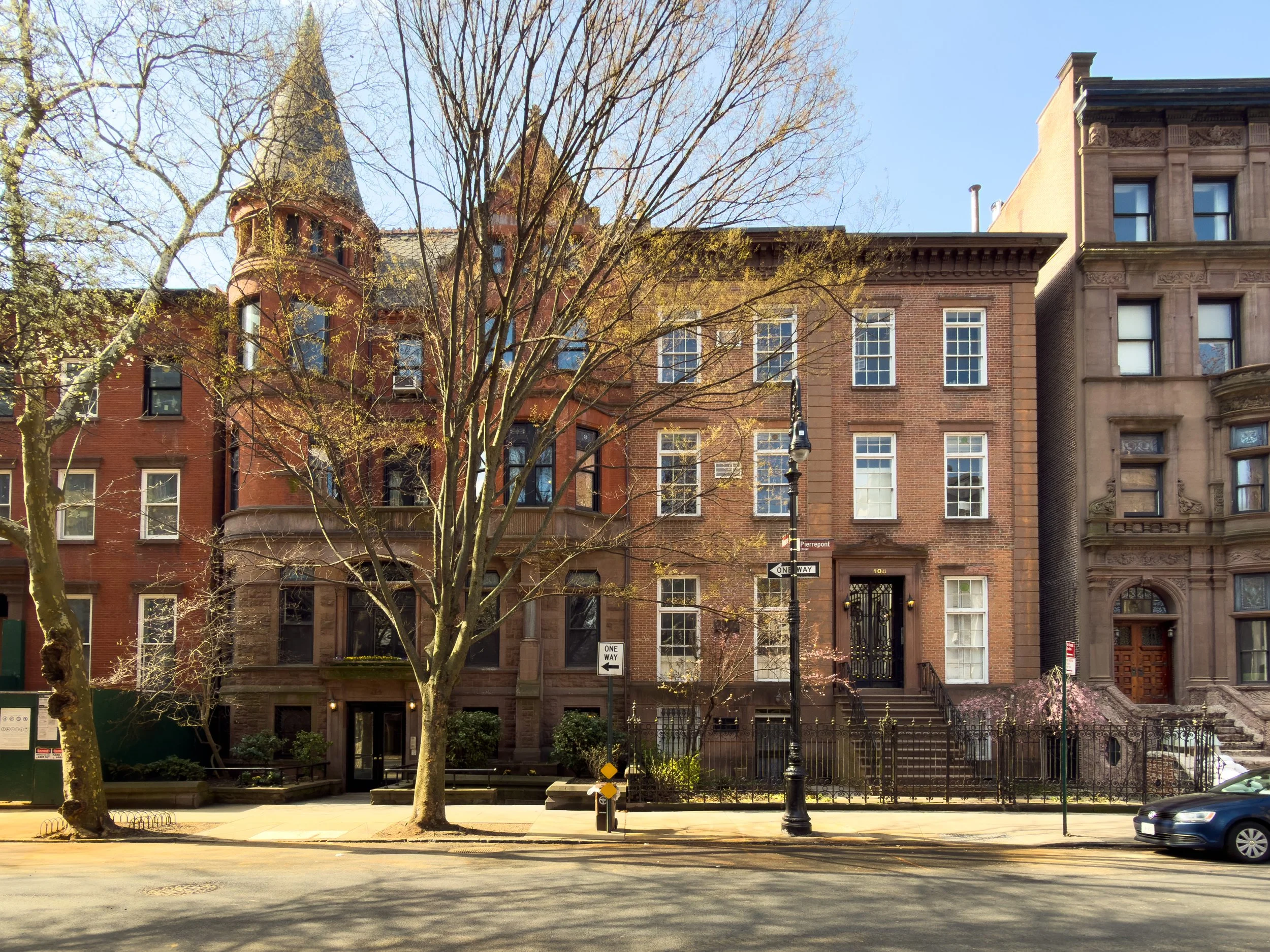
Architecturally, Williamsburg reflects its layered history. Older brick buildings and industrial conversions sit beside contemporary glass-and-steel developments, creating sharp contrasts from block to block. Inventory characteristics vary accordingly — with turnover generally higher in newer developments and tighter supply in smaller, low-rise buildings that tend to be held longer.
Market appeal remains strong due to Williamsburg’s transit access, cultural relevance, and continued residential expansion toward the east. While East Williamsburg will be addressed separately, the ongoing push of new condo development in that direction continues to influence pricing, buyer behavior, and long-term planning throughout the broader neighborhood.
Sales Market At A Glance (2025)
Average Home Value (ZHVI): $1,284,741 (Zillow, Q4 2025)
1-Year Home Value Change (ZHVI): +5.8% (Zillow)
Median List Price: $1,761,667 (Zillow, Q4 2025)
Median Sale Price: ~$1.25M–$1.88M (Zillow; Realtor.com; PropertyShark — varies by methodology and housing mix)
Price per Sq Ft: ~$1,462 PPSF (PropertyShark, Q3 2025)
Median Days on Market: ~63–75 days (StreetEasy; Realtor.com, Q4 2025)
By Bedroom (StreetEasy): 1-Bedroom: ~$980K; 2-Bedroom: ~$1.972M; 3-Bedroom: ~$2.595M
Inventory / New Listings: ~248–267 for-sale listings (Zillow & Realtor.com, Q4 2025)
Source: Zillow, Realtor.com, PropertyShark & StreetEasy (2025). Zillow’s Home Value Index (ZHVI) reflects typical home values across housing types using a seasonally adjusted index methodology. Realtor.com and PropertyShark report neighborhood market metrics based on their respective coverage and reporting periods; results vary by platform methodology, boundaries, and property-type mix.
Trends
Williamsburg remains a high-demand market, but it functions more like a collection of micro-markets than a single, uniform neighborhood. The waterfront and prime-core condo corridors continue to anchor pricing at the top of the range, while interior blocks — particularly as you move east — introduce a wider mix of housing types and price points. As a result, two “Williamsburg” listings can reflect very different products, building eras, amenities, and buyer pools.
Pricing has shown overall resilience, with modest softness in some headline metrics alongside continued strength in price-per-square-foot. This pattern suggests buyers are still willing to pay for quality and location, but are more selective about layout, light, condition, and ongoing carrying costs. Well-positioned homes in elevator buildings and newer developments tend to attract faster interest, while compromised layouts or ambitious pricing can extend marketing timelines.
Days on market point to a more deliberate pace, with buyers taking time to evaluate options as inventory provides greater choice than in ultra-scarce submarkets. Even so, Williamsburg’s long-term fundamentals remain supportive: waterfront parks and public space, strong transit connectivity to Manhattan, and a steady pipeline of new residential development — not only along the river, but increasingly across the neighborhood’s interior and eastern edge.
Final Thoughts
Williamsburg is defined by its scale, its momentum, and its ability to hold multiple identities at once. Waterfront parks and contemporary residential towers coexist with low-rise blocks, converted warehouses, and long-established communities, creating a neighborhood that feels expansive without losing its sense of place. Daily life here moves fluidly between riverfront paths, interior streets, and commercial corridors that reflect decades of cultural influence layered over ongoing change.
What ultimately distinguishes Williamsburg is its adaptability. The neighborhood continues to evolve — geographically, architecturally, and demographically — while remaining anchored by strong transit access, a deep creative legacy, and a housing market that supports a wide range of ownership paths. For buyers drawn to energy, diversity, and long-term relevance within Brooklyn, Williamsburg offers a rare combination: a neighborhood still actively shaping its future while remaining firmly rooted in the fabric of the city.
Buying or Selling in Williamsburg? Whether you’re exploring co-ops, condos, townhouses, or considering selling your current home, I’m happy to provide a complimentary Comparative Market Analysis (CMA) or share tailored insights into the local market. Contact me today to learn more.
For in-depth guides on topics like buyer financing, NYC closing costs, pricing strategies, and more — visit the Resources & Insights hub for resources designed to help guide buyers and sellers in the Williamsburg real estate market.
Related Manhattan Neighborhood Guides