West Village, Manhattan
The West Village represents one of Manhattan’s most complete neighborhoods — architectural, cultural, and residential all at once. Its historic charm, human-scale design, and quiet sophistication make it a perennial favorite for those seeking authenticity amid the city’s constant change.
West Village
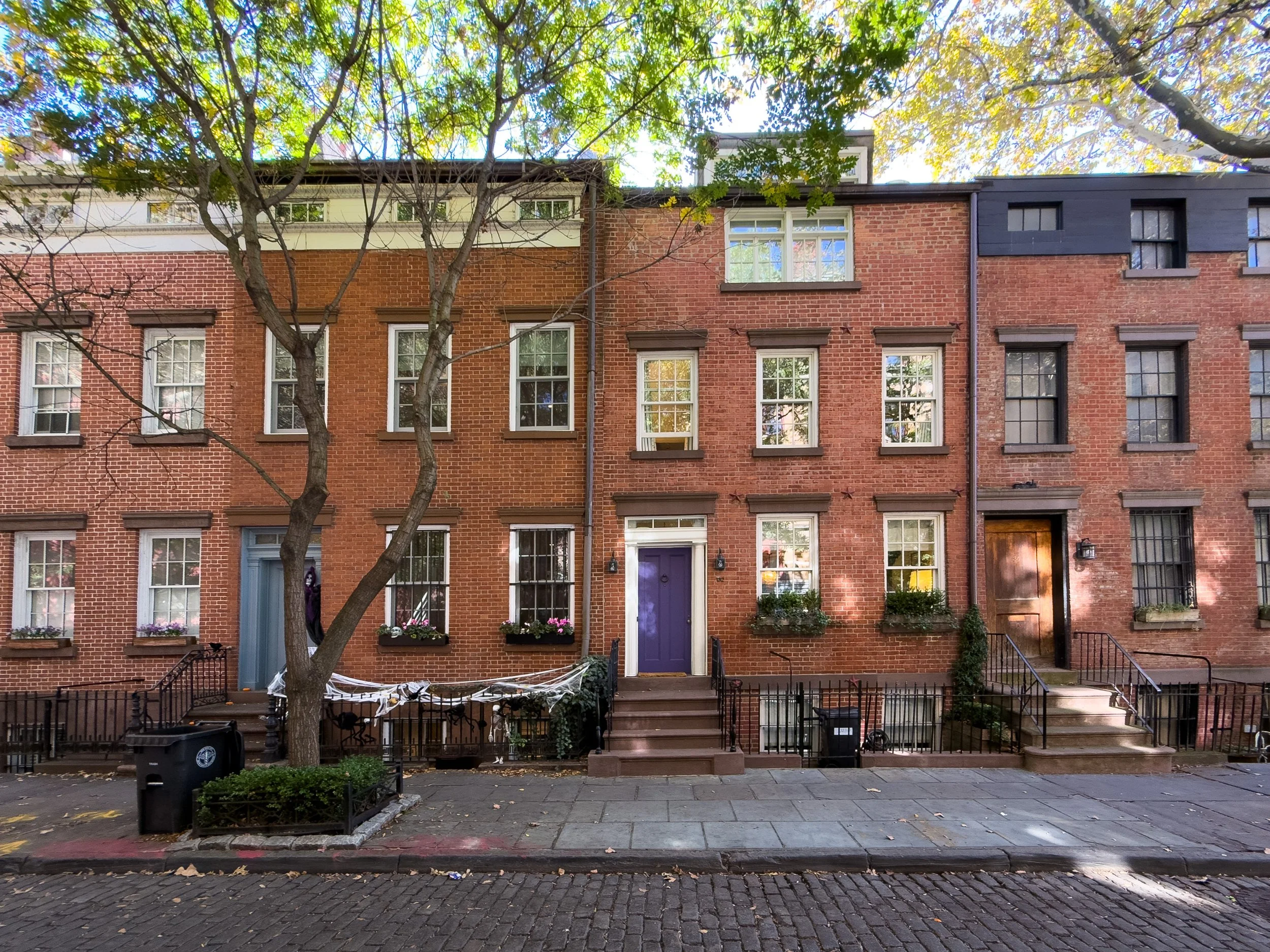
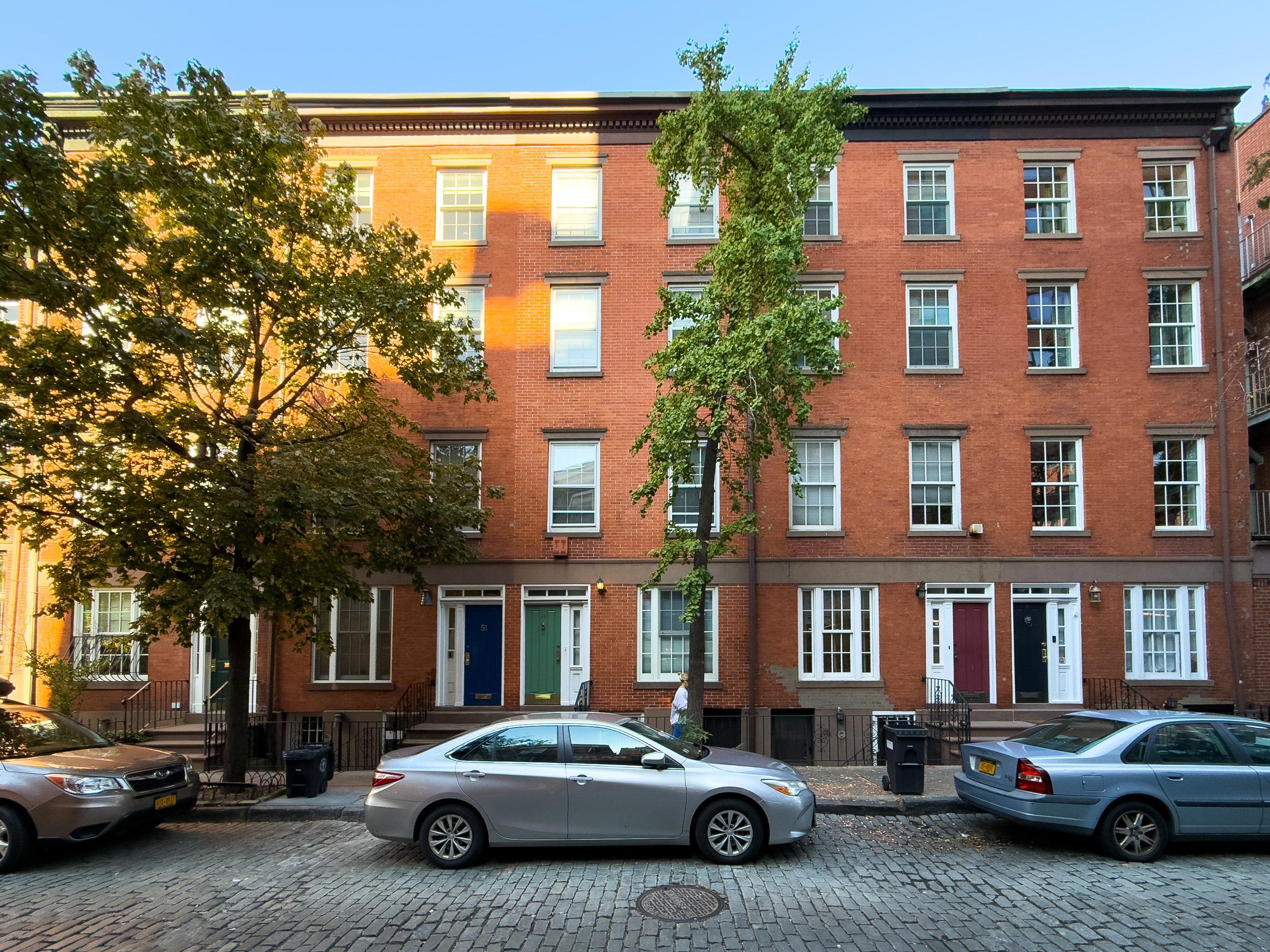
1. Neighborhood: Cobblestone streets, landmarked townhouses, and a human-scale streetscape within historic Greenwich Village.
2. Conveniences: Hudson River Park, pocket parks, independent shops, cafés, and everyday essentials woven into a walkable neighborhood fabric.
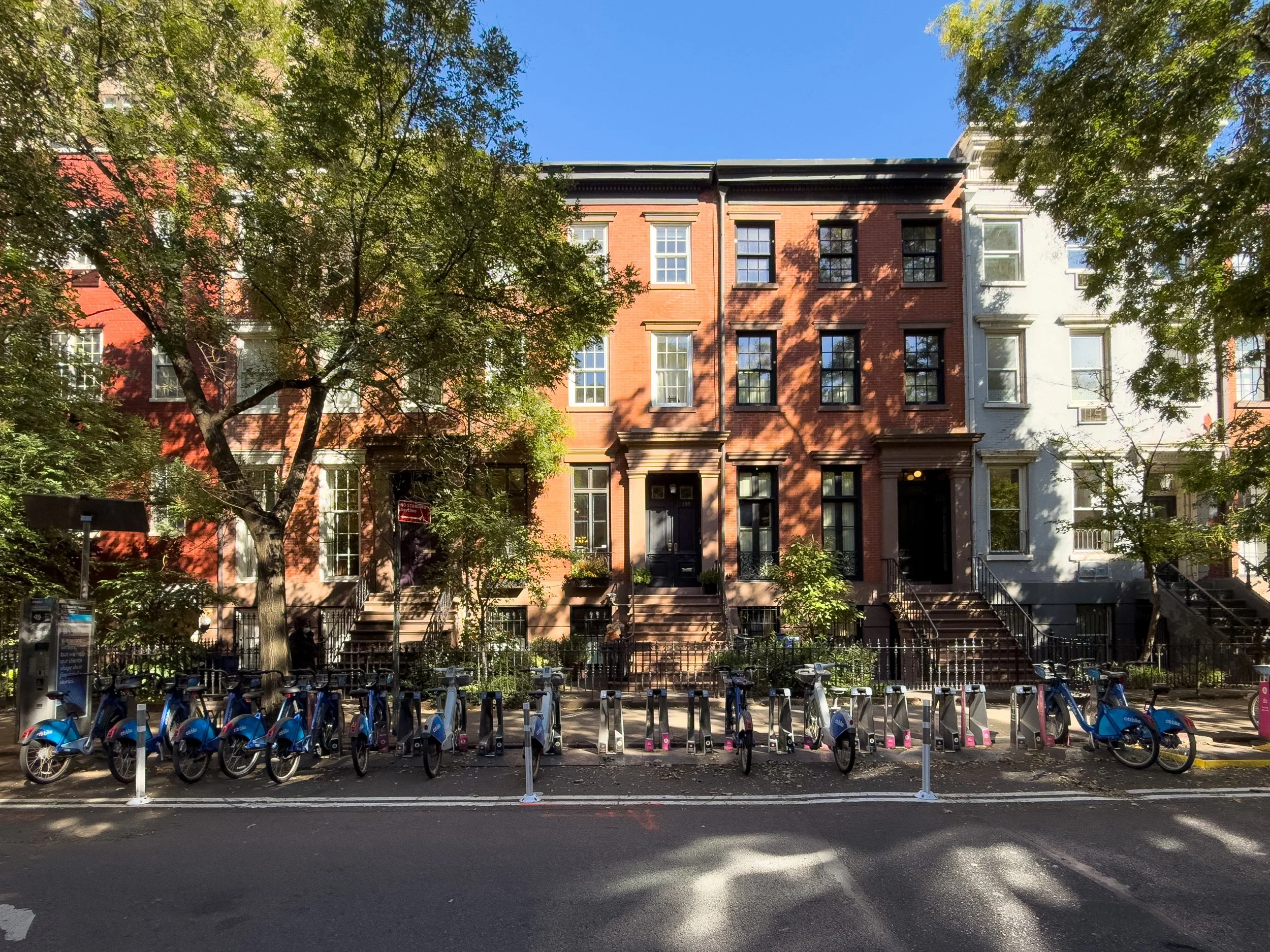
3. Transit: Multiple subway lines via West 4th Street and 14th Street hubs, Citi Bike access, and exceptional walkability across downtown Manhattan.
4. Real Estate: Federal- and Greek Revival-style townhouses, brownstones, prewar co-ops, loft conversions, and boutique condominiums with limited turnover.
The Vibe at a Glance
The West Village pairs historic architecture with a distinctly residential rhythm, offering winding streets, landmarked townhouses, and a quieter pace within downtown Manhattan. Waterfront access, neighborhood cafés, and independent shops shape daily life, while the area’s cultural significance continues to draw visitors without overwhelming its local character. Thinking of buying or selling in the West Village? Get tailored insights on pricing, timing, and strategy—let’s start the conversation.
West Village, Manhattan 10014
Neighborhood
North to South: 14th St. to S. Clarkson St & W. Houston
East to West: 6th Ave. to West St.
Nearby Neighborhoods: Chelsea, Soho, Noho, Hudson Square, Broader Greenwich VIllage
MTA Subway Lines
(1) (2) (A) (C) (B)(D) (F) (M)(L)
Local Commute Times
Financial District: 21m train, 23m car
Downtown Brooklyn: 32m train, 25m car
Lincoln Square: 24m train, 22m car
Grand Central: 26m train, 25m car
West Village
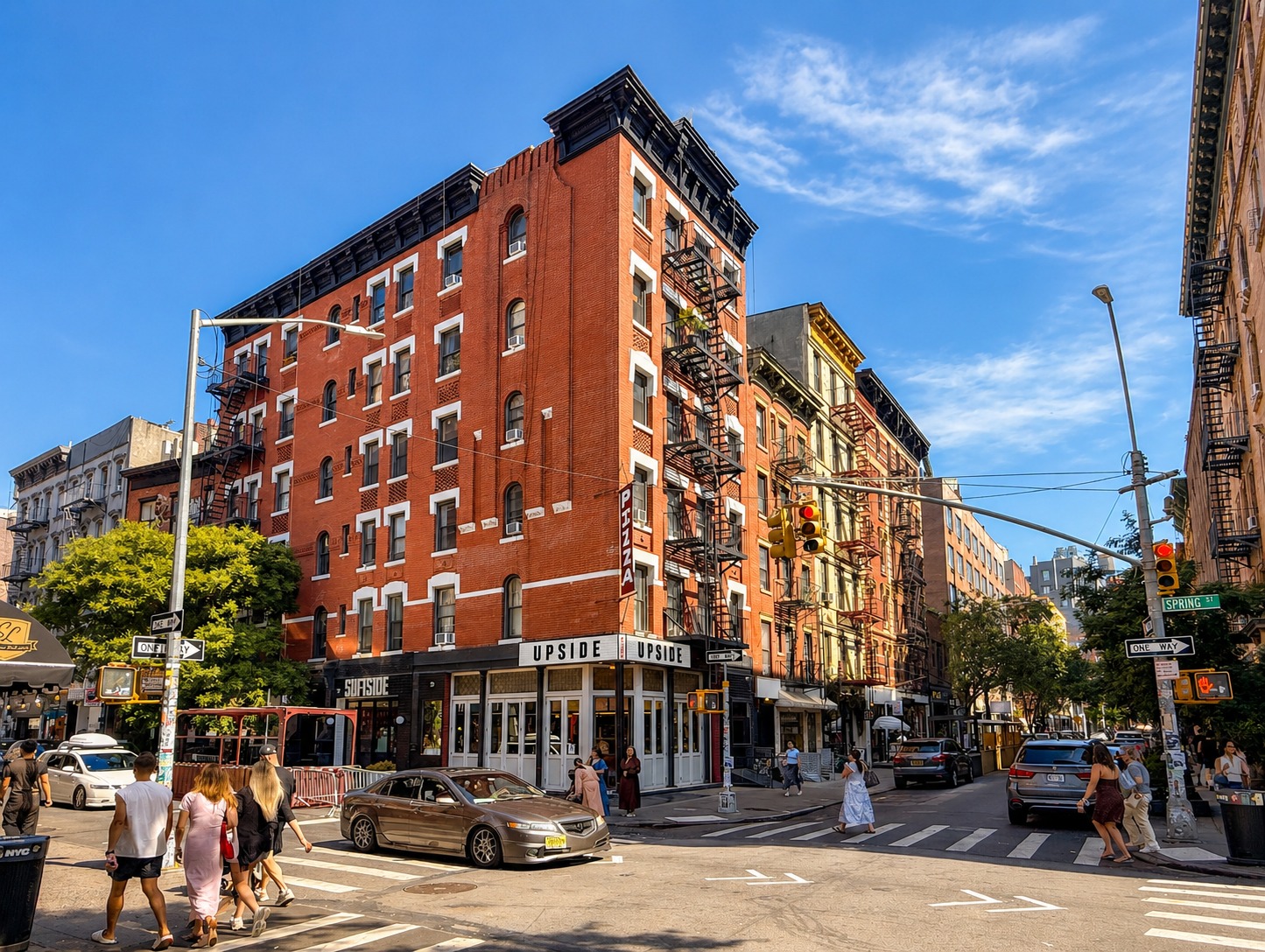
The West Village sits within the western section of historic Greenwich Village, but to New Yorkers, it functions as a world of its own — quieter, more intimate, and more architecturally preserved than its larger neighboring district. Both share deep roots in activism, education, and artistic life, yet the West Village expresses that legacy through a distinctly residential lens: winding streets that predate the Manhattan grid, immaculately restored townhouses, and a human-scale streetscape that has remained largely intact for over a century.
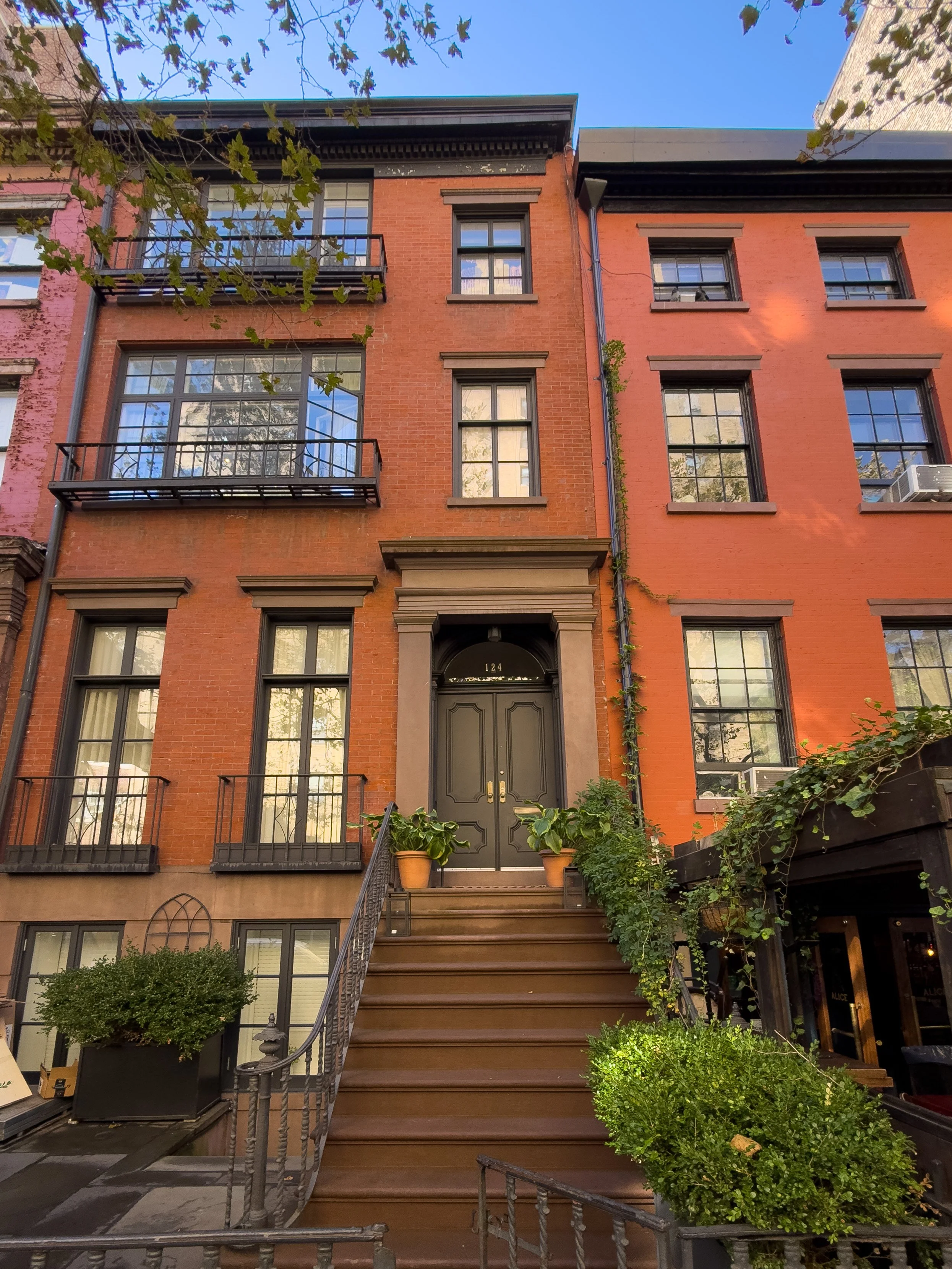
Residentially, the West Village offers one of Manhattan’s most coveted mixes of housing: Federal-style townhouses, Greek Revival row houses, brownstones, prewar walk-ups, loft-style conversions, and boutique condominiums that often blend modern finishes with preserved architectural details. Many blocks are landmarked, and ownership turnover is famously slow — a reflection of how deeply residents value the neighborhood’s character, history, and cohesion.
The result is a neighborhood that feels both intimate and storied: a place where pivotal moments in New York’s cultural history coexist with everyday life, and where daily routines unfold at a measured pace shaped by neighborhood cafés, waterfront access, and a strong sense of residential identity.
Vibe and Atmosphere
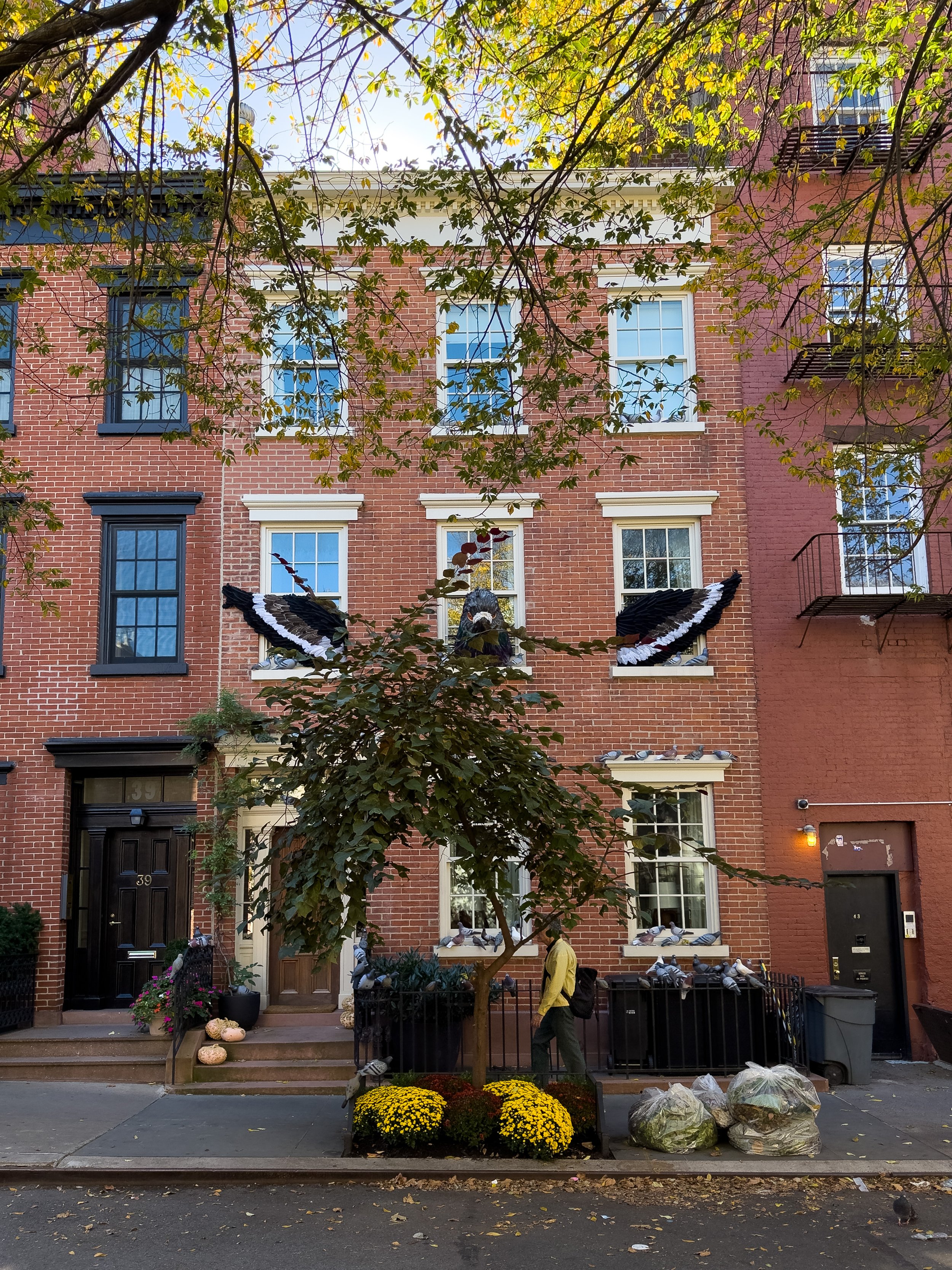
The West Village’s personality is a balance of local calm and charm and magnetic activity — a distinctly residential neighborhood that nevertheless draws steady foot traffic from New Yorkers across the city and visitors from around the world. Its narrow, meandering streets, shaded by mature trees and lined with immaculately preserved façades, create a cinematic environment that invites exploration. This is one of the few places in Manhattan where people wander without a set destination, discovering small cafés, boutiques, or pocket parks along the way.
But despite the constant flow of visitors — weekend brunch-goers, architecture buffs, fashion photographers, and out-of-town travelers — the West Village retains a firmly local foundation. Mornings feel almost small-town quiet: dog walkers linger on stoops, neighbors greet each other outside bakeries, and the streets move at a relaxed, village-paced rhythm. By midday and into the evening, the neighborhood grows more animated yet never chaotic — its energy stays intimate, shaped by the scale of the architecture and the density of small businesses over large venues.
The interplay of low-rise streetscapes, cobblestone blocks, and historic preservation gives the West Village a sensory richness that is difficult to replicate elsewhere in Manhattan. Light falls differently here, softened by shorter buildings and curved streets. Sound carries differently, too — less echo, more hum. The neighborhood has the rare ability to feel both lived-in and idyllic.
Amenities and Conveniences
The West Village benefits from a thoughtful balance of parks, waterfront access, community amenities, and everyday conveniences, all embedded within a compact and walkable street grid.
Hudson River Park forms the neighborhood’s western edge, offering miles of riverfront walkways, lawns, dog runs, bike paths, and recreational piers. For many residents, it functions as an outdoor extension of their homes — a place for morning runs, sunset walks, and casual weekend gatherings. Hudson River Park Pier 45’s expansive lawns and open green space draw picnickers and passersby throughout the day, while nearby Hudson River Park Pier 46 offers a quieter, neighborhood-oriented mix of playgrounds and passive recreation, together serving as everyday social anchors along the waterfront.
Within the residential interior, a series of small but important neighborhood green spaces break up the historic blocks. James J. Walker Park, Christopher Park, Jackson Square, and nearby Abingdon Square Park function as pocket oases with benches, shade, and strong community presence. The historic Jefferson Market Library — housed in a landmarked Victorian Gothic building — anchors a key civic node with gardens and community programming.
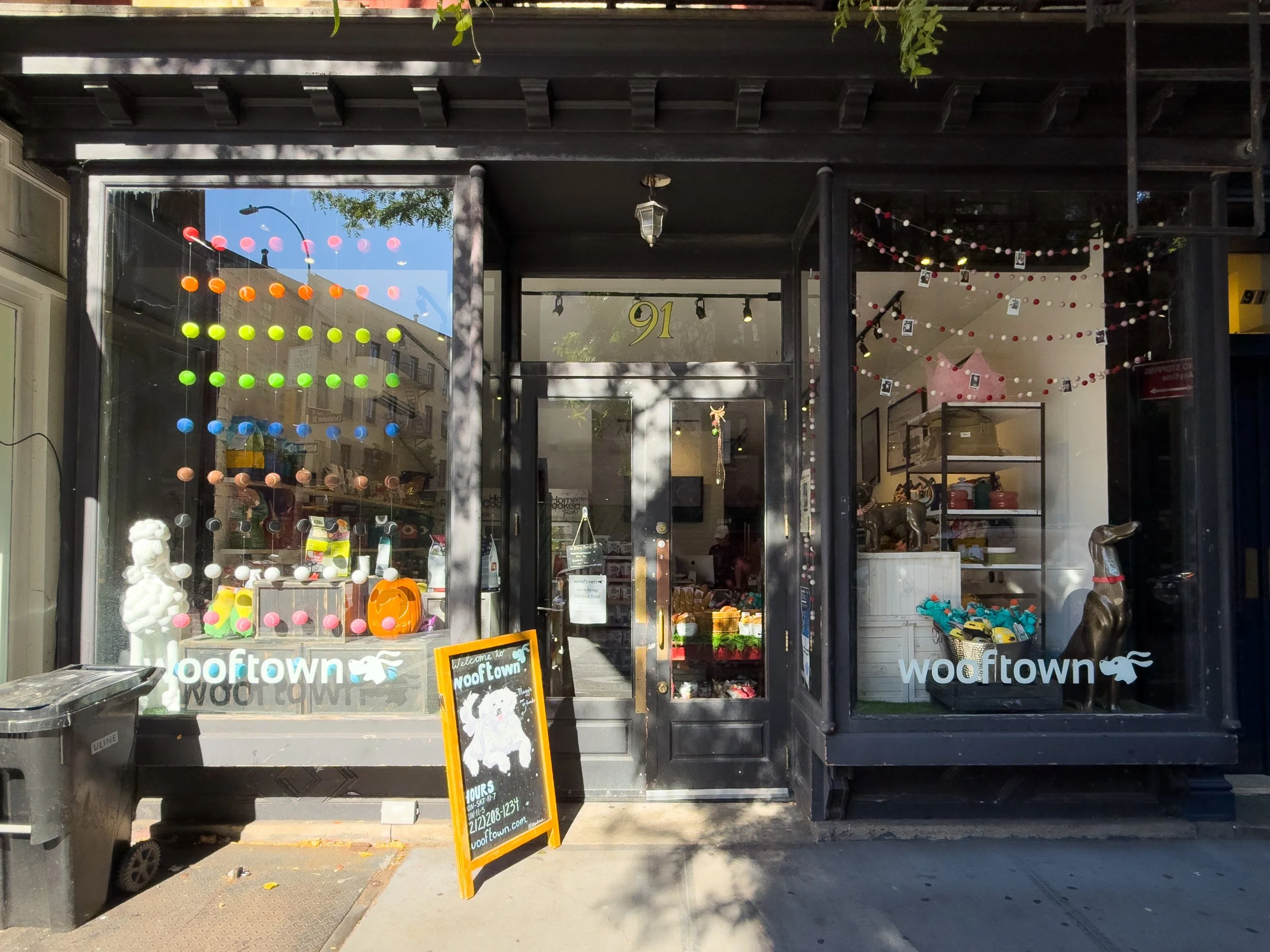
Daily life is supported by accessible essentials: pharmacies, small grocers, gourmet food markets, bakeries, fitness studios, independent pet shops, and service-oriented storefronts are woven throughout the neighborhood rather than clustered on a single commercial strip. The compact scale means most errands happen on foot, reinforcing the village-like feel despite being firmly in downtown Manhattan.

Dining and Shopping
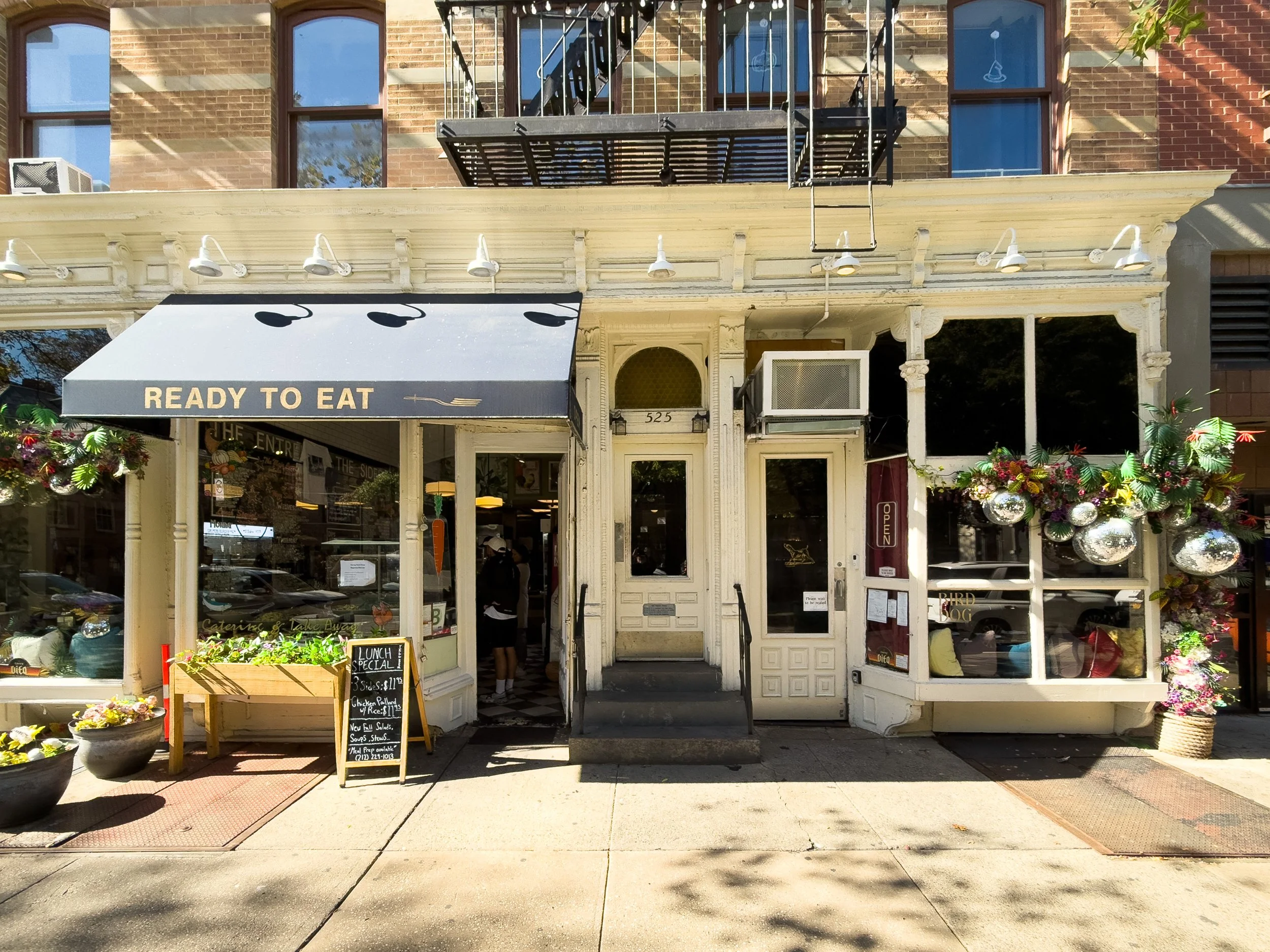
Dining in the West Village is both destination-worthy and deeply local. The neighborhood is home to some of Manhattan’s most recognizable restaurants — L’Artusi, Via Carota, Boucherie, and Buvette — yet its culinary identity remains grounded in smaller, neighborhood-scale establishments woven into daily life.
Mornings often begin at familiar coffee counters like Oslo Coffee Roasters, Blackstone Coffee Roasters, Blank Street, or tucked-away cafés near residential blocks. By late afternoon and early evening, sidewalks fill with diners settling into cozy trattorias, wine bars, and institutions such as Corner Bistro, Dante West Village, Hudson Hound, or specialty food shops like Myers of Keswick. Casual, all-day slice counters like Joe’s Pizza remain woven into daily life throughout, and even the most sought-after tables maintain an understated, unfussy presence — more neighborhood ritual than scene.
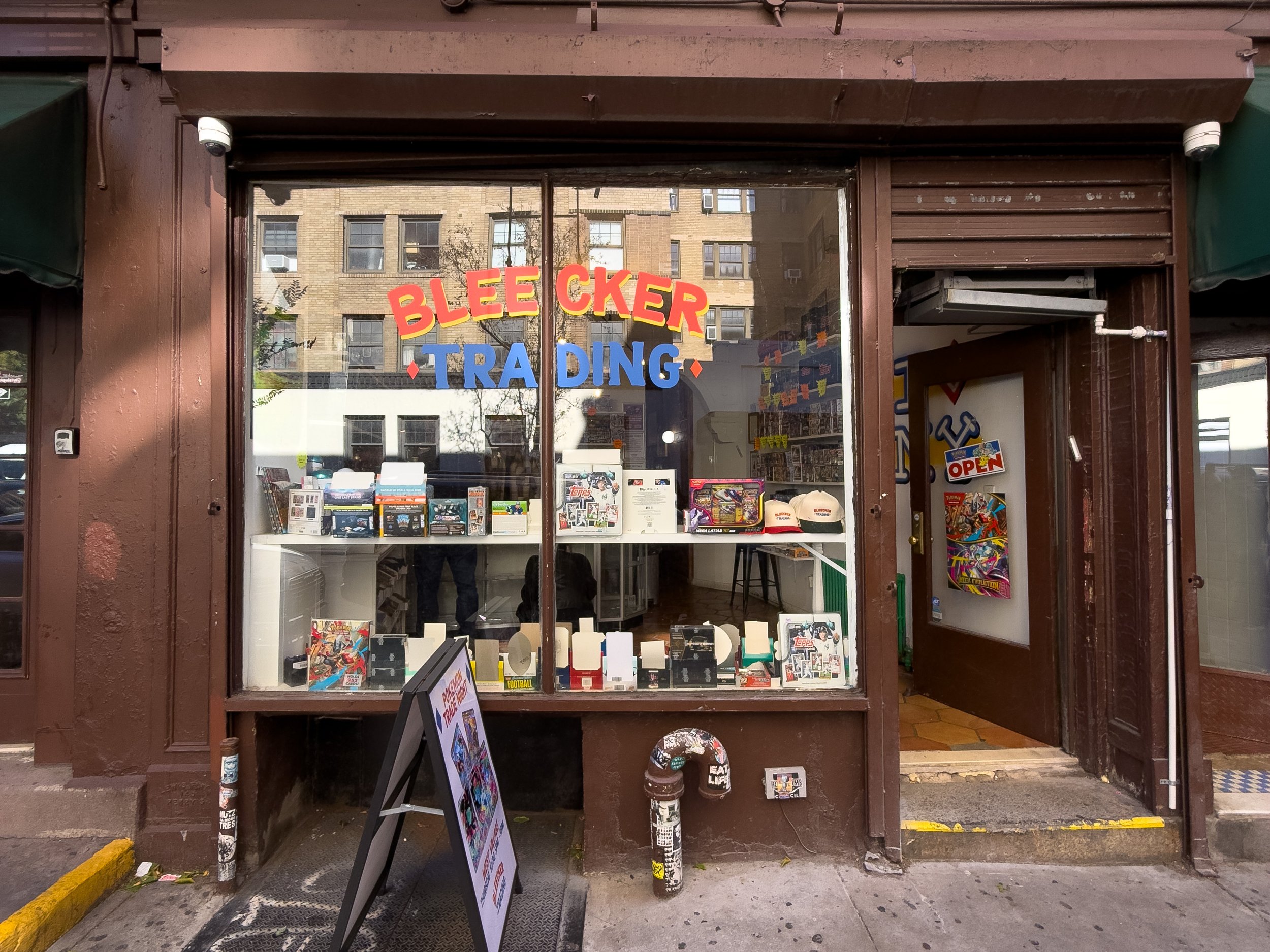
The shopping landscape mirrors that same sensibility: independent, tactile, and deeply local. Bleecker Street serves as the neighborhood’s retail spine, but the West Village’s character shows up most clearly in its smaller storefronts — places like Casa Magazines, Three Lives & Company, C.O. Bigelow Apothecaries, Madame Matovu, Murray’s Cheese, Cursive, and niche specialty shops that reward slow wandering. Pet lovers, design enthusiasts, and book collectors all find long-standing favorites within a few blocks, reinforcing the idea that shopping here is part of the neighborhood’s rhythm rather than a destination in itself.
Together, dining and shopping in the West Village support a lifestyle that feels organic and personal — where coffee stops, grocery runs, bookstore visits, and dinner plans blend seamlessly into daily routines, and where the neighborhood reveals itself gradually through repetition rather than spectacle.
Transportation
Despite its irregular, early-19th-century grid, the West Village is exceptionally well-connected. The (1) and (2) train runs up Seventh Avenue with stations at Christopher St-Stonewall and West Houston Street, while the (A), (C), (B), (D), (E), (F), and (M) lines converge at West 4th Street–Washington Square, creating one of downtown Manhattan’s most versatile transit hubs. Along the northern edge, the 14th Street corridor links residents to the (L) train, the Eighth Avenue and Seventh Avenue lines, PATH, and multiple crosstown buses.
Citi Bike docks are plentiful throughout the neighborhood, especially near Hudson Street and the Hudson River Greenway, making bike commutes or weekend rides particularly convenient. For many residents, cycling and walking are as practical as any subway line — the neighborhood’s scale and street pattern encourage slower movement and easy navigation.
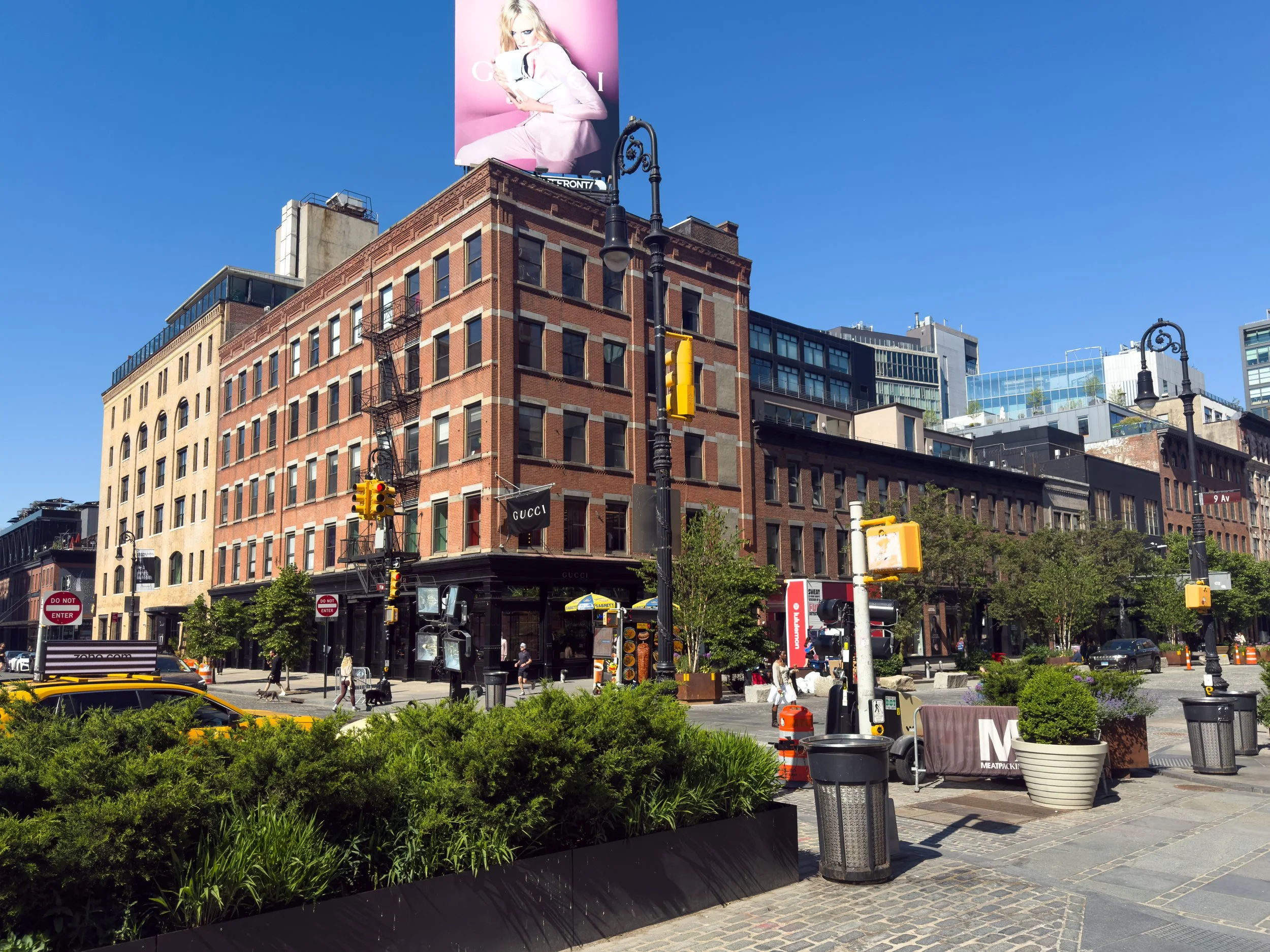
Walkability remains the West Village’s greatest transportation advantage. Most daily needs — from dining and groceries to fitness studios, parks, and waterfront access — sit within a comfortable 10–15 minute radius. Downtown destinations in SoHo, Chelsea, Greenwich Village, and the Meatpacking District are accessible entirely on foot, which contributes to the neighborhood’s enduring appeal: even with excellent subway access, the West Village is a place where many residents rely on transit less because so much of life unfolds nearby.
Schools
K–5 families are typically zoned for PS 3 Melser Charrette School and PS 41 Greenwich Village School, two well-known public options with strong reputations. Middle school pathways often include MS 104 and other downtown Manhattan options. A variety of nearby private schools across Greenwich Village, Chelsea, and Lower Manhattan provide additional pathways.
The West Village does not contain major higher-education institutions within its strict borders, though New York University, The New School, and other universities sit just east in Greenwich Village and are easily accessible on foot or by subway, with convenient commutes to other colleges and universities across Manhattan.
Real Estate Insights
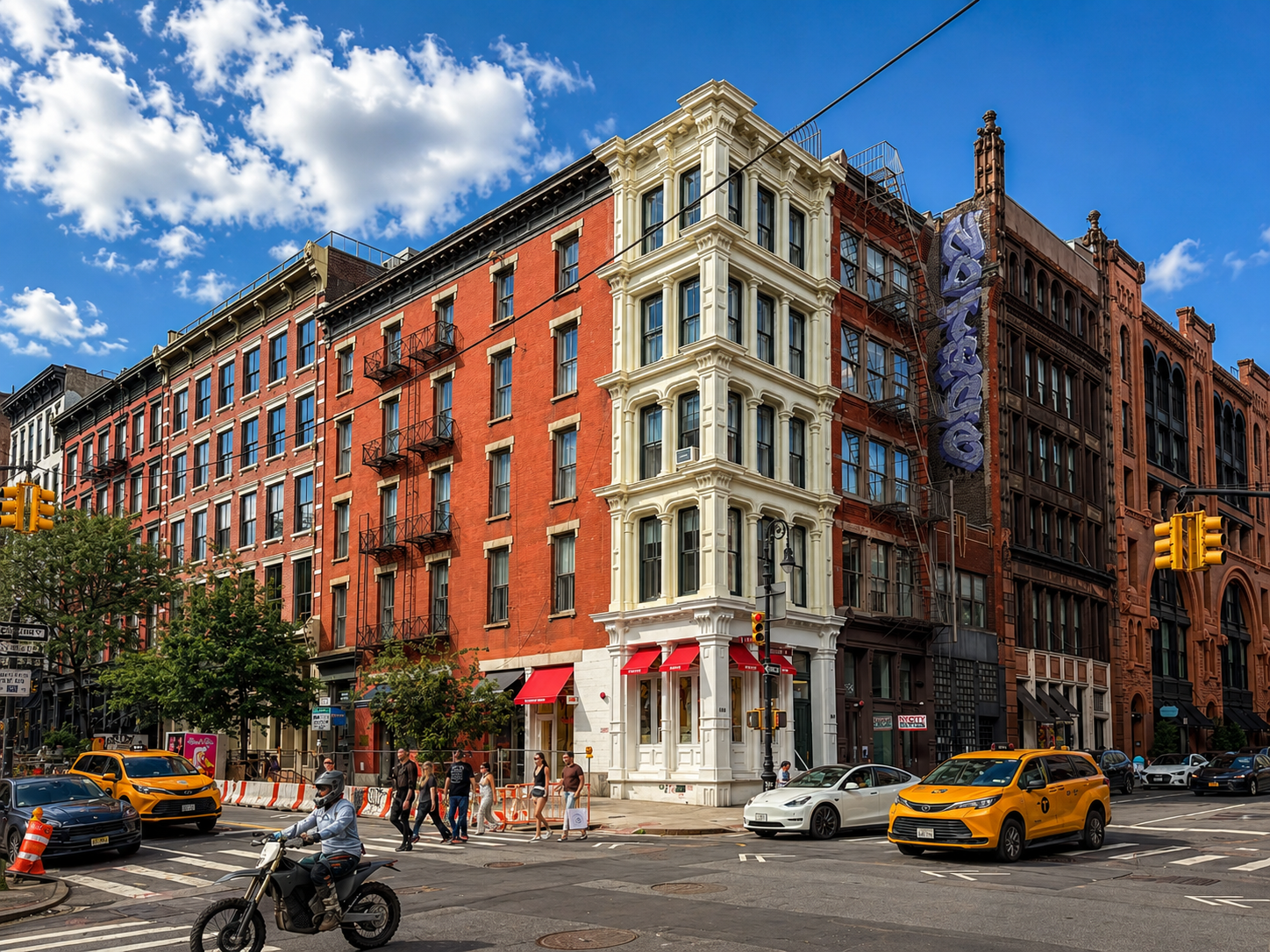
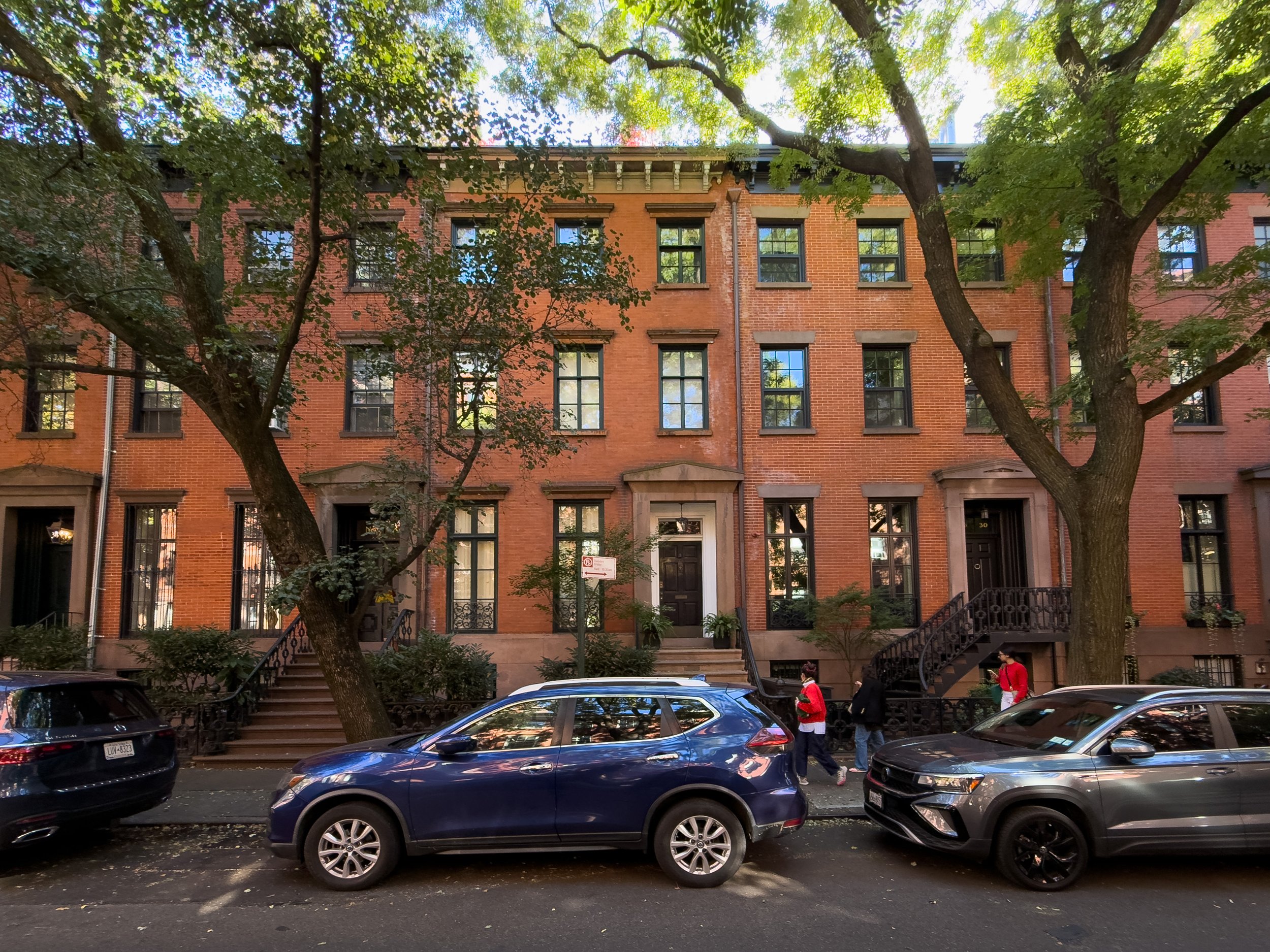
The West Village is one of Manhattan’s most architecturally significant residential neighborhoods — a place where Federal-style townhouses, Greek Revival row houses, brownstones, prewar walk-ups, and warehouse-to-loft conversions sit together on blocks that often predate the Manhattan grid. Much of the housing stock is landmarked, and the architectural integrity of these streets is a defining reason buyers are drawn here. The neighborhood’s buildings offer a rare blend of preserved exteriors and modern interiors, creating homes that carry both history and contemporary livability.
This architectural diversity isn’t just a visual backdrop — it shapes the buyer profile. Many people who purchase here value character, craftsmanship, and a sense of continuity more than they value maximizing square footage. Homes in the West Village tend to be tightly held, with long-term residency as the norm. When properties do come to market, they attract buyers specifically looking for the neighborhood’s distinctive proportions, façades, and tree-lined streets.
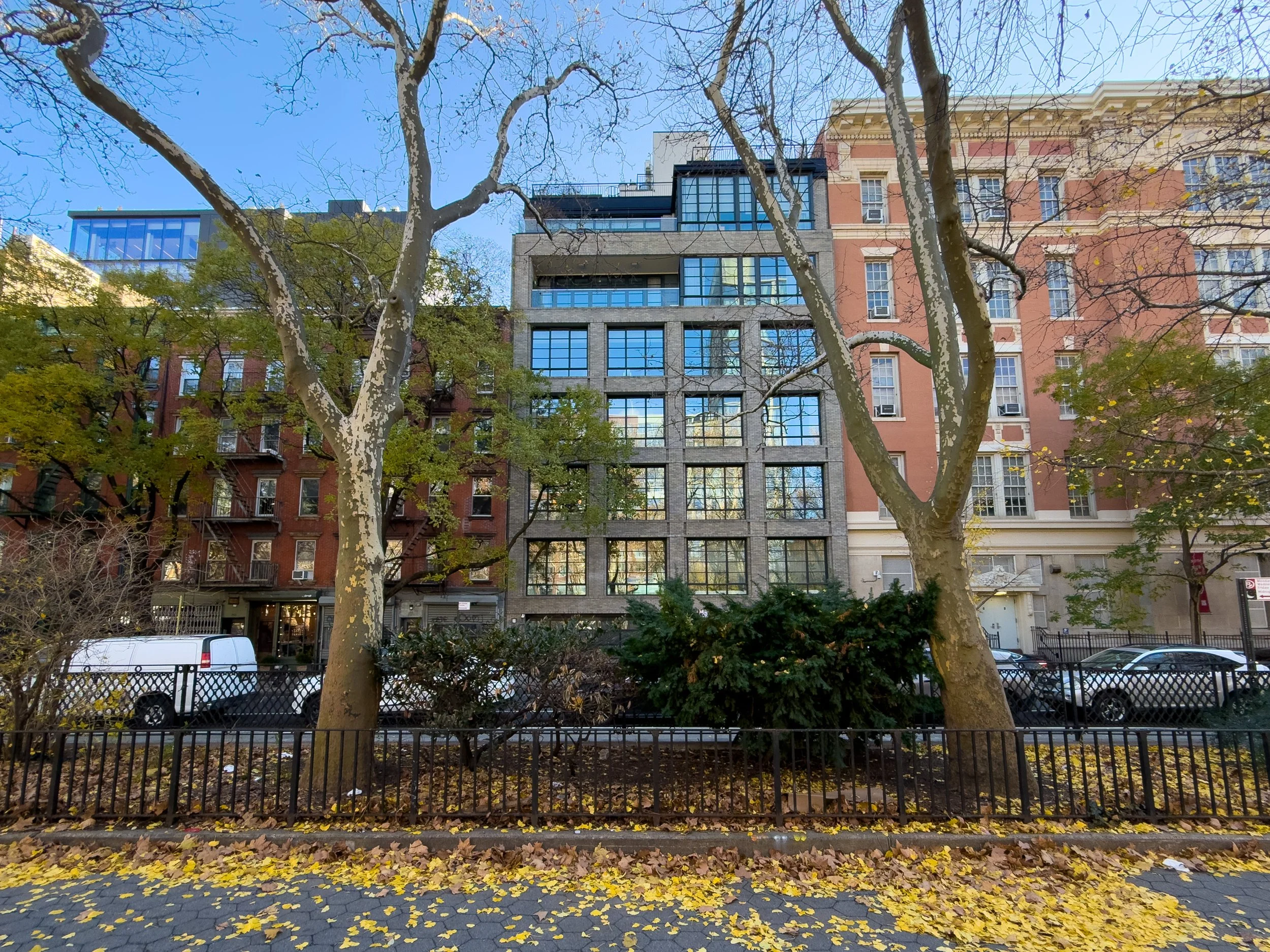
Boutique condominiums and loft conversions add some modern options, but the prevailing feel remains historic and residential. Whether it’s a perfectly restored brick façade, an original stoop, or a tucked-away townhouse garden, the West Village appeals to buyers who want a home with architectural substance in a neighborhood that feels both intimate and deeply rooted in the fabric of downtown Manhattan.
Sales Market At A Glance (2025)
Average Home Value (ZHVI / “Typical Home Values”): $1,808,338 (Zillow, data through Oct 31, 2025)
1-Year Home Value Change (ZHVI): -0.1% (Zillow)
Median List Price: $1,596,667 (Zillow, Nov 30, 2025)
Median Sale Price: ~$1.3M–$1.6M (Zillow; StreetEasy; Realtor.com; Redfin)
Price per Sq Ft: ~$2,084 PPSF (PropertyShark)
Median Days on Market: ~42–64 days (Redfin; StreetEasy)
By Bedroom (StreetEasy Price Index): Studio: ~$635K; 1-Bedroom: ~$1.125M; 2-Bedroom: ~$2.95M; 3-Bedroom: ~$5.25M
Inventory / New Listings: 124 for-sale inventory; 32 new listings (Zillow, Nov 30, 2025)
Notes: The gap between average home value and median list price reflects the West Village’s unique housing mix — where a limited number of high-value homes elevate overall valuations, even as most listings fall within more accessible price bands.
Source: Zillow, StreetEasy, PropertyShark, Realtor.com & Redfin (2025). Zillow’s Home Value Index (ZHVI) reflects average home values across all properties, using seasonally adjusted measures that incorporate recent sales and market data. Market stats vary by platform methodology, coverage, and property-type mix.
Trends
The West Village market remains defined by stability, scarcity, and long-term demand rather than volatility. Pricing has largely held firm, supported by limited inventory, strong end-user interest, and a housing stock that does not lend itself to rapid expansion or speculative turnover. Unlike neighborhoods with significant new-development pipelines, the West Village’s supply is structurally constrained by landmarked buildings and low-rise zoning, which continues to underpin value.
Buyer behavior reflects a selective but committed mindset. Homes that offer classic proportions, restored architectural details, and livable layouts tend to attract steady interest, while properties that feel compromised — whether due to layout, light, or condition — can linger longer. Co-ops remain a core segment of the market, providing relatively more accessible entry points, while condos and townhouses command premiums driven by flexibility, scale, and long-term ownership appeal.
Days on market suggest a pace that is deliberate rather than rushed, with buyers taking time to evaluate options but moving decisively when the right property becomes available. This dynamic reinforces the neighborhood’s reputation as a long-hold market: owners sell infrequently, and buyers often plan to stay for years rather than trade short-term.
Overall, the West Village continues to function as one of Manhattan’s most resilient residential submarkets — less reactive to short-term shifts and more anchored by fundamentals: architectural character, walkability, waterfront proximity, and enduring lifestyle appeal.
Final Thoughts
The West Village is defined by its cobblestone streets, human-scale architecture, and unmistakable sense of history — qualities that continue to make it one of Manhattan’s most enduring places to call home. Life here unfolds at a slower, more deliberate pace: quiet mornings on tree-shaded stoops, afternoons along the waterfront, and evenings shaped by neighborhood rituals rather than spectacle.
What ultimately sets the West Village apart is its balance — architectural preservation paired with everyday livability, cultural significance grounded in residential calm, and a housing market shaped less by turnover than by long-term commitment. For those drawn to character, continuity, and a deeply rooted sense of place, the West Village offers something increasingly rare in New York: a neighborhood that feels timeless, not transactional.
Buying or Selling in the West Village? Whether you’re exploring co-ops, condos, townhouses, or considering selling your current home, I’m happy to provide a complimentary Comparative Market Analysis (CMA) or share tailored insights into the local market. Contact me today to learn more.
For in-depth guides on topics like buyer financing, NYC closing costs, pricing strategies, and more — visit the Resources & Insights hub for resources designed to help guide buyers and sellers in the West Village real estate market.
Related Manhattan Neighborhood Guides