Lower East Side, Manhattan
Rooted in immigrant history and redefined by creative energy, the Lower East Side offers a dynamic mix of architecture, culture, and everyday life at the heart of downtown Manhattan.
Lower East Side
1. Neighborhood: One of Manhattan’s most historic and evolving downtown enclaves, defined by tenement-era architecture, contemporary condo towers, and dense, eclectic streetscapes.
2. Conveniences: Walkable access to Sara D. Roosevelt Park, East River paths, Essex Market, and everyday essentials woven through one of Manhattan’s most compact grids.
3. Transit: (F)(J)(M)(Z) at Delancey–Essex; (B)(D) at Grand Street; dense Citi Bike coverage and quick connections to Lower Manhattan.
4. Real Estate: A mix of prewar walk-ups, classic tenements, boutique condos, larger new developments, and established co-op communities — offering more accessible downtown price points
The Vibe at a Glance
The Lower East Side (LES) is one of downtown Manhattan’s most expressive neighborhoods — energetic, textured, and unmistakably urban. Music venues, galleries, cafés, and late-night corridors sit just steps from quieter residential pockets near the East River. Historic buildings and modern developments coexist, shaping a housing landscape that appeals to buyers seeking both heritage and flexibility. With its creative culture, walkability, and wide range of condo, co-op, and prewar options, the LES draws residents who want authentic downtown living and strong long-term appeal. Exploring the Lower East Side real estate market or planning a future sale? Get tailored insights on pricing, timing, and neighborhood trends — let’s start the conversation.
Lower East Side, Manhattan 10002
Neighborhood
North to South: 14th St. to East Houston
East to West: East River to 4th Ave. and Bowery
Nearby Neighborhoods: East Village, Nolita, NoHo, SoHo, Chinatown
MTA Subway
(F) (J) (M) (Z) (B) (D); Walk to (4) (6)
Local Commute Times
Financial District: 20m train, 15m car
Grand Central: 29m train, 25m car
Downtown Brooklyn: 25m train, 25m car
Williamsburg: 24m train, 20m car
Lower East Side
The Lower East Side is one of Manhattan’s most historic and continuously evolving neighborhoods — a place where 19th-century tenements and prewar walk-ups now stand alongside modern condo towers and architect-designed residences. Located along Manhattan’s east side bordering the East Village, Chinatown, Nolita, and the Bowery, the LES remains distinct: denser, more eclectic, and deeply shaped by its immigrant roots and creative identity.
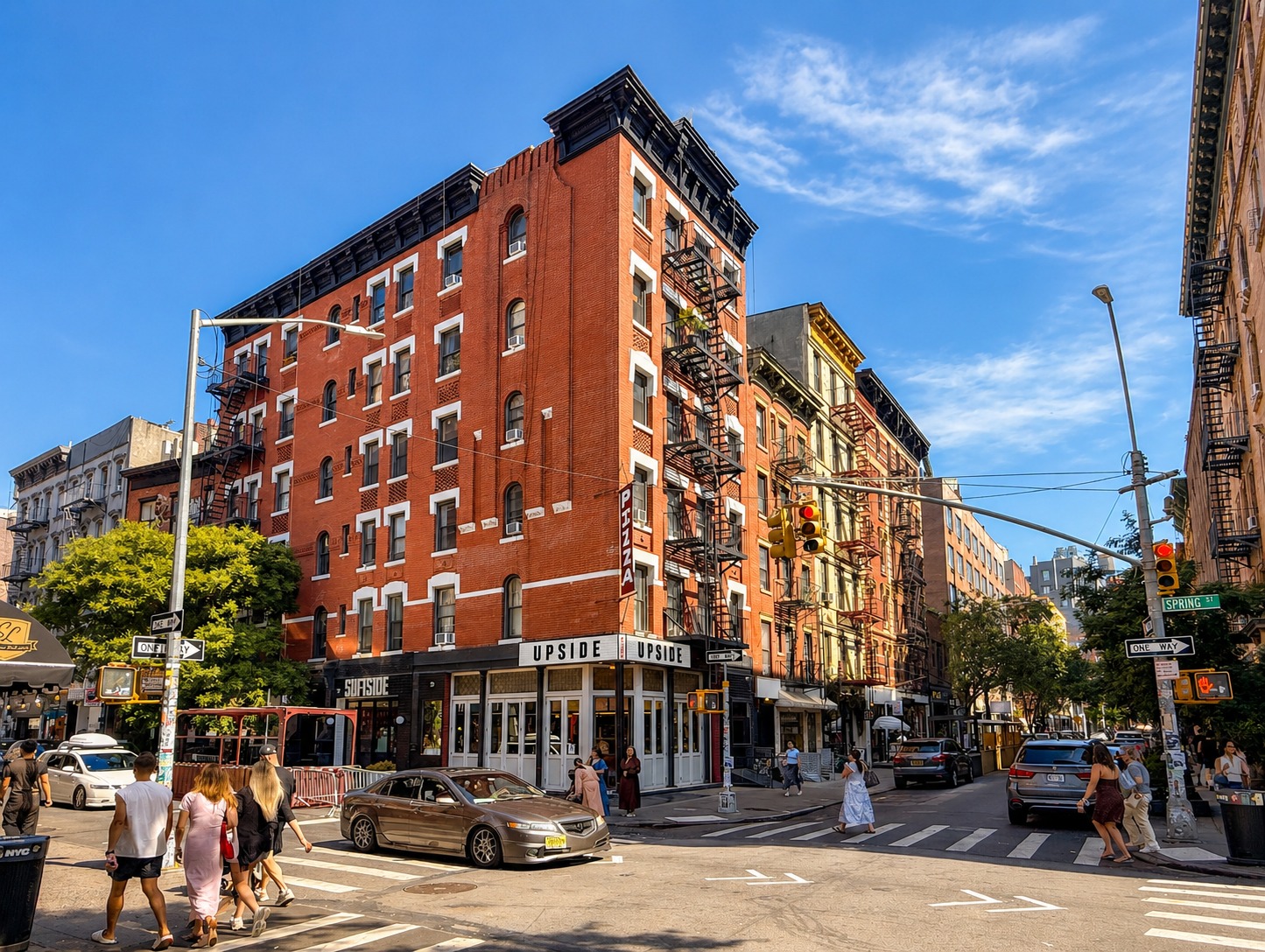
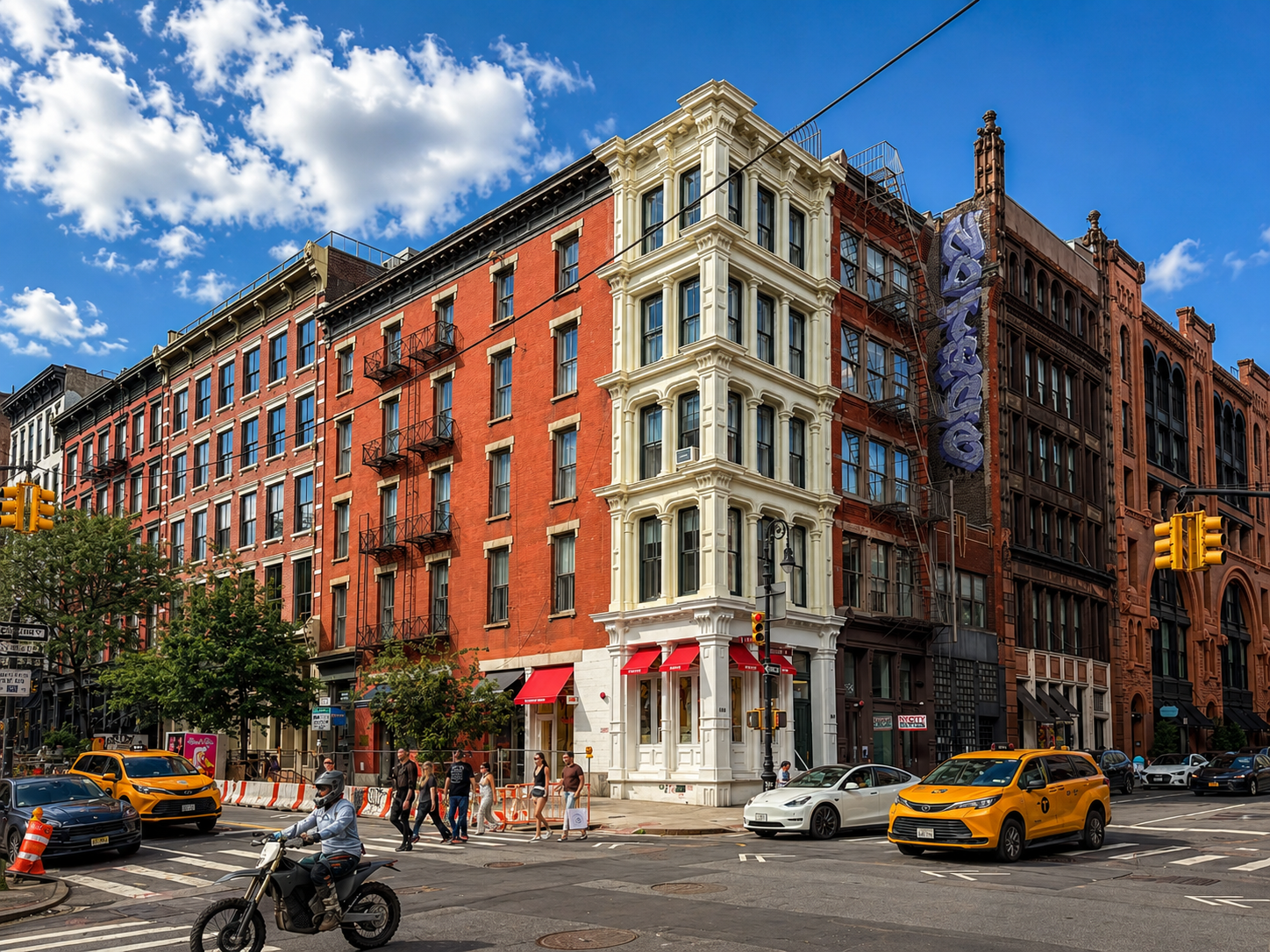
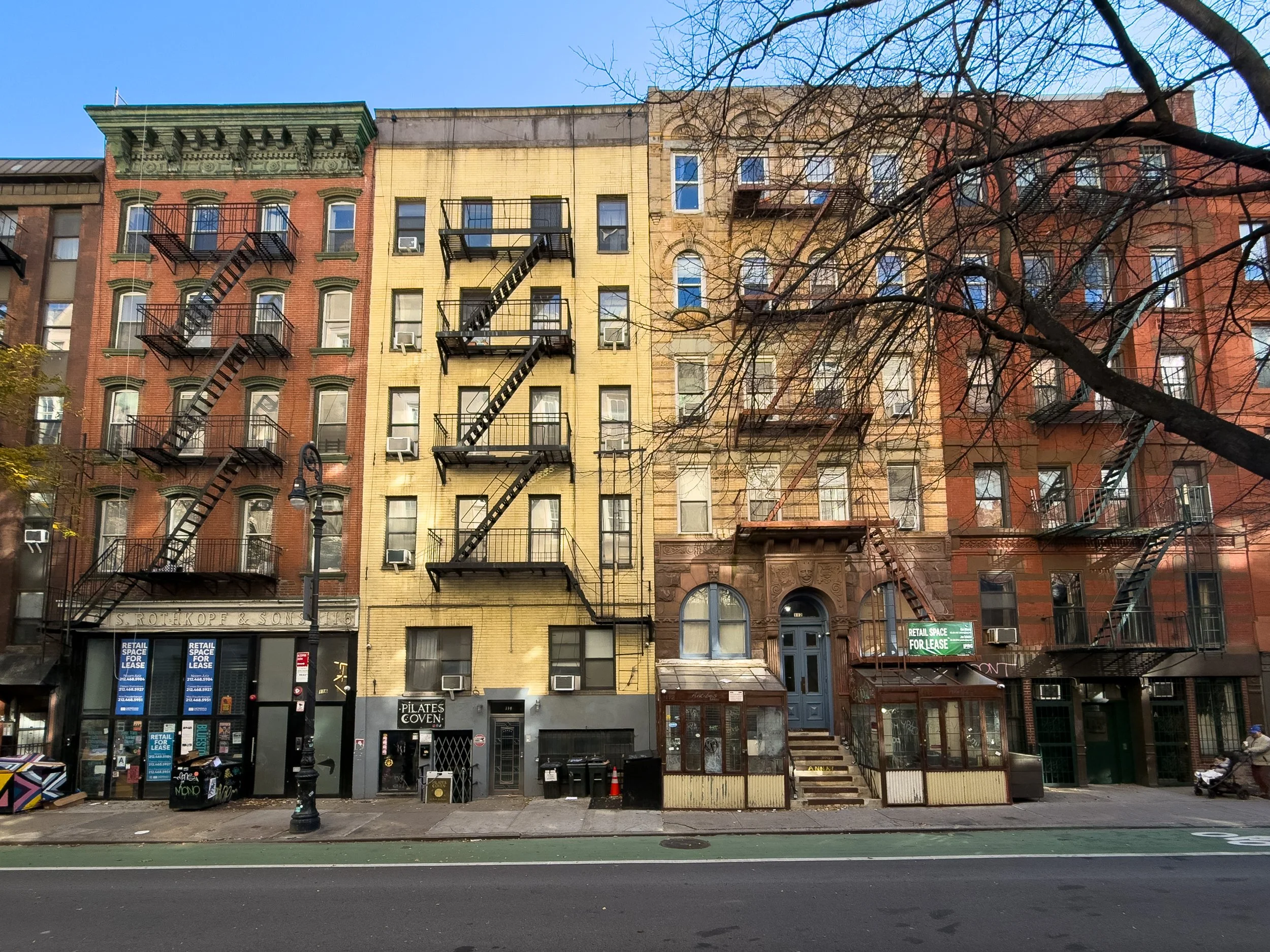
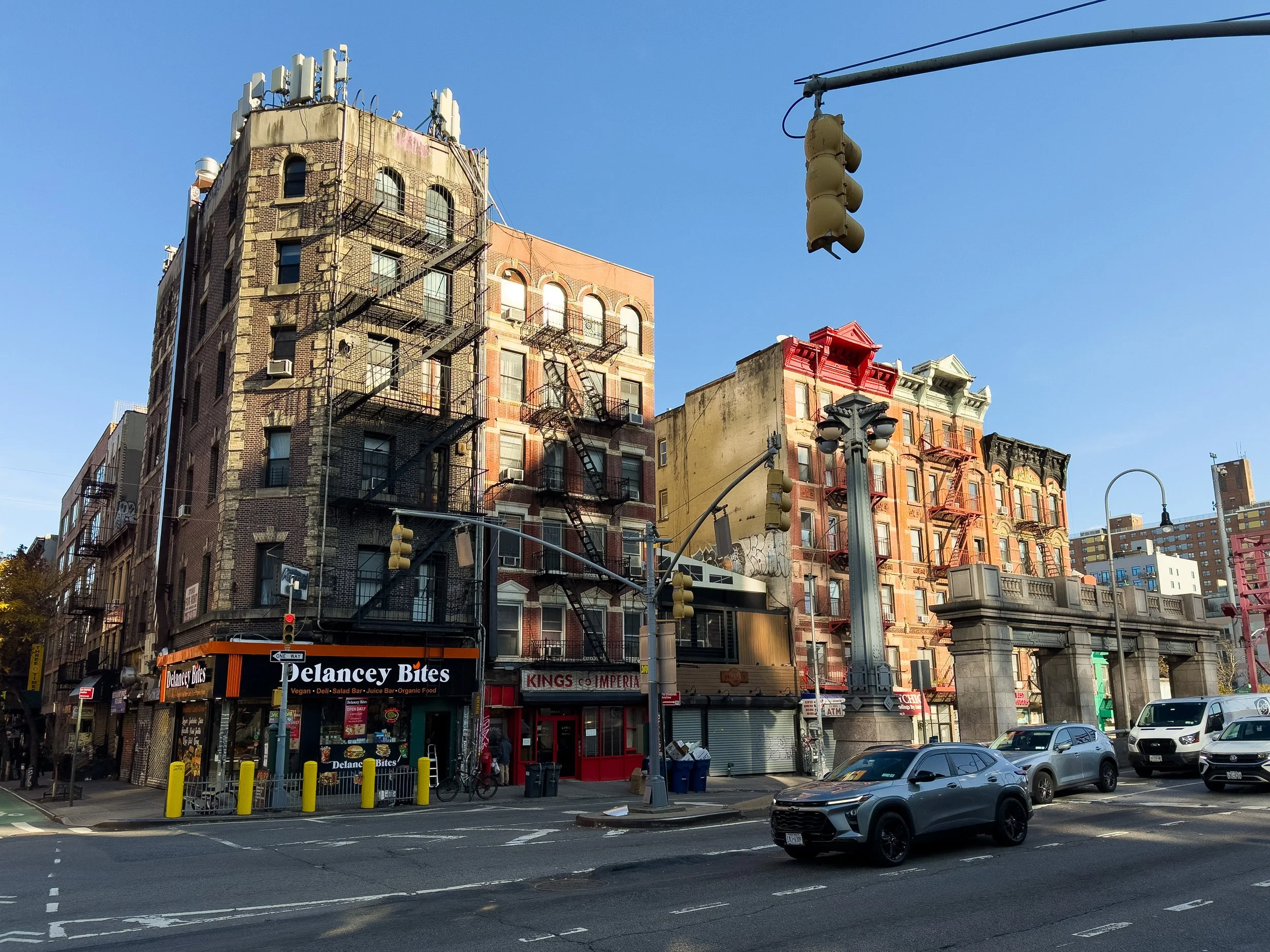
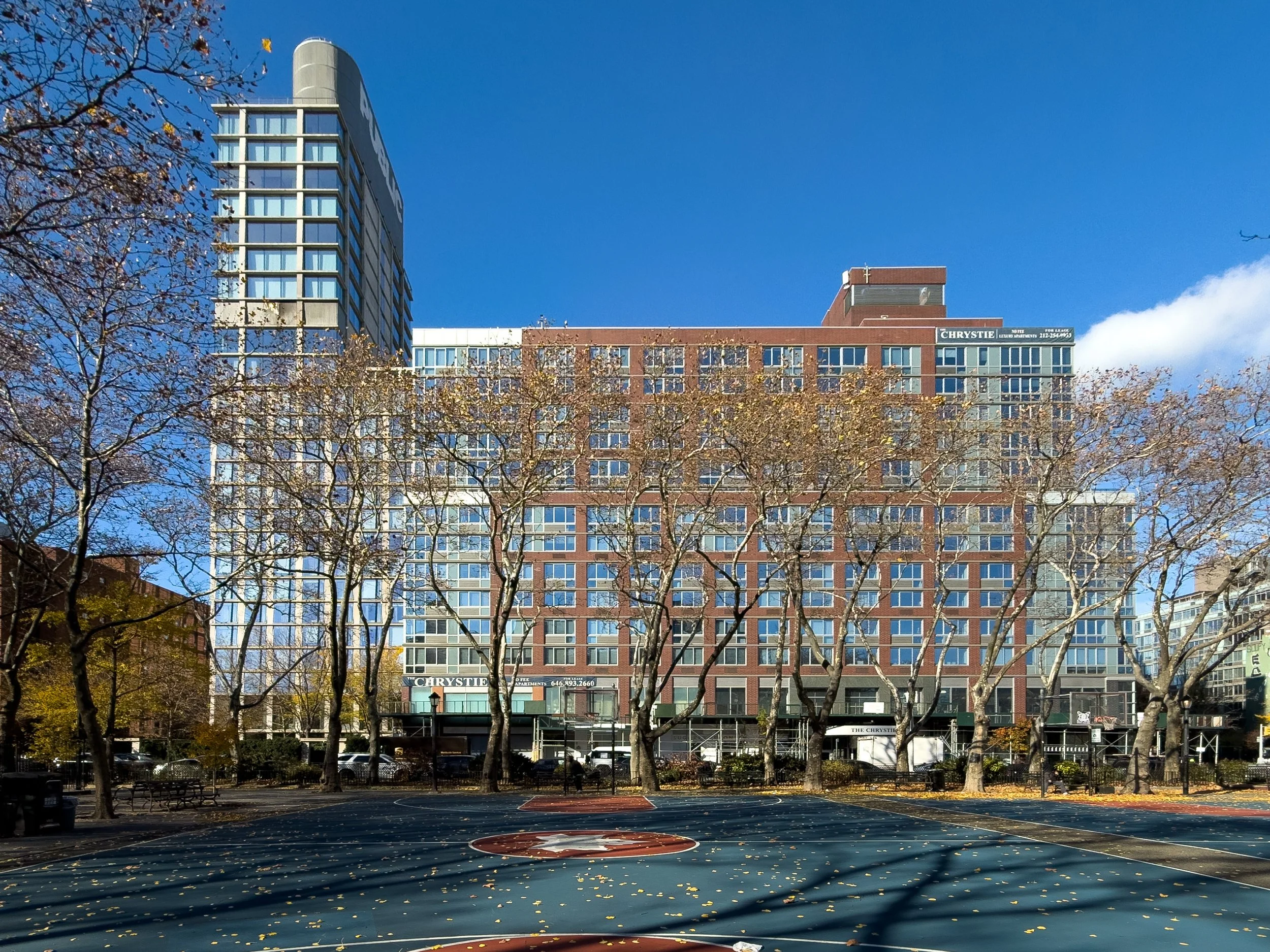
Residential architecture spans classic tenement buildings with fire escapes, prewar walk-ups, boutique condo developments, and larger contemporary projects around Delancey, Essex, and Chrystie. Established co-op communities — most notably the Co-Op Village complexes along Grand Street — offer larger layouts and a quieter residential setting near the East River. This mix draws first-time buyers, long-term renters, artists, and downtown professionals seeking architectural appeal, downtown access, and everyday convenience
Today, the LES balances history with reinvention. Preserved prewar architecture stands just blocks from new amenity-rich developments, giving buyers and renters the choice between homes with vintage charm, modern condos, or flexible spaces that bridge both worlds.
Vibe and Atmosphere
The Lower East Side carries one of the most vibrant atmospheres in New York City — lively, layered, and unmistakably urban. Its energy shifts block by block: narrow streets lined with fire escapes and murals open onto bustling nightlife corridors, while quieter residential pockets near the East River and south of Houston offer a more grounded, everyday rhythm.
This is a neighborhood shaped by creativity in all its forms. Music venues like Arlene’s Grocery, Pianos, and Mercury Lounge sit alongside independent galleries and experimental performance spaces, continuing a legacy that stretches back to the artists, musicians, and comedians who once defined downtown culture. Cultural institutions such as the Tenement Museum, the New Museum, and the International Center of Photography add further dimension, while street art and murals animate the built environment with color and texture.
The Lower East Side is equally known for its nightlife and dining culture. Bars, restaurants, late-night cafés, and speakeasies draw visitors from across Manhattan and Brooklyn, creating a steady flow of foot traffic — especially along Ludlow, Stanton, and Rivington Streets. Yet despite the activity, the neighborhood retains a lived-in familiarity: morning lines outside bagel shops, neighbors chatting on stoops, and cafés buzzing with students, artists, and downtown professionals anchor a sense of community beneath the bustle.


Amenities and Conveniences
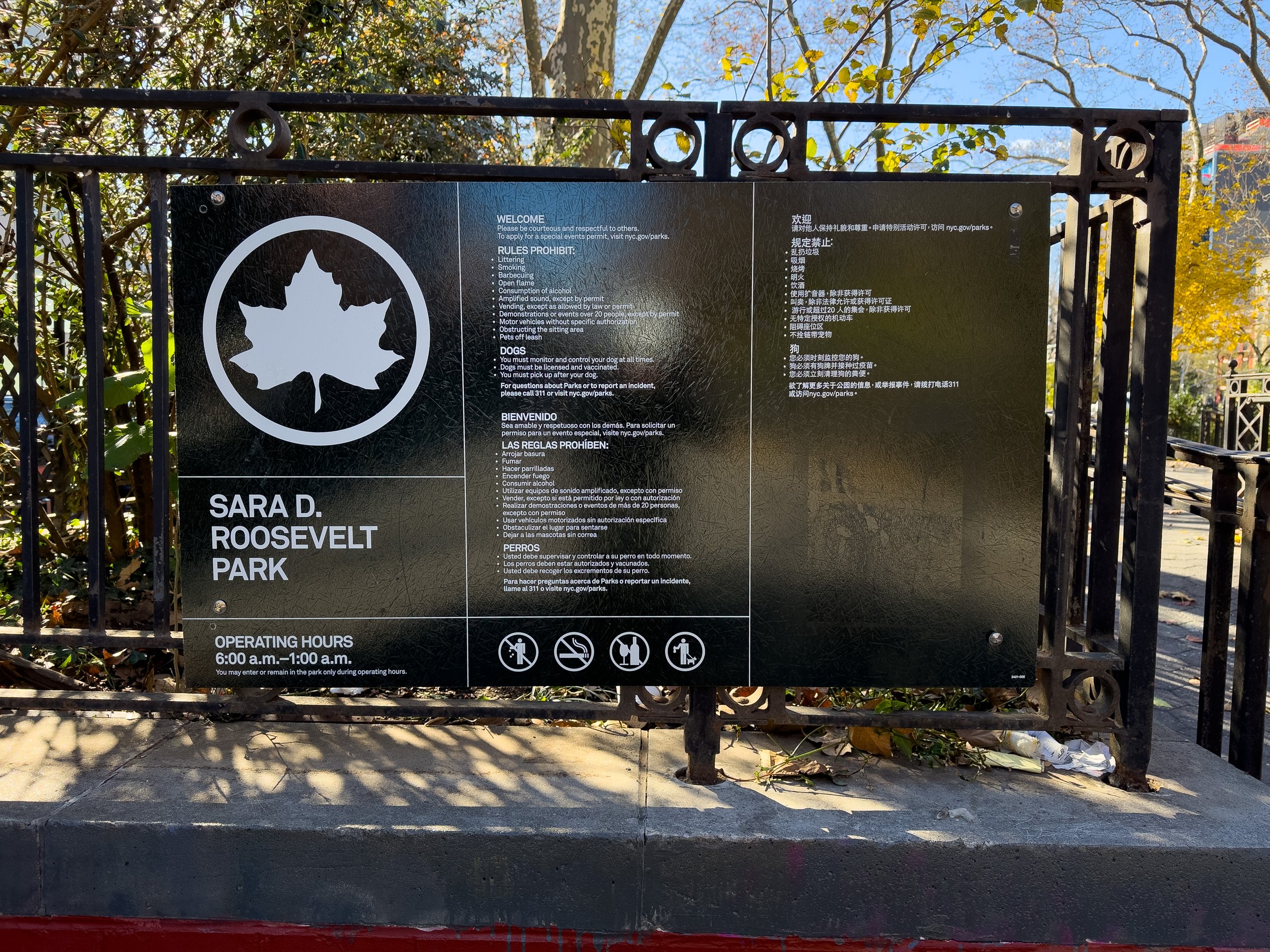
Residents of the Lower East Side benefit from a wide mix of parks and everyday conveniences, all within one of Manhattan’s most compact and highly walkable neighborhoods. Sara D. Roosevelt Park runs north–south along Chrystie Street with basketball courts, playgrounds, and shaded seating areas.
To the east, Hamilton Fish Park offers a recreation center, ballfields, and one of the neighborhood’s most active public pools, while Seward Park and Nathan Straus Playground provide additional green space for families and community activities. Along the waterfront, East River Park and the Esplanade offer paths, open recreation areas, and river views. Portions of this shoreline are being upgraded through the East Side Coastal Resiliency (ESCR) project, which will enhance flood protection while expanding park access and pedestrian connections.
For daily essentials and specialty shopping, Essex Market and the broader Essex Crossing development have become major neighborhood anchors. The market blends produce vendors, bakeries, prepared foods, independent purveyors, and community programs — a modern evolution of one of New York’s oldest public markets. Across the LES, independent grocers, bodegas, pharmacies, bakeries, and small food shops fill in the gaps, making most daily needs accessible within a short walk.
Together, these parks, markets, and local conveniences create a strong day-to-day foundation for residents. Despite its density, the LES remains an easy neighborhood to navigate on foot, with everything from groceries to green spaces clustered within a compact, highly livable grid.




Dining and Shopping
The Lower East Side remains one of NYC’s most diverse dining districts, with destination restaurants spanning the neighborhood from Houston down toward Delancey. Local anchors like Katz’s Delicatessen and Russ & Daughters Café connect the area’s deep culinary history with its modern identity, while restaurants such as Dirt Candy, Le French Diner, Ha’s Snack Bar, Scarr’s Pizza, Remedy Diner, Good Thanks Café, and Xi’an Famous Foods continue to draw diners from across the city. Together, they shape a diverse culinary landscape known for being both inventive and deeply rooted in tradition.
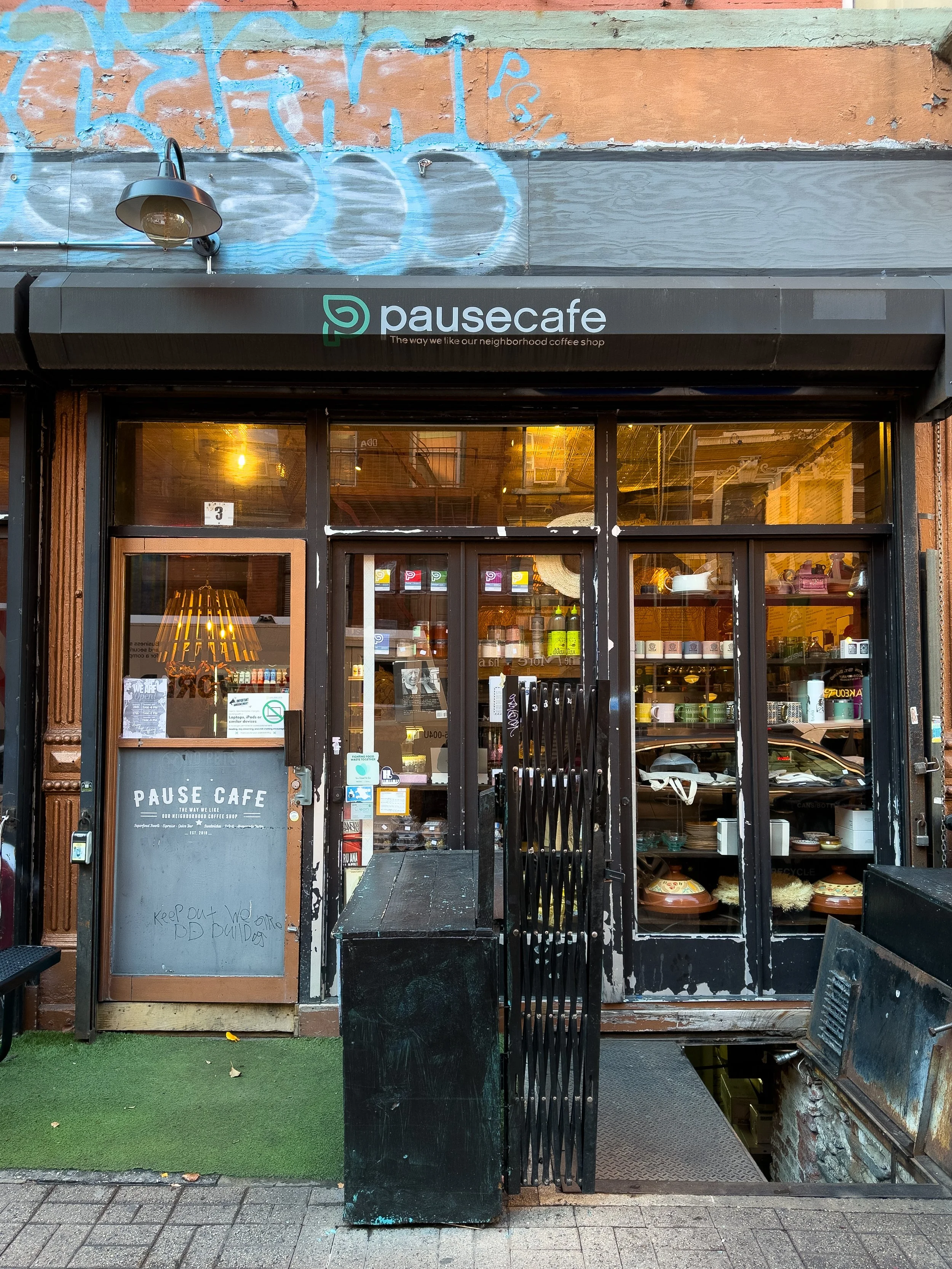
Beyond these destination spots, the surrounding blocks offer an array of cafés, bakeries, and intimate neighborhood eateries serving everything from contemporary vegetarian cooking to eclectic, globally influenced cuisine. Residents rely on local staples such as Café Grumpy, Vita Coffee, Black Cat LES, El Rey, Pause Café, and the long-standing Kossar’s Bagels & Bialys for morning routines, quick lunches, and everyday meals. These smaller establishments help define the lived-in character of the LES, reinforcing a sense of community that aligns closely with its residential streets and local identity.
Shopping on the Lower East Side leans boutique and independently driven, with a mix of fashion, home goods, vintage, and lifestyle stores that mirror the neighborhood’s creative spirit. The area is dotted with small apparel shops, curated vintage stores, design-forward home and gift boutiques, and specialty retailers—many run by local makers or long-standing independent owners.
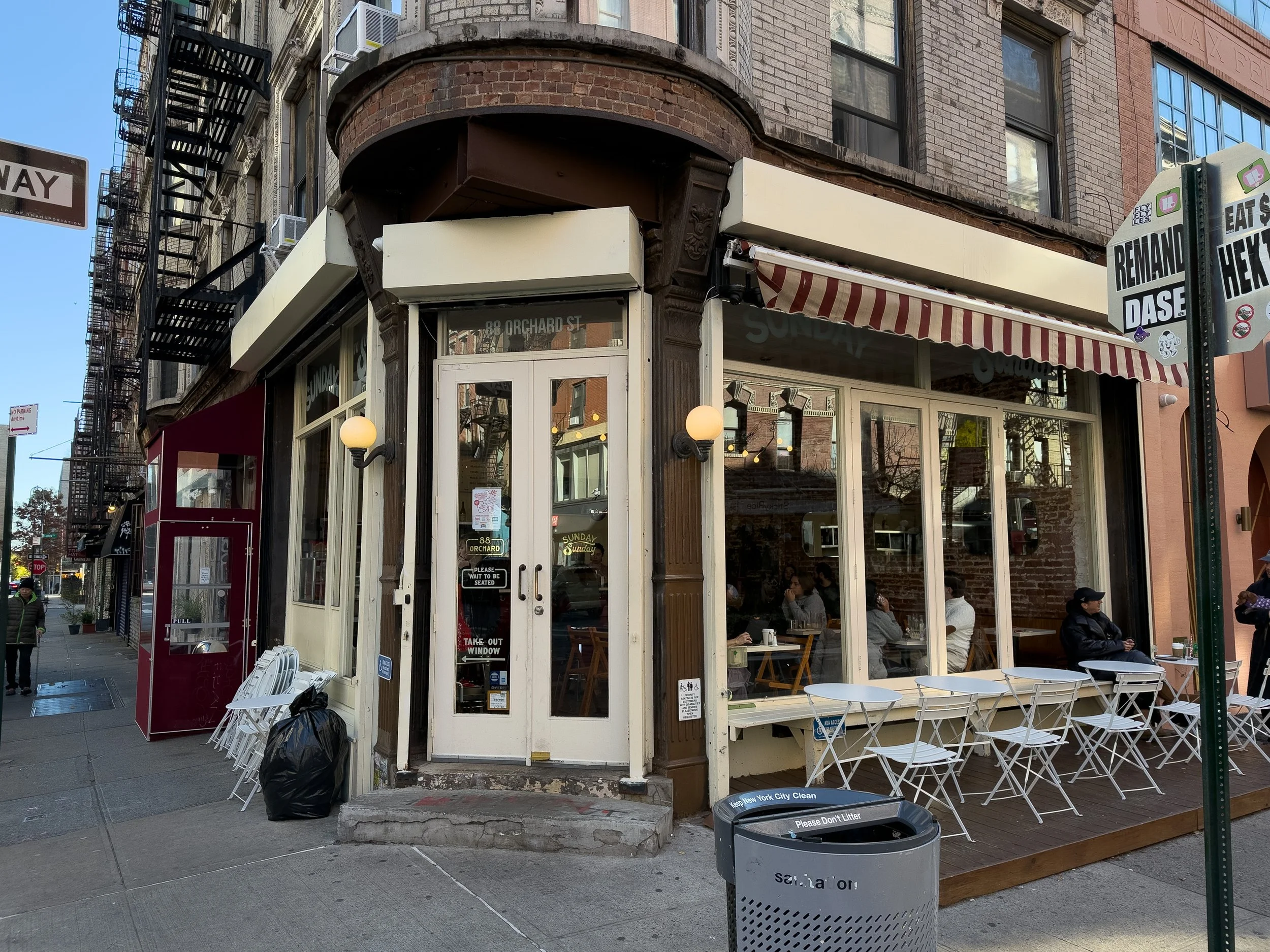
Along Orchard, Ludlow, and Stanton Streets, you’ll find an evolving collection of contemporary clothing brands, handmade goods, and niche concept shops that contribute to the neighborhood’s distinctive style. Together, these retailers create a shopping scene that feels authentically downtown and firmly rooted in the neighborhood’s independent character.
Transportation
Getting around from the Lower East Side is simple and efficient, with subway service via the (F)(J)(M)(Z) lines at Delancey–Essex Street and the (B)(D) at Grand Street, offering straightforward access to Downtown, Midtown, and the wider city. Citi Bike stations are plentiful throughout the neighborhood — especially near Delancey, the East River Greenway, and along major avenues — providing an easy option for short trips or daily commutes. Bus routes along Houston Street, Delancey Street, and Grand Street add additional coverage. Combined with the area’s strong walkability and compact grid, the Lower East Side remains one of Manhattan’s most accessible neighborhoods for residents who prefer a pedestrian-centered lifestyle.
Schools
The Lower East Side offers a range of public and charter school options, including several District 1 elementary and middle schools that operate through the city’s choice-based enrollment system. As a result, families often consider both in-neighborhood options and nearby schools in the East Village and Lower Manhattan.
Early-childhood centers, preschools, and daycare programs are common throughout the Lower East Side, reflecting the neighborhood’s growing residential appeal. Private and independent school options are located just outside the immediate boundaries, with additional choices available across the East Village and the Lower Manhattan corridor.
While the Lower East Side does not contain major college campuses within its strict geographic limits, it sits near several institutions — including NYU, Cooper Union, and Pace University — making the neighborhood especially convenient for students, faculty, and downtown professionals.
Real Estate Insights
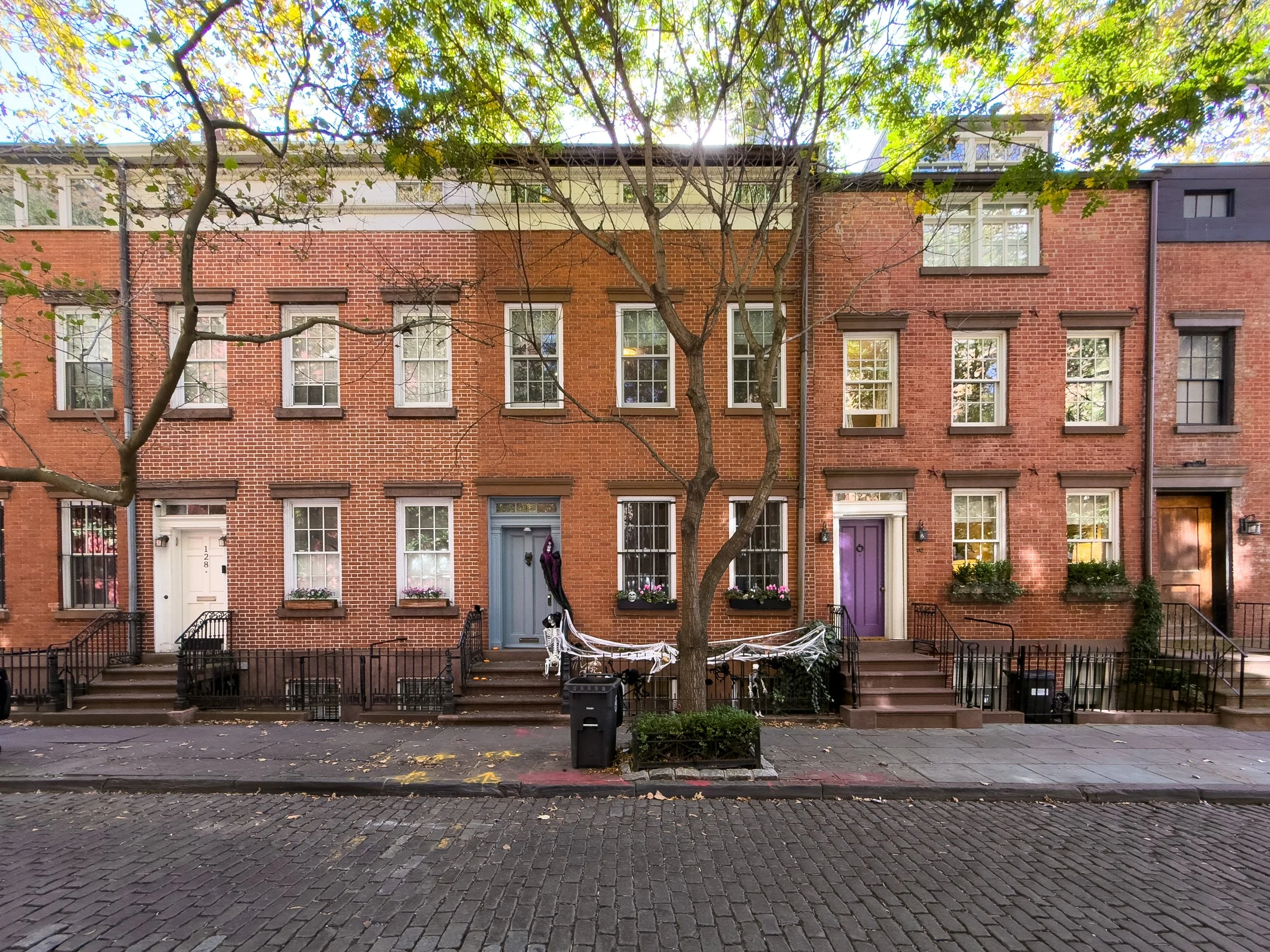
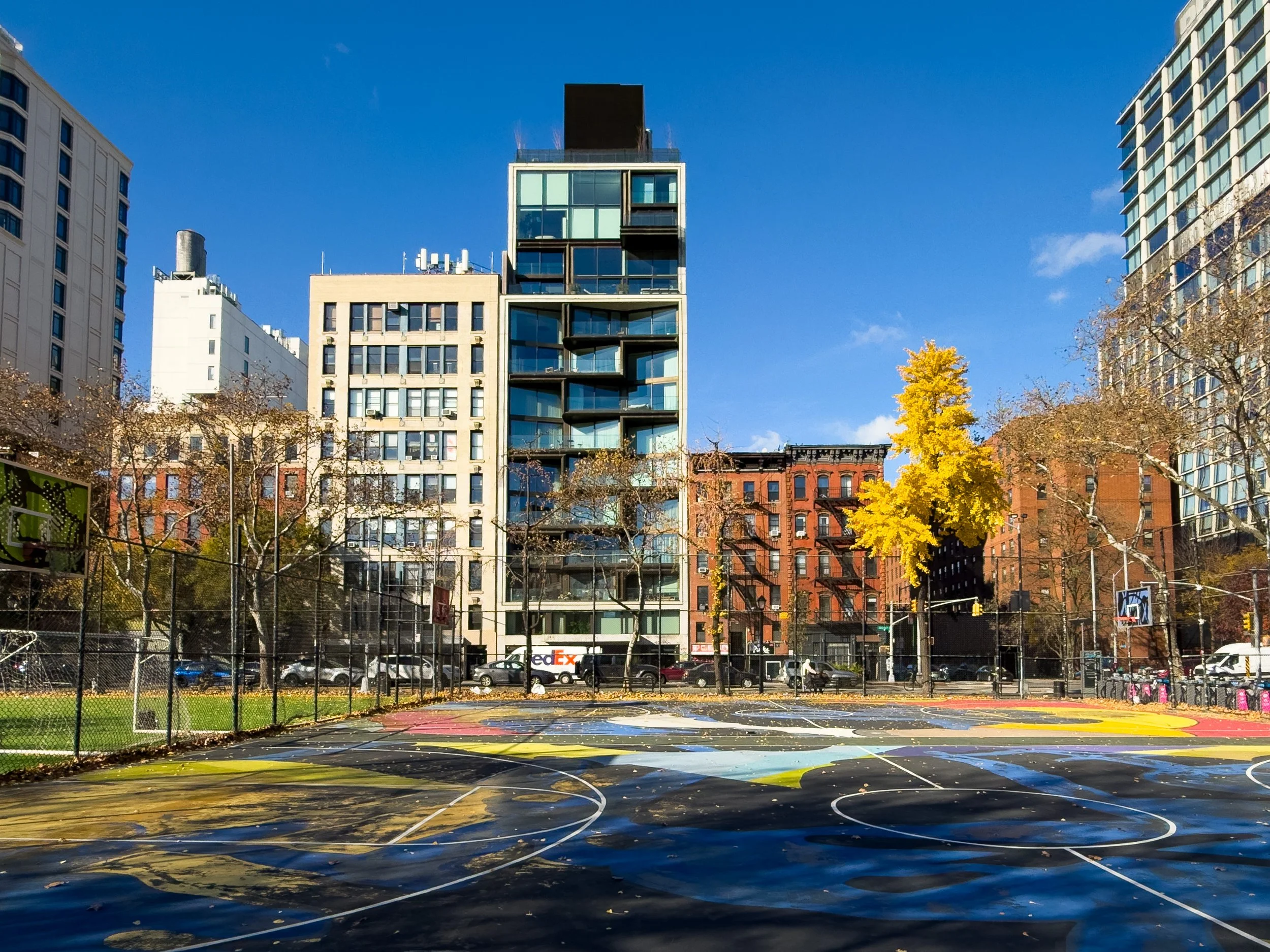
The Lower East Side offers one of Manhattan’s most varied and evolving housing landscapes. Classic tenement and prewar walk-up buildings remain core to the neighborhood’s identity, with fire escapes, brick facades, and historic details defining much of the streetscape. Alongside these older buildings are a growing number of boutique condo developments and larger contemporary projects clustered around Delancey, Essex, and Chrystie Streets. These newer residences often feature modern amenities, outdoor spaces, and elevator access — a contrast to the LES’s older stock of intimate, walk-up buildings.
Co-op ownership is also a defining feature of the area. The established Co-Op Village complexes along Grand Street offer larger layouts and a distinctly residential setting near the East River, making them a popular choice for buyers seeking value and space relative to other downtown neighborhoods. Smaller prewar co-ops and condo conversions fill in blocks closer to Houston and Orchard Streets, catering to buyers who want character-rich interiors paired with downtown living.
This mix of tenements, co-ops, boutique condos, and new high-rise developments supports a broad buyer profile — from first-time purchasers and long-term renters transitioning to ownership, to investors and downtown professionals seeking proximity to nightlife, culture, and transportation. Compared with SoHo, Tribeca, or the West Village, the LES still offers comparatively more accessible price points, particularly for 1- and 2-bedroom units or homes within larger co-op developments.
Sales Market At A Glance (2025)
Average Home Value (ZHVI): $991,398 (Zillow)
1-Year Home Value Change: +1.5% (Zillow)
Median List Price: ~$1.0M to ~$1.33M (Zillow; Realtor.com)
Median Sale Price: ~$800K to ~$1.0M (depending on source and property type; PropertyShark; Realtor.com)
Price per Sq Ft: ~$1,200 PPSF (PropertyShark)
By Bedroom: Studio ~$550K; 1-Bedroom ~$995K; 2-Bedroom ~$1.85M; 3-Bedroom ~$2.92M (Prices vary widely by building type and new-development inventory; StreetEasy)
Inventory: 171 homes for sale; 33 new listings (Zillow, Q4 2025)
Median Days on Market: ~58 to 77 days (Redfin; Realtor.com)
Source: Zillow, StreetEasy, PropertyShark, Realtor.com & Redfin (2025). Zillow’s Home Value Index (ZHVI) reflects average home values across all properties using seasonally adjusted data.




Trends
The Lower East Side market remains active but measured, with pricing stabilizing after several years of growth driven by Essex Crossing and steady demand for downtown living. Zillow’s ZHVI shows modest year-over-year appreciation (+1.5%), suggesting the neighborhood is holding value even as buyers recalibrate expectations around pricing and interest rates.
Median days on market — 58 to 77 days — indicate buyers are taking more time to evaluate options, particularly within co-op and condo buildings where inventory has widened slightly. Still, competitively priced homes near Essex, Delancey, Orchard, and Ludlow tend to move more quickly, supported by consistent demand from first-time buyers and downtown professionals. PropertyShark’s Q3 data shows PPSF holding in the high $1,200s, with condos demonstrating relative strength and co-op pricing benefiting from ongoing value-seeking.
A key advantage for the LES is its accessibility relative to nearby submarkets: buyers priced out of SoHo, Nolita, or the West Village often view the neighborhood as a compelling alternative with strong transit access, cultural amenities, and a broader range of price points. Continued investment and modern development around Essex Crossing have expanded amenity-rich options and strengthened long-term appeal. Overall, a balanced and resilient market marked by stable pricing, healthy inventory, and sustained demand across most segments.
Final Thoughts
The Lower East Side represents one of Manhattan’s most dynamic and culturally rich neighborhoods — where immigrant history, cultural diversity, and urban energy meet the realities of modern living. Its mix of longtime residents, recent arrivals, and young creatives contributes to an atmosphere that feels expressive, open, and distinctly LES. With its historic architecture, vibrant dining and arts scene, walkability, transit access, and varied housing options, the neighborhood appeals to buyers seeking both character and flexibility at the heart of downtown Manhattan.
Thinking of buying or selling in the Lower East Side? Get tailored insights into the local market or request a complimentary CMA. Reach out — let’s start the conversation.
For more NYC real estate guides, visit the Resources & Insights hub for tips designed to help buyers and sellers navigate the Lower East Side real estate market.
Related Manhattan Neighborhood Guides