Chelsea, Manhattan
Chelsea
1. Neighborhood: Long-established West Side residential neighborhood bridging Midtown and Downtown, defined by long blocks, varied architecture, and a clear interior–West Side density contrast.
2. Conveniences: Daily infrastructure is embedded throughout the neighborhood, with grocery options, fitness studios, medical offices, and services distributed block by block rather than along a single retail strip.
3. Transit: Extensive subway access with strong north–south and east–west connectivity, plus Citi Bike coverage and proximity to major regional transit hubs.
4. Real Estate: Highly segmented housing market varying by block and building type; inventory spans older co-ops, loft buildings, and newer condominiums, with distinct turnover and pricing patterns by sub-market.
The Vibe at a Glance
Chelsea balances residential stability with steady urban movement. Weekday routines — commuting, errands, fitness, and dog walks — shape the neighborhood as much as weekend activity. Long blocks, varied building types, and a high rate of long-term ownership give Chelsea a lived-in feel that distinguishes it from more transient areas nearby. Major public spaces and newer development add visible energy along the neighborhood’s western edge, while interior streets remain distinctly residential. The result is a neighborhood that feels active without being overwhelming, and established without feeling static. Thinking of buying or selling in Chelsea? Get tailored insights into the local market —let’s start the conversation.
Chelsea, Manhattan 10011
Neighborhood
North to South: 34th Street to 14th Street
East to West: 6th Ave. to 12th Ave.
Nearby Neighborhoods: West Village, Hell's Kitchen, NoMad, Union Square, Midtown Manhattan
MTA Subway Lines
(A) (C) (E) (L) (1) (2) (3) (F) (M) PATH
Commute Times
Financial District: 20m train, 17m car
Grand Central: 25m train, 18m car
Central Park: 20m train, 24m car
Downtown Brooklyn: 32m train, 22m car
Chelsea
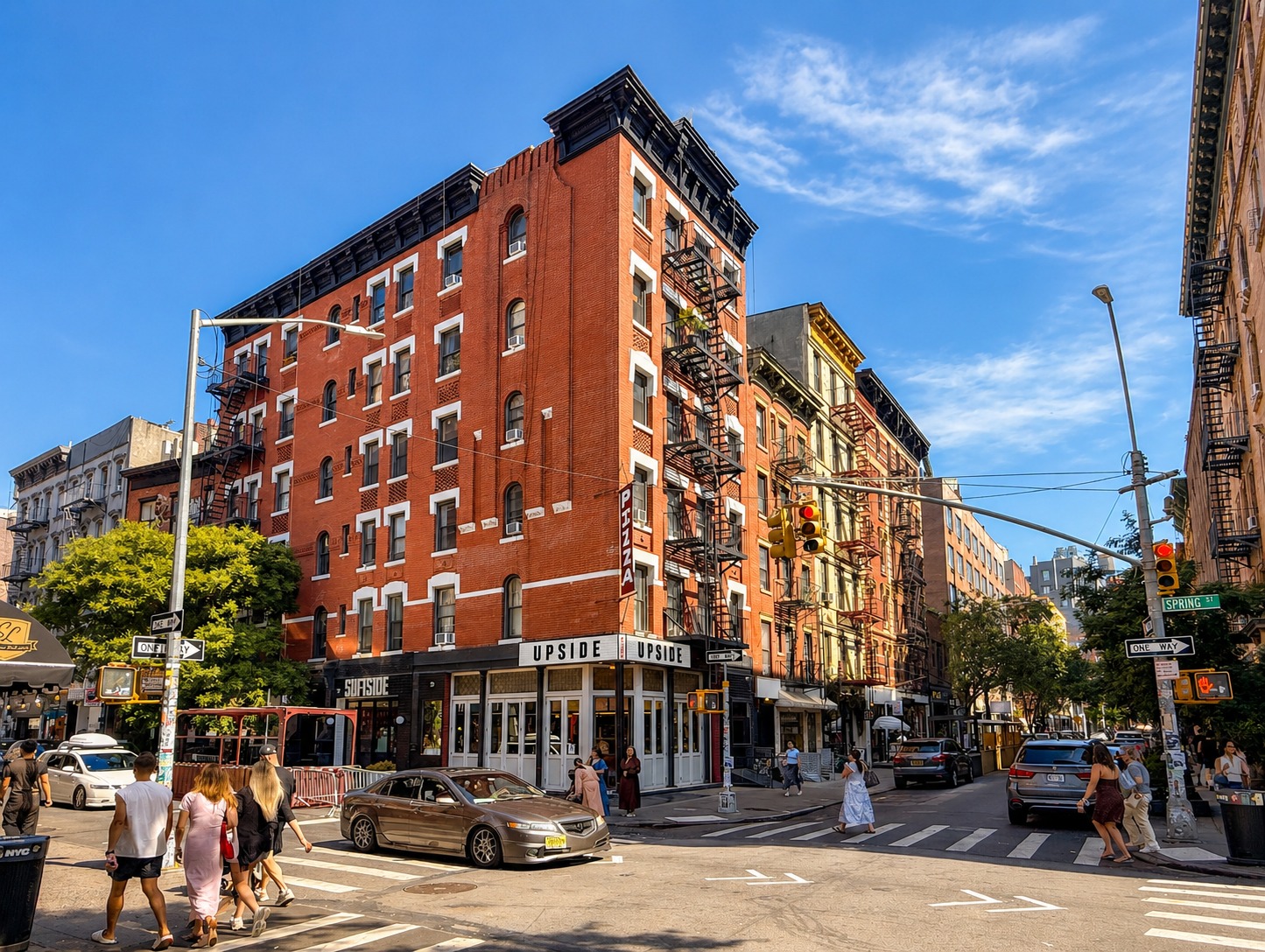
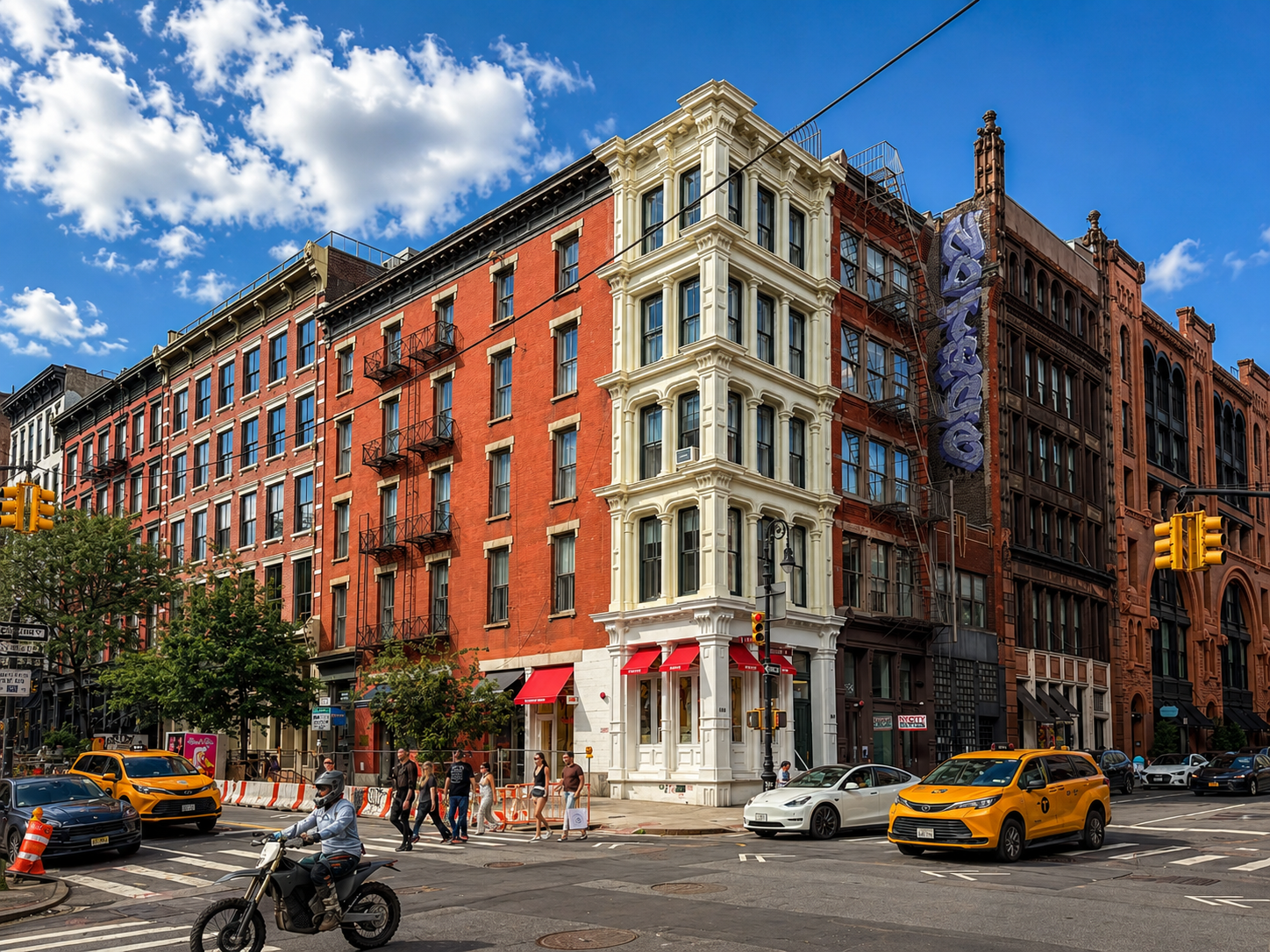
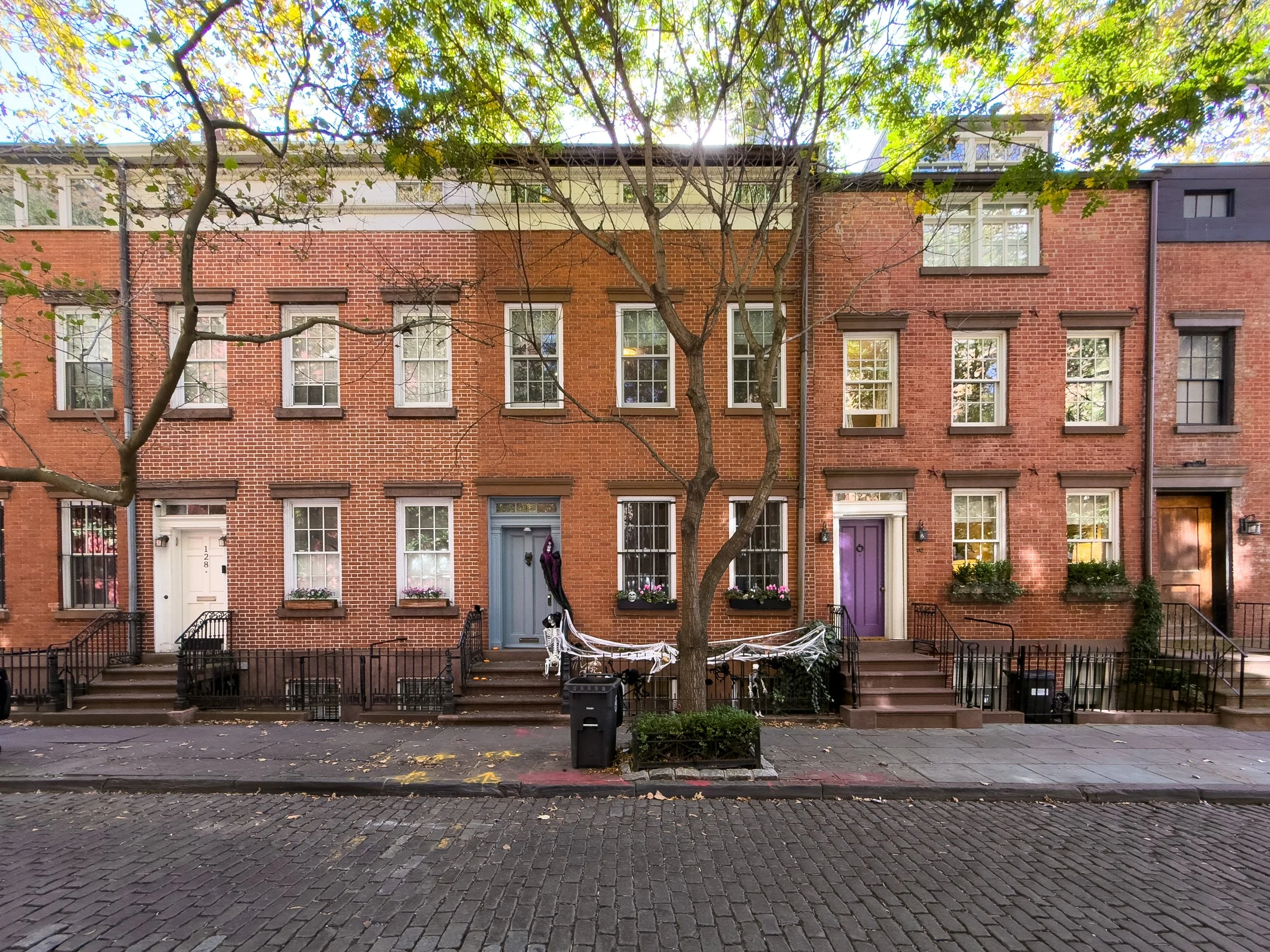
Chelsea occupies a distinctive position in Manhattan’s residential landscape, defined as much by its housing mix as by its physical layout. It’s neither a purely historic enclave nor a fully modern district, but a layered neighborhood where legacy building stock and newer development coexist block by block — often within the same streetscape.
Geographically, Chelsea bridges Midtown and Downtown while opening westward toward the Hudson River. That orientation has influenced both development patterns and buyer preferences over time, particularly as former industrial areas transitioned into residential corridors anchored by major public spaces. The result is a neighborhood where interior blocks tend to skew quieter and more established, while the western edge reflects newer construction, higher density, and more visible change.
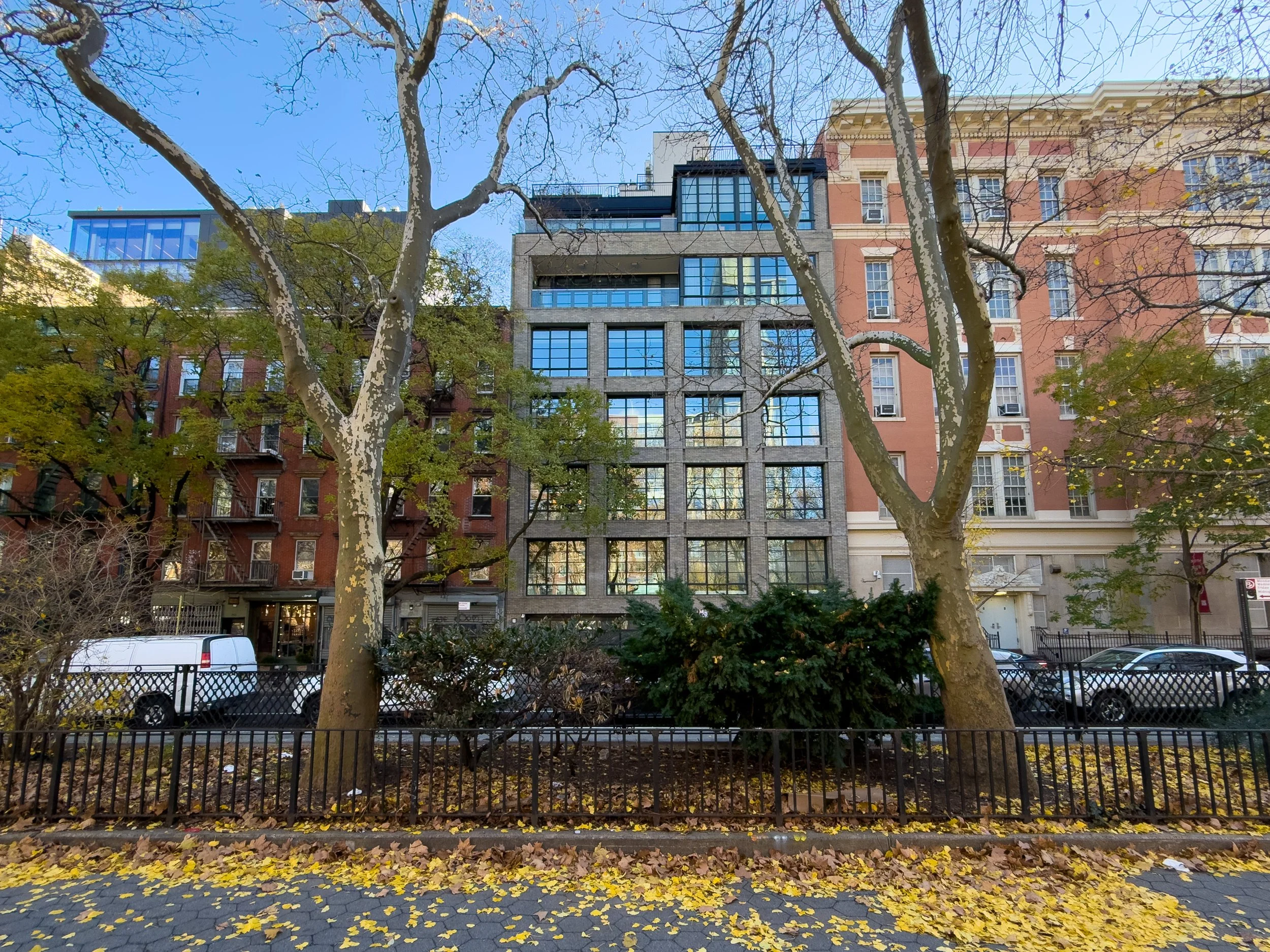
From prewar walk-ups, rowhouses, and classic townhouses to former industrial loft conversions, mid-century co-ops, and newer full-service condominium developments closer to the Hudson, Chelsea offers one of the broader housing spectrums in Manhattan. Townhouses remain a smaller but notable segment, often selling at a premium and contributing to longer ownership cycles and limited turnover in certain pockets. That diversity attracts a wide range of buyers, but also means pricing, demand, and market behavior can vary meaningfully from one building or even one block to the next.
Understanding Chelsea requires looking beyond averages. Housing type, building era, and precise location play an outsized role in how the market functions here — themes that carry through daily life, amenities, pricing dynamics, and long-term ownership patterns.
Vibe and Atmosphere
Chelsea is defined by its daily rhythm. Early mornings feel distinctly local: residents heading to work, walking dogs, stopping at a familiar café, or fitting errands into a predictable routine before the avenues fully wake up. Despite the neighborhood’s broader draw, these quieter hours reinforce Chelsea’s identity as a place where people live first.
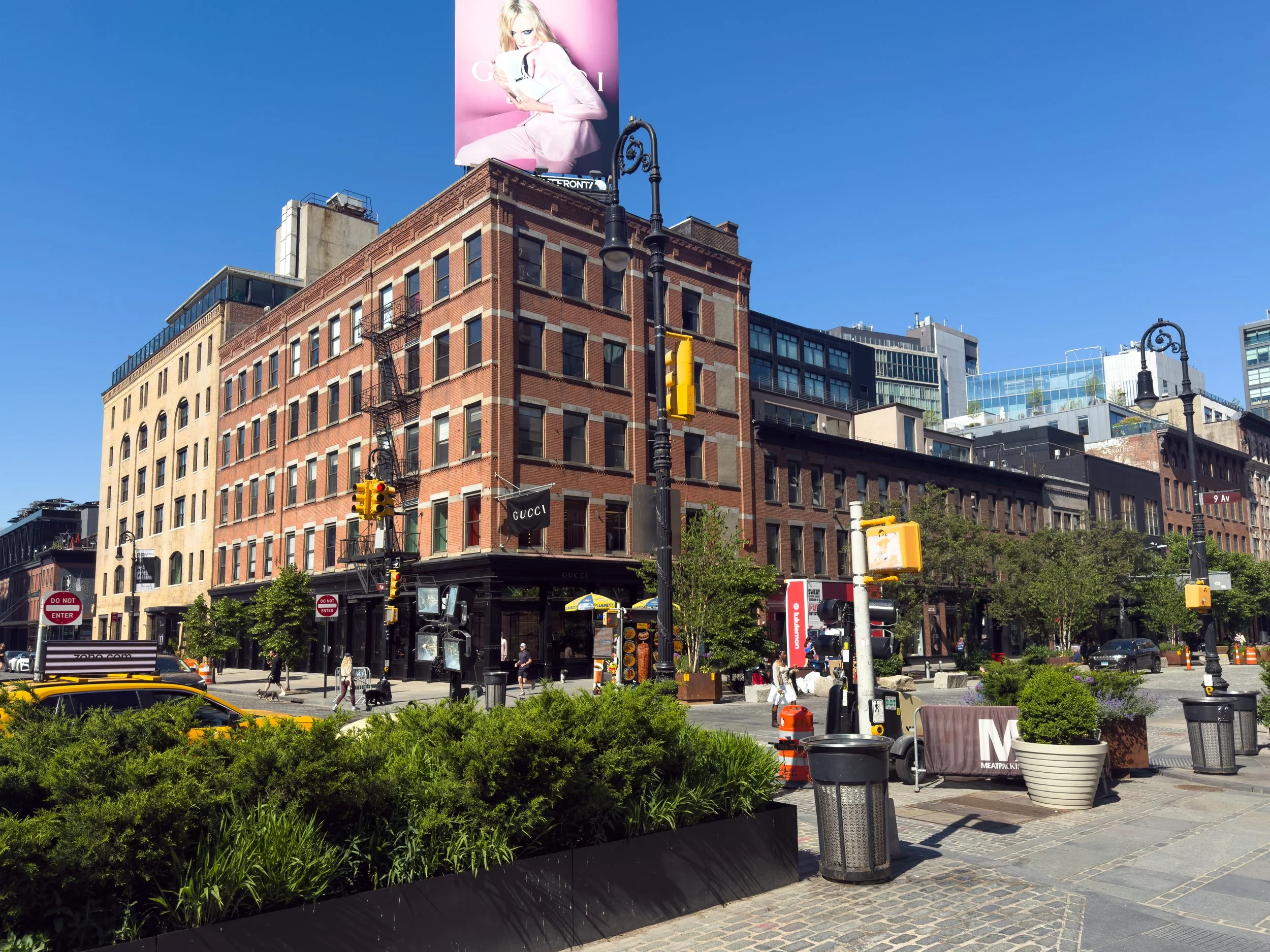
West Chelsea introduces a more architectural and cultural layer as the day unfolds. Former industrial buildings now house a dense concentration of contemporary art galleries, shaping long stretches of the streetscape west of Tenth Avenue. Converted warehouses, restrained façades, and newer residential buildings give the area a purposeful, design-forward feel. Activity increases during exhibition openings and weekends, but it arrives in pulses rather than as constant churn.
Interior blocks soften quickly. East of Eighth Avenue, tree-lined streets, varied prewar buildings, and a higher concentration of long-term residents create a residential core that remains steady even as nearby corridors grow busier. These streets retain a lived-in quality that feels insulated from short-term foot traffic. Public space further shapes the neighborhood’s balance. The High Line and the Hudson River waterfront introduce movement and openness along Chelsea’s edges, drawing both residents and visitors while allowing interior streets to remain calm. That separation helps concentrate activity without overwhelming daily life.
Chelsea is undeniably a destination — for art, architecture, dining, and public space — but it remains grounded by full-time residents and long-term ownership. That coexistence gives the neighborhood its particular rhythm: active, visually engaging, and culturally relevant, yet firmly residential at its core.


Amenities and Conveniences
Chelsea’s amenities reflect its density and long-term residential base, with daily conveniences embedded throughout the neighborhood rather than concentrated in a single retail zone. Errands are largely walkable, and many residents develop highly personal routines shaped by proximity, block-by-block familiarity, and the sheer variety of options available within a few minutes’ walk.
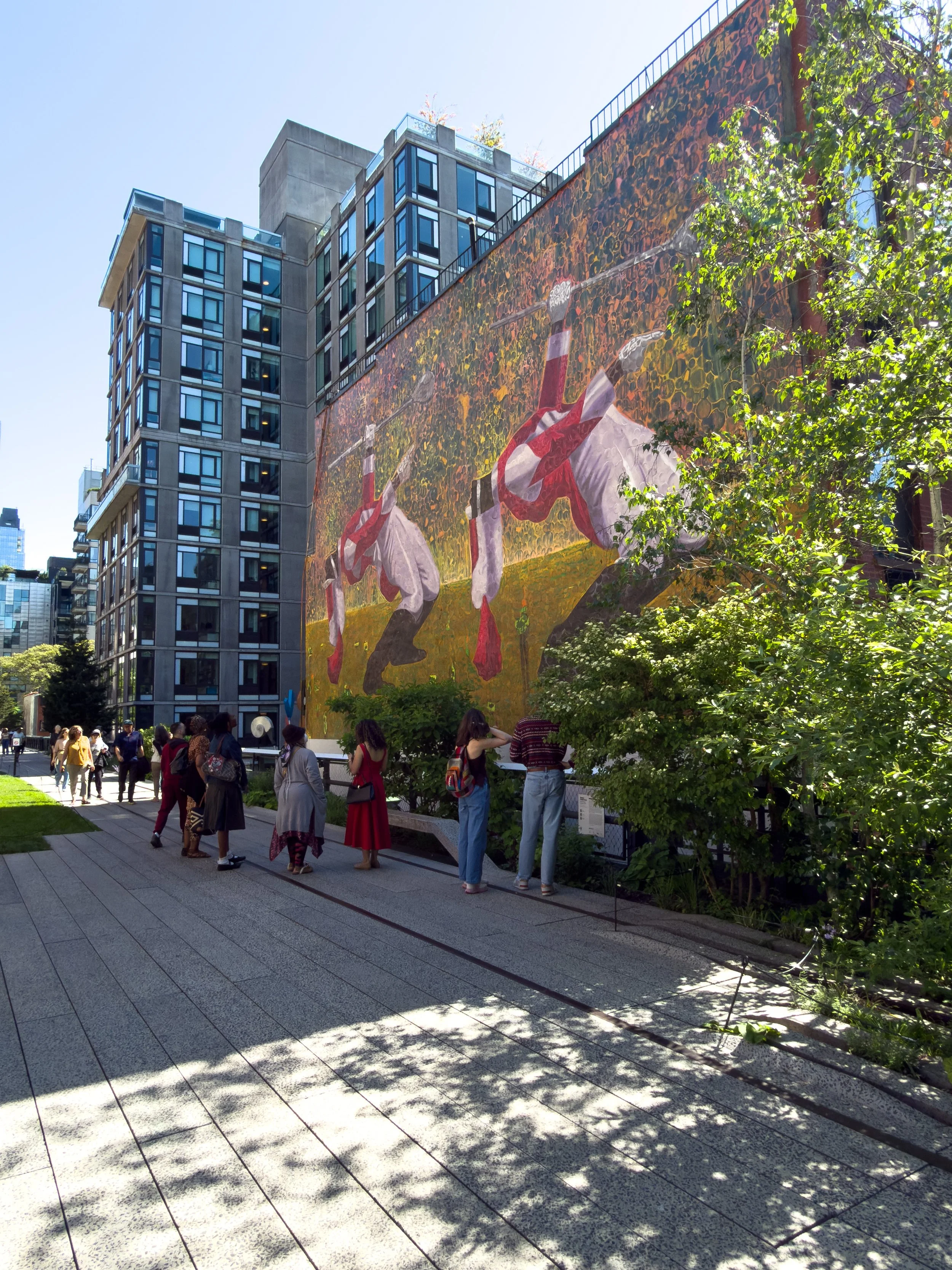
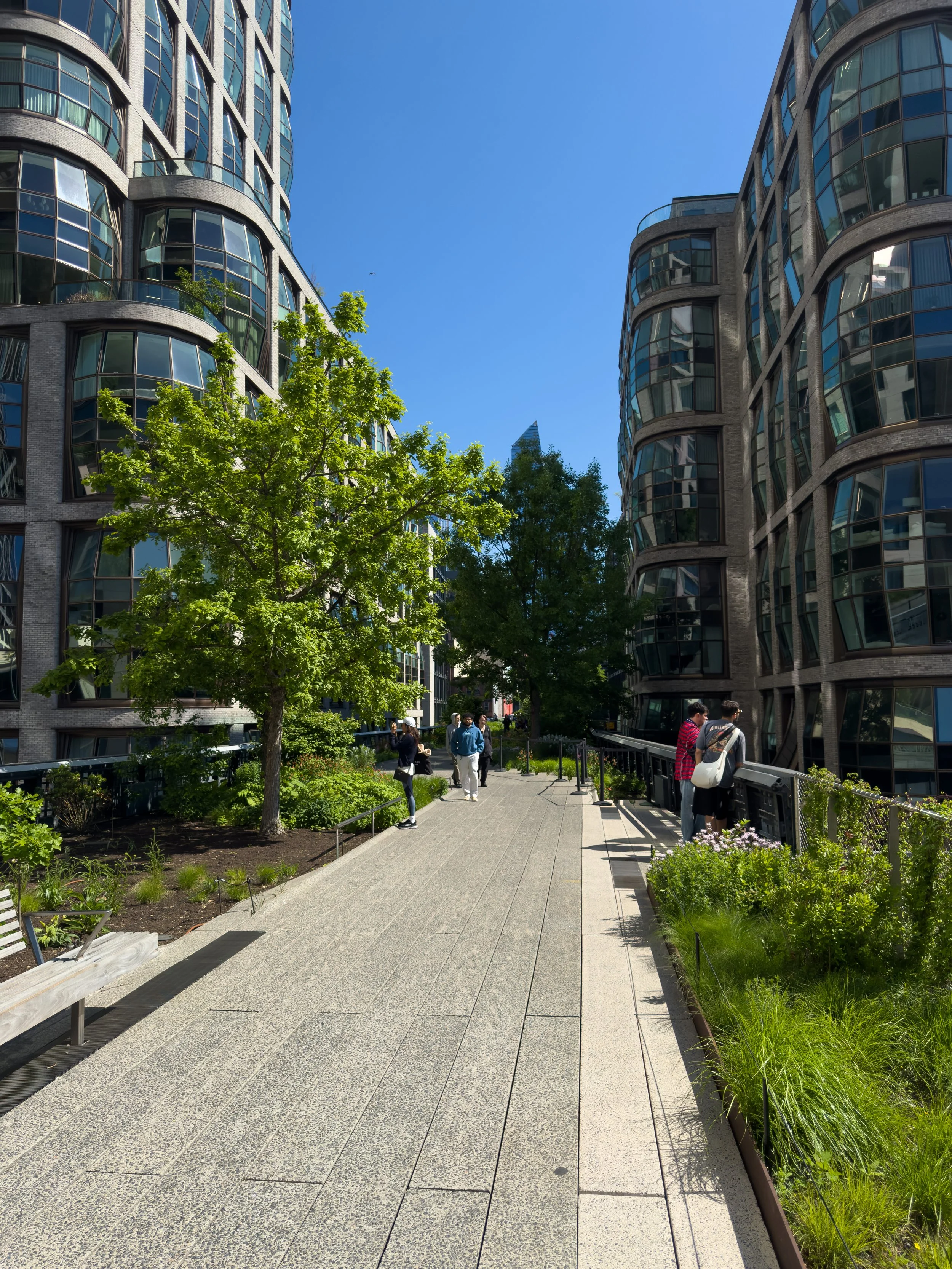
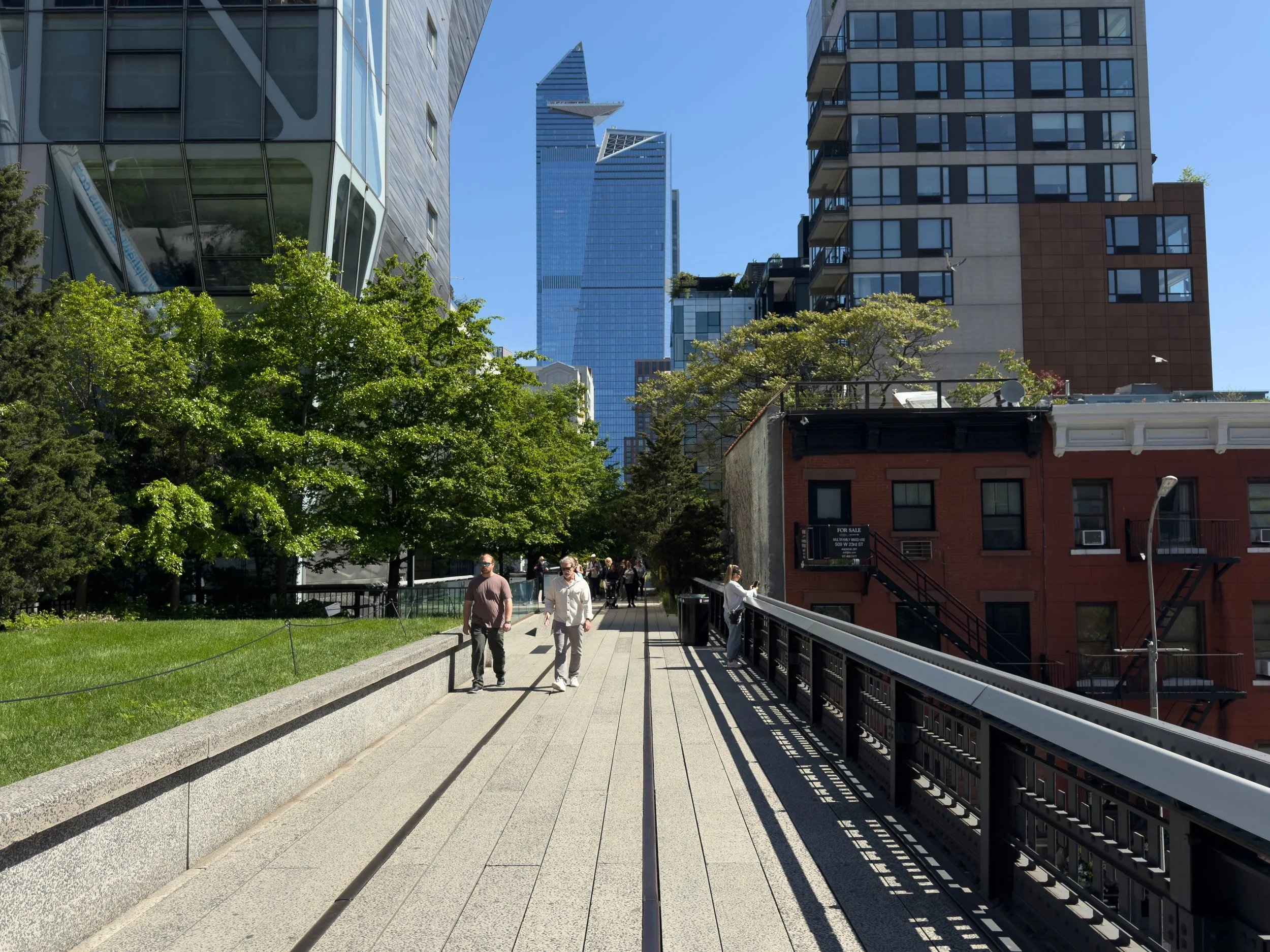
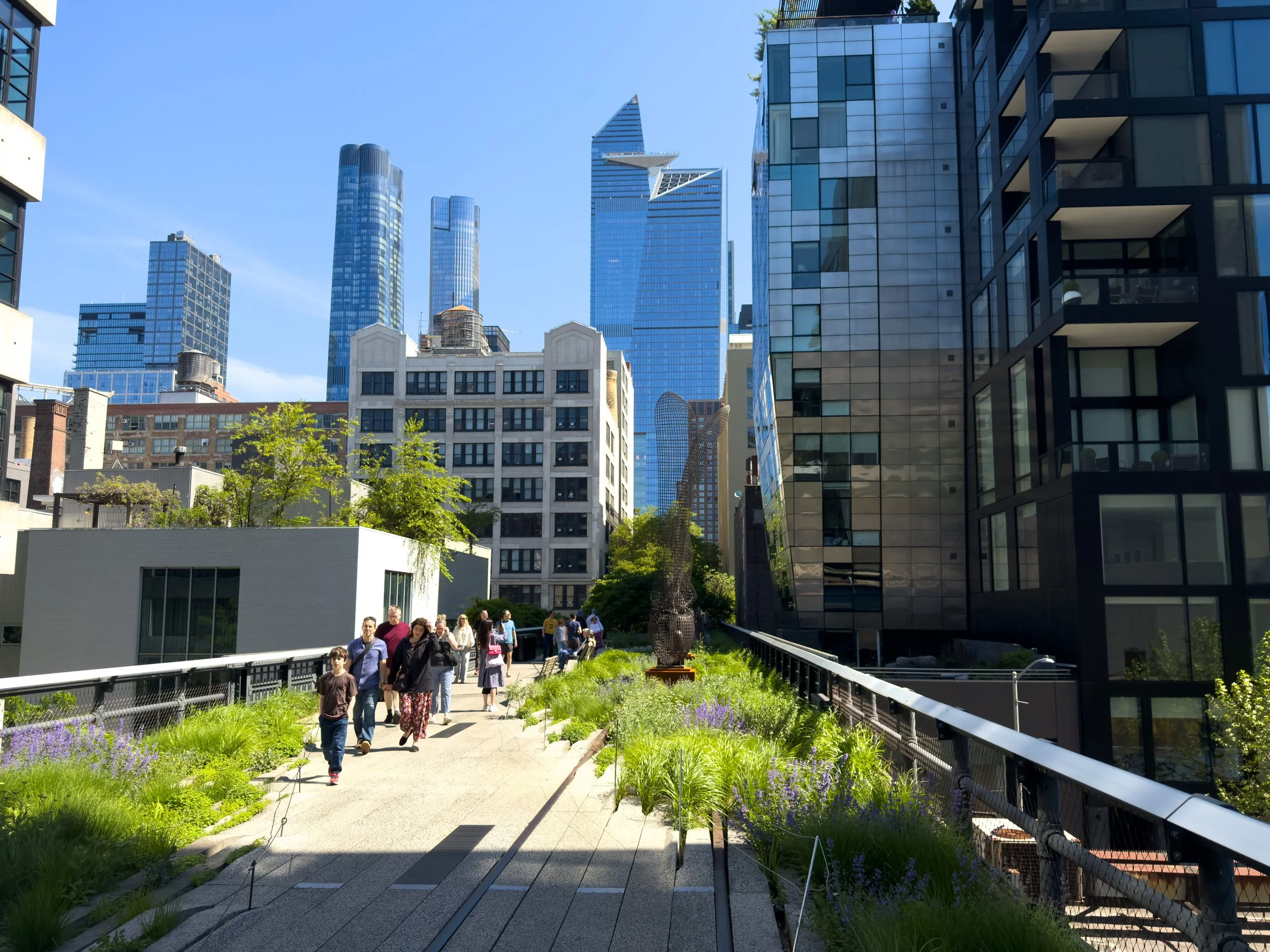
Public space plays a defining role along Chelsea’s western edge. The High Line functions as a linear park and organizing spine, shaping movement through the neighborhood and influencing adjacent development. For many residents, it also serves as a regular walking route — a way to move north and south above street level as part of daily routines.
That experience extends to the waterfront. Hudson River Park offers continuous bike paths, recreation fields, and open river views, reinforcing Chelsea’s connection to the West Side. Chelsea Piers, a 28-acre waterfront sports complex spanning roughly 17th to 23rd Streets along the Hudson River, adds a more active layer with year-round indoor recreation and athletic facilities. Just south of the neighborhood, Little Island introduces a distinctive public landscape and performance space that remains accessible without being embedded directly into residential blocks.
Chelsea Market occupies a different but equally important role. For residents, it functions less as a destination and more as a practical resource — a place to pick up specialty groceries, fresh proteins, baked goods, or prepared food that fits into daily life. The diversity of vendors allows residents to handle both everyday needs and occasional specialty shopping without leaving the neighborhood.
Cafés are woven into these routines rather than treated as focal points. Spots like The Sleeping Cat, Variety Coffee Roasters, 787 Coffee, Fellini, Télégraphe Café, and Terremoto Coffee act as informal anchors — places to start a morning, take a mid-day break, or work briefly outside the apartment. They function as waypoints rather than destinations, reinforcing the walk-first, habitual nature of life in Chelsea.
Taken together, Chelsea’s amenities support a lifestyle built on proximity and choice. Residents aren’t reliant on a single corridor or hub; instead, the neighborhood offers overlapping layers of convenience that allow daily life to unfold organically, shaped by individual routines as much as by geography.
Dining
Dining in Chelsea reflects the neighborhood’s scale and diversity rather than a single culinary identity. Longstanding institutions sit alongside newer, design-forward restaurants, creating a mix that supports both routine dining and occasional destination meals without turning the neighborhood into a nightlife corridor. Larger anchors such as Chelsea Market function as everyday infrastructure as much as culinary hubs, housing everything from butcher shops and seafood counters to casual sit-down options that residents return to regularly.
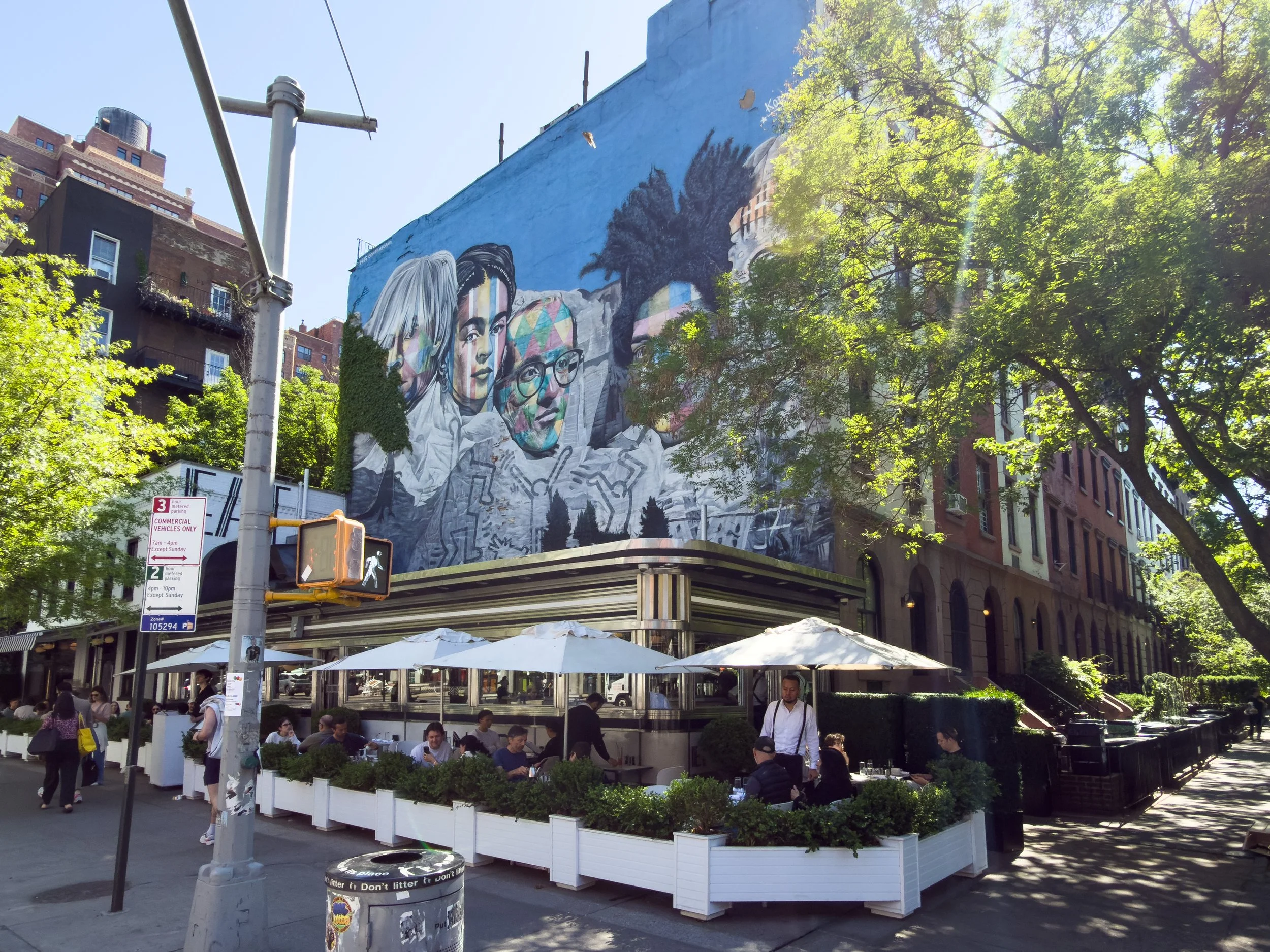
Beyond the market, Chelsea’s restaurant landscape spreads naturally across multiple avenues and side streets. Classic neighborhood fixtures like Empire Diner and Old Homestead Steakhouse coexist with modern Mediterranean and Middle Eastern standouts such as Shukette and Chama Mama, alongside chef-driven destinations like Hav & Mar and Txikito. Places like SEA and Pepe Giallo further reflect the neighborhood’s continued appeal to contemporary, concept-led dining. At the same time, dependable all-day restaurants — including Jack’s Wife Freda, Little Owl, and La Devozione — fit easily into daily routines, supporting everything from quick breakfasts to casual dinners without fanfare.
What stands out is not a single restaurant row, but the way dining is woven into Chelsea’s residential fabric. Many residents develop reliable circuits — a butcher or seafood stop at Chelsea Market, a familiar weeknight restaurant, or an all-day spot that doubles as a workday pause — rather than chasing new openings. The result is a dining scene that feels substantial but livable, active without being overwhelming.
Shopping
Shopping in Chelsea follows a similarly dispersed pattern. Retail is concentrated along major avenues and around Chelsea Market, while interior blocks remain largely residential. Inside the market itself, Artists & Fleas adds a rotating layer of independent vendors and makers, reinforcing Chelsea’s long-standing connection to creative industries. Nearby, cultural and specialty retailers such as Printed Matter, Inc., 192 Books, Poster House, and Posman Books contribute to a quieter, intellectually oriented retail presence that reflects the neighborhood’s gallery-driven identity.
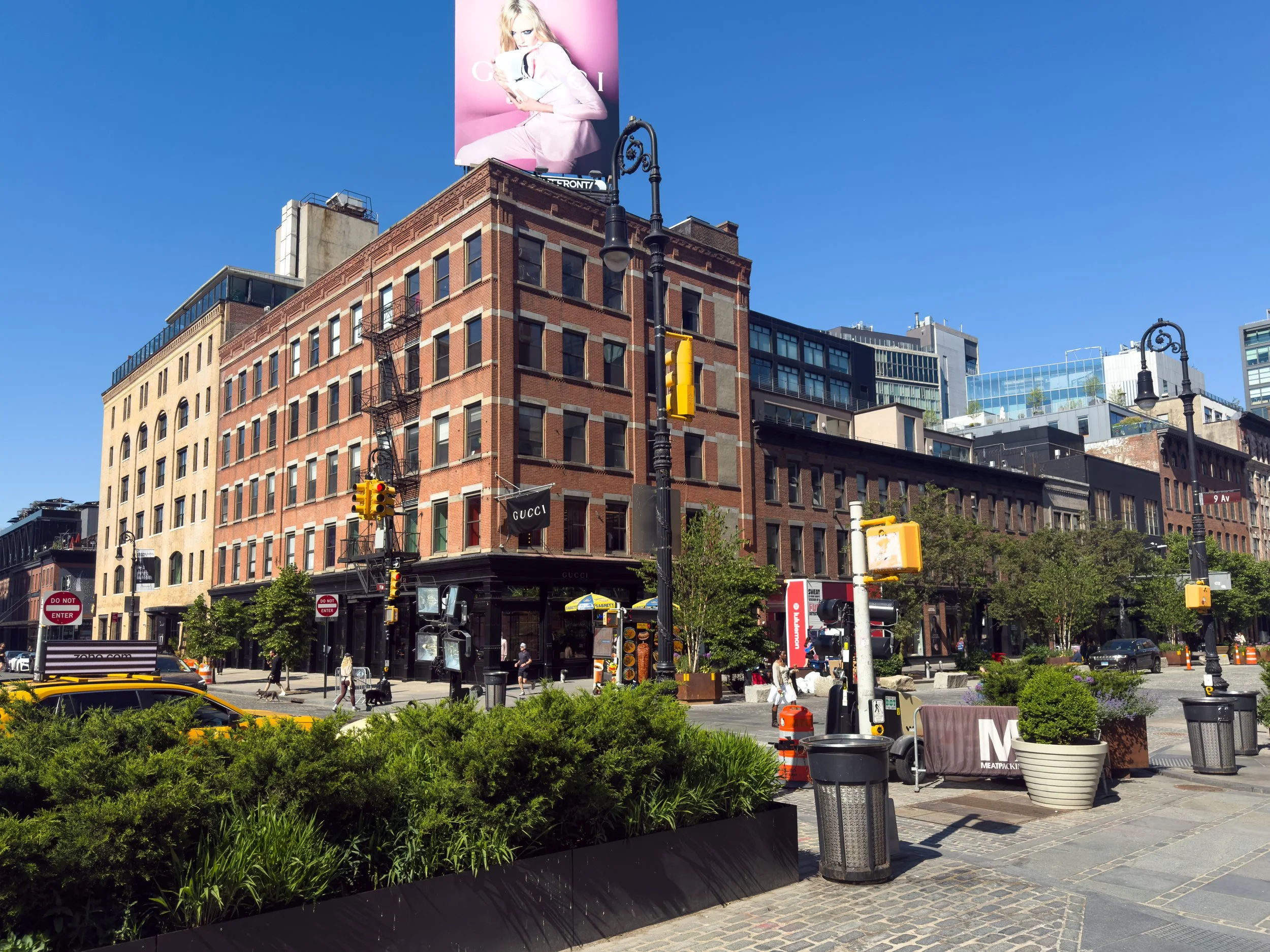
Fashion and lifestyle retail is present without dominating the streetscape. Boutiques and brands — from independent shops to recognizable names like Rixo, Farm Rio, and select high-end fashion storefronts like Gucci — cluster along key corridors, while practical anchors such as Housing Works thrift shops remain part of everyday neighborhood life. Rather than a single shopping district, Chelsea offers layers of retail that reward exploration while preserving the calm of its residential blocks.
Transportation
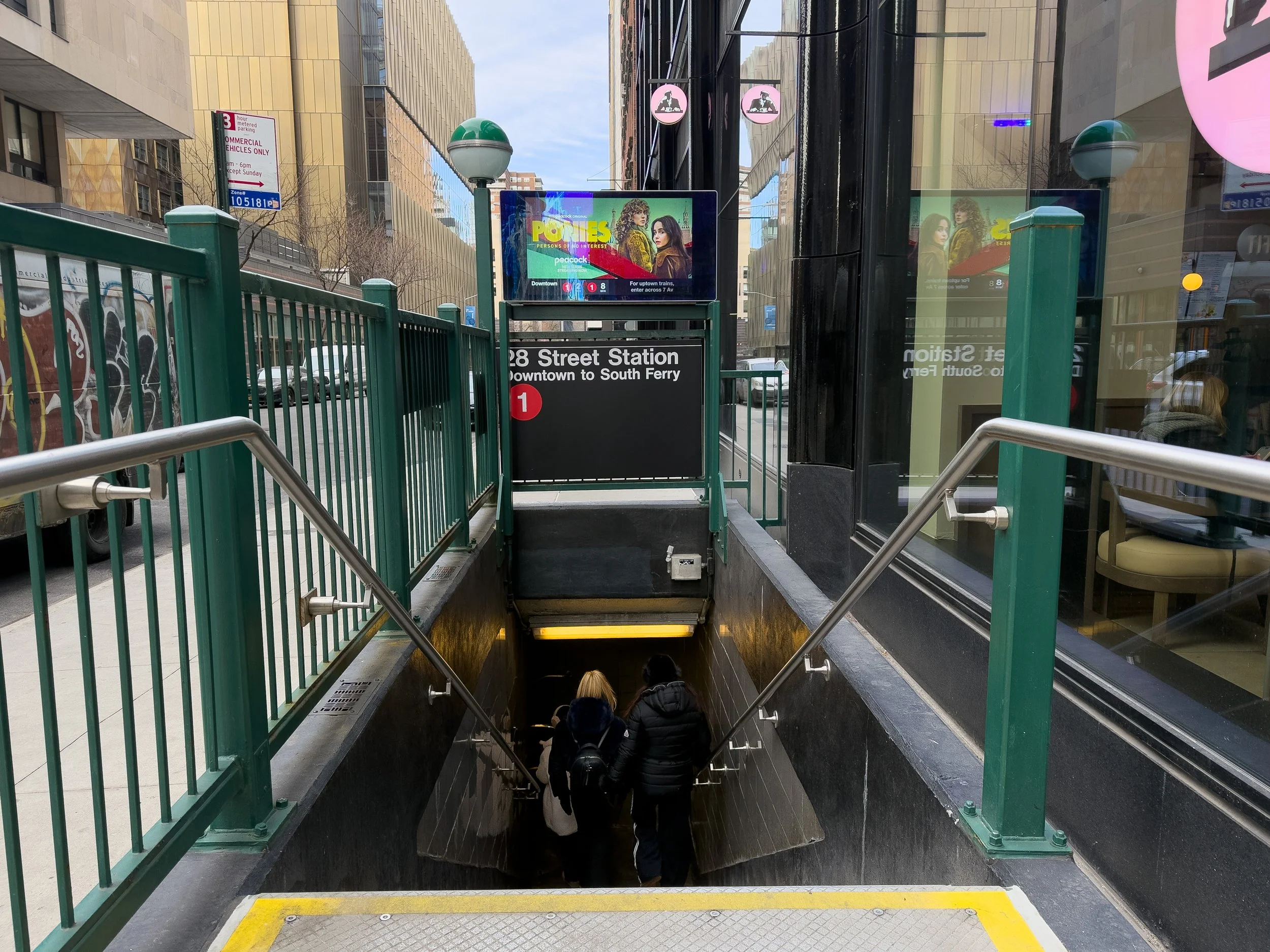
Chelsea benefits from strong, layered transit access anchored by 14th Street. The (A) (C) (E) trains at 14th Street provide reliable uptown and downtown service, while the (L) train runs crosstown along 14th Street, connecting Chelsea to the East Village and Williamsburg. Additional subway access along Sixth and Seventh Avenues includes the (1) (2) (3) (F) and (M) lines, offering multiple routing options throughout Manhattan.
Chelsea’s northern edge sits near Penn Station — one of New York’s primary transportation hubs — serving Amtrak, LIRR, NJ Transit, and multiple subway lines, with Madison Square Garden marking the neighborhood’s upper boundary. The PATH train at 14th Street and Sixth Avenue adds direct regional connectivity to New Jersey, extending Chelsea’s commuter reach beyond the city.
Walking, cycling, and driving are all practical. Citi Bike stations are widely distributed, and the Hudson River Greenway provides a continuous north–south route along the waterfront. For drivers, access to the West Side Highway (Joe DiMaggio Highway) allows comparatively efficient travel along the Hudson, making car use more feasible here than in many interior Manhattan neighborhoods.
Schools
Chelsea supports a range of educational options for families, prioritizing walkability, proximity, and access to both public and private schooling. Public elementary and middle schools serve the neighborhood directly, with additional charter and private options accessible within a short commute. As in much of Manhattan, school decisions are often shaped less by strict neighborhood boundaries and more by commute ease, program fit, and long-term household needs. Chelsea’s central location and transit access make a broad range of options practical.
At the higher-education level, the Fashion Institute of Technology (FIT) is located within the neighborhood, contributing to Chelsea’s design-forward character without functioning as a residential campus. Nearby institutions — including The New School, Parsons School of Design, and Baruch College (CUNY) — further expand access to higher education while remaining integrated into the surrounding city fabric.
For buyers and homeowners, this proximity adds cultural and intellectual energy without materially disrupting residential life. Chelsea does not read as a student neighborhood, but access to respected institutions remains a meaningful consideration.
Real Estate Insights
Chelsea’s real estate market is defined less by a single housing type and more by contrast. Buyers encounter a wide spectrum of inventory: classic prewar walk-ups and elevator buildings, former industrial loft conversions, mid-century co-ops, and newer full-service condominiums concentrated closer to the Hudson River. Townhouses exist but remain relatively scarce, often held for long periods and trading infrequently.
Architecturally, the neighborhood reflects several distinct development eras. Interior blocks — particularly east of Eighth Avenue — tend to skew older, with established ownership and limited turnover. Moving west, newer condominium development becomes more prominent, shaped by rezoning, larger parcel availability, and proximity to major public amenities such as the High Line and Hudson River Park.
Buyer profiles in Chelsea are broad but intentional. The neighborhood attracts primary residents seeking centrality without Midtown intensity, downsizers transitioning from larger homes, and long-term investors focused on stable rental demand and resale liquidity. Inventory behavior varies meaningfully by building type: newer condos tend to transact more consistently, while older co-ops and loft buildings often reflect longer hold periods and more selective sellers.
Chelsea Sales Market At a Glance (2026)
Average Home Value (ZHVI / Typical Home Values): ~$1,585,900 (Zillow Home Value Index)
1-Year Home Value Change (ZHVI): +0.6% year-over-year (Zillow)
Median Listing Price: ~$2.27M (Realtor.com neighborhood median, December 2025)
Median Sale Price: ~$2.1M–$2.3M range (Realtor.com).
Price per Square Foot: ~$1,870 PPSF (Realtor.com median; +1.39% YoY)
Median Days on Market: ~83 days (Realtor.com; +6.6% YoY).
Unit-Type Price Reference: Studio: ~$595K; 1-Bedroom: ~$1.22M; 2-Bedroom: ~$2.38M; 3-Bedroom: ~$4.95M (StreetEasy)
Zillow’s ZHVI reflects modeled typical home values across property types and smooths short-term volatility. Realtor.com data is based on MLS-listed transactions and reflects January 2026 neighborhood-wide reporting. In Chelsea, where inventory spans co-ops, condos, and occasional townhouse sales, small sample sizes and new-development concentration can materially distort median pricing in any single reporting period.
Trends
Chelsea’s sales market reflects a clear shift away from the rapid, bid-driven environment of prior years and toward a more balanced, negotiation-oriented pace. Pricing has adjusted modestly from recent highs, particularly at the upper end, while price-per-square-foot metrics have remained comparatively resilient — a sign that well-positioned apartments continue to find demand even as buyers grow more selective.
Days on market have lengthened meaningfully, giving buyers more room to evaluate value, building quality, and long-term suitability. This has been especially evident in older co-op inventory and larger apartments, where pricing discipline and presentation play an outsized role. By contrast, newer condominiums and turnkey units continue to transact more efficiently, particularly when aligned with prevailing buyer expectations around layout, light, and amenities.
Another defining trend is segmentation. Chelsea is not moving as a single market. Interior blocks with limited turnover behave differently from newer West Side developments, and individual buildings can materially influence neighborhood-wide statistics in any given quarter. As a result, buyers and sellers benefit most from hyper-local, building-specific analysis rather than headline averages when evaluating pricing, timing, or strategy.
Final Thoughts
Chelsea endures because it adapts without losing its residential core. The neighborhood has absorbed new development, major public spaces, and shifting commercial patterns while maintaining a sense of stability on its interior blocks. Its housing diversity, transit access, and everyday infrastructure continue to support long-term ownership rather than short-term trends.
For buyers and owners alike, Chelsea offers flexibility — in housing options, lifestyle, and market participation — making it one of Manhattan’s more resilient residential neighborhoods.
Buying or Selling in Chelsea or exploring Manhattan? Whether you’re exploring condos, townhouses, or considering selling your current home, I’m happy to provide a complimentary Comparative Market Analysis (CMA) or share tailored insights into the local market. Reach out — let’s start the conversation.
For in-depth guides on topics like home valuations, making the most of open house visits, submitting offers, and navigating negotiations — visit the Resources & Insights hub for resources designed to help guide buyers and sellers in the Chelsea real estate market.
Related Manhattan Neighborhood Guides