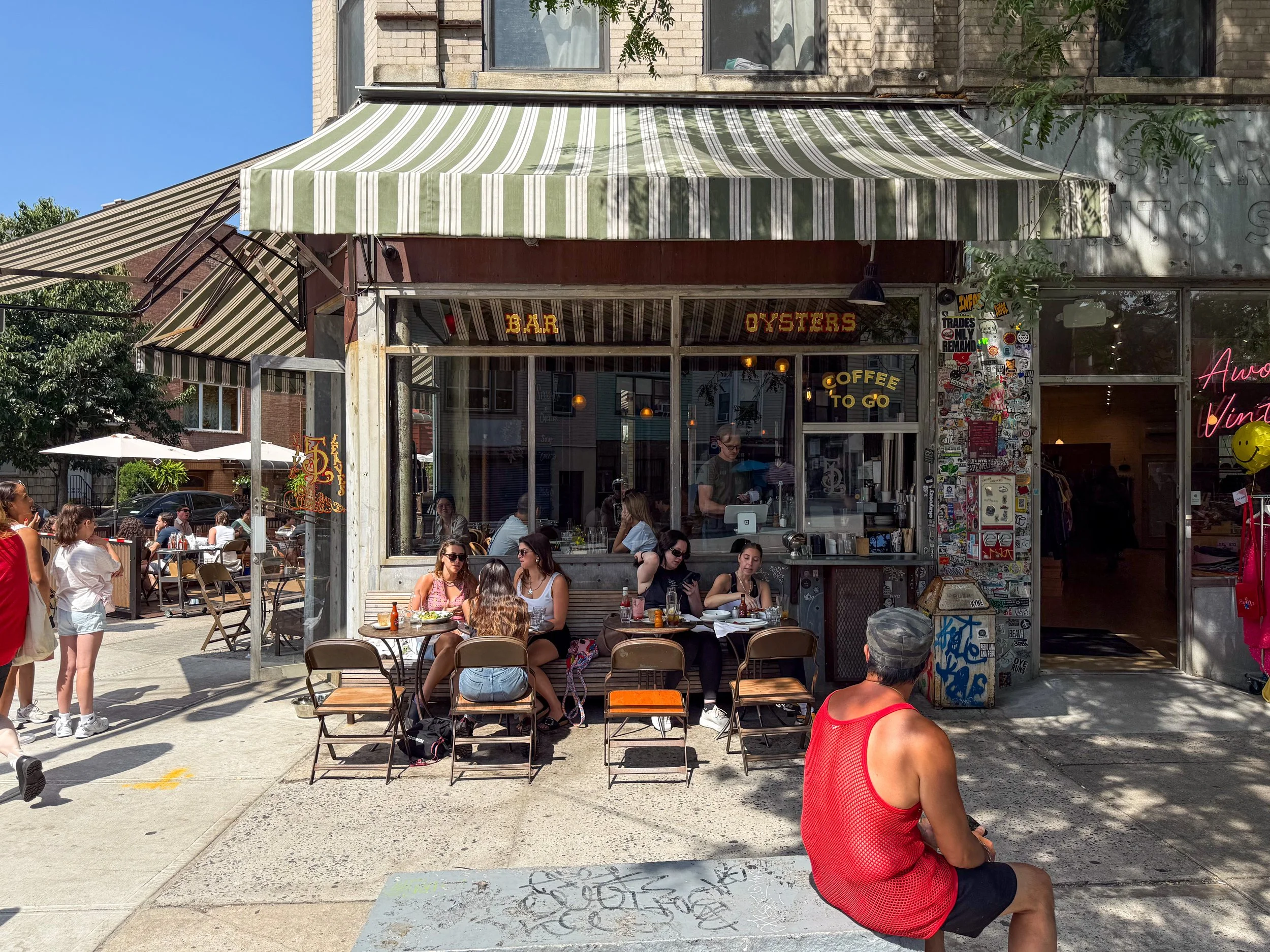
Bushwick, Brooklyn
Bushwick
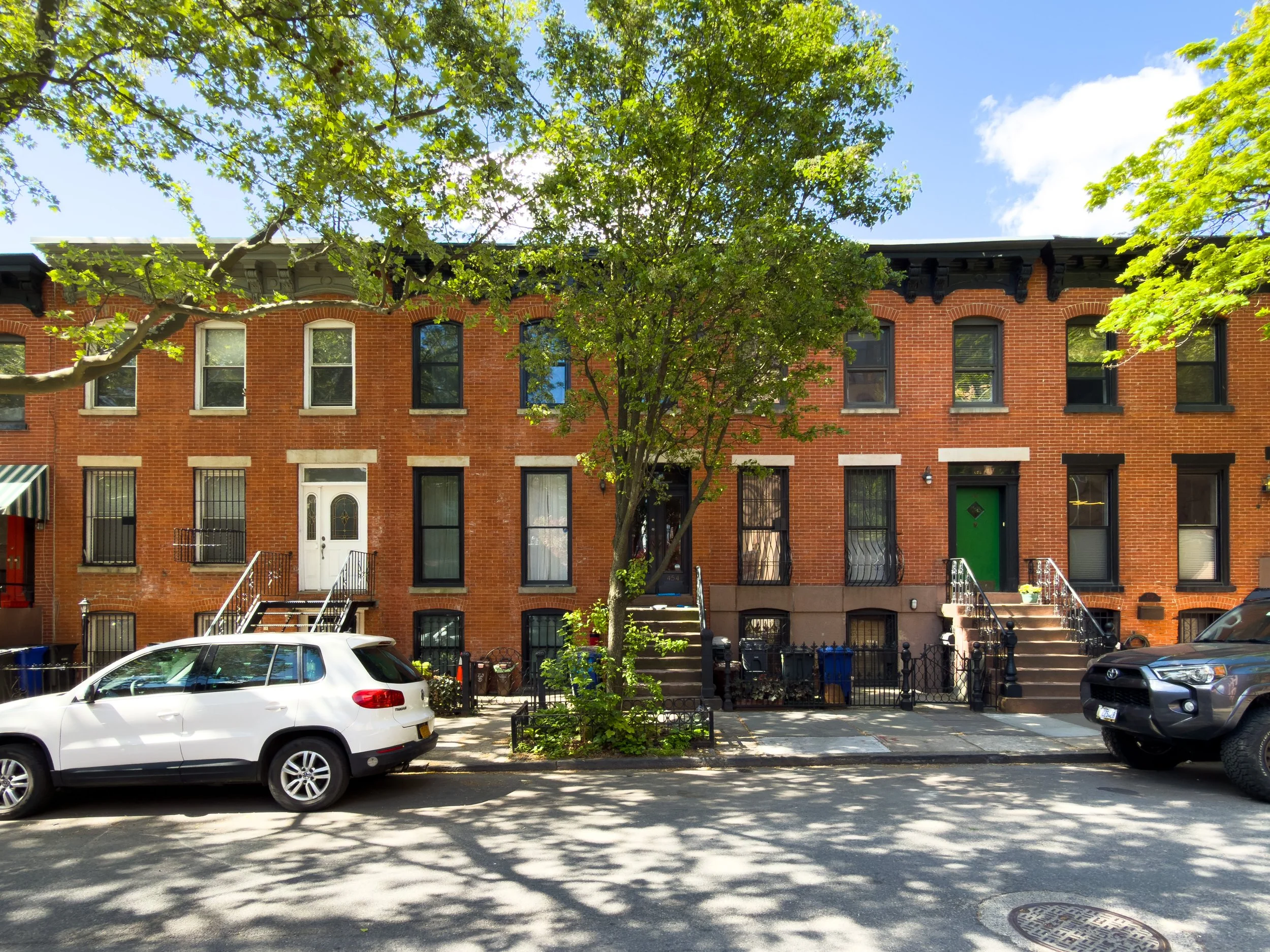
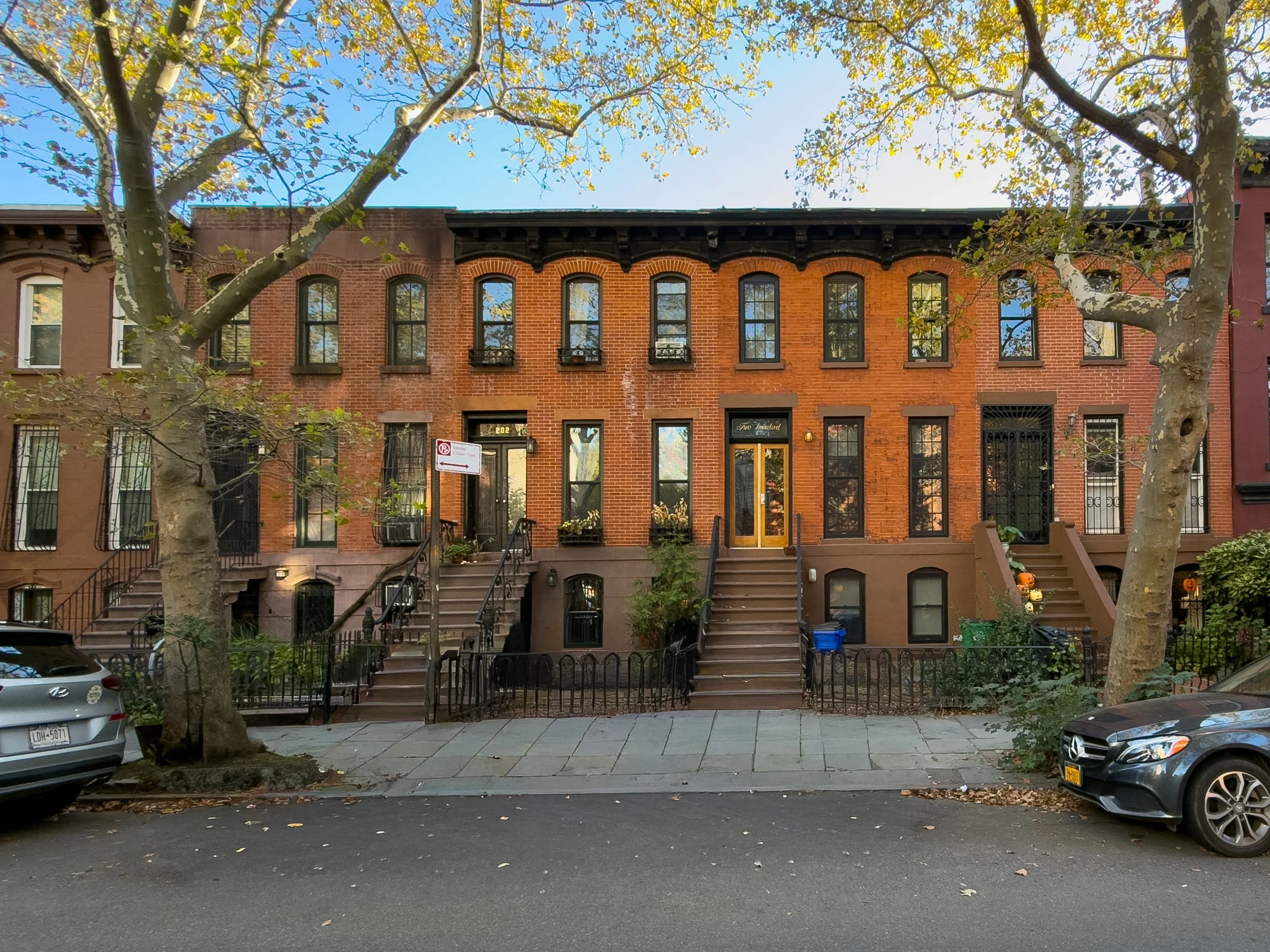
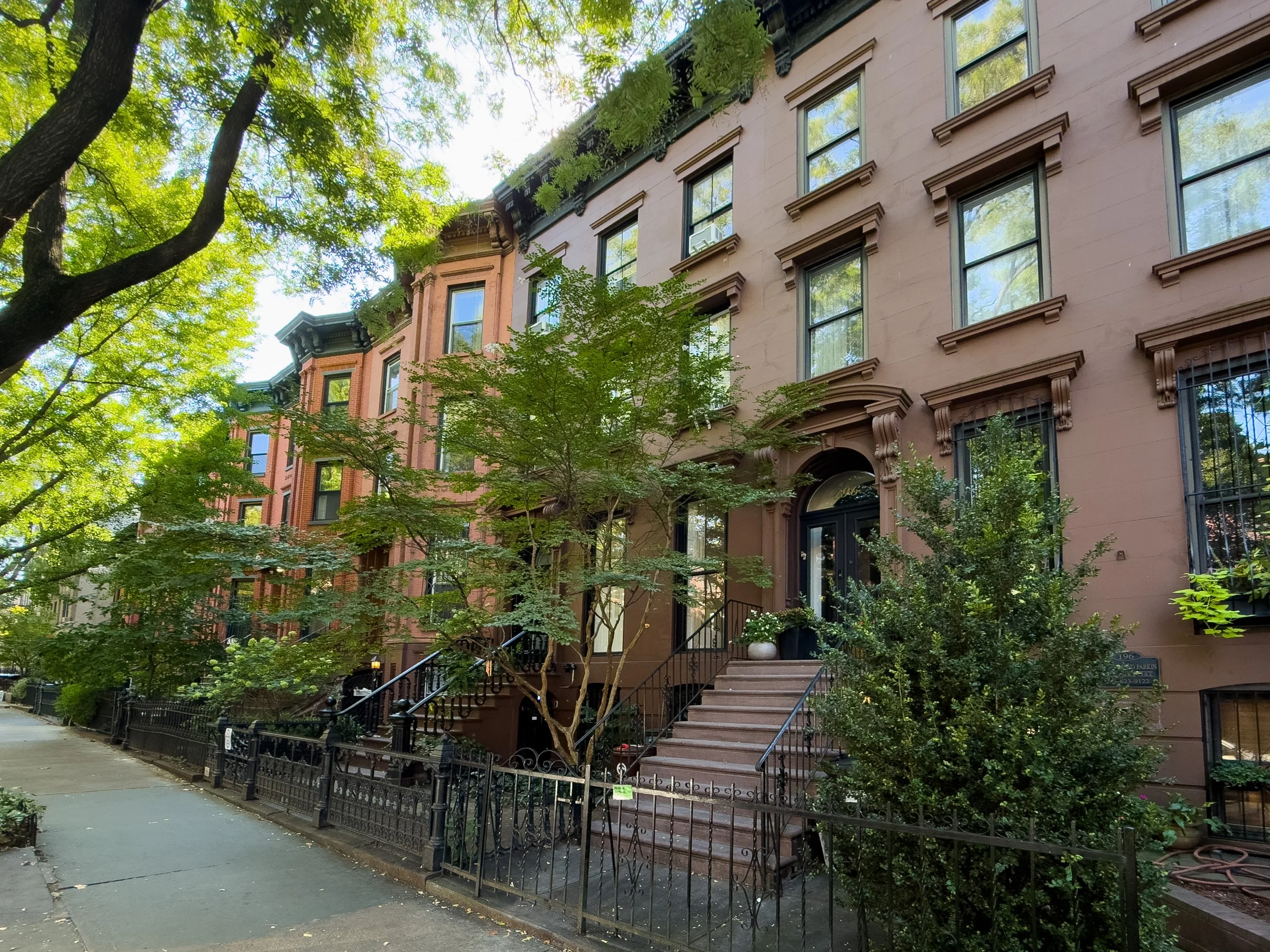
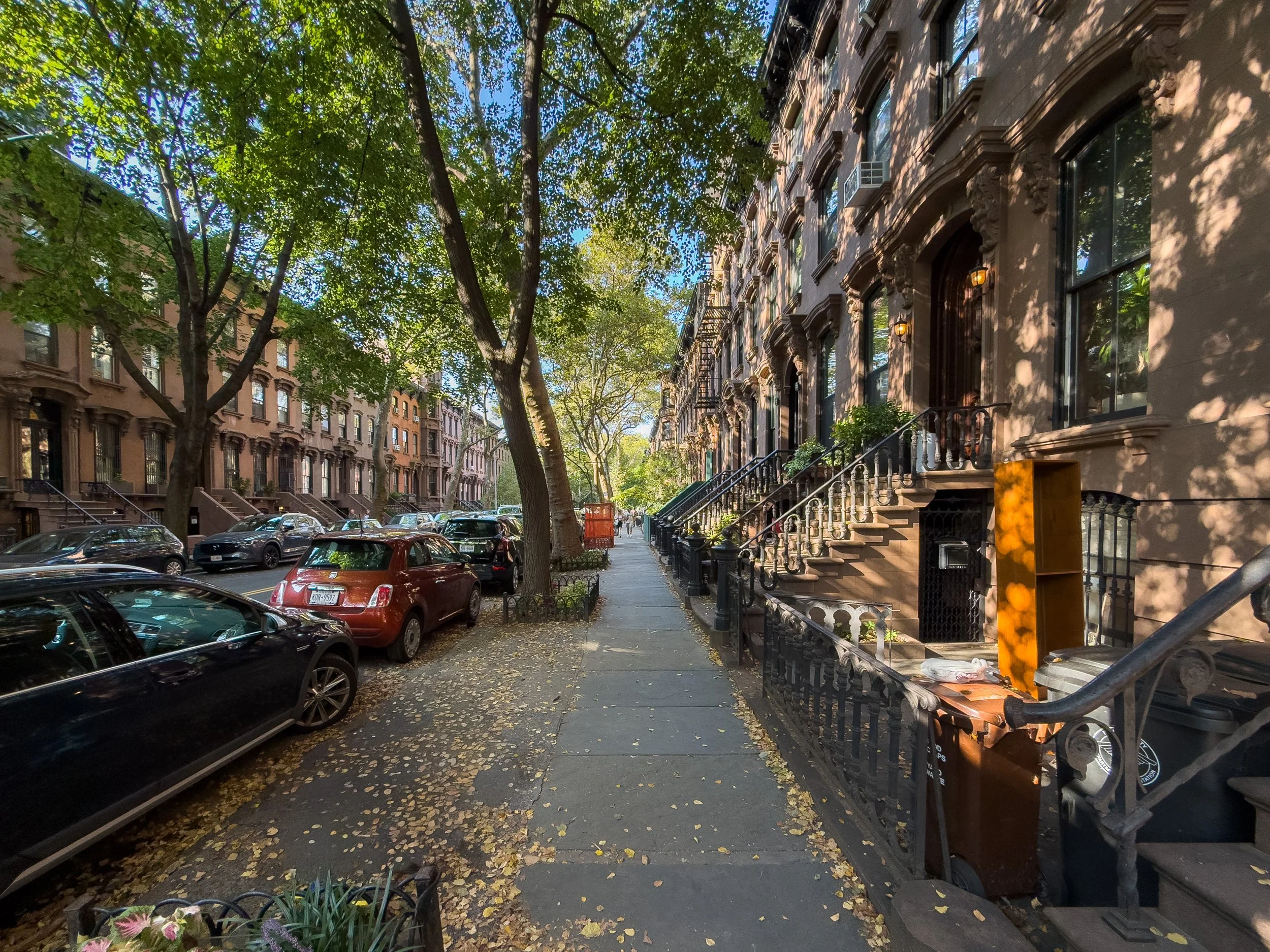
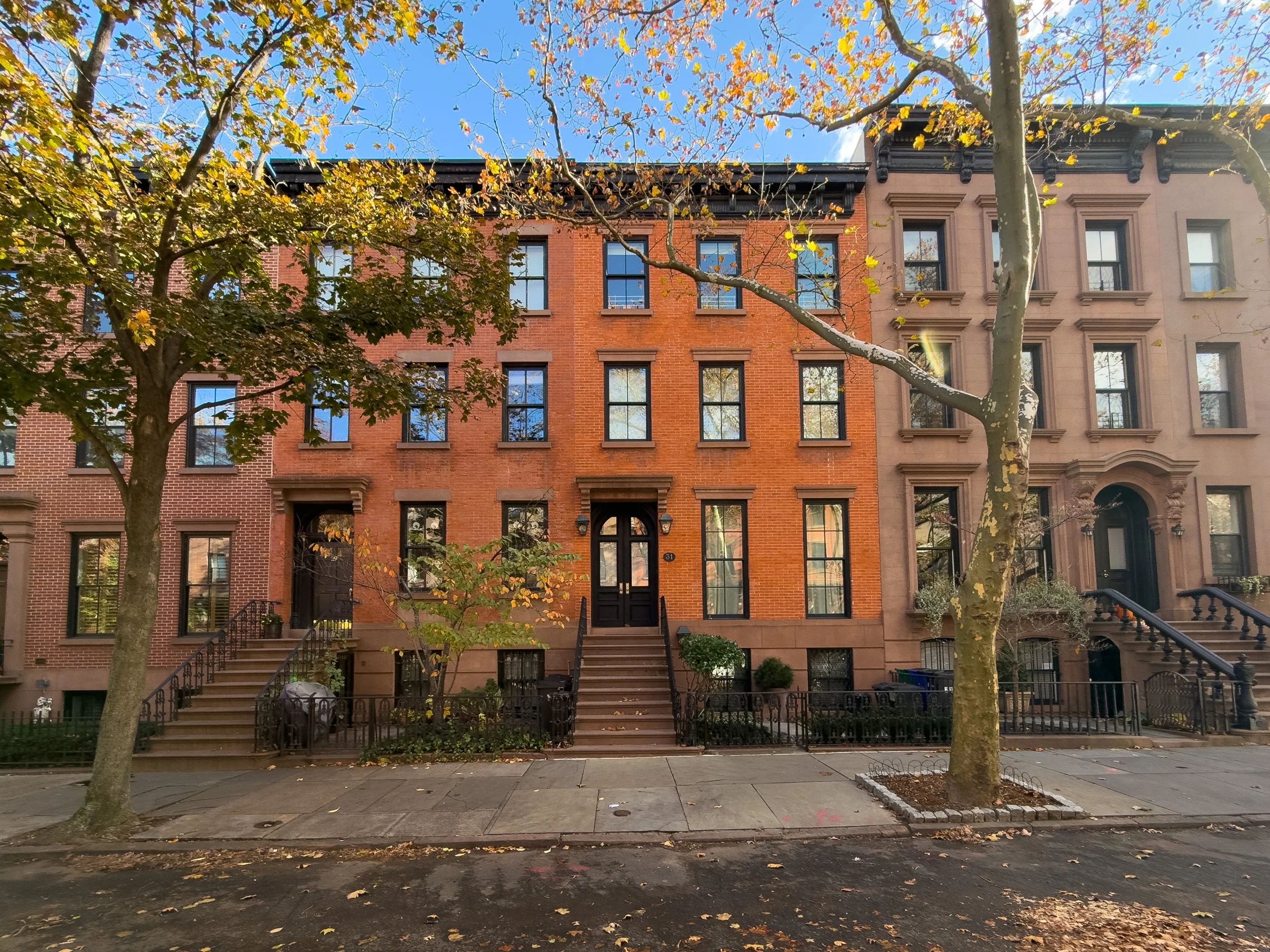
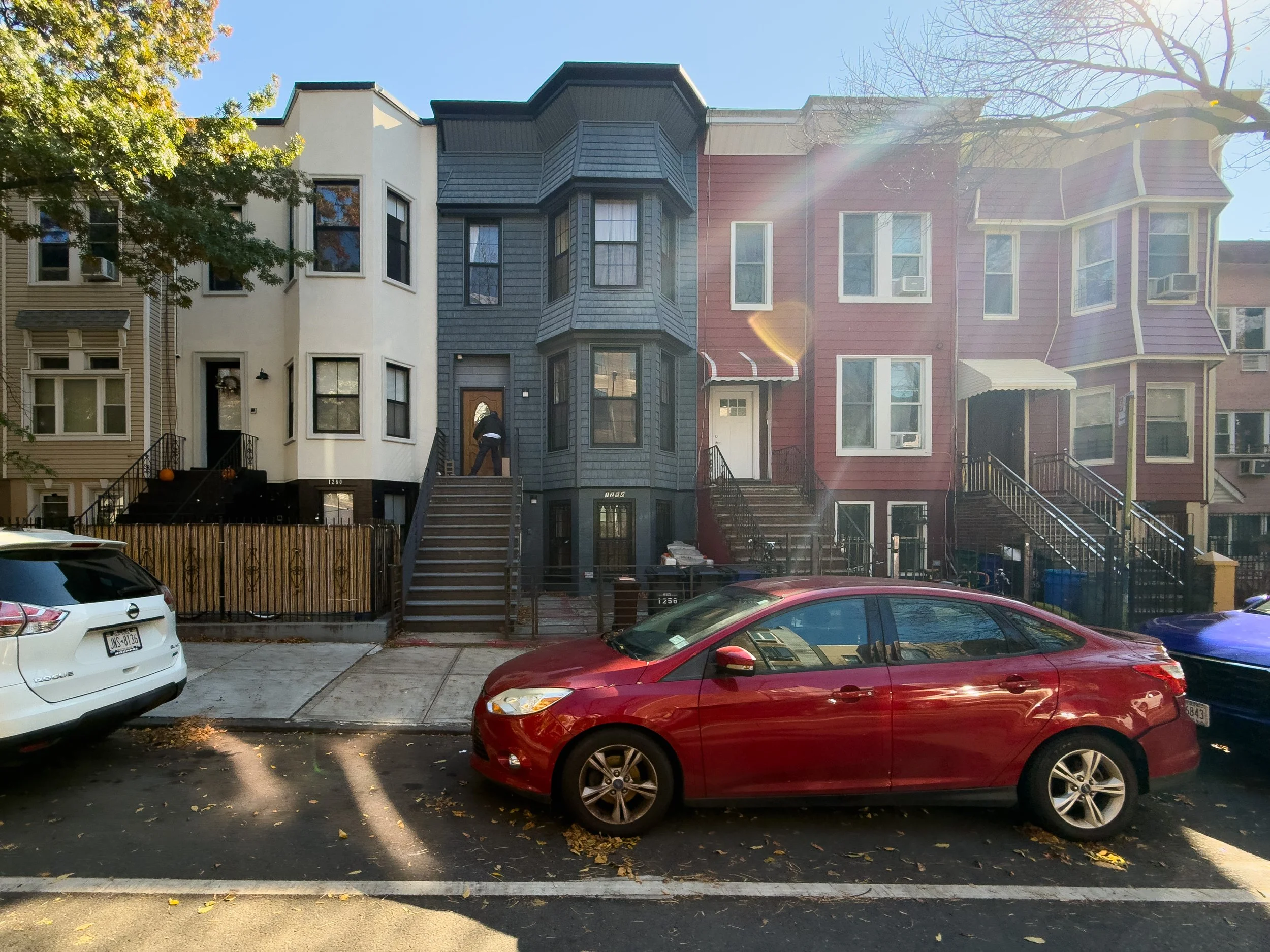
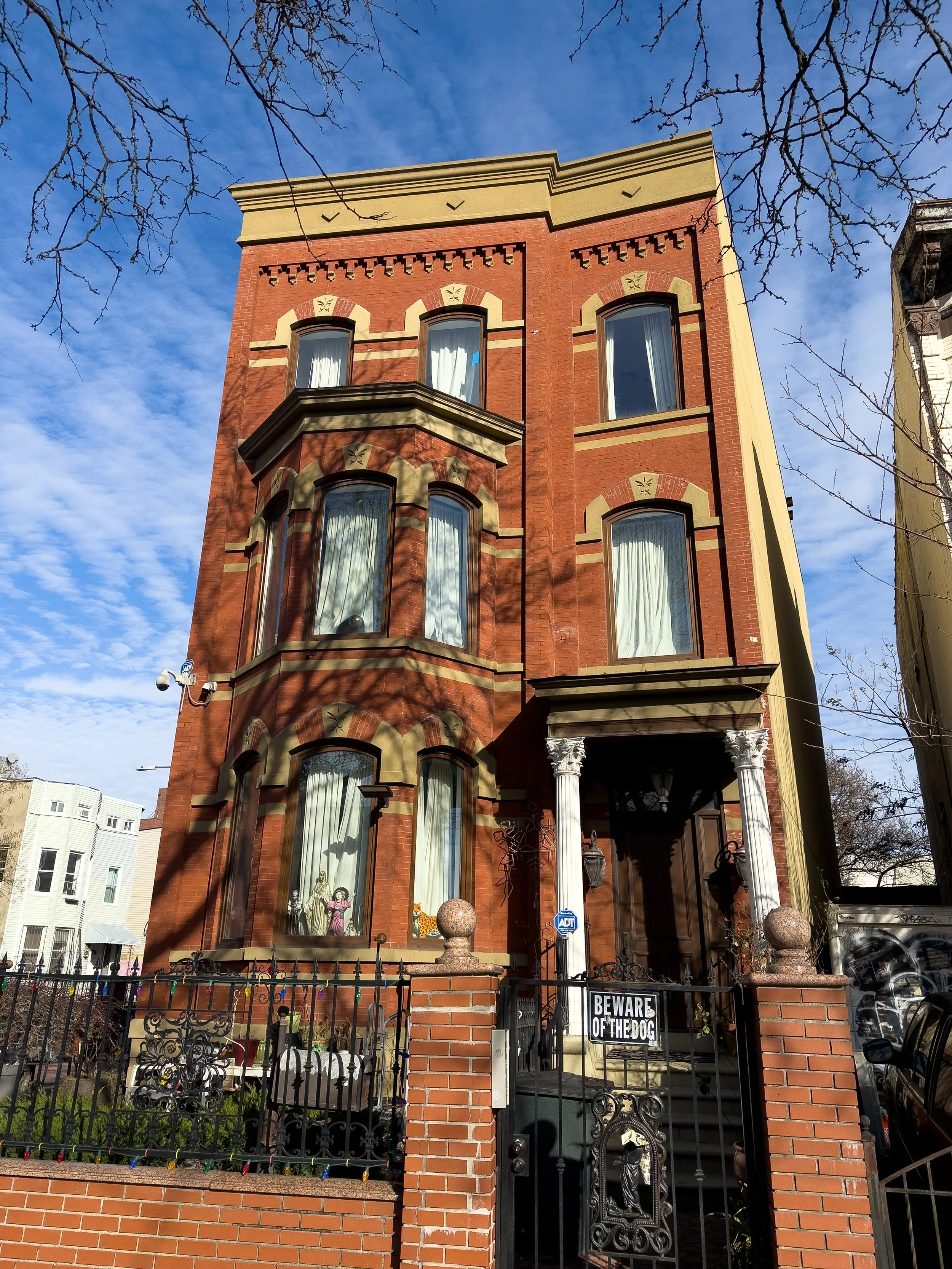
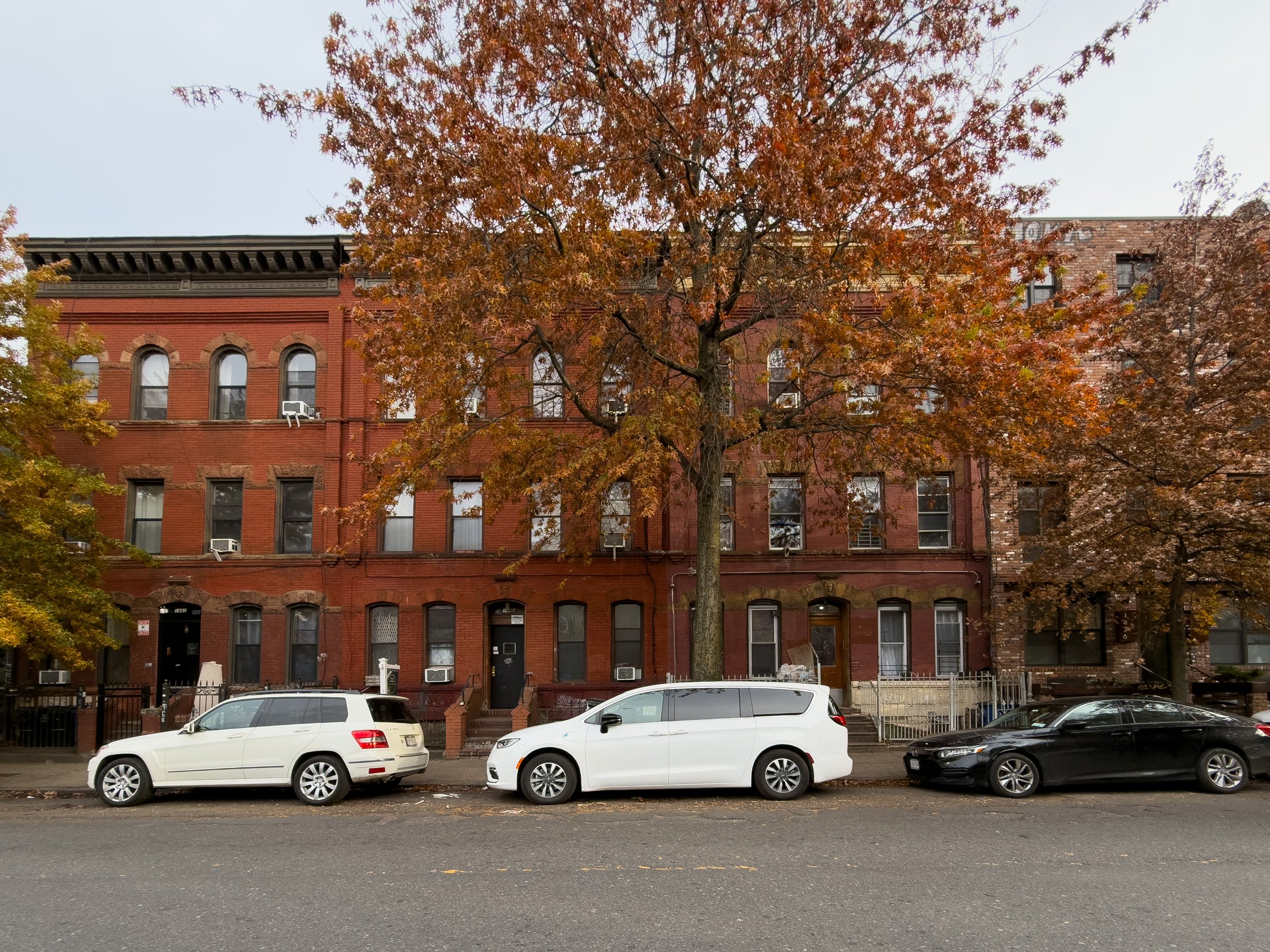
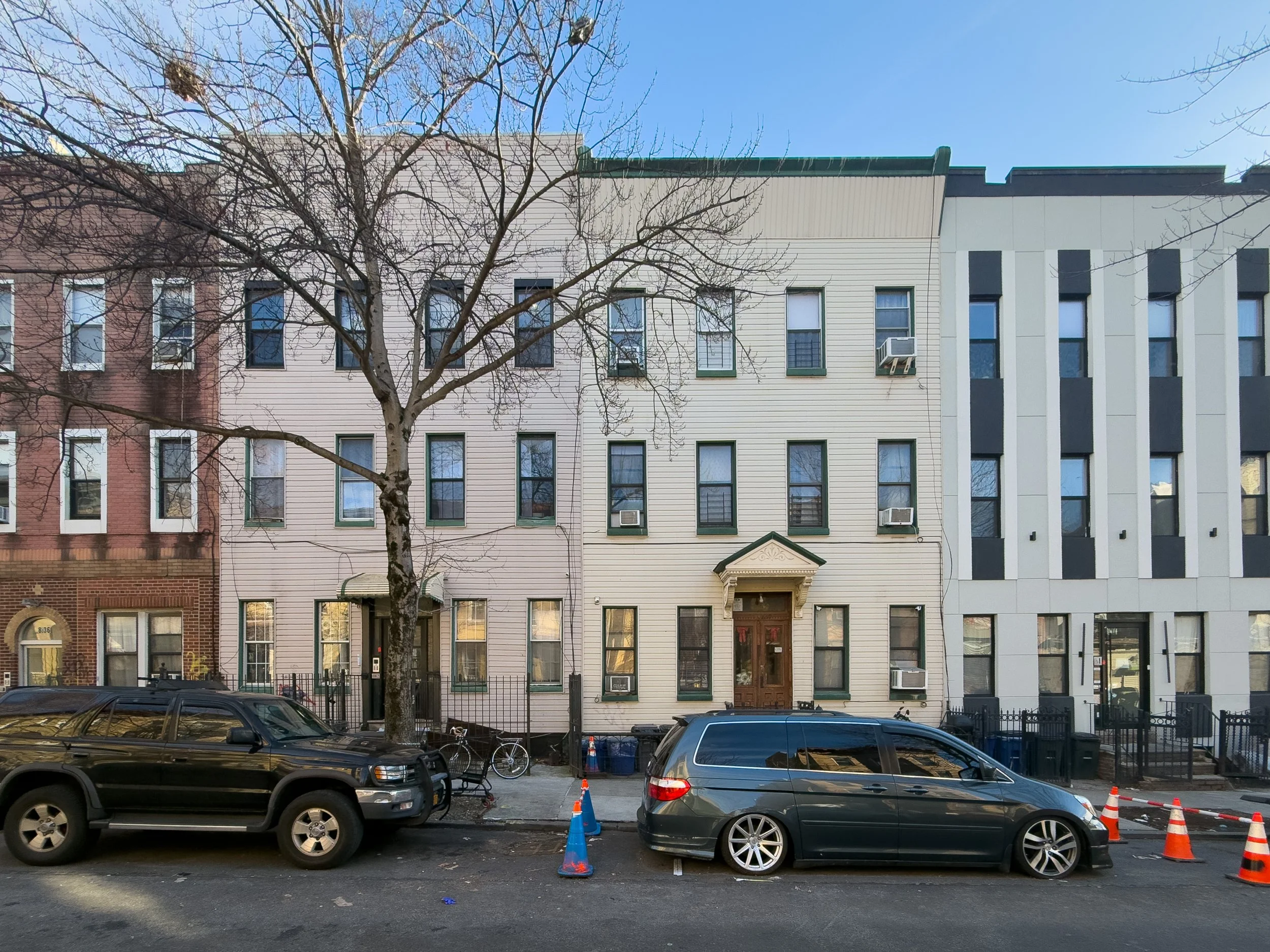
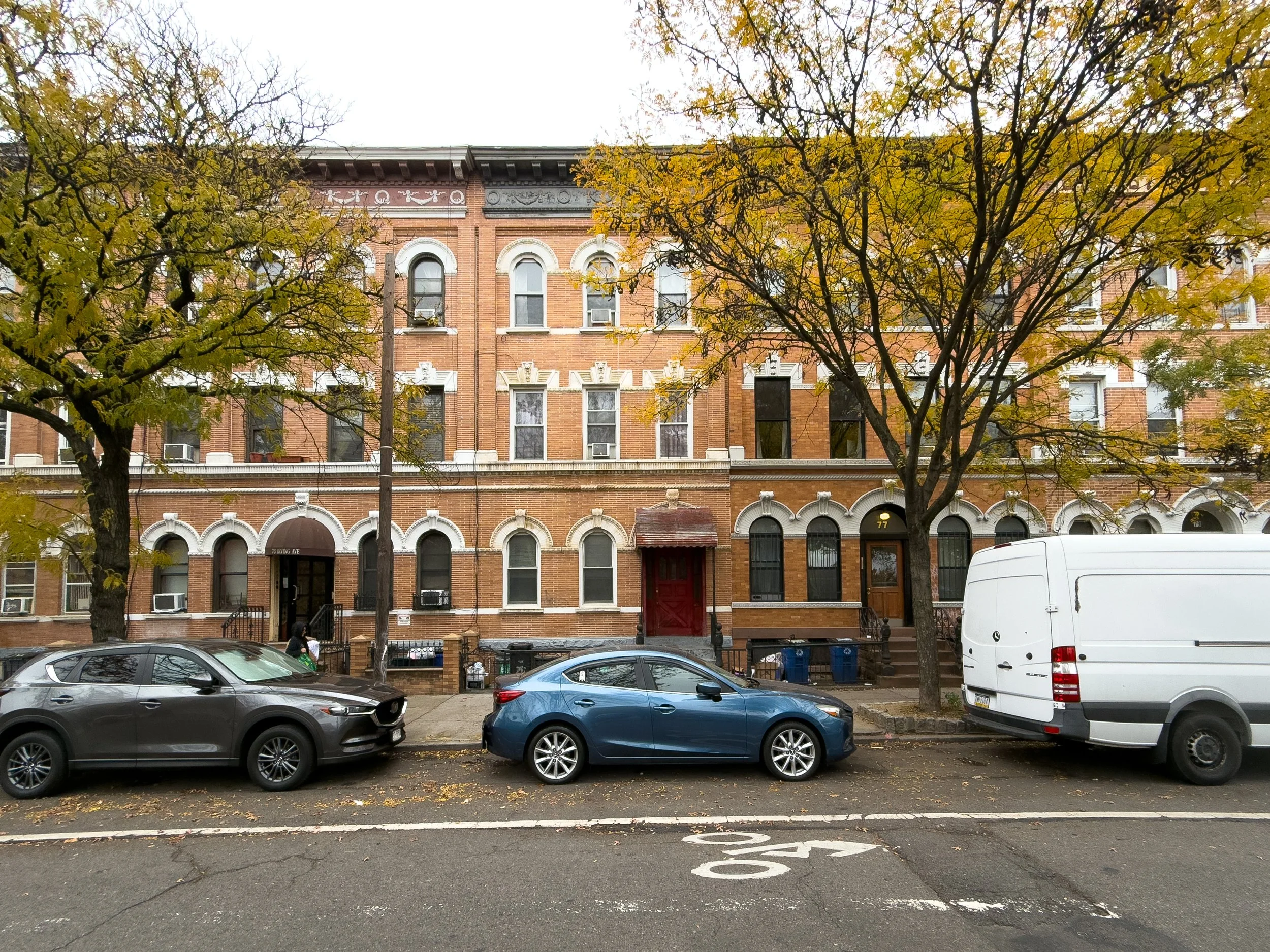
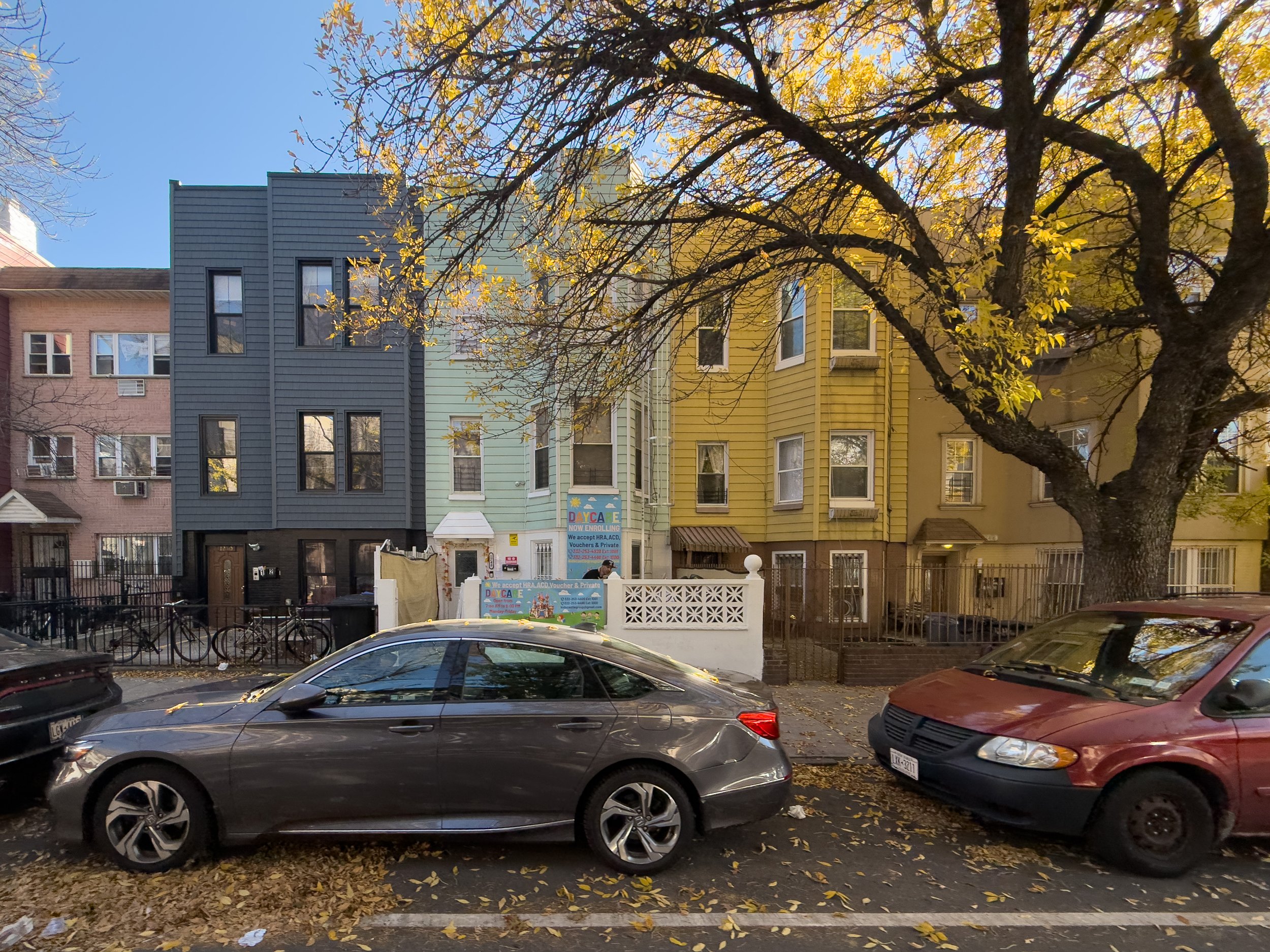
1. Neighborhood: A mixed-use, residential-first Brooklyn neighborhood defined by classic row houses, multifamily buildings, converted lofts, and a substantial number of small-scale neighborhood condominium developments.
Conveniences: Daily life is supported by a distributed network of retail corridors, cafés, and neighborhood services, with Maria Hernandez Park serving as a central anchor.
Transit: Extensive subway coverage — including the (L), (J), (M), (Z) lines — paired with strong Citi Bike access, connects Bushwick efficiently to Williamsburg and Manhattan’s Union Square.
Real Estate: One of North Brooklyn’s most accessible ownership markets by variety, offering entry-level condominiums, loft conversions, and small-scale new development across a broad range of price points.
The Vibe at a Glance
Bushwick is energetic, expressive, and constantly evolving — a neighborhood where residential life and cultural production operate side by side. Its streets reflect a layered mix of longtime residents, creatives, small business owners, and first-time buyers, all contributing to a dense, participatory urban fabric. Activity shifts throughout the day: mornings feel local and routine-driven, while afternoons and evenings bring a visible creative pulse along major corridors. New housing, adaptive reuse, and independent businesses continue to shape the neighborhood without flattening its character. The result is a place defined by momentum — active, lived-in, and shaped by people who engage with the neighborhood rather than simply pass through it. Thinking of buying or selling in Bushwick? Get tailored insights into the local market —let’s start the conversation.
Bushwick, Brooklyn 11221
Neighborhood
North to South: Flushing Ave. to Moffat St. & Eastern Pkwy
East to West Cypress & Wyckoff Ave. to Broadway Ave.
Nearby Neighborhoods: Williamsburg, East Williamsburg, Bed-Stuy, Ridgewood
MTA Subway Lines
(L) (J) (M) (Z)
Commute Times
Union Square: 32m train, 40m car
Financial District: 39m train, 45m car
Downtown Brooklyn: 45m train, 32m car
Long Island City: 38m train, 31m car
Bushwick
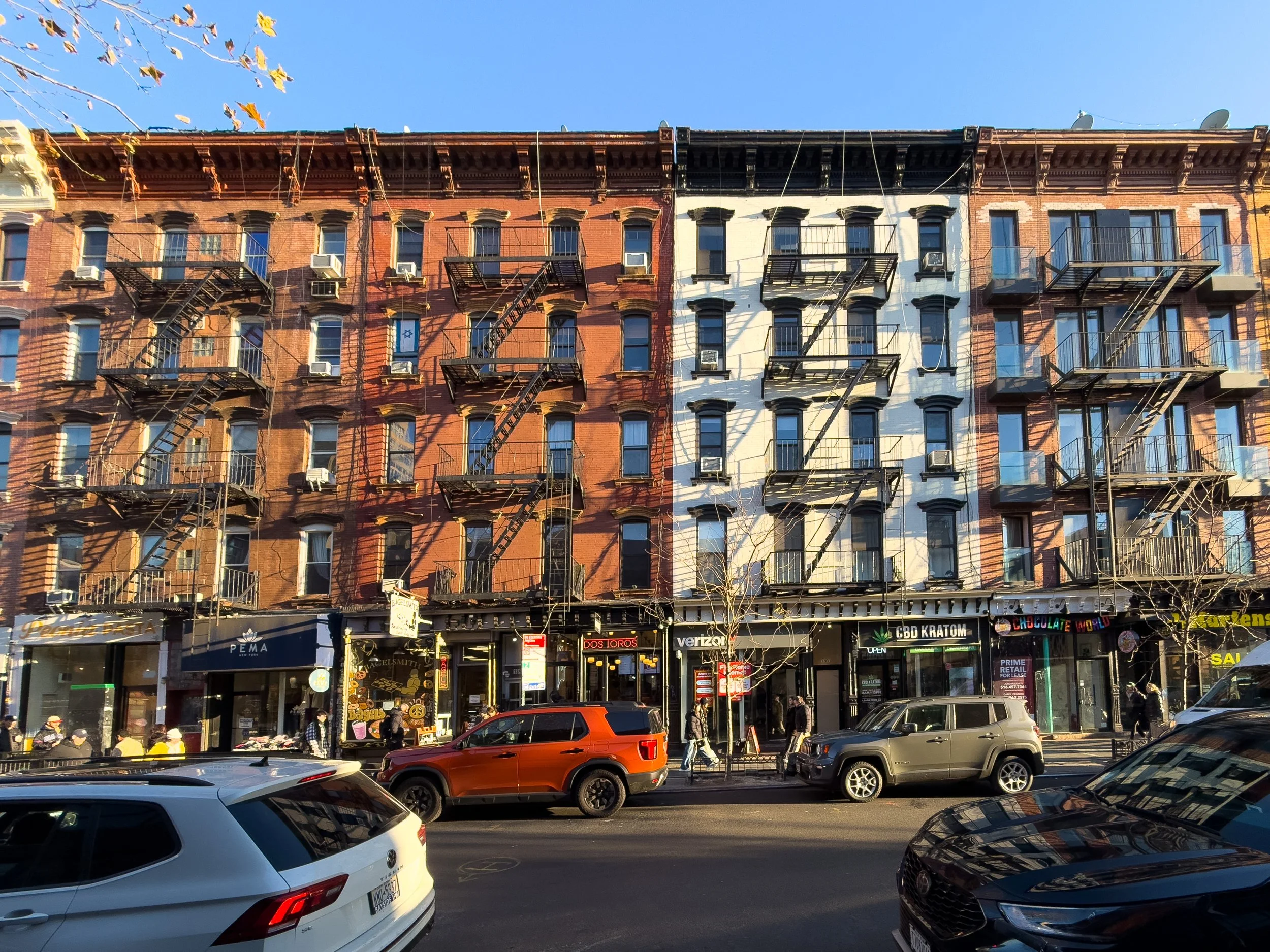
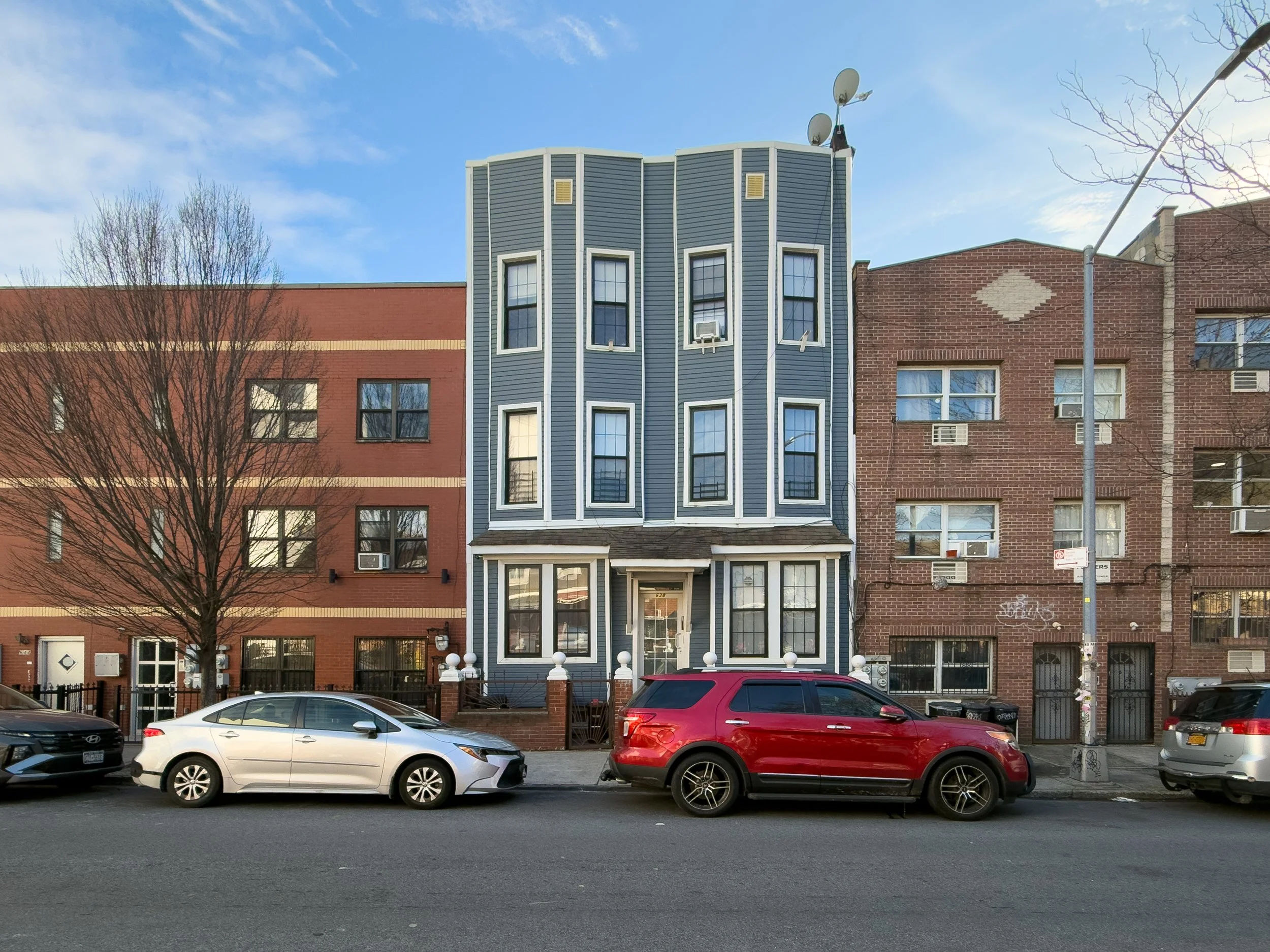
Bushwick occupies a significant stretch of North Brooklyn, shaped by layered residential growth and adaptive reuse rather than a single architectural identity. Today, the neighborhood reads as mixed-use and residential-first in character, with housing stock that reflects this evolution: classic brick row houses and two-family homes sit alongside prewar walk-ups, converted loft buildings, and a growing number of small-scale condominium developments. Its size and varied building fabric support a broad range of housing types and entry points, making Bushwick one of Brooklyn’s most accessible ownership markets by variety rather than uniform pricing.
From a real estate perspective, Bushwick functions as both a destination and a gateway for buyers. Its eastern location, strong transit access, and relative affordability compared to Williamsburg and Greenpoint have positioned it as a natural landing place for those priced out of adjacent markets. At the same time, its cultural footprint — shaped by music, art, and independently owned businesses — continues to draw residents who value creativity, density, and urban energy alongside long-term residential potential.
Vibe and Atmosphere
Bushwick moves quickly, but not uniformly. Early mornings — especially on weekends — feel distinctly local, shaped by foot traffic, routine conversations, and a steady neighborhood pace before the day accelerates. Side streets are active but grounded, with long-time residents and newer arrivals sharing the same blocks, cafés, and daily rhythms. The scale is dense and urban, yet the energy remains participatory rather than transactional.
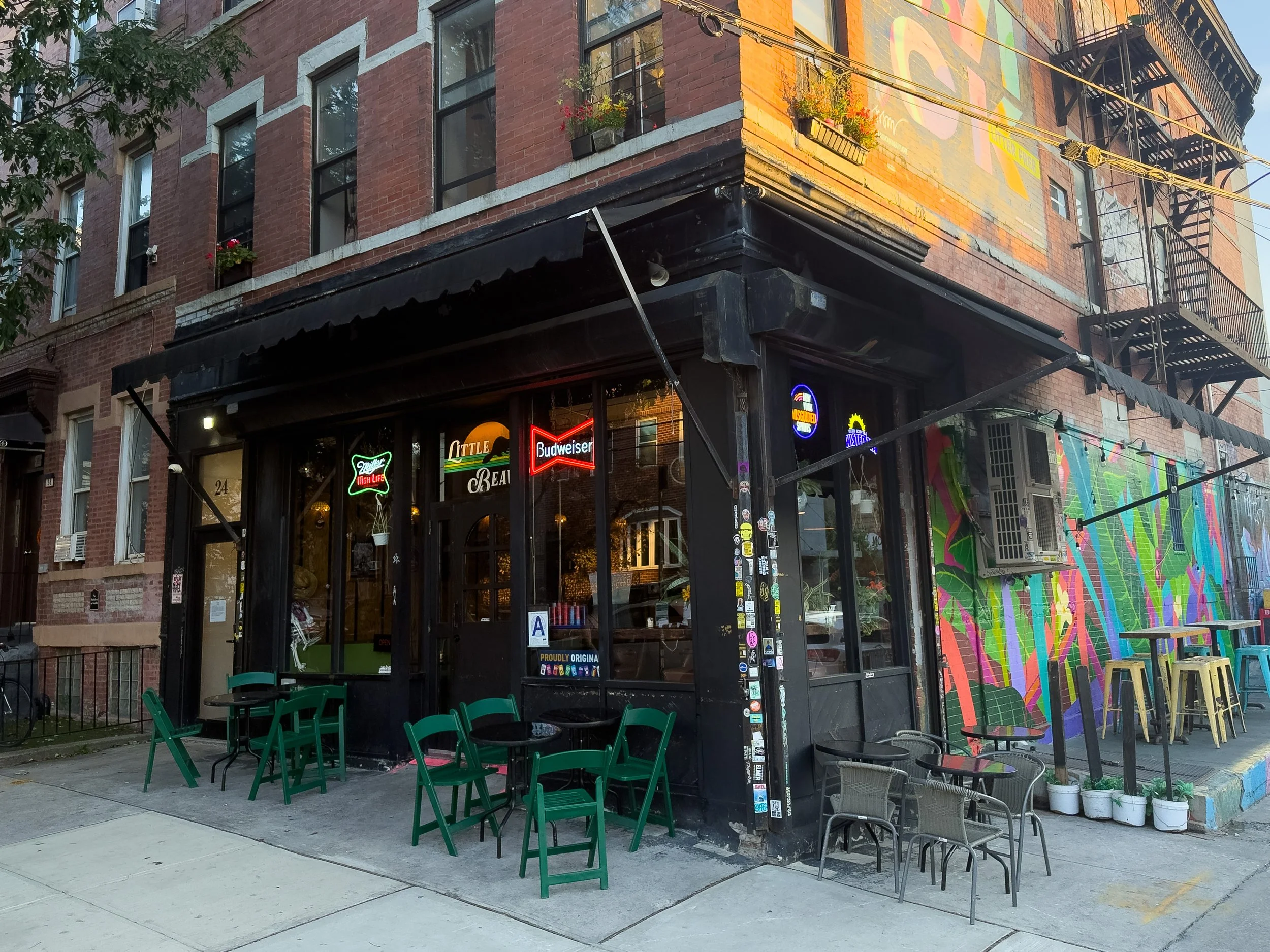
As the day progresses, Bushwick’s creative identity becomes more visible. Art, music, and cultural production are not confined to designated venues but woven directly into the streetscape — murals, studios, informal gathering spaces, and adaptive reuse buildings contribute to an atmosphere that feels expressive and in motion. Large-scale street art has become a defining visual layer of the neighborhood, shaped in part by long-running community efforts such as The Bushwick Collective, whose work reflects both the neighborhood’s creative output and its ongoing evolution rather than a fixed aesthetic. Major corridors carry a higher-energy, more experimental edge, while interior blocks retain a predominantly residential character, creating a neighborhood defined by contrast rather than uniformity.
Evenings bring a noticeable shift without fully overtaking the neighborhood’s residential core. Activity concentrates along select streets, while quieter blocks remain consistent and lived-in. What sets Bushwick apart is that its cultural life is locally generated and continuously evolving. The neighborhood functions less as a curated destination and more as an ecosystem — one where creative work, community, and daily life overlap, producing an atmosphere that feels authentic, layered, and distinctly of-the-moment without losing its grounding.
Amenities and Conveniences
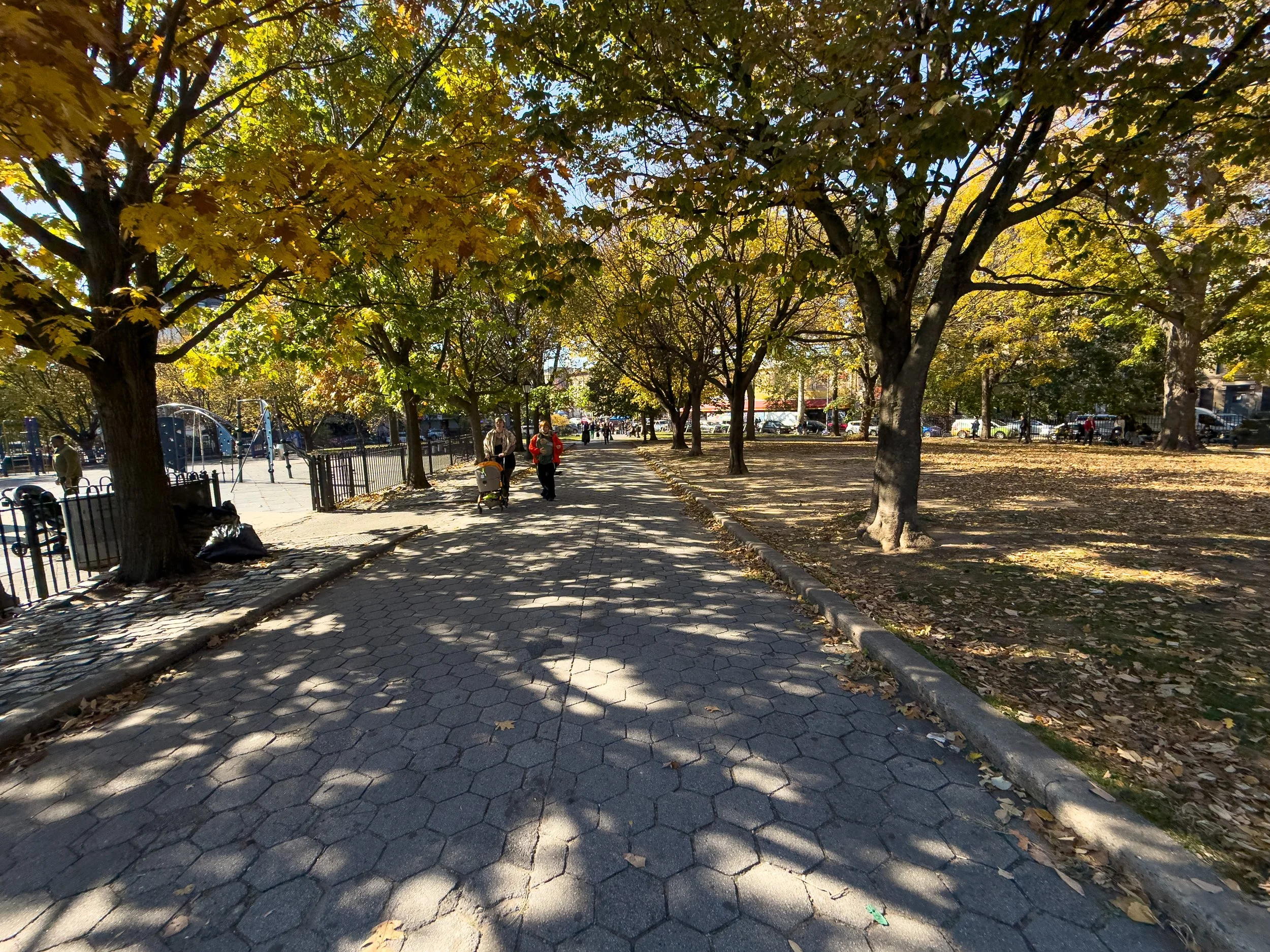
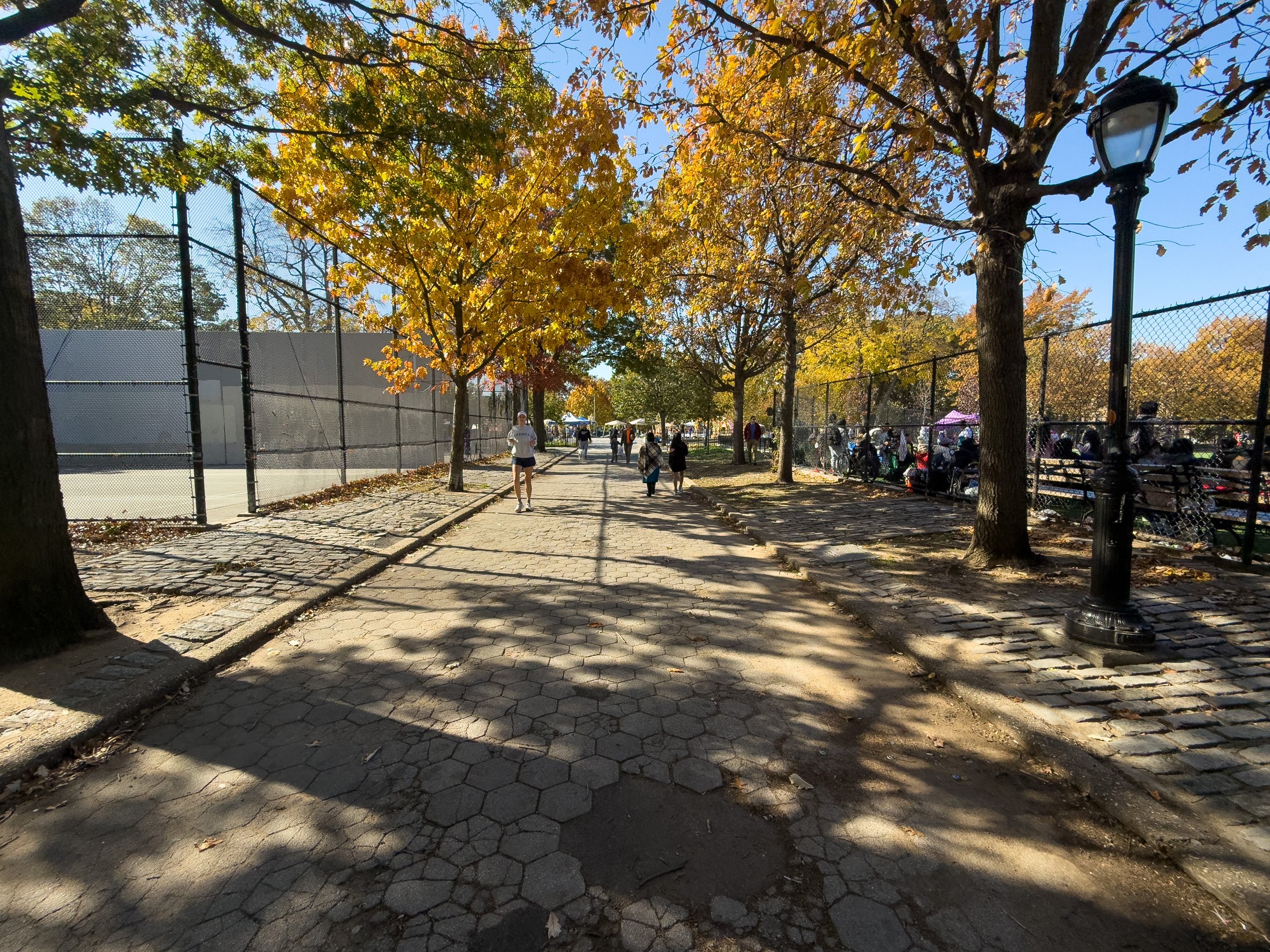
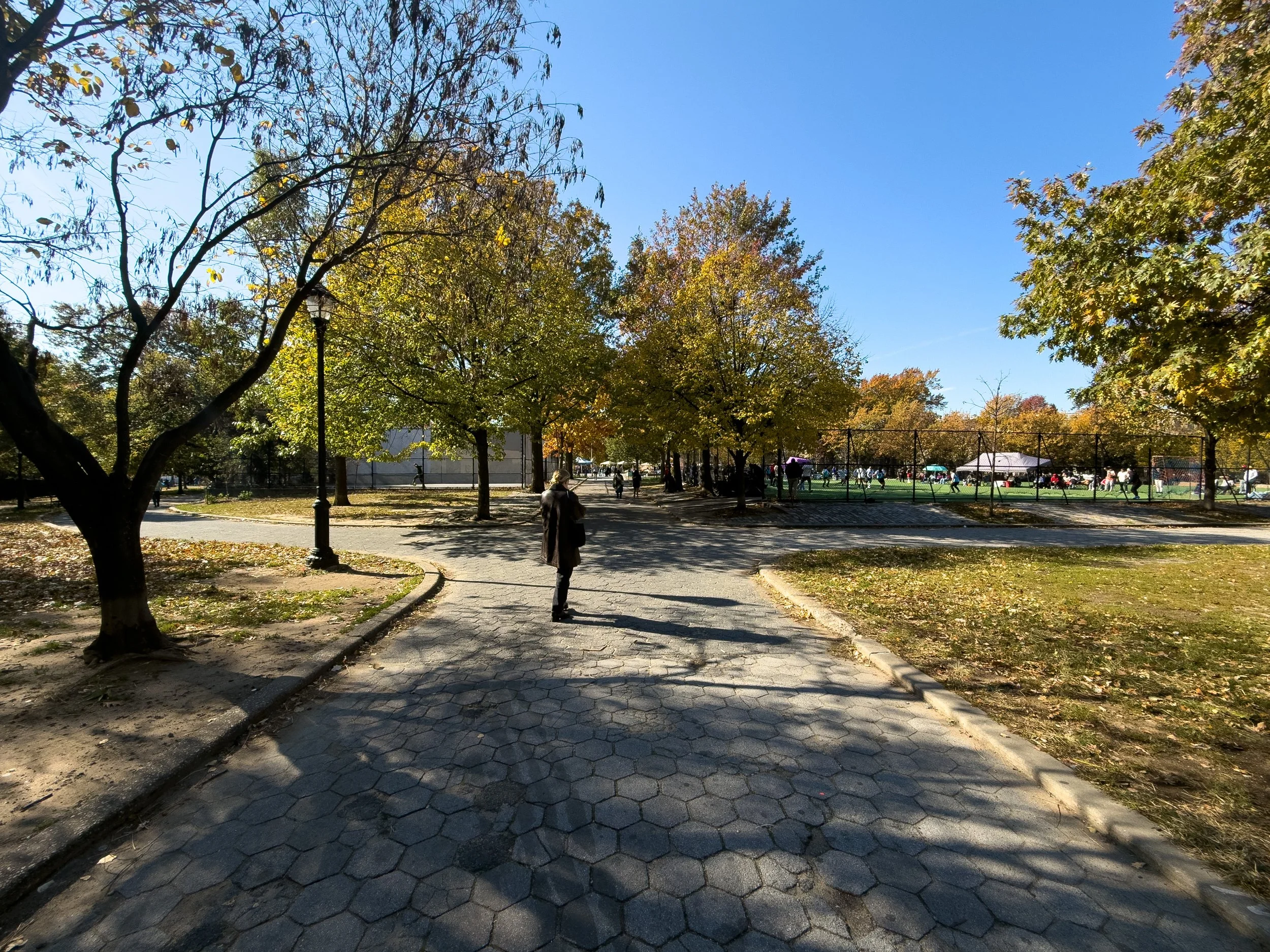
Bushwick’s amenities are distributed across its wide footprint, reinforcing a neighborhood organized around daily use rather than a single commercial center. Maria Hernandez Park anchors the area, serving as a primary gathering space with lawns, play areas, athletic courts, and a steady rhythm of community activity throughout the week. Smaller playgrounds, schoolyards, and shared outdoor spaces supplement green access, particularly for families and longtime residents.
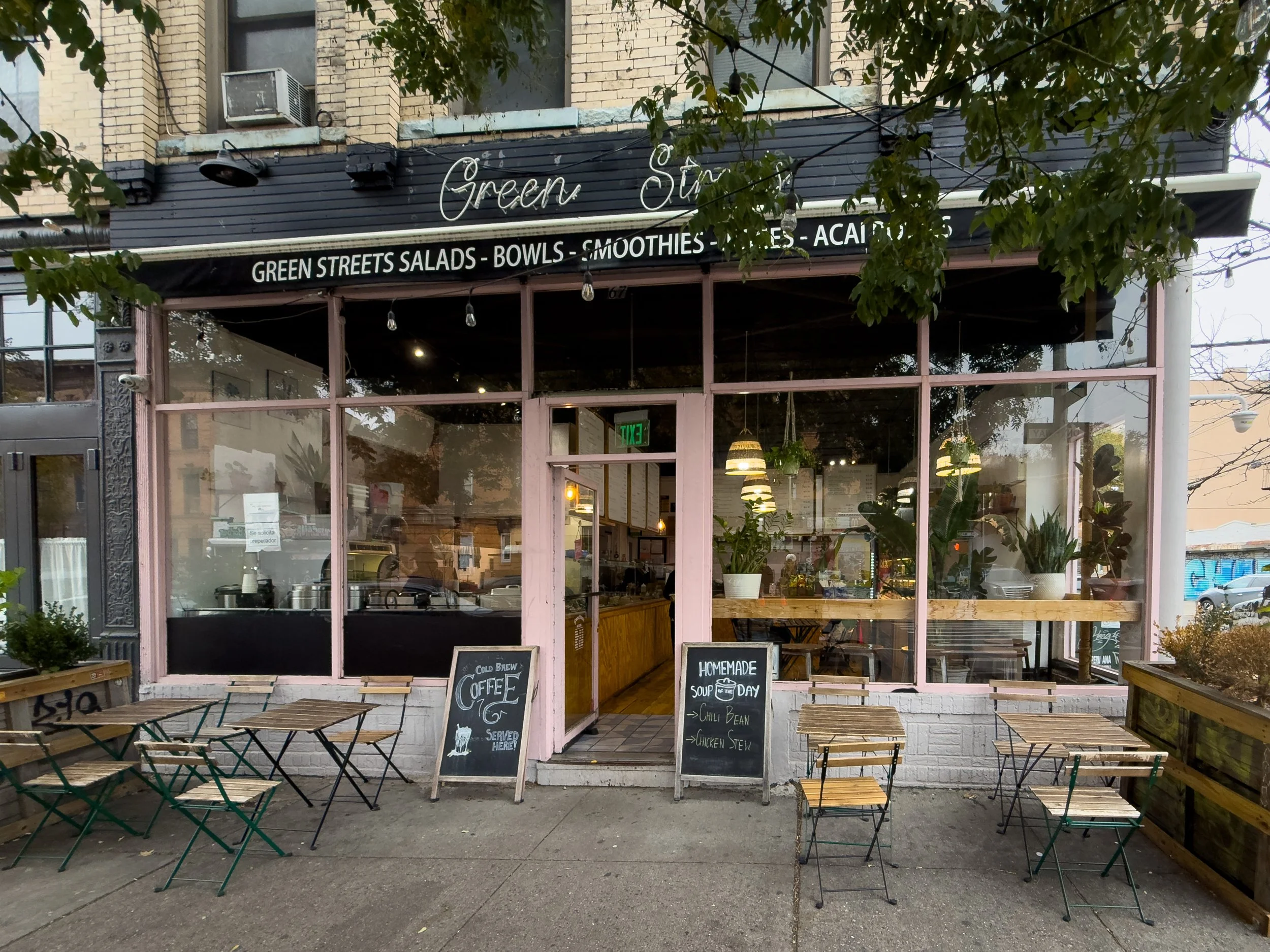
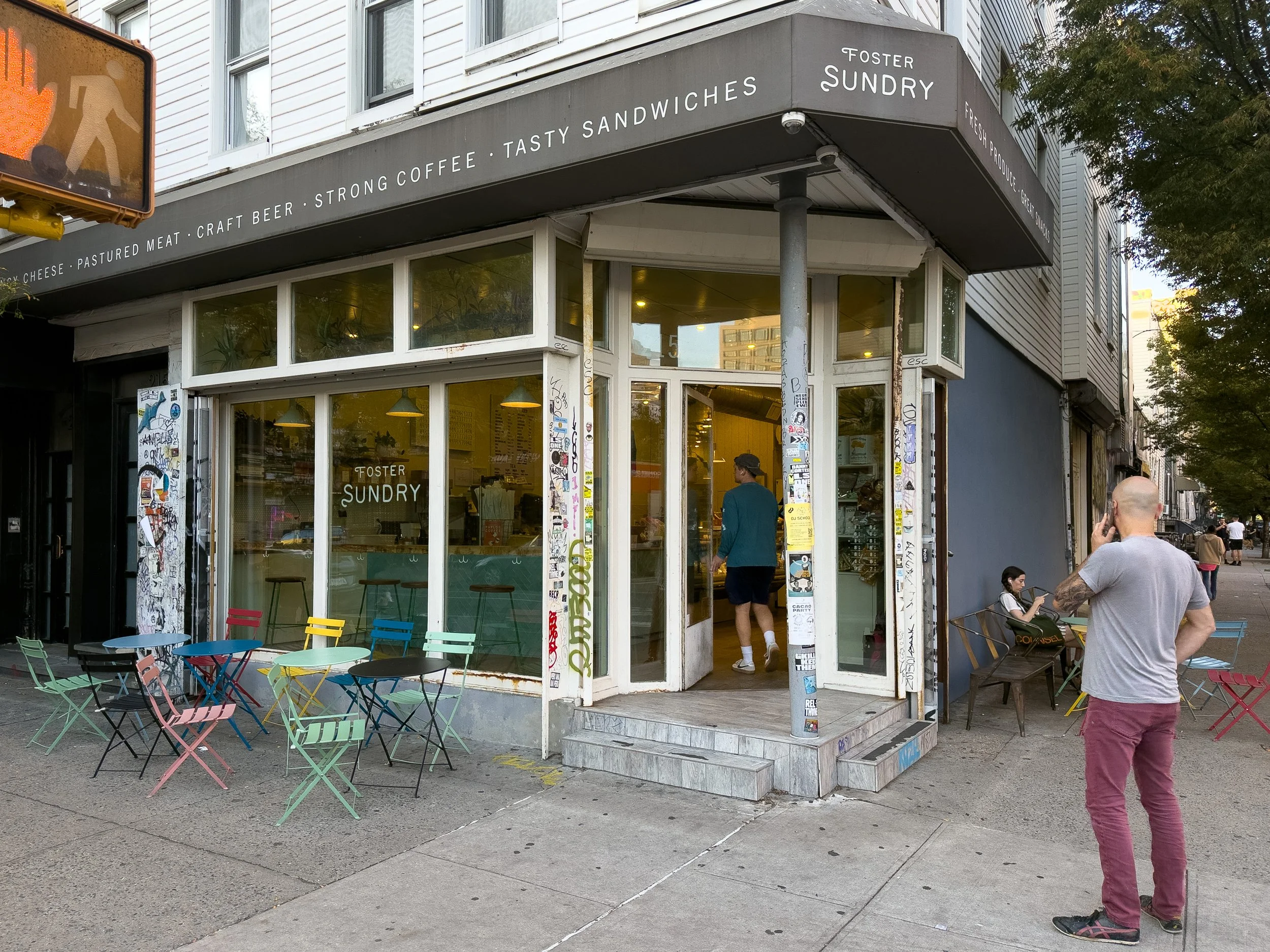
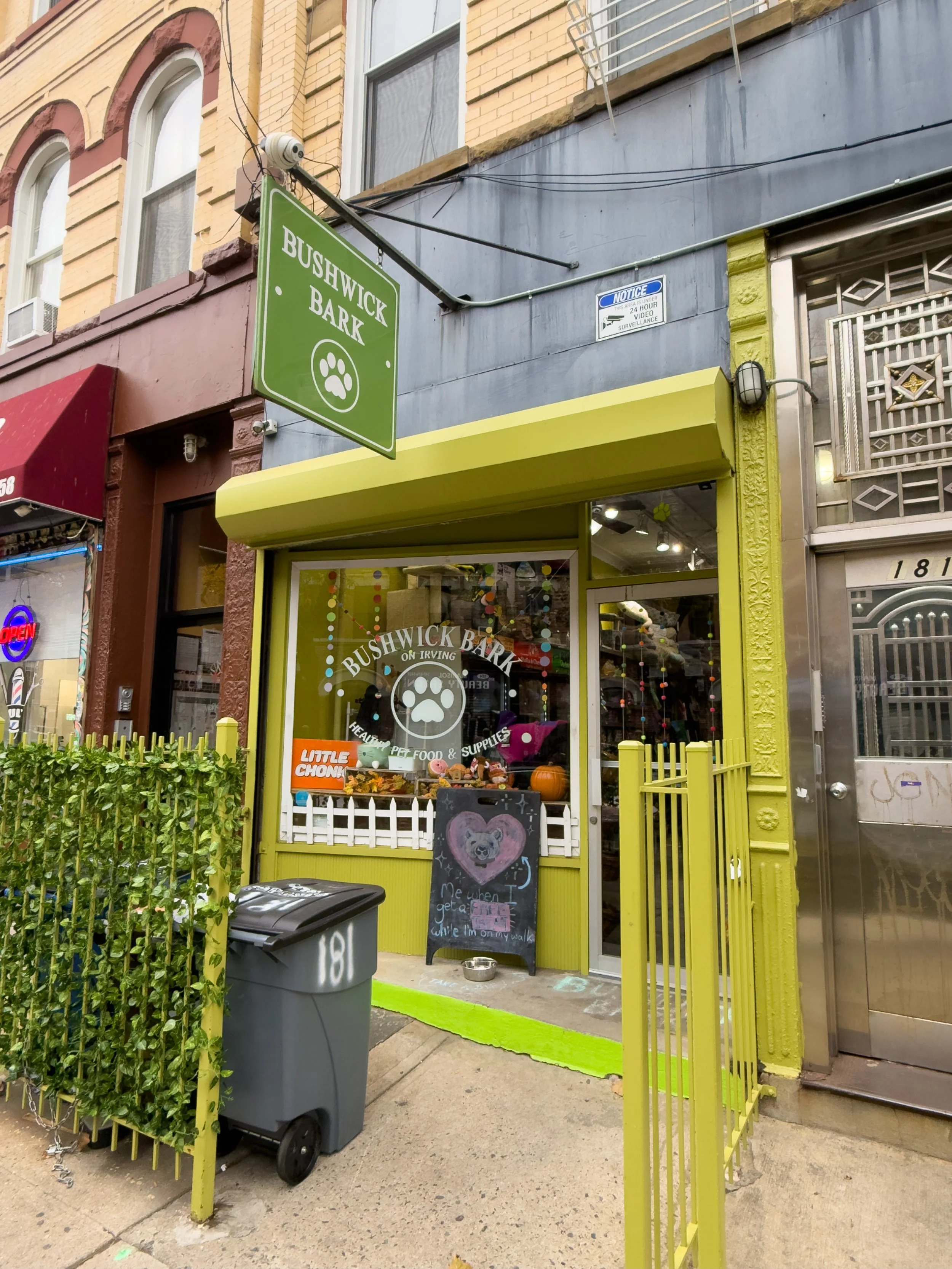
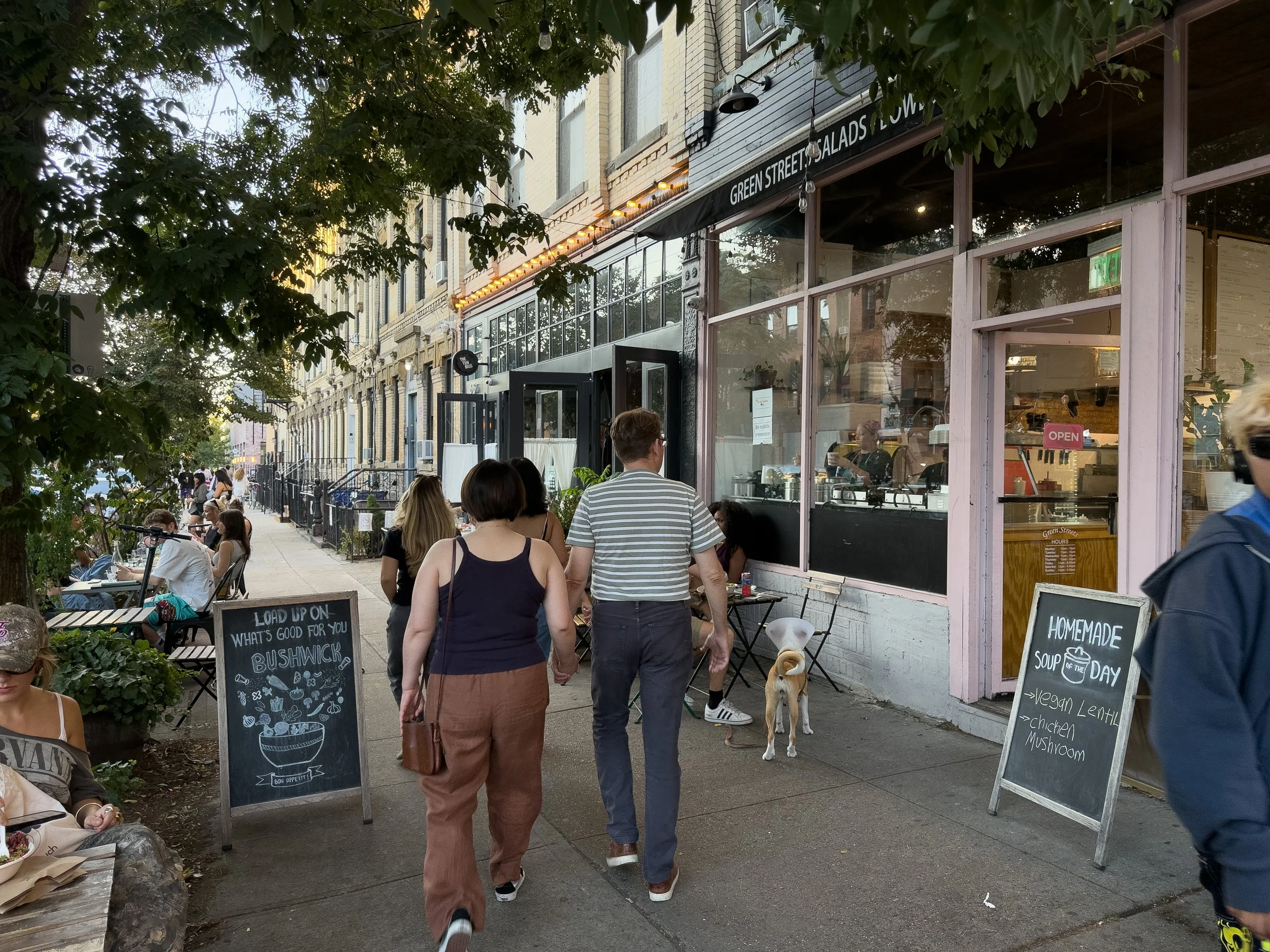
Everyday conveniences are woven into the neighborhood’s commercial grid, with grocery stores and local services spread across corridors such as Knickerbocker Avenue, Myrtle Avenue, Wyckoff Avenue, Broadway, Wilson Avenue, and Irving Avenue. This decentralized layout supports a highly walkable, self-sufficient rhythm of daily life. Coffee plays a distinct role here — both as a daily essential and as a destination in its own right. Many cafés double as places to meet, work, and linger, reflecting Bushwick’s strong population of creatives, hybrid workers, and residents who spend much of their day within the neighborhood. Spots such as Dweebs, SEY Coffee, Variety Coffee Roasters, Obscure Coffee Roasters, Loveless Coffees, Dayglow, Nook, and Secret Coffee function as regular waypoints, serving everything from morning routines to informal meetings and solo work sessions woven naturally into everyday schedules.
Dining and Shopping
Dining in Bushwick reflects the neighborhood’s scale, diversity, and creative energy rather than a single defining strip. Residents encounter a wide range of cuisines and formats — from long-standing local restaurants to newer spots that have earned citywide recognition — distributed across multiple thoroughfares. Roberta’s, along with neighborhood favorites such as Fazio’s and Carmenta’s, reflects Bushwick’s deep-rooted Italian and pizza culture, while established anchors and evolving favorites including Bunna Cafe, Taqueria Al Pastor, Eyval, Nowon, and Maloya illustrate a dining scene where comfort and creativity coexist. Everyday staples like Ayat, Falansai, and Nene’s Taqueria further reinforce a food culture shaped by repeat visits, accessibility, and cultural breadth rather than trend cycles.
Beneath this range sits a long-established Latin culinary presence, rooted in the neighborhood’s Puerto Rican and Dominican communities, where many local restaurants operate as true neighborhood destinations — places woven into daily life, shaped by familiarity, and filled with regulars rather than reservation rituals. The result is a dining landscape that reflects Bushwick’s cultural identity and rhythms as much as its ongoing creative evolution.
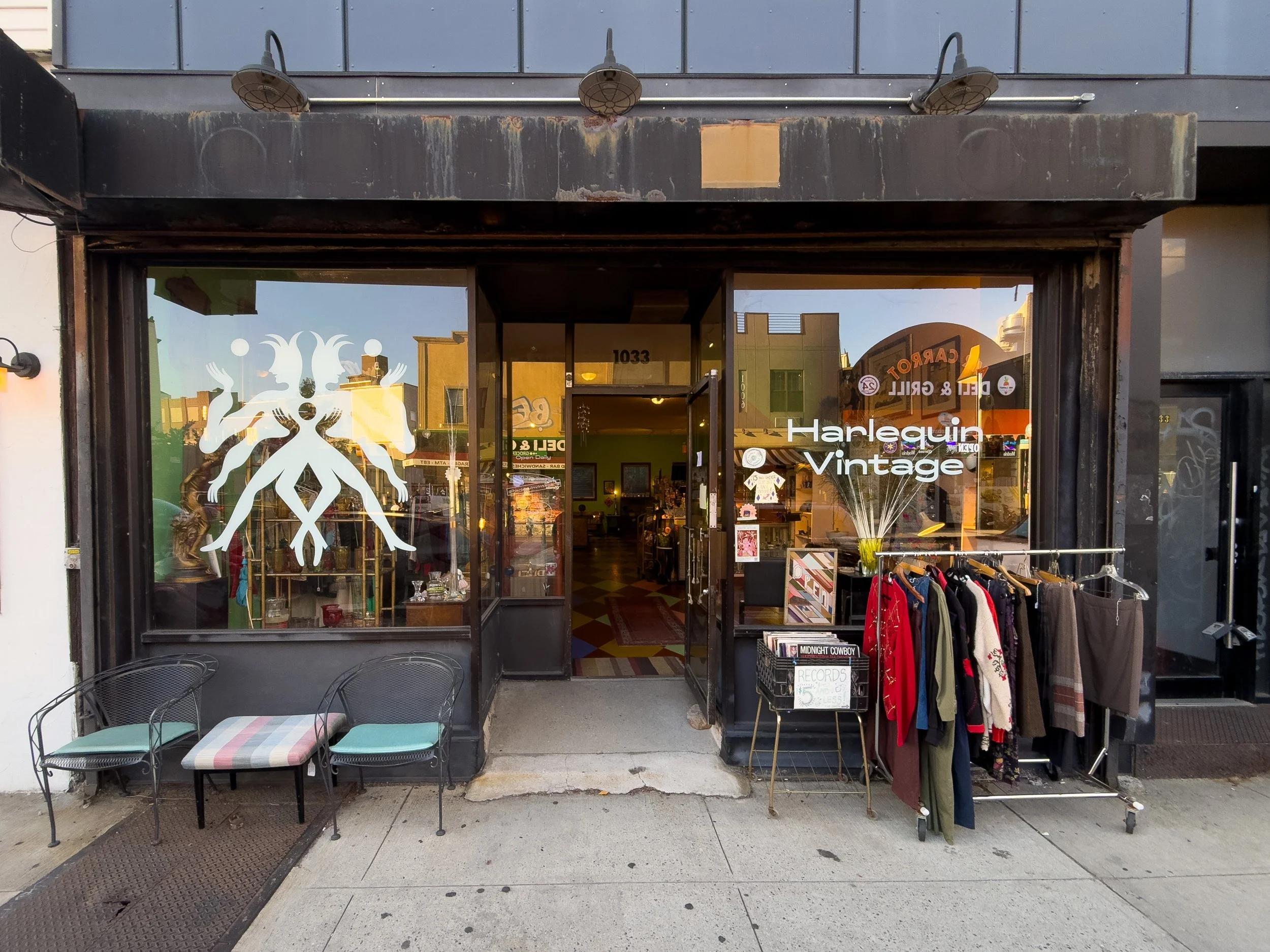
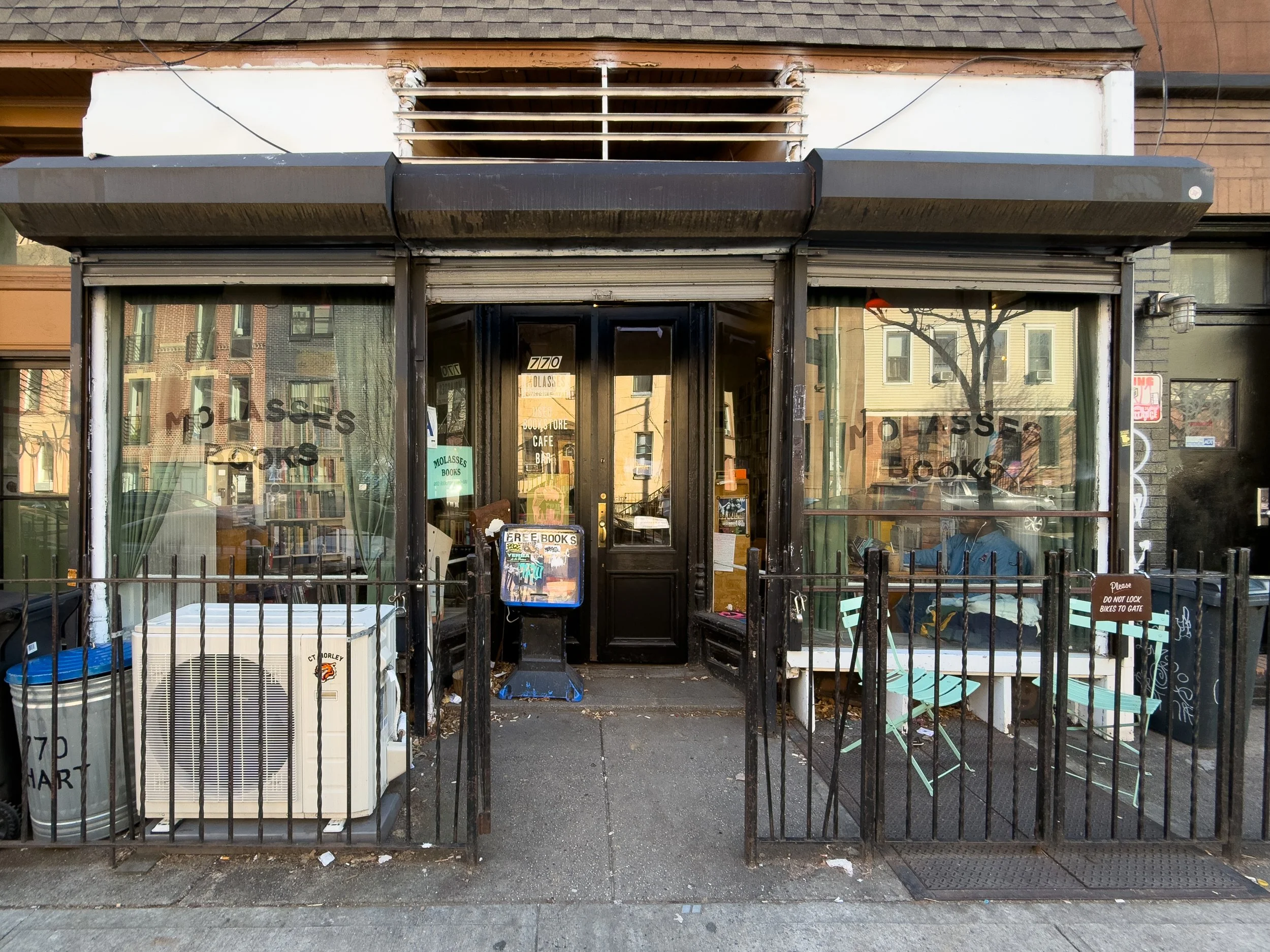
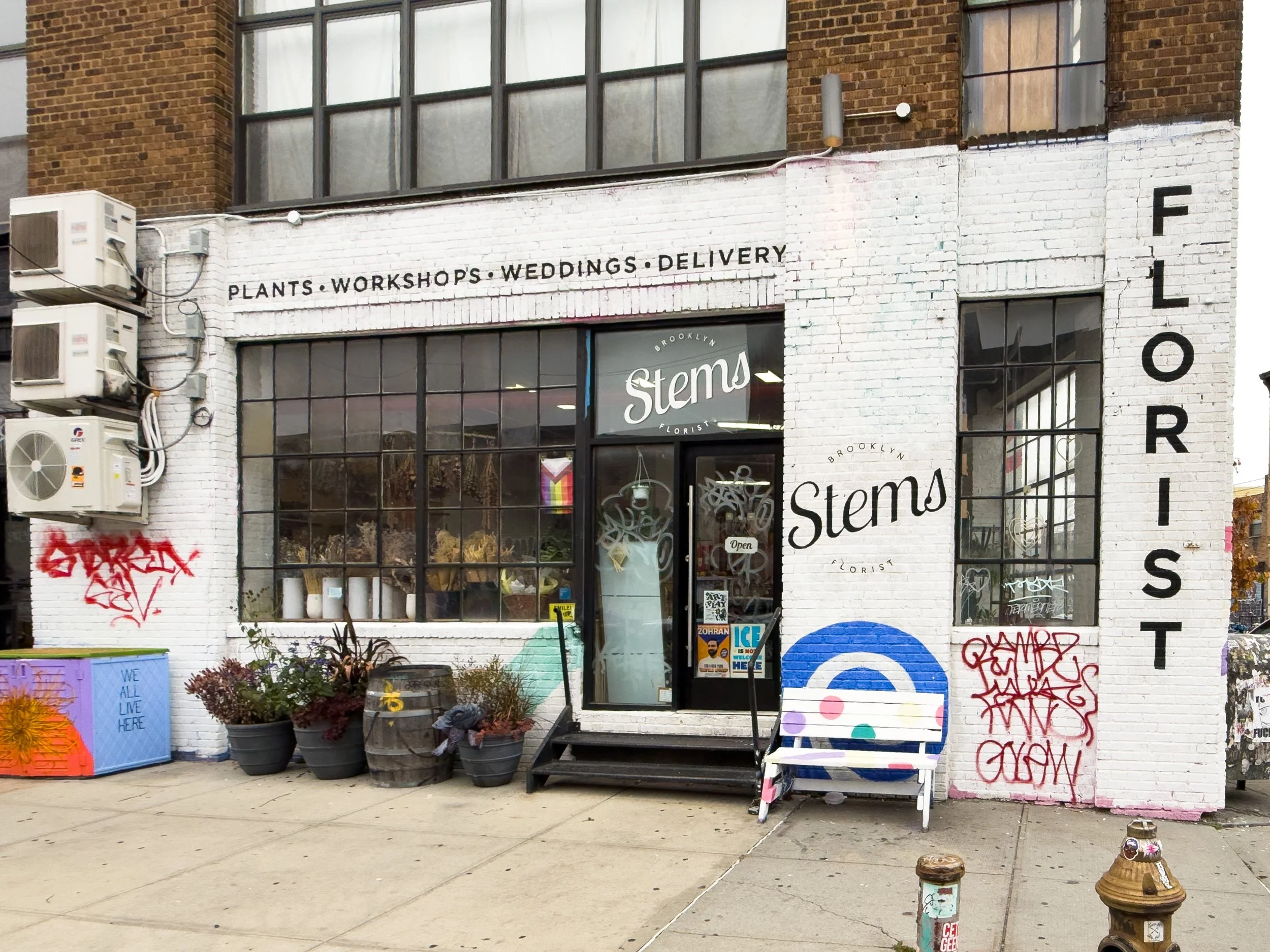
Shopping in Bushwick mirrors its creative and independent spirit, with a strong emphasis on vintage, resale, and artist-driven retail. Thrift and vintage shops such as Beacon’s Closet, L-Train Vintage, 28 Scott Vintage, Harlequin Vintage, and Urban Jungle sit alongside independent boutiques and creative spaces like Friends NYC, Risk Gallery, Harmony, Molasses Books, Human Relations, Nexus Records, and Second Hand Records NYC. Many of these shops are independently owned and operated by neighborhood residents themselves, reinforcing a retail landscape that feels participatory rather than programmed. The result is a destination shopping scene shaped by local taste, experimentation, and constant evolution — one that draws visitors while remaining deeply rooted in the surrounding community.
Transportation
Bushwick benefits from extensive transit coverage, supporting both its density and its strong connection to the rest of the city. Multiple subway lines serve the neighborhood, including the (L), (J), (M), and (Z), providing direct connections to Williamsburg, Lower Manhattan, Downtown Brooklyn, and Midtown.
For many residents — particularly those commuting to Manhattan — the (L) train is a central draw. Stations such as Morgan Avenue, Jefferson Street, DeKalb Avenue, and Myrtle–Wyckoff Avenues anchor daily movement through the neighborhood, while offering a fast and reliable link to Union Square, and convenient access to nearby Manhattan neighborhoods such as the East Village. The (L) line’s north–south orientation also reinforces Bushwick’s close relationship with Williamsburg and other parts of North Brooklyn.
The (J), (M), and (Z) lines provide additional east–west connectivity, with service through Lower Manhattan neighborhoods including the Lower East Side, expanding transit options for both commuting and daily travel. Citi Bike docks are widely available throughout the neighborhood, supporting short trips within Bushwick as well as easy connections to adjacent areas such as Williamsburg, Ridgewood, and Bed-Stuy. For drivers, access to major roadways supports movement across Brooklyn and into Queens and Manhattan, though most daily life here remains walk- and transit-oriented.
Schools
Bushwick offers a broad mix of public and charter school options serving K–12 families, reflecting the neighborhood’s size and diversity. Private school options are also available within Bushwick and in nearby neighborhoods, expanding choice for families seeking alternative educational models. Educational options are distributed across the area, with additional access in Bed-Stuy, Williamsburg, and Greenpoint.
Colleges and universities are not located directly within Bushwick, but higher-education institutions across Brooklyn and Manhattan are easily reached by subway, keeping post-secondary access close without shaping the neighborhood’s residential density.
Real Estate Insights
Bushwick’s real estate market is defined by volume, variation, and accessibility. Housing stock spans classic row houses and two-family homes, converted industrial lofts, and a substantial supply of newer condominium developments. Much of the neighborhood’s recent growth has taken the form of small-to-mid-scale projects rather than large towers, reinforcing a built environment that remains relatively low-rise despite ongoing development.
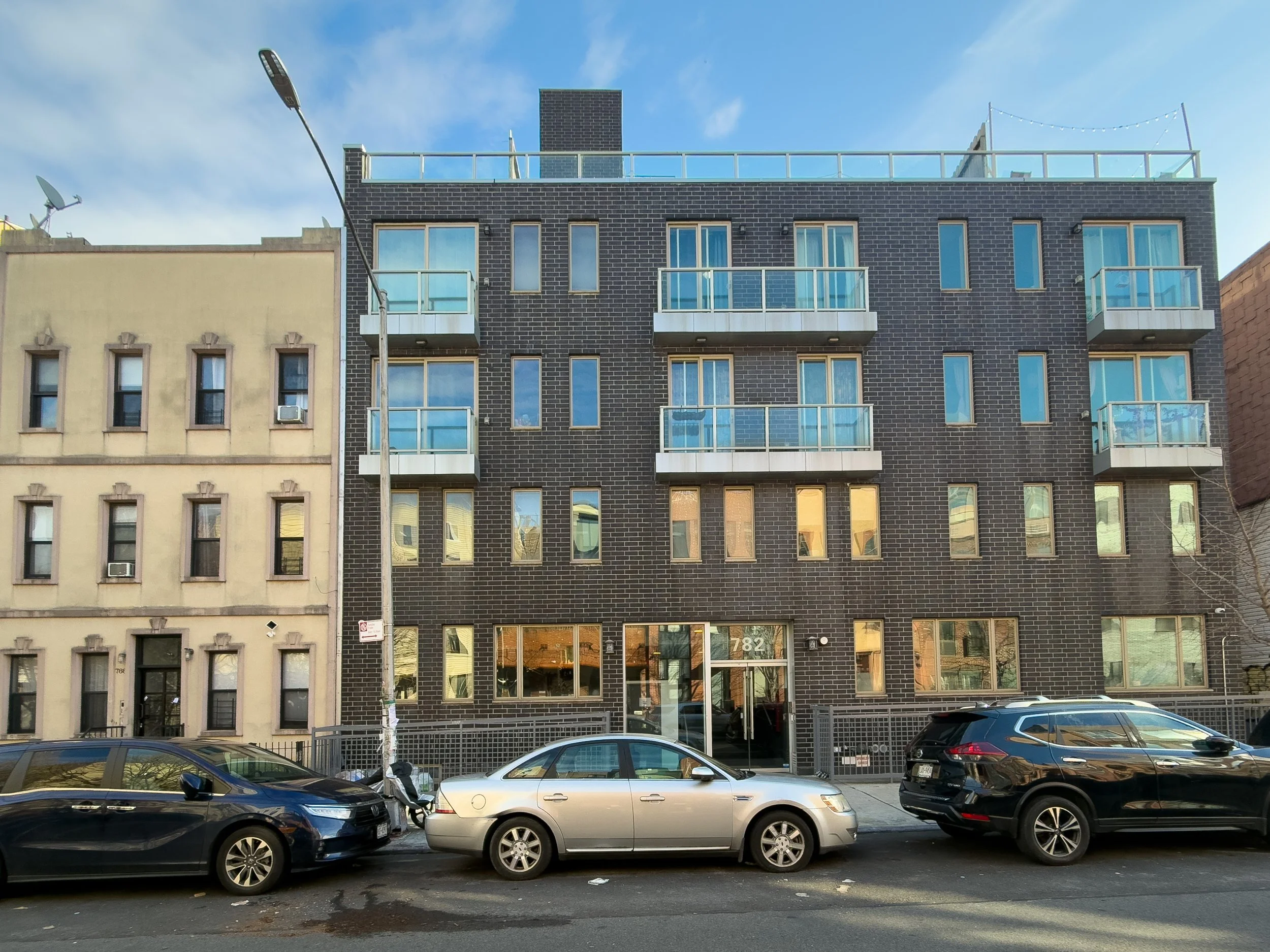
New condominium inventory in Bushwick is typically delivered through boutique buildings — often four to five stories in height, with a limited number of residences, commonly fewer than twenty homes per building. These developments tend to emphasize modern layouts and efficient design, creating attainable ownership opportunities that contrast with the more supply-constrained brownstone neighborhoods to the west.
Buyers in Bushwick are diverse, including creatives, professionals, long-term renters transitioning to ownership, and investors seeking flexibility and scale. While pricing varies meaningfully block by block, the neighborhood’s appeal lies in its combination of transit access, cultural relevance, and comparatively accessible entry points within North Brooklyn. Inventory turnover is higher than in historic brownstone neighborhoods.
Sales Market At A Glance
Average Home Value (ZHVI / “Typical Home Values”): ~$955K (Zillow, Q4 2025)
1-Year Home Value Change (ZHVI): +3.3% (Zillow)
Median List Price: ~$975K–$1.05M (Zillow; PropertyShark)
Median Sale Price: ~$1.07M (+1.6% YoY) (Redfin)
Price per Sq Ft: ~$1,100–$1,250 PPSF (PropertyShark; Realtor.com)
By unit type, pricing in Bushwick spans a wide range: $500Ks for small studios; $600K–$700K range for one-bedroom homes; to $1M+ for larger two- and three-bedroom residences — with most transactions clustering higher depending on building type, condition, and location.
Median Days on Market: ~72-80 days (Realtor.com, Redfin)
Source: Zillow, PropertyShark, Realtor.com, Redfin (2025). Zillow’s Home Value Index (ZHVI) reflects average home values across property types using seasonally adjusted estimates. PropertyShark pricing is based on closed sales recorded in ACRIS and may reflect quarter-specific concentration in new developments. Days-on-market metrics vary by platform methodology, property mix, and reporting window.
Trends
Bushwick’s real estate market continues to reflect its position as one of Brooklyn’s most active and transitional ownership environments. Unlike low-turnover brownstone enclaves, Bushwick consistently absorbs new supply — particularly boutique condominium development — which sustains transaction volume even as pricing has moved meaningfully higher over the past several years.
A defining feature of the current market is inventory composition. Many new buildings are small to mid-scale condominium projects — typically four to six stories, often with fewer than twenty units — spread across multiple pockets of the neighborhood rather than concentrated in a single corridor. This widely dispersed development pattern has created a steady pipeline of entry-level and mid-market ownership opportunities, especially attractive to first-time buyers and long-term renters transitioning into ownership.
Pricing metrics vary widely depending on what is trading. Periods dominated by new condo closings tend to push median prices higher, while resale-heavy quarters skew lower, particularly when two-family homes or older walk-ups account for more activity. As a result, headline pricing should be interpreted alongside transaction mix rather than viewed in isolation.
Despite rising prices, Bushwick remains comparatively accessible relative to western North Brooklyn, sustaining demand from buyers seeking space, flexibility, and cultural proximity without Williamsburg or Greenpoint price points. Days on market remain longer than in tightly held neighborhoods, but turnover is faster than in historic brownstone districts — reinforcing Bushwick’s role as a volume-driven, buyer-diverse market where supply, creativity, and development continue to shape long-term trajectory rather than constrain it.
Final Thoughts
Bushwick stands apart for its scale and momentum. Its mix of historic housing, adaptive reuse, and ongoing small-scale development supports a neighborhood that continues to evolve while remaining deeply rooted in local culture. Daily life here is active, expressive, and participatory — shaped by residents who engage with the neighborhood rather than experience it passively.
For buyers, Bushwick offers one of Brooklyn’s most flexible ownership landscapes, with diverse housing options and accessible entry points across a wide geography. For sellers and owners, it remains a market driven by steady demand, continued development, and cultural relevance. As North Brooklyn continues to shift eastward, Bushwick’s strength lies in how it incorporates change without losing the qualities that define its identity.
Buying or Selling in Bushwick or exploring Brooklyn? Whether you’re exploring condos, townhouses, or considering selling your current home, I’m happy to provide a complimentary Comparative Market Analysis (CMA) or share tailored insights into the local market. Reach out — let’s start the conversation.
For in-depth guides on topics like home valuations, making the most of open house visits, submitting offers, and navigating negotiations — visit the Resources & Insights hub for resources designed to help guide buyers and sellers in the Bushwick real estate market.
Related Brooklyn Neighborhood Guides