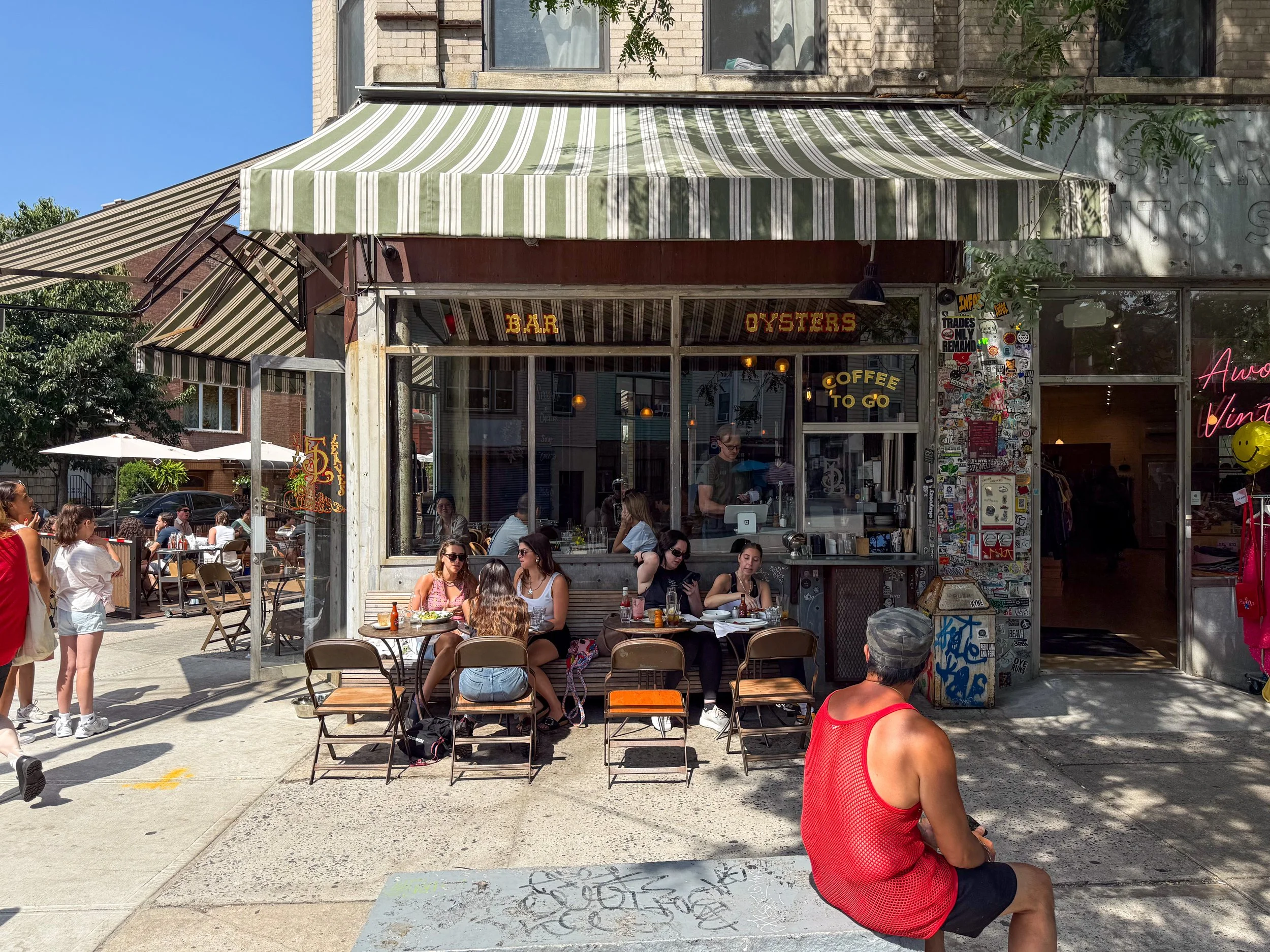
Boerum Hill, Brooklyn
Boerum Hill
1. Neighborhood: A compact, historic Brooklyn enclave defined by brownstones, townhouses, prewar co-ops, and a limited layer of condominium development, with a distinctly residential interior.
2. Conveniences: Centrally positioned near Fort Greene Park, Prospect Park, Brooklyn Bridge Park, and Downtown Brooklyn, with everyday needs supported across Boerum Hill, Cobble Hill, and Carroll Gardens.
3. Transit: Exceptional subway access along the neighborhood’s edges, strong Citi Bike coverage, and efficient connections to Manhattan and across Brooklyn.
4. Real Estate: Constrained inventory, long-term ownership patterns, and clearly defined sub-markets shape pricing, turnover, and buyer behavior.
The Vibe at a Glance
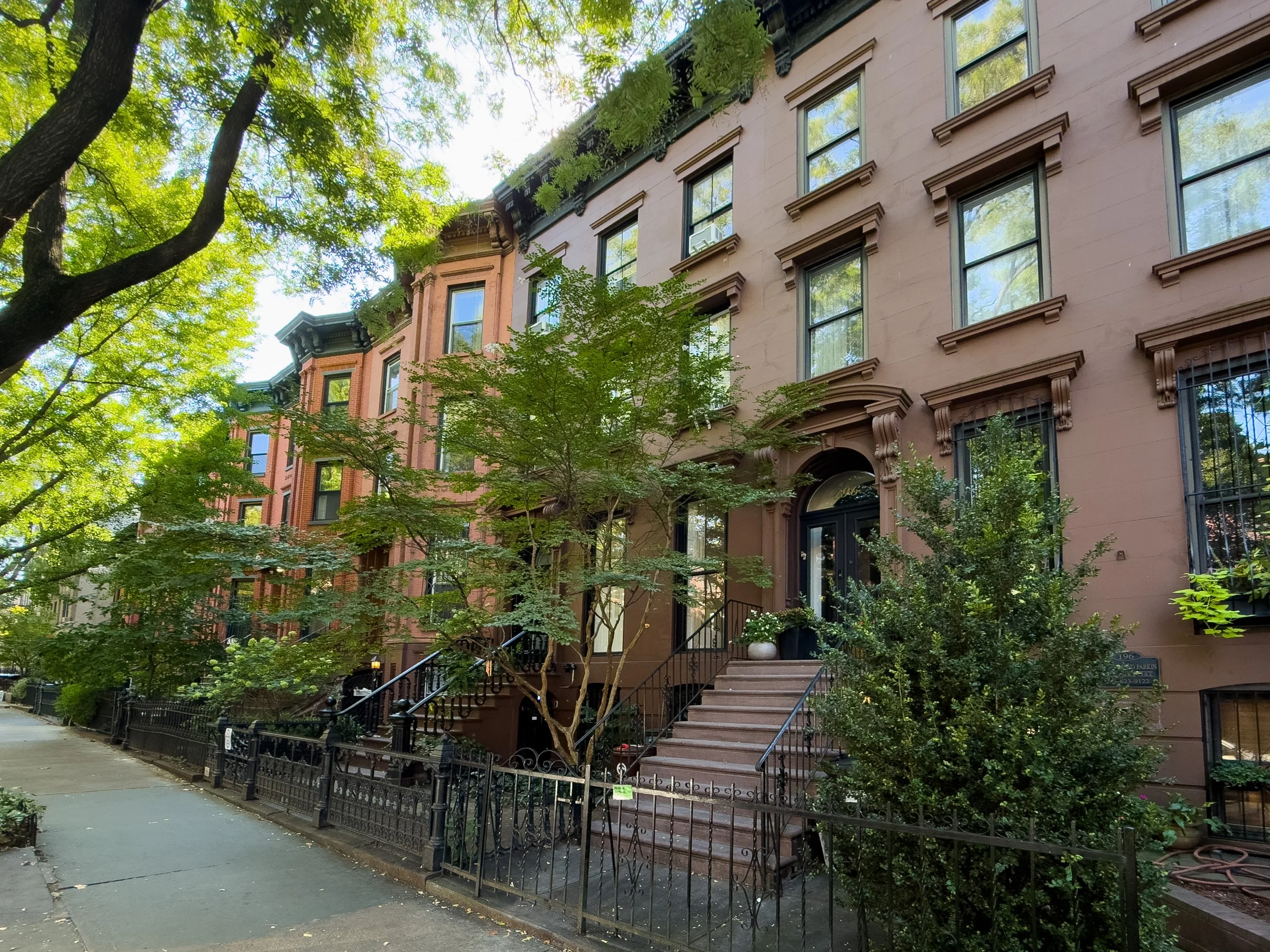
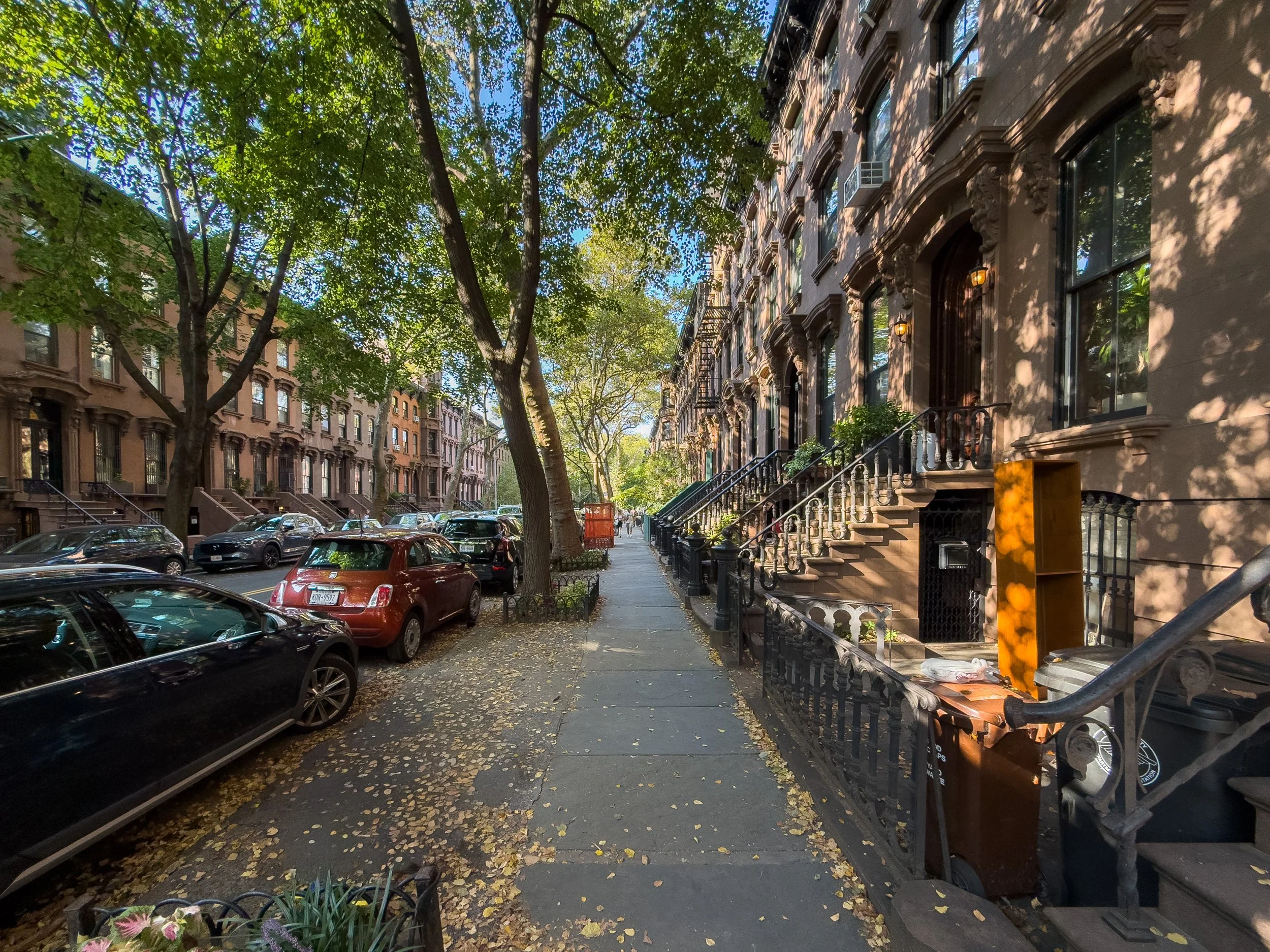
Boerum Hill blends historic architecture with a quietly confident residential rhythm. Tree-lined blocks and consistent brownstone scale define a calm interior, while Atlantic Avenue and nearby Downtown Brooklyn add energy and convenience at the edges. Daily life is shaped by routine rather than destination traffic — neighbors on foot, cafés filling gradually, and streets that feel familiar and lived-in. Closely connected to Cobble Hill, Carroll Gardens, and Gowanus, the neighborhood functions as part of a broader residential cluster defined by walkability, architectural continuity, and long-term stability. Thinking of buying or selling in Boerum Hill? Get tailored insights into the local market —let’s start the conversation.
Boerum Hill, Brooklyn 11217
Neighborhood
North to South: Schermerhorn St. to Baltic St.
East to West: 4th Ave. to Court St.
Nearby Neighborhoods: Cobble Hill, Park Slope, Gowanus, Downtown Brooklyn, Brooklyn Heights
MTA Subway Lines
(A) (C) (G) (F) (2) (3) (4) (5) (N) (R) (W)
Commute Times
Financial District: 25m train, 20m car
Williamsburg: 30m train, 20m car
Union Square: 30m train, 25m car
Grand Central: 35m train, 30m car
Boerum Hill
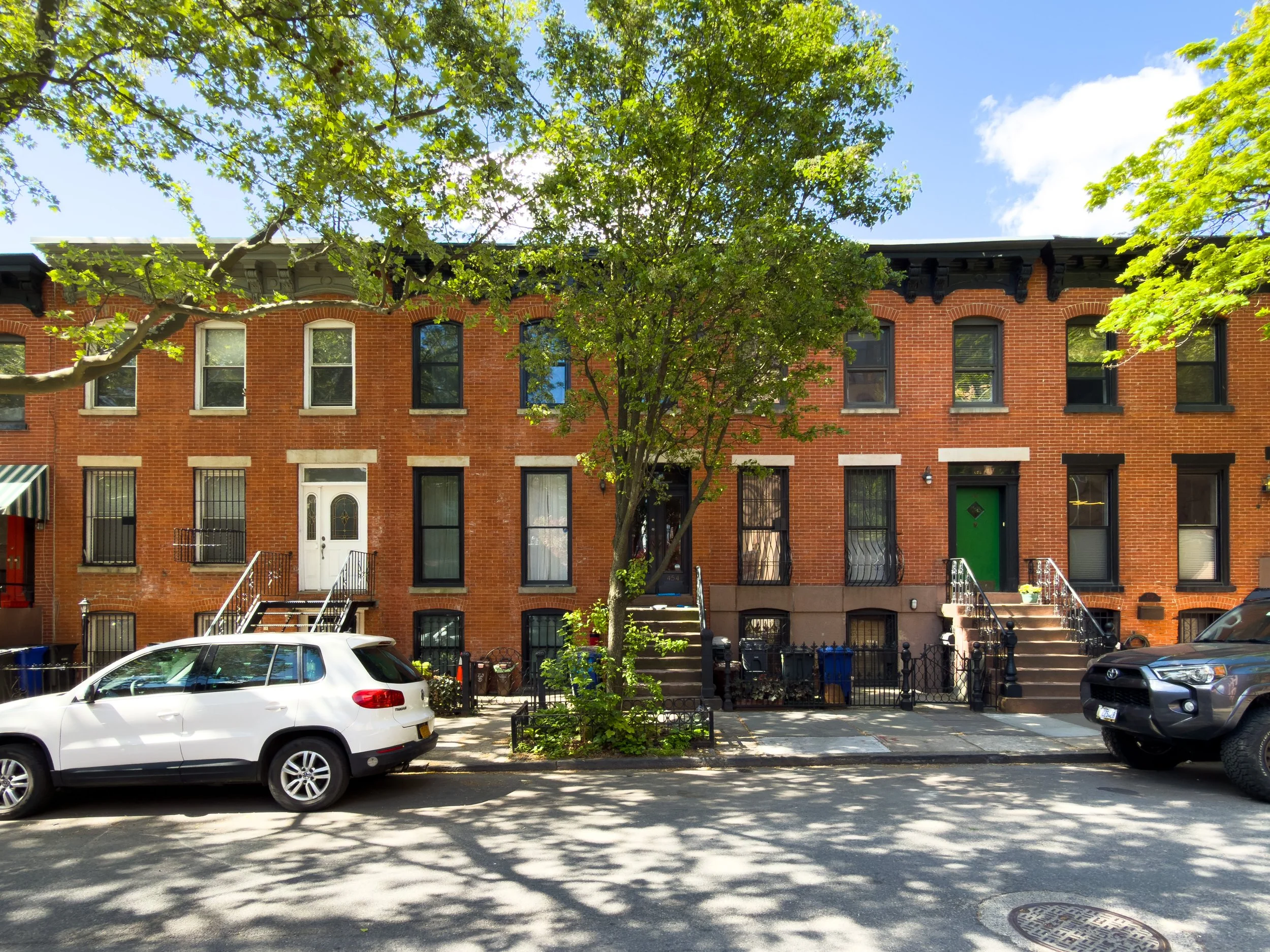
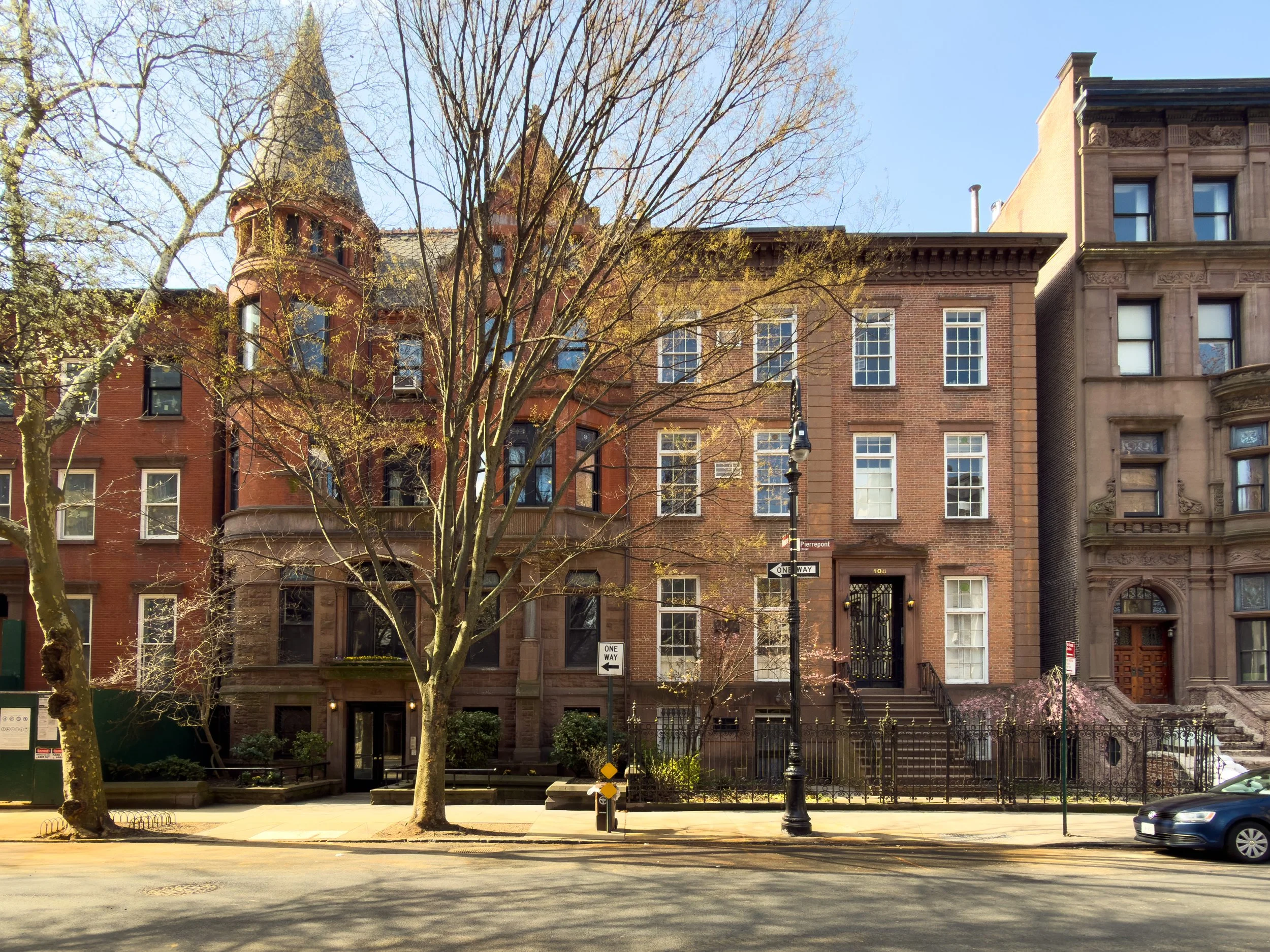
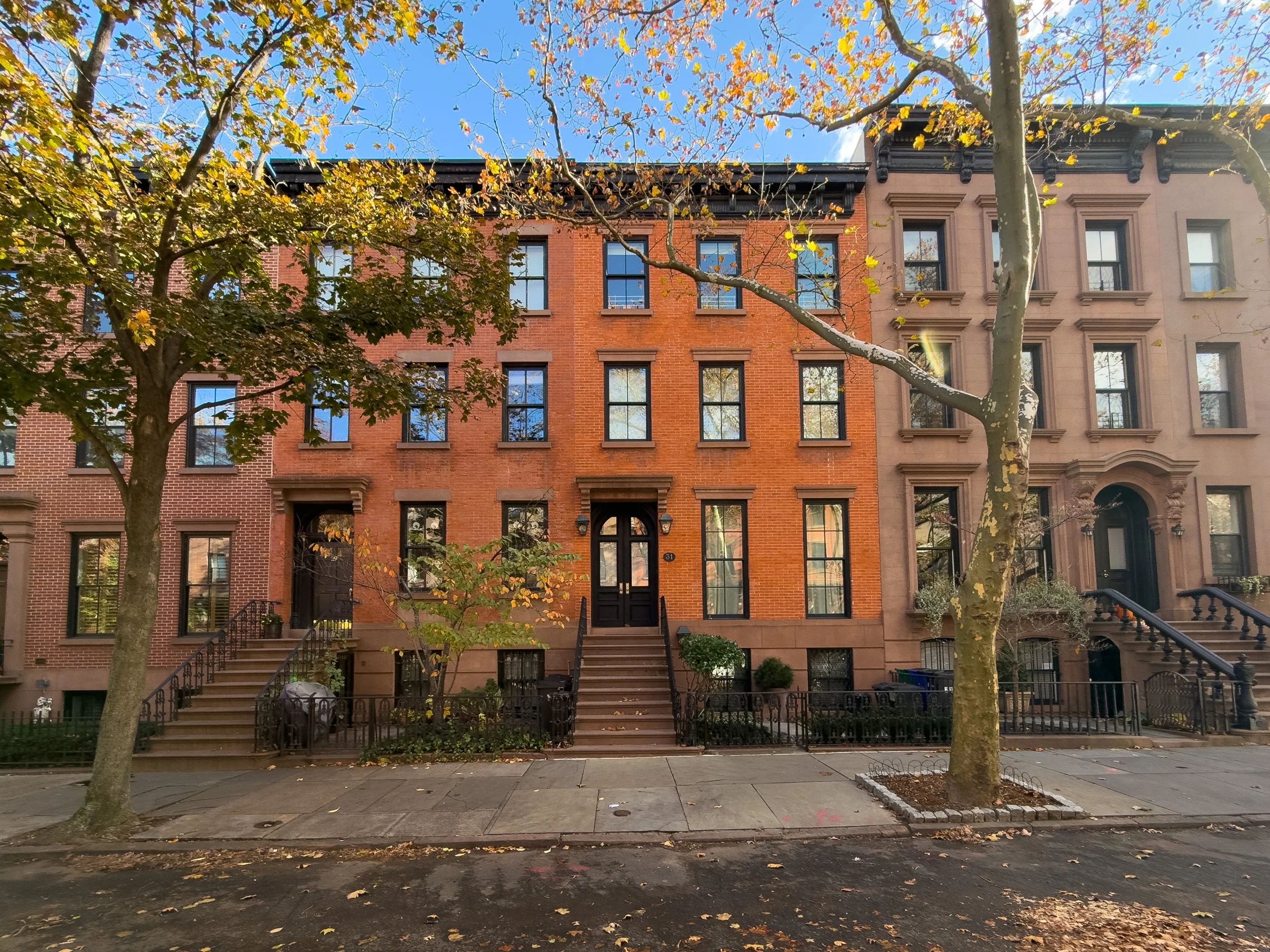
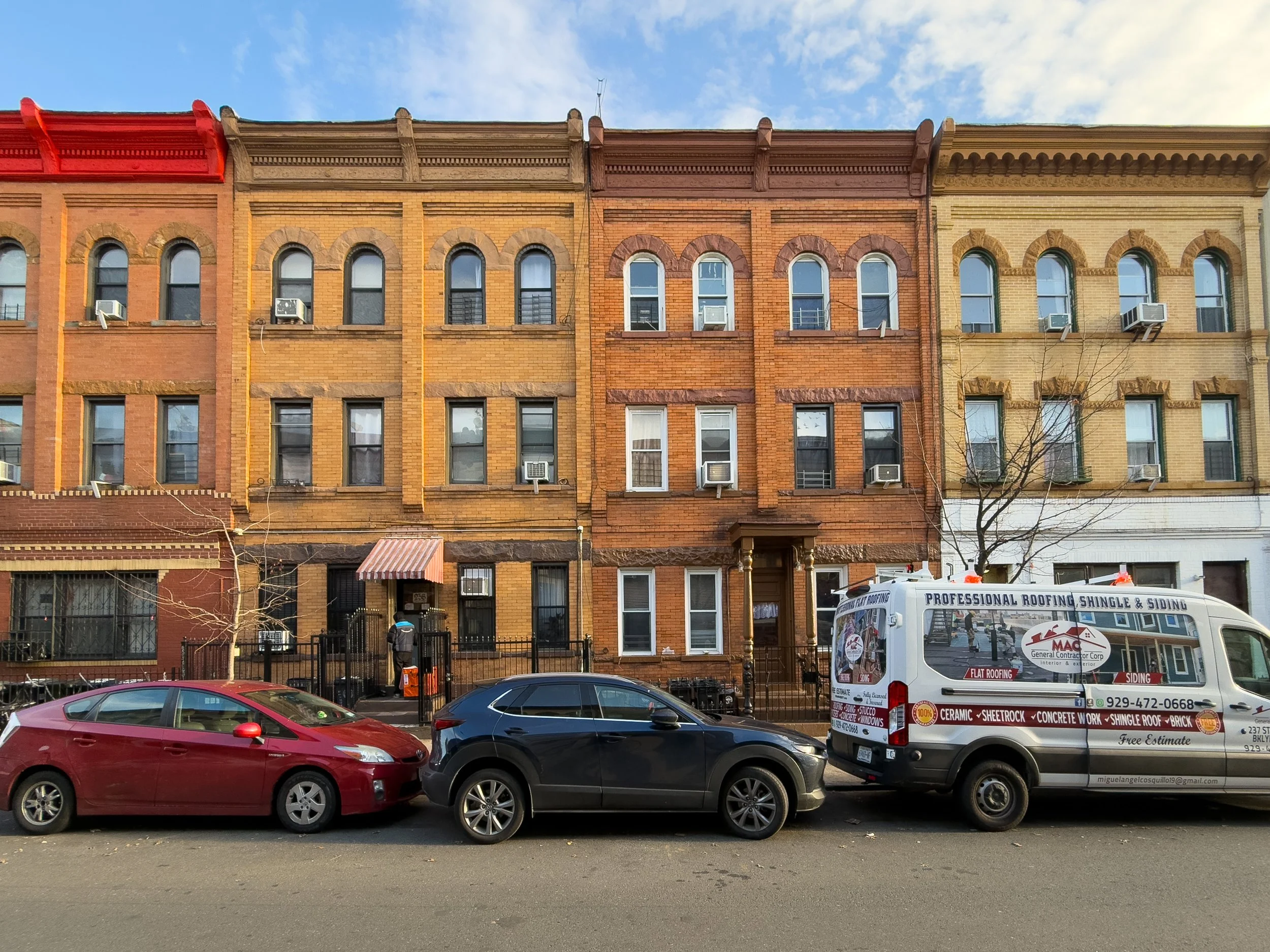
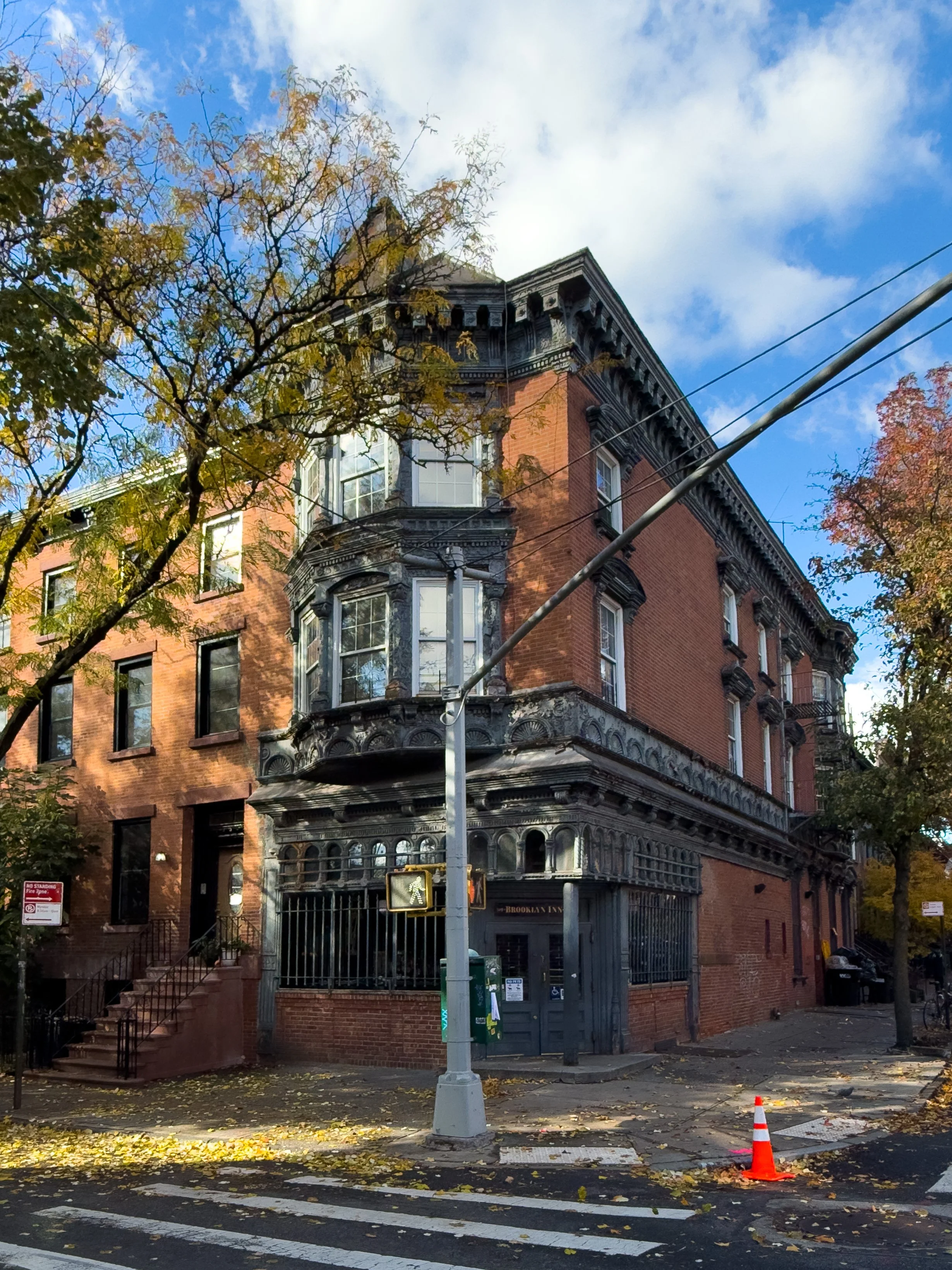
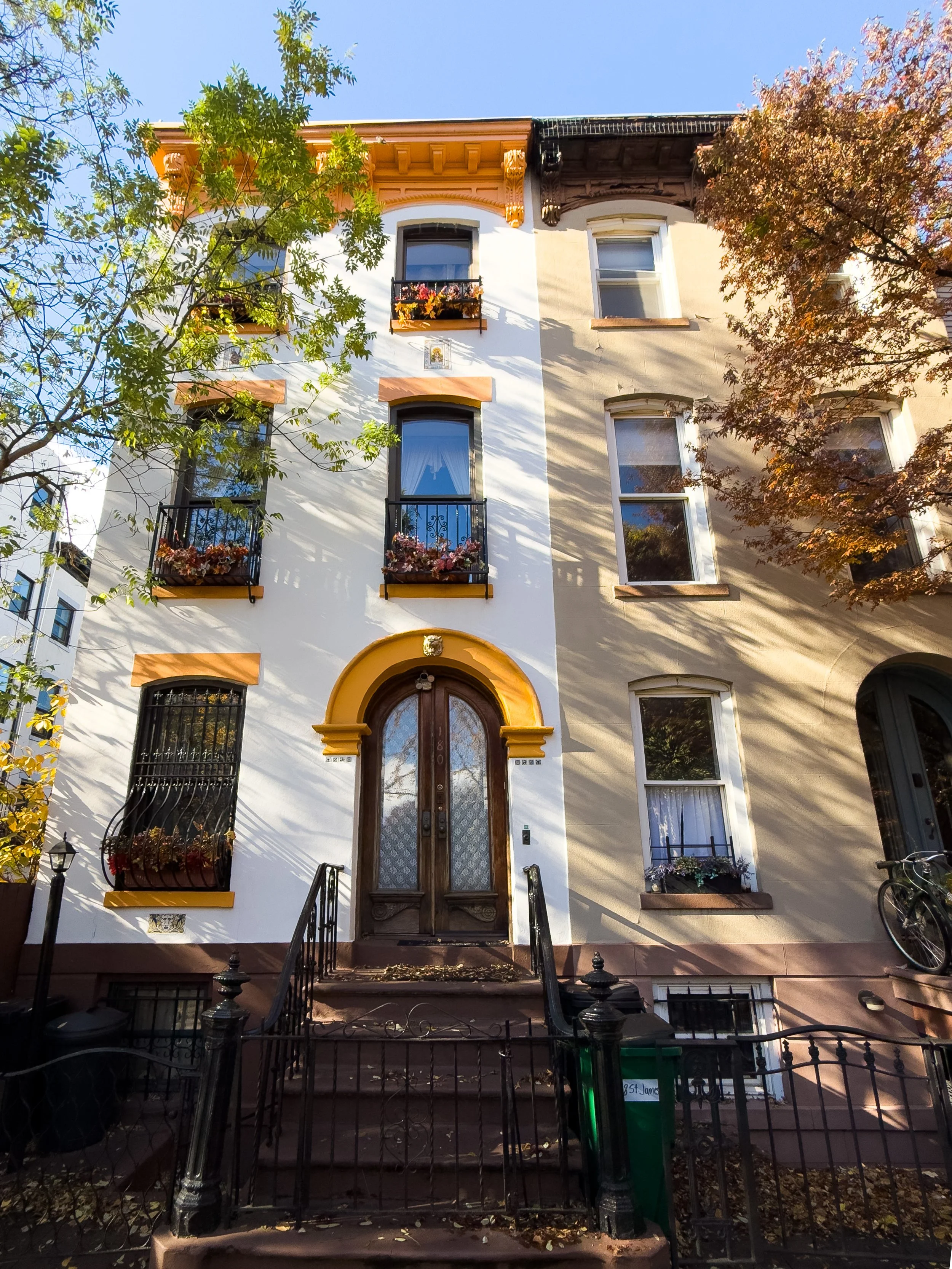
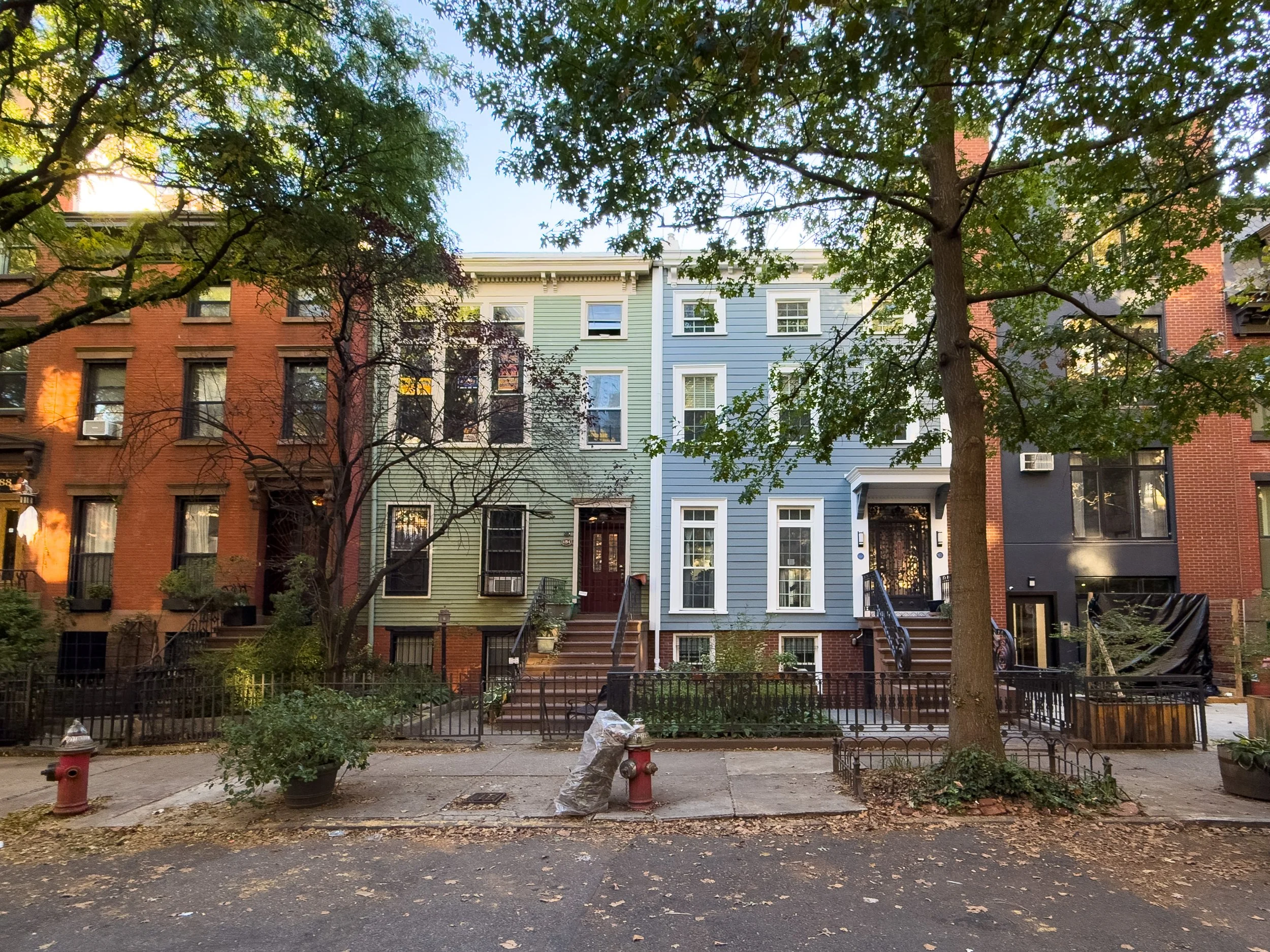
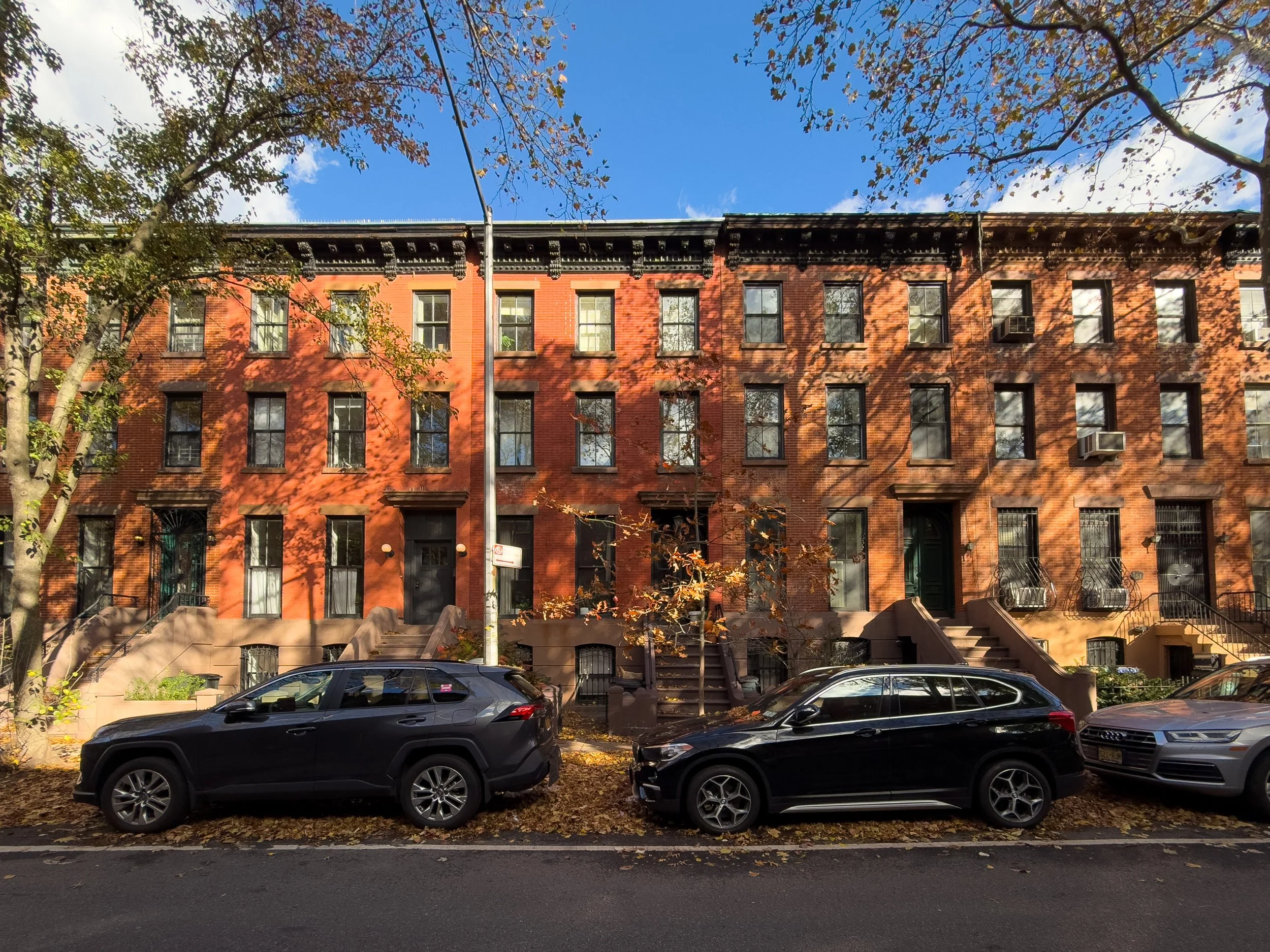
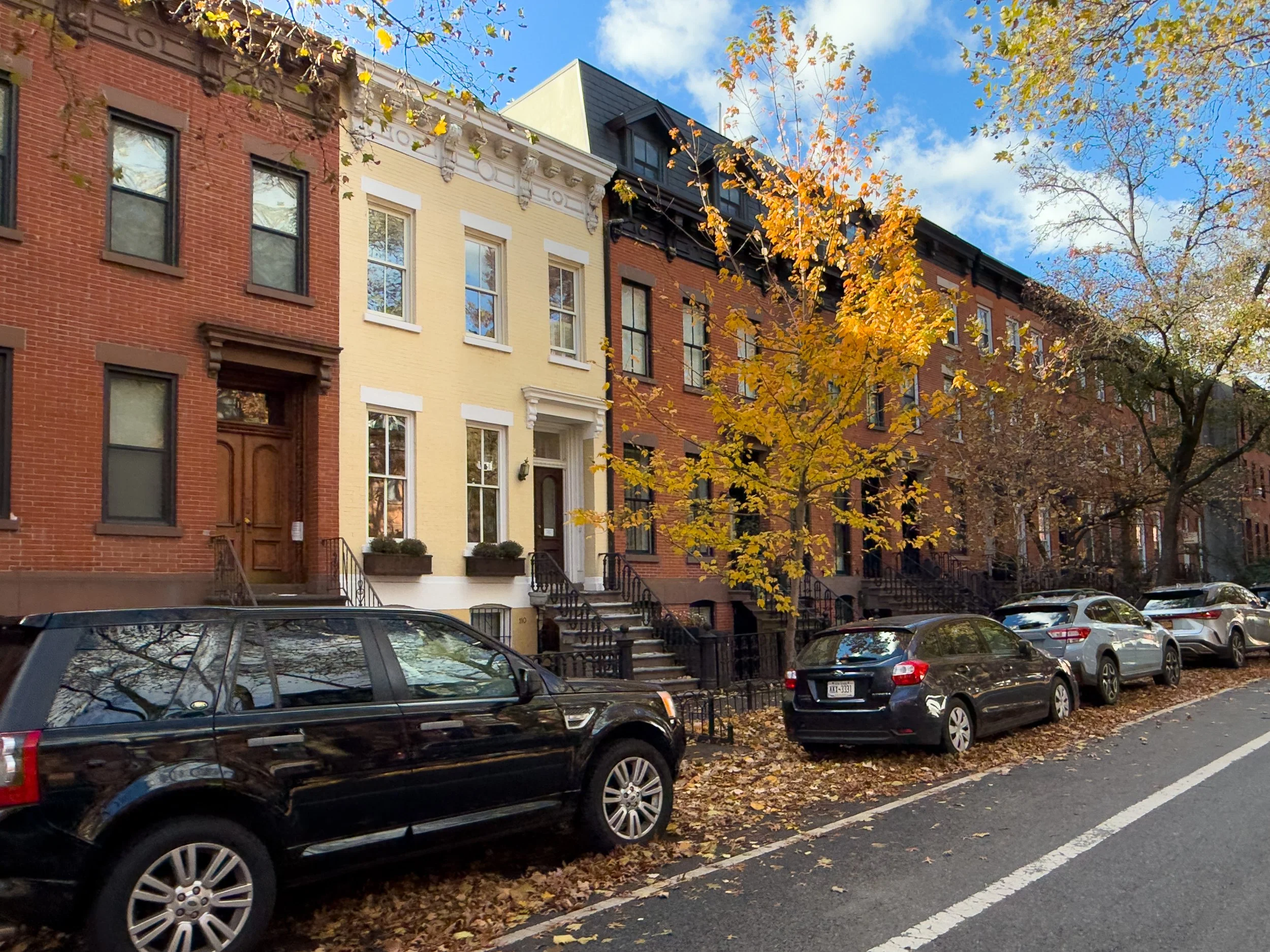
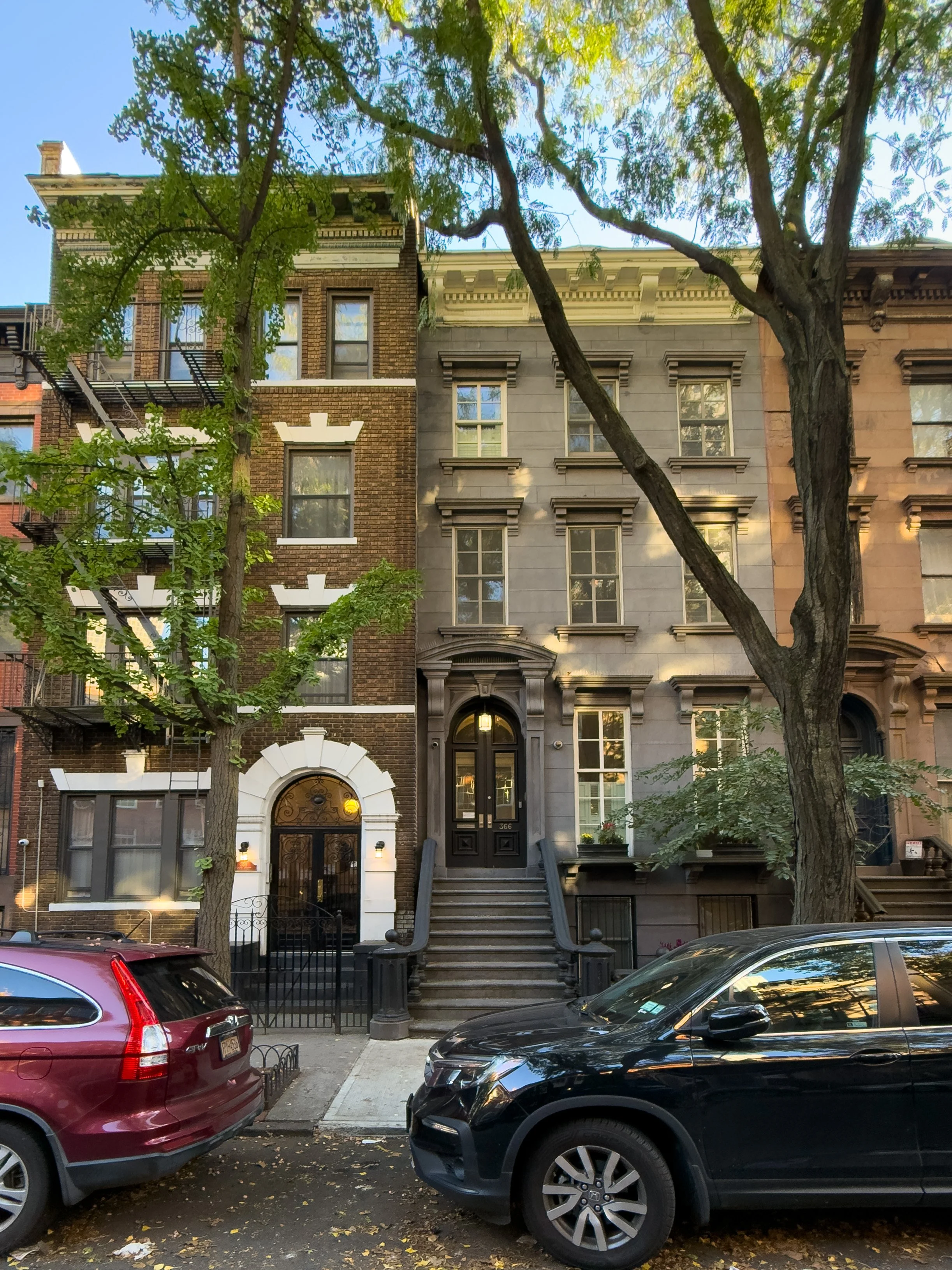
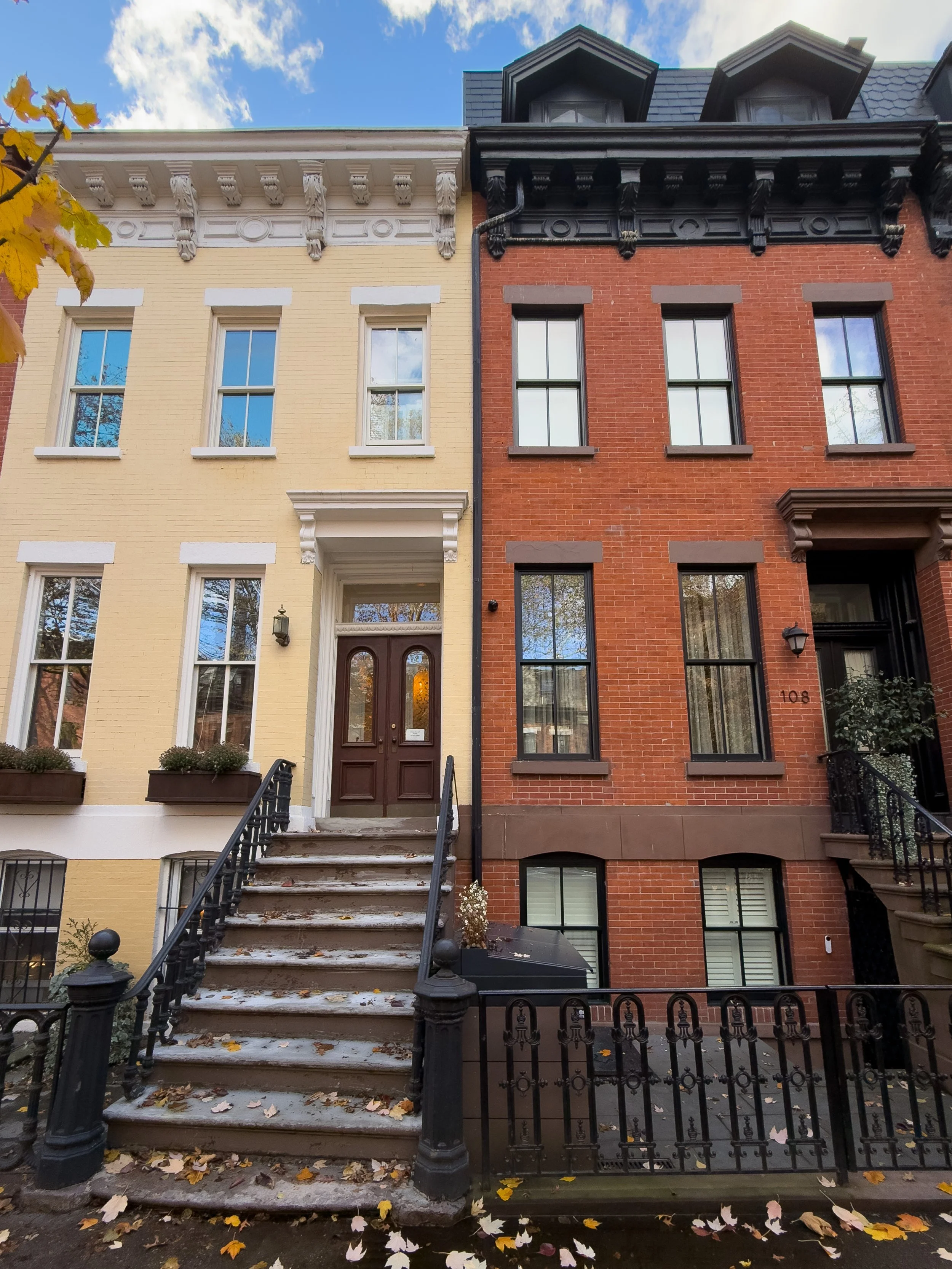
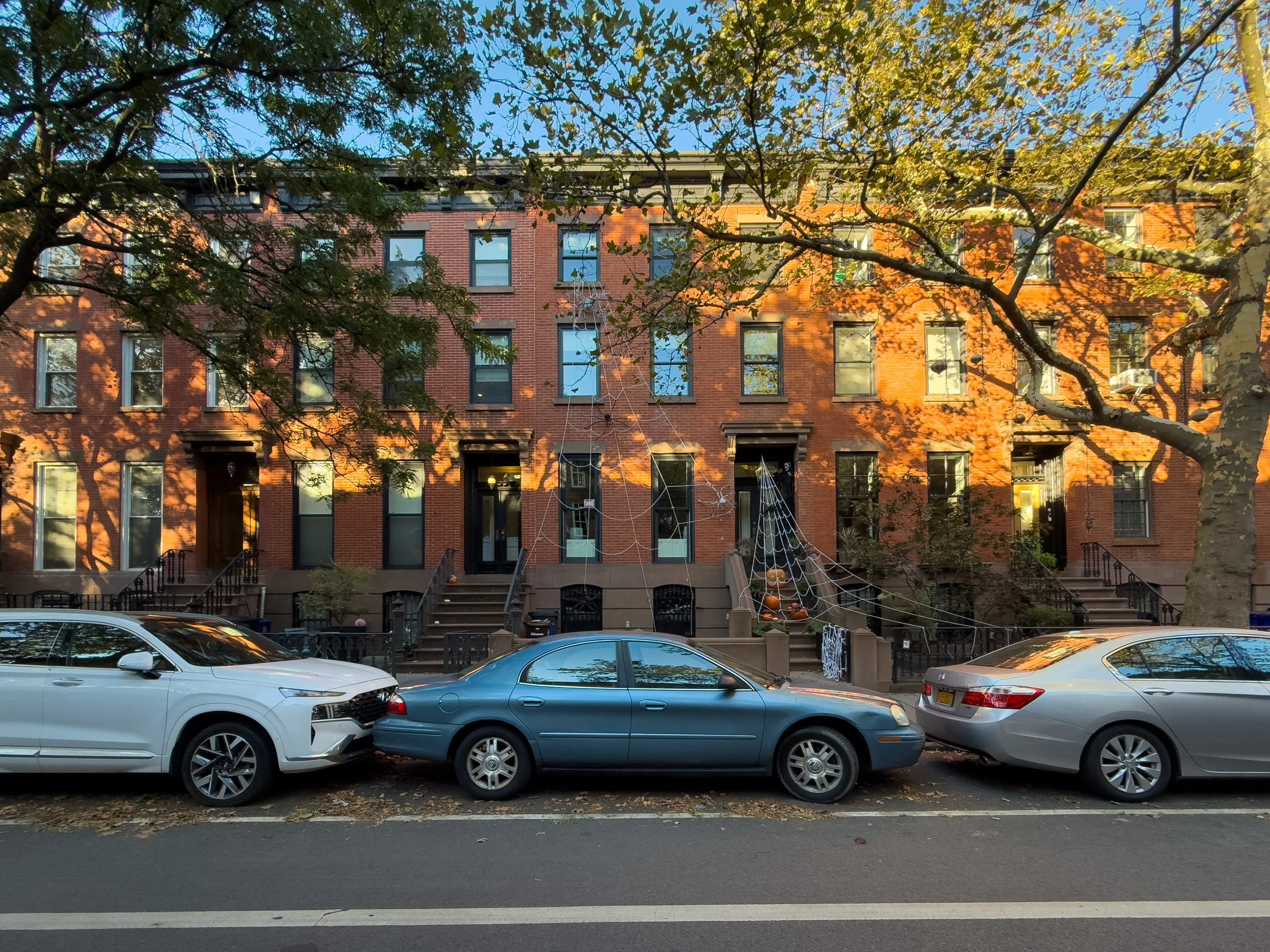
Boerum Hill’s residential identity is rooted in its architecture: well-preserved brownstones, elegant townhouses, prewar co-ops, and a modest layer of boutique condominium developments define its streetscape. The neighborhood’s scale is intimate, with low-rise blocks that feel distinctly residential even as Downtown Brooklyn rises just beyond its borders. This balance — architectural continuity paired with urban accessibility — has shaped Boerum Hill into a market where homes are held for the long term and listings remain limited.
Boerum Hill functions as part of a closely connected residential cluster alongside Cobble Hill, Carroll Gardens, and Gowanus. Buyers often evaluate these neighborhoods together, drawn by shared qualities such as historic housing stock, walkability, and a strong sense of neighborhood life rather than large-scale development or rapid turnover. While portions of Boerum Hill’s perimeter have absorbed more recent development, the interior blocks remain defined by low-rise housing and long-term ownership, reinforcing the neighborhood’s enduring residential character.
Vibe and Atmosphere
Boerum Hill moves at a measured pace. Weekday mornings — and especially weekends before midday — feel distinctly local. Residents heading out on foot, neighbors exchanging greetings, and everyday routines unfold at an unhurried rhythm. Conversations linger, sidewalks feel familiar, and the pace reflects a neighborhood shaped more by daily life than by spectacle.
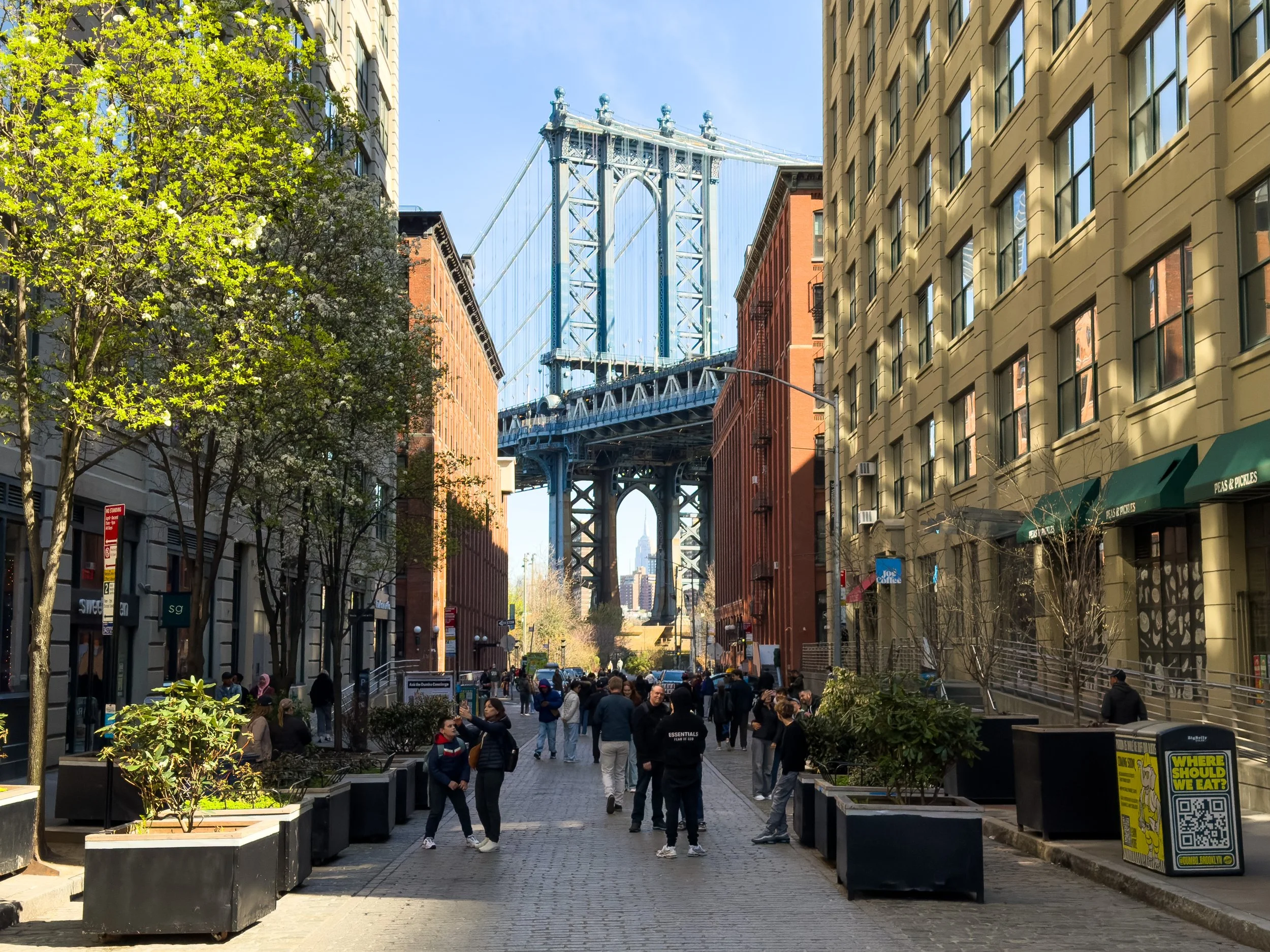
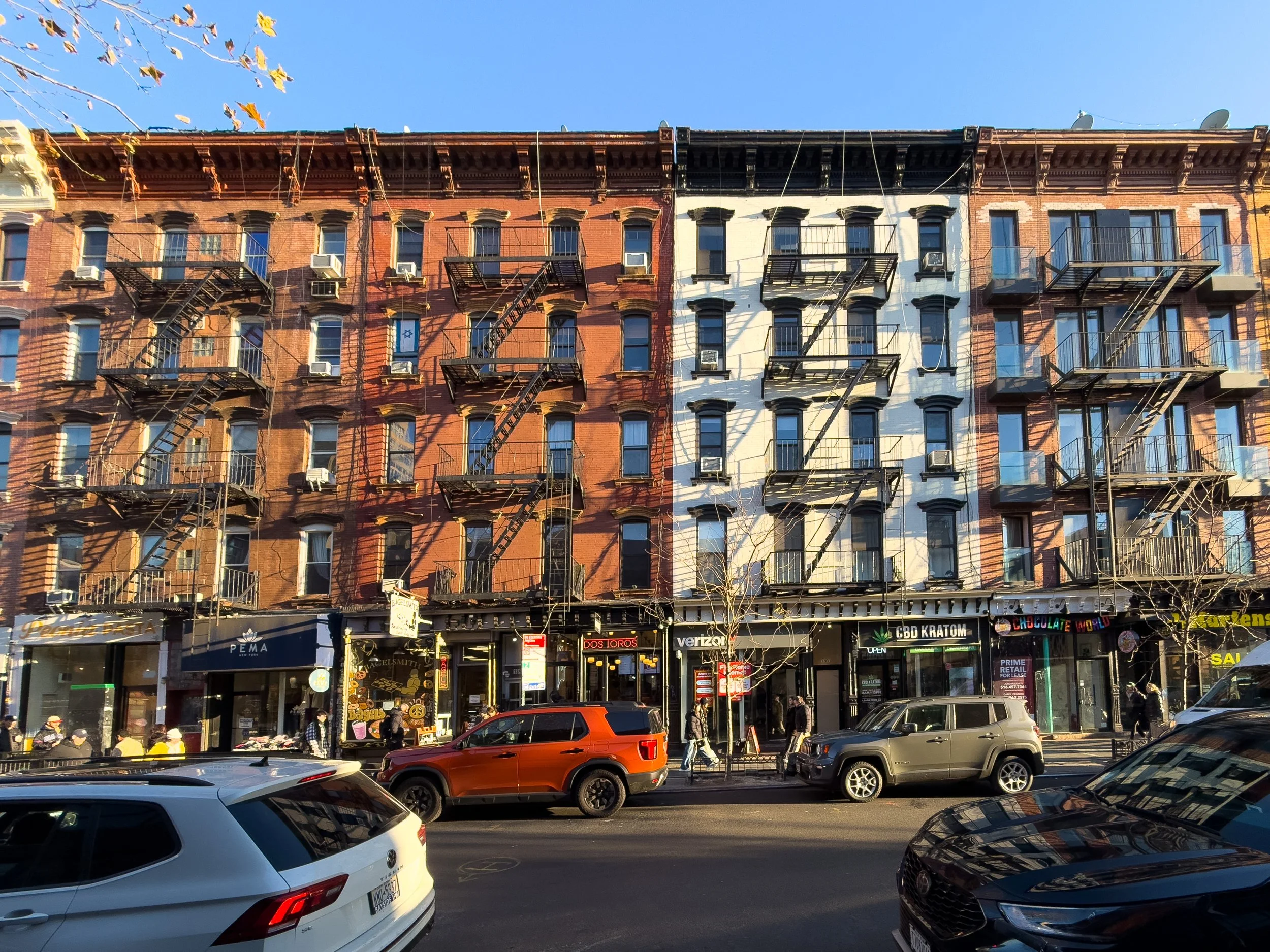
As you move toward the neighborhood’s edges, the energy shifts. Atlantic Avenue and 4th Avenue introduce a busier, more commercial presence, while the interior streets retain a residential character closely aligned with neighboring Cobble Hill and Carroll Gardens. This contrast reinforces Boerum Hill’s identity: a place where historic streetscapes and long-standing residential patterns define the experience, even as newer development corridors sit just beyond its borders.
Amenities and Conveniences
Boerum Hill’s amenities are shaped less by what sits within its borders and more by its central position within a dense, highly connected part of Brooklyn. Larger parks are not embedded in the neighborhood itself, but they are readily accessible for regular use and weekend routines.
Fort Greene Park is approximately a 15-minute walk from the northern edge of the neighborhood, while Brooklyn Bridge Park to the west and Prospect Park to the east are roughly a 20-minute walk away. Smaller neighborhood spaces, including P.S. 38 Playground and Boerum Park, provide closer-to-home outdoor options, while nearby Carroll Park, Cobble Hill Park, and Cadman Plaza Park further expand green space access along the neighborhood’s edges. Accessible greenmarkets include the Brooklyn Borough Hall Greenmarket, Fort Greene Park Greenmarket, and Grand Army Plaza Greenmarket, all of which are easily accessible as part of a weekend loop.
Day-to-day conveniences are anchored by Boerum Hill’s proximity to Downtown Brooklyn and its integration with neighboring Cobble Hill and Carroll Gardens. Residents have walkable access to a wide range of boutique shops, specialty food stores, and services that support everyday needs across these adjacent neighborhoods, while the Downtown Brooklyn corridor adds a broader mix of national retailers, civic institutions, and transit-oriented amenities.

Dining and Shopping
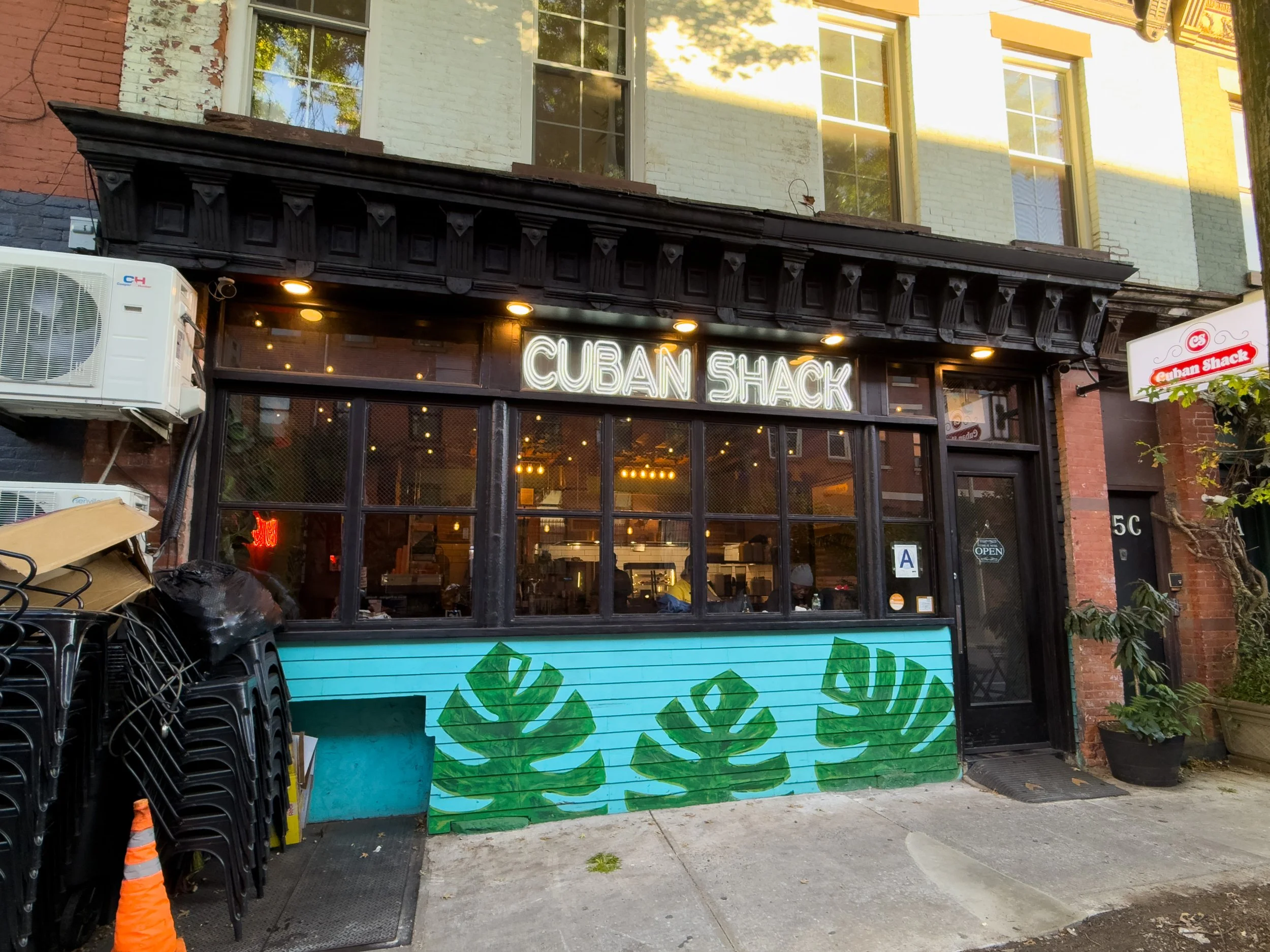
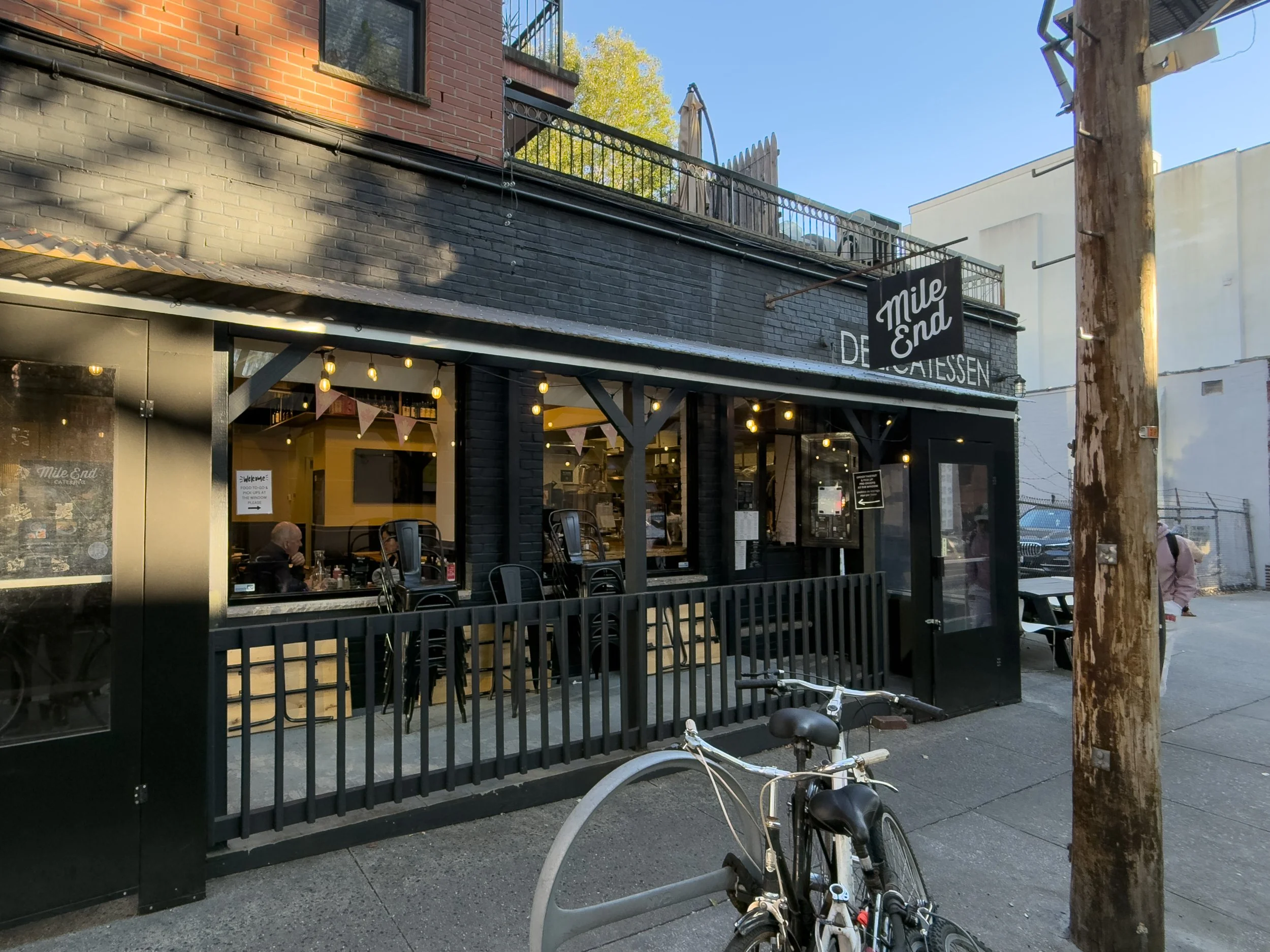
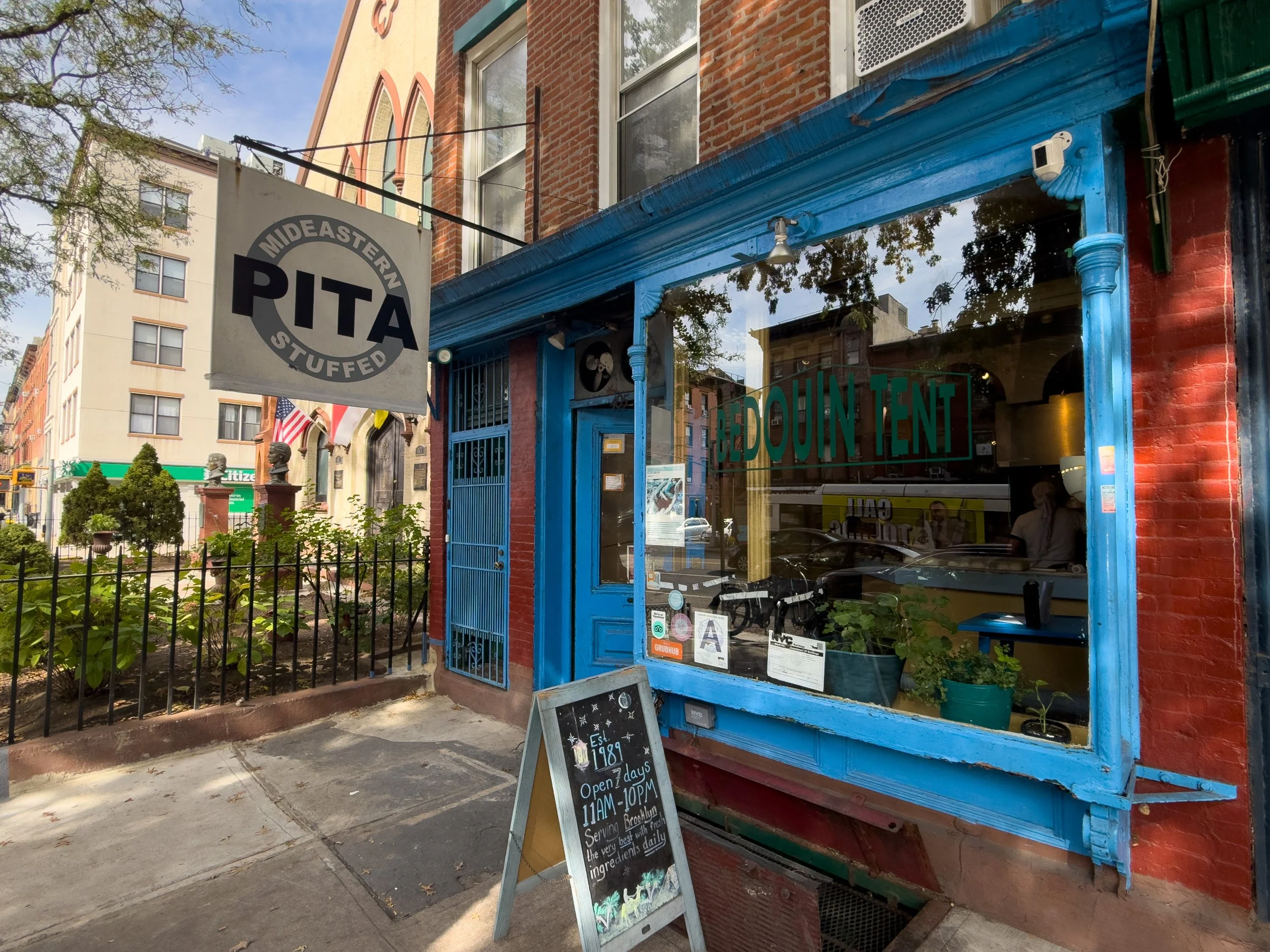
Dining in Boerum Hill is defined less by a single corridor and more by its integration with surrounding neighborhoods. Within Boerum Hill itself — and spilling naturally into nearby Cobble Hill and Carroll Gardens — residents have access to a broad range of cuisines and everyday dining options that feel woven into residential life rather than concentrated in one destination zone. Restaurants such as French Louie, Mile End Delicatessen, and Rucola offer neighborhood familiarity with consistent followings, while places like La Vara and Public Records add depth through thoughtful food programs that fit comfortably into daily routines rather than nightlife-driven scenes. Taken together, the area’s dining culture emphasizes repeat visits, range of cuisines, and proximity over trend cycles.
Morning routines often set the tone for daily life here, and neighborhood cafés play a quiet but steady role in that rhythm. Spots such as IXV Coffee, Cafe Volkan, Loved Ones Coffee, The Little Sweet Café, and Saturn Road function as informal waypoints — places residents pass through on foot, return to out of habit, and fold naturally into everyday schedules rather than plan around. The result is a café culture that feels embedded in the neighborhood’s walk-first, residential flow.
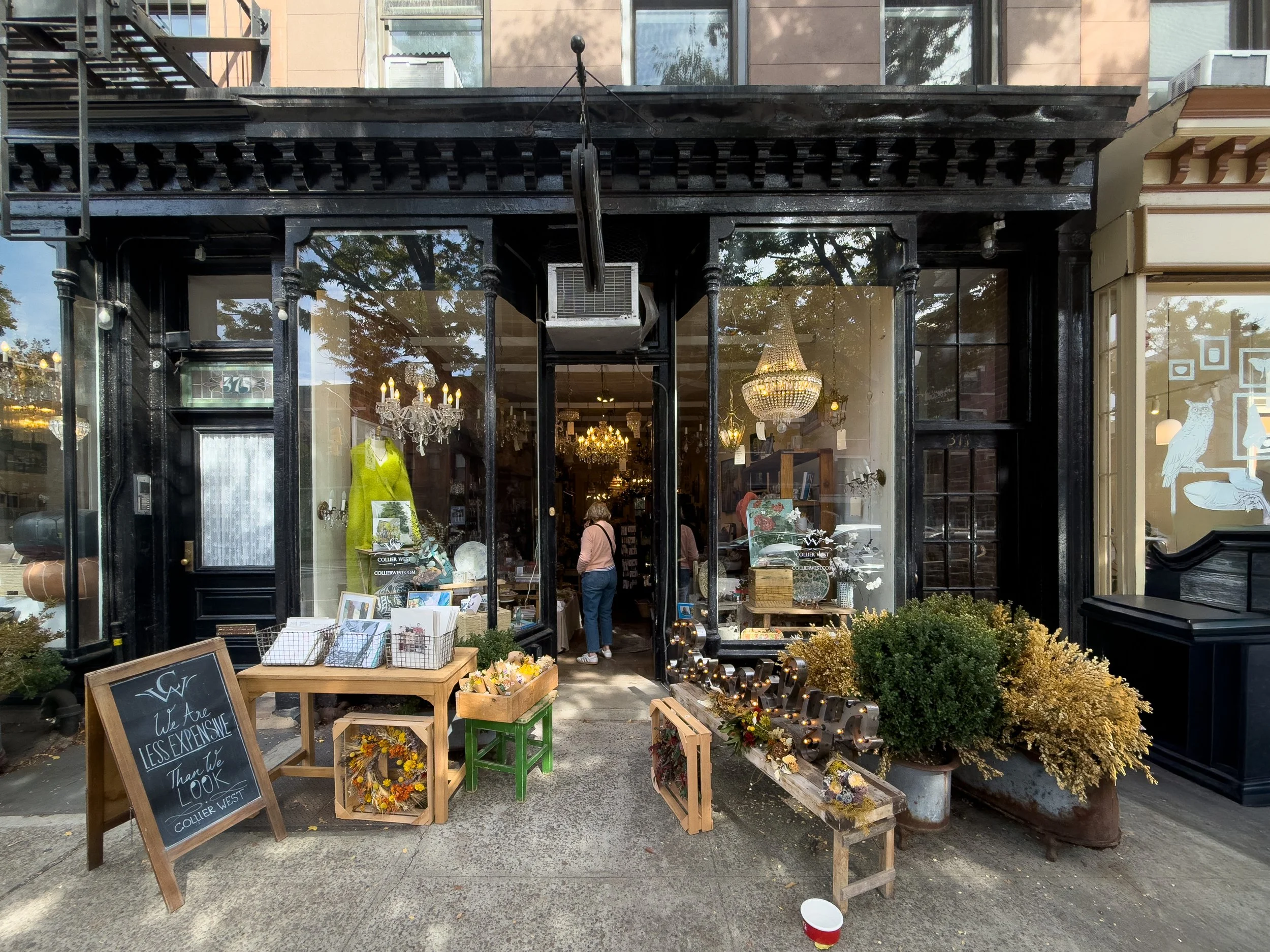
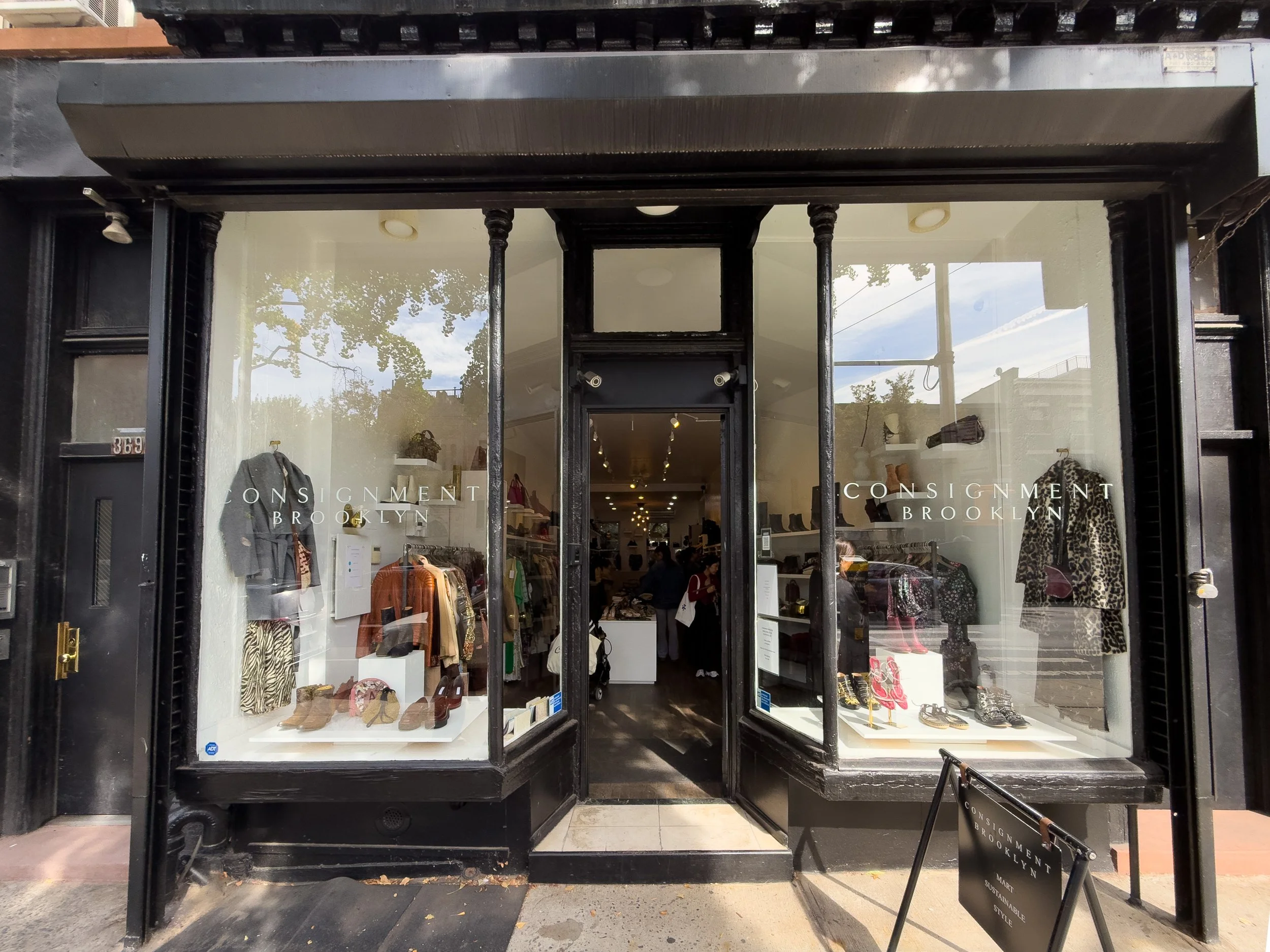
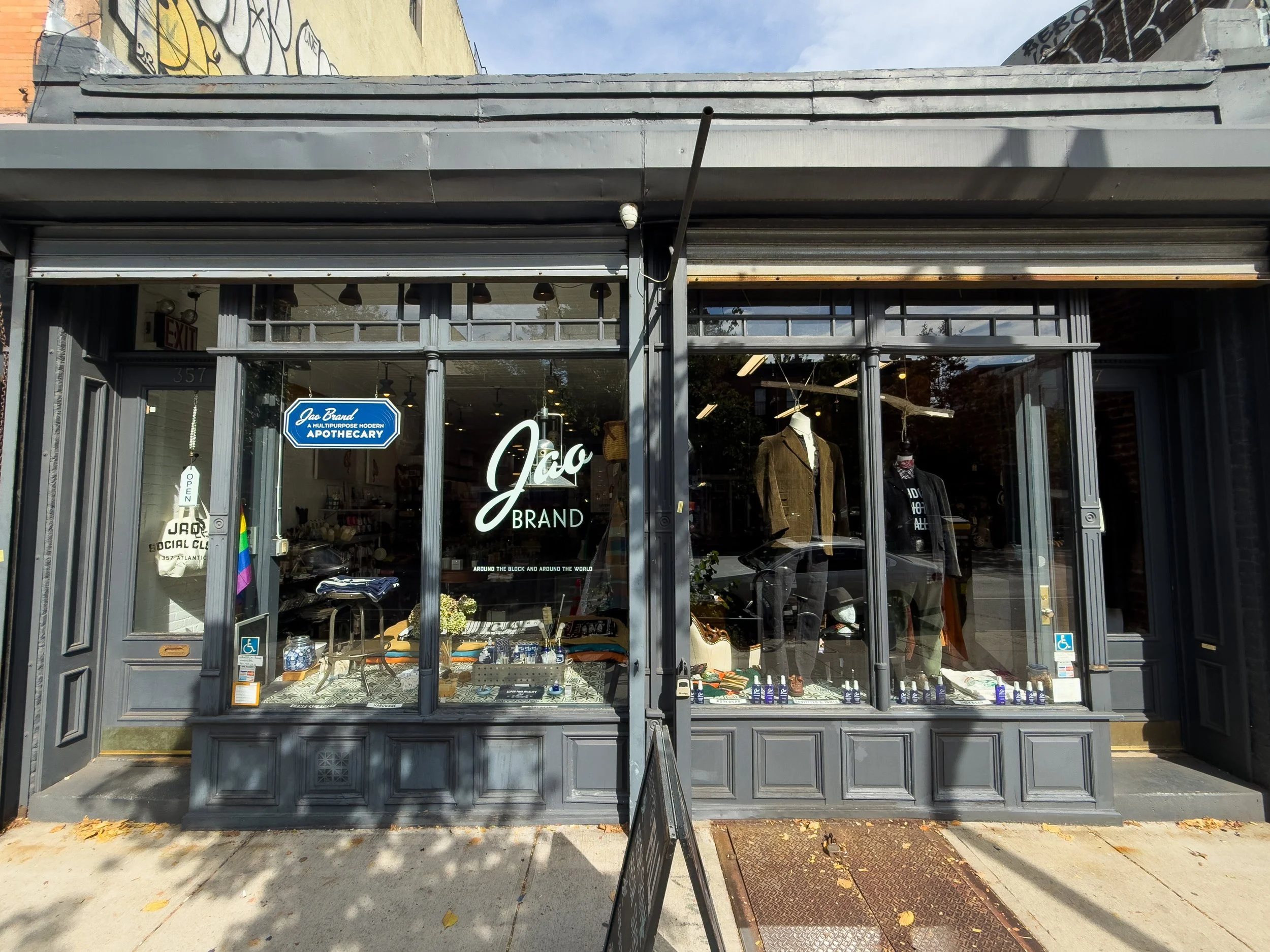
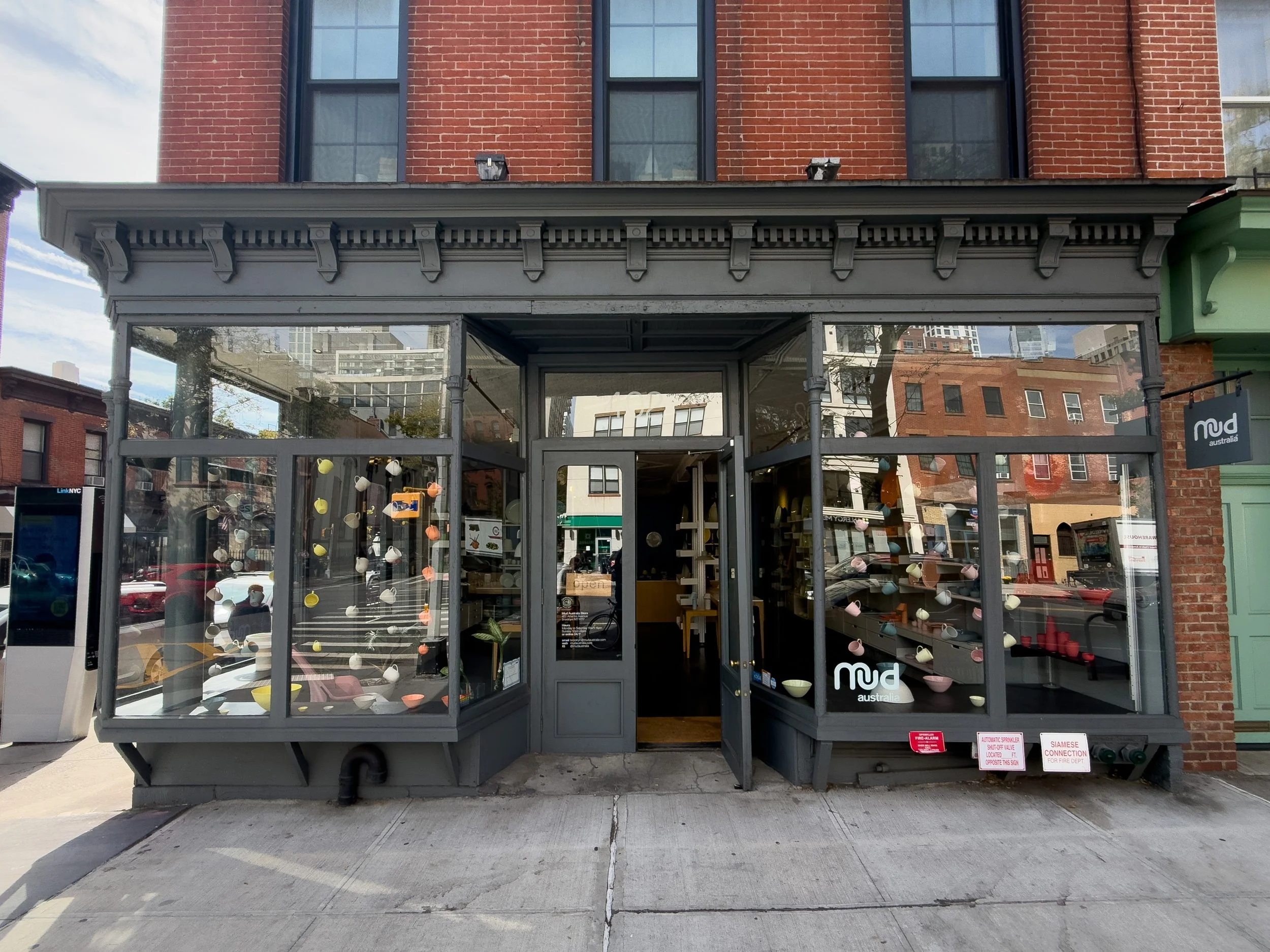
Shopping in Boerum Hill is anchored along Atlantic Avenue but extends well beyond a single retail identity. The corridor supports a notably diverse mix of independent housewares, design, fashion, and specialty shops that serve both everyday needs and considered browsing. Design-forward stores like Michele Varian, Assembly Line, The Primary Essentials, Mud Australia, and Collier West sit alongside fashion boutiques such as Layla, M. Patmos, Clare V., Consignment Brooklyn, and Goose Barnacle. Mixed-use spaces like Jao Social Club, GRDN, and Picture Room round out a retail landscape that feels curated, locally grounded, and closely tied to the surrounding residential fabric.
Transportation
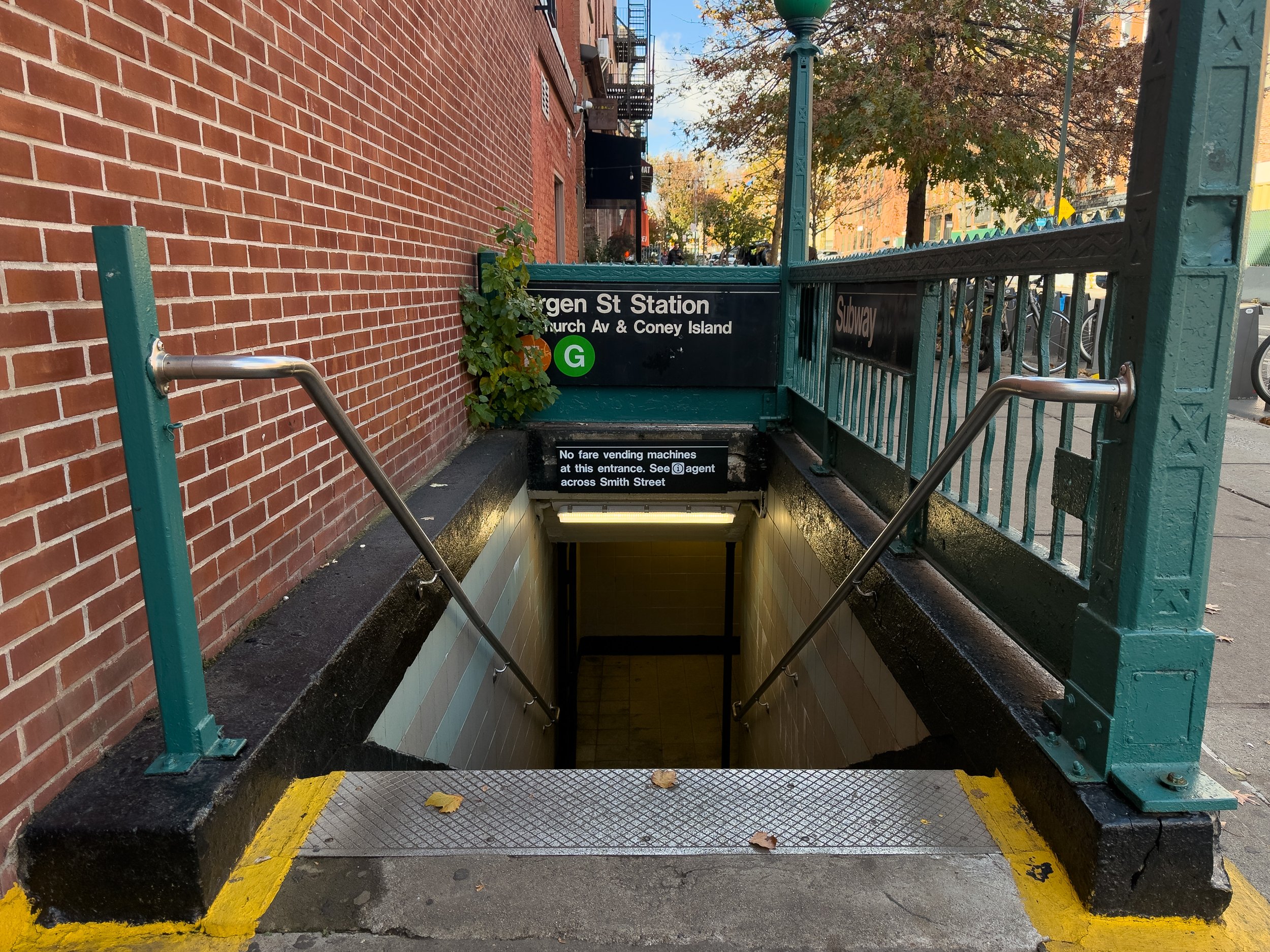
Boerum Hill is exceptionally well connected, benefiting from one of the densest concentrations of transit options in Brooklyn while maintaining a low-traffic residential interior. Multiple subway lines serve the neighborhood along its borders, giving residents flexibility rather than reliance on a single route. Nearby stations include Bergen Street (F) (G), Hoyt–Schermerhorn Streets (A) (C) (G), Nevins Street (2) (3) (4) (5), and Hoyt Street (2) (3) — collectively providing direct access to Manhattan, Downtown Brooklyn, and destinations across the borough.
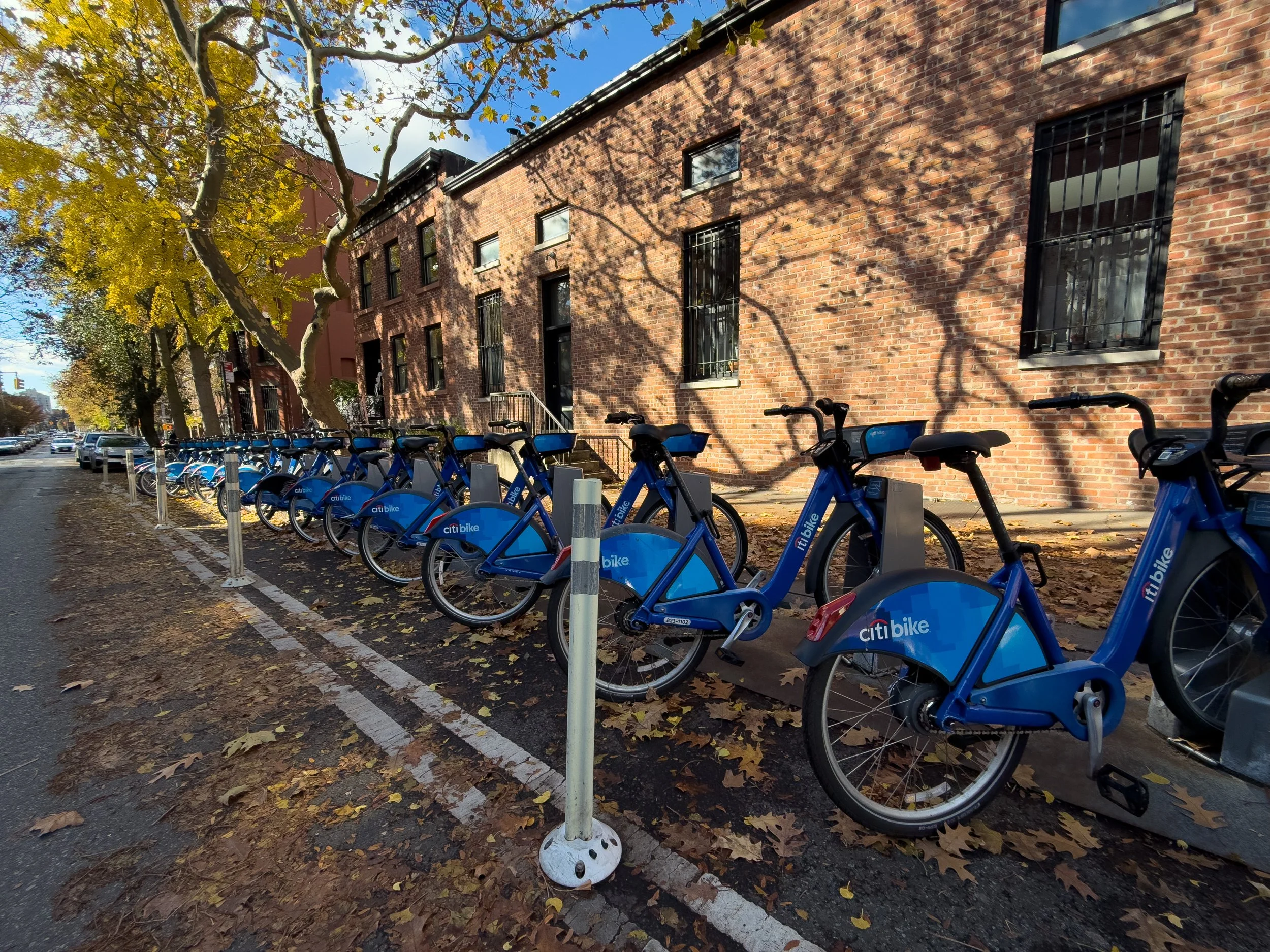
Citi Bike docks are widely available throughout the neighborhood, supporting everyday trips as well as weekend excursions to Fort Greene Park, Prospect Park, and nearby Downtown Brooklyn. For drivers, proximity to Brooklyn Bridge Boulevard and Flatbush Avenue allows for straightforward access to both the Brooklyn Bridge and Manhattan Bridge, offering efficient routes into Lower Manhattan and northbound corridors. This combination of subway coverage, bike infrastructure, and vehicular access makes accessibility a defining strength of Boerum Hill, all while preserving the neighborhood’s calm, residential character.
Schools
Boerum Hill offers a well-rounded mix of public, charter, and private school options serving K–12 families, with additional choices easily accessible in adjacent neighborhoods. Local public schools include P.S. 58 (The Carroll) and the Boerum Hill School for International Studies, which serves middle and high school grades and draws families from across surrounding neighborhoods.
Private options such as Berkeley Carroll School and BASIS Independent Brooklyn are also nearby, contributing to the area’s appeal for families seeking a range of educational pathways without introducing campus-driven density. While colleges and universities are not located within Boerum Hill itself, Downtown Brooklyn’s higher-education institutions are easily reached by subway, keeping access close without shaping the neighborhood’s residential character.
Real Estate Insights
Boerum Hill’s real estate market is defined by architectural continuity, limited supply, and sharply delineated sub-markets. The neighborhood’s interior blocks are dominated by brownstones, townhouses, and prewar co-ops, where turnover remains low and listings are infrequent. Along portions of the neighborhood’s edges — particularly near major corridors — more recent condominium development has introduced additional inventory, creating a clear distinction between perimeter activity and the residential core.
Zoning constraints and historic preservation have largely protected the neighborhood’s low-rise character overall, keeping new inventory highly concentrated rather than broadly distributed. Buyers are predominantly end-users planning for long-term residence, and many evaluate Boerum Hill alongside Cobble Hill, Carroll Gardens, and Gowanus — drawn by shared qualities such as walkability, historic housing stock, and strong neighborhood identity. As a result, headline inventory figures can mask the underlying reality: most opportunities remain tightly held, and market behavior varies meaningfully depending on where and what is trading.
Sales Market At A Glance (2025)
Average Home Value (ZHVI / Typical Home Values): ~$1,715,600 (Zillow)
1-Year Home Value Change (ZHVI): +6.1% (Zillow)
Median List Price: ~$1.7M - $1.8M (Zillow; Property Shark)
Median Sale Price: ~$1.80M (PropertyShark; Realtor.com)
Price per Sq Ft: ~$1,750–$1,800 PPSF (PropertyShark)
Median Days on Market: ~48–50 days (Realtor.com; Redfin; StreetEasy reports longer averages (~82 days), likely reflecting higher-priced townhouse inventory and limited transaction volume.
Source: Zillow, PropertyShark, Realtor.com, Redfin (2025). Zillow’s Home Value Index (ZHVI) reflects average home values across property types using seasonally adjusted estimates. PropertyShark pricing is based on closed sales recorded in ACRIS and may reflect quarter-specific concentration in new developments. Days-on-market metrics vary by platform methodology, property mix, and reporting window.
Trends
Boerum Hill currently ranks among the Top 10 most expensive neighborhoods in New York City, securing a position near the top of Brooklyn’s pricing hierarchy according to PropertyShark. In Q3 2025, the neighborhood recorded one of the sharpest year-over-year increases in transaction volume citywide, with sales rising more than 300% year-over-year. This surge, however, was not driven by broad market churn, but by highly concentrated activity within a single new condominium development at 323 Bergen Street, which accounted for the majority of closed transactions during the quarter.
Outside of this anomaly, Boerum Hill’s underlying market behavior remains consistent with its historical profile: limited resale inventory, infrequent turnover, and price movement shaped more by what trades than by shifts in demand. When larger homes or newly renovated properties close, median pricing moves quickly; when activity skews toward co-ops or smaller condos, headline figures moderate.
Compared to nearby neighborhoods that have absorbed larger volumes of new construction, Boerum Hill continues to function as a supply-constrained, end-user market. Buyers compete for a narrow pool of opportunities, while many owners remain long-term stewards rather than frequent sellers. For both buyers and sellers, interpreting market data here requires an understanding of how concentrated development activity can temporarily distort volume and pricing — without signaling a fundamental change in the neighborhood’s long-term residential dynamics.
Final Thoughts
Boerum Hill stands out for its restraint. Historic architecture, measured density, and proximity to parks and Downtown Brooklyn combine without overwhelming the neighborhood’s residential core. The result is a place shaped by long-term residents, low turnover, and a streetscape that has evolved carefully over time rather than in response to short-term trends.
Its close connection to Cobble Hill, Carroll Gardens, and Gowanus further strengthens its appeal, forming a broader, highly livable cluster of neighborhoods that share walkability, architectural integrity, and everyday convenience. For buyers, Boerum Hill offers stability and character in a city defined by change; for owners, it remains a market where stewardship and scarcity continue to support long-term relevance and value.
Buying or Selling in Boerum Hill or exploring Brooklyn? Whether you’re exploring condos, townhouses, or considering selling your current home, I’m happy to provide a complimentary Comparative Market Analysis (CMA) or share tailored insights into the local market. Reach out — let’s start the conversation.
For in-depth guides on topics like home valuations, making the most of open house visits, submitting offers, and navigating negotiations — visit the Resources & Insights hub for resources designed to help guide buyers and sellers in the Boerum Hill real estate market.
Related Brooklyn Neighborhood Guides