SoHo, Manhattan
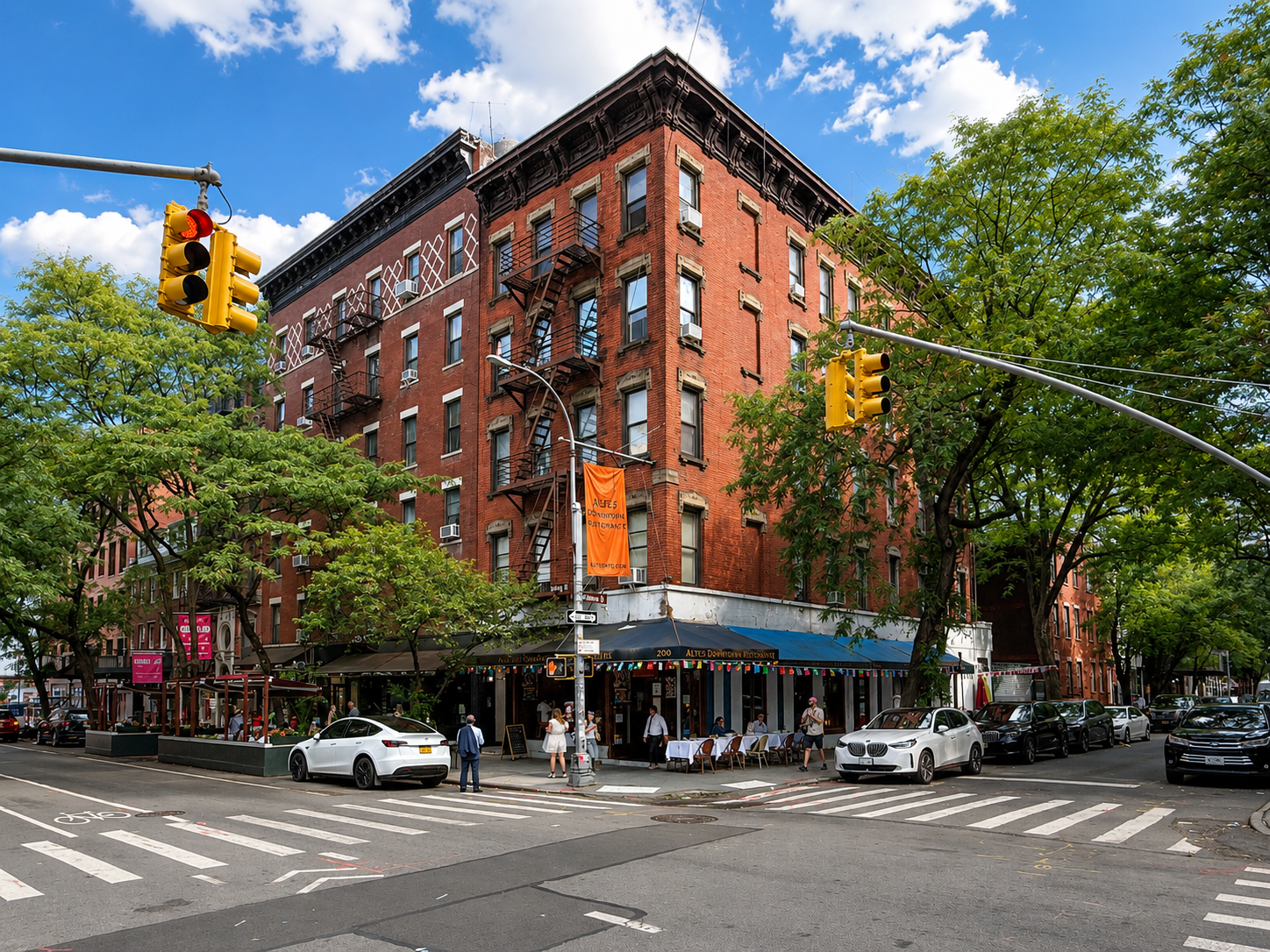
SoHo is one of New York City's most recognizable neighborhoods, defined by its cast-iron architecture, expansive loft buildings, world-renowned shopping, and vibrant street life. Beneath its global reputation lies a remarkably small residential neighborhood where historic loft conversions and limited housing inventory continue to make SoHo one of Manhattan's most sought-after places to live.
SoHo
1. Neighborhood: Historic cast-iron district defined by expansive loft buildings, luxury retail, world-renowned architecture, and one of Manhattan's most distinctive residential environments.
2. Conveniences: Neighborhood parks, independent cafes, everyday services, galleries, and walkable access to NoHo, Nolita, Greenwich Village, Hudson Square, and Tribeca.
3. Transit: (A) (C) (E) (1) (2) (4) (6) (B) (D) (F) and (M) trains nearby; extensive Citi Bike network; exceptional walkability throughout Lower Manhattan.
4. Real Estate: Historic loft conversions, cooperative loft buildings, boutique condominiums, limited townhouses, and some of Manhattan's most valuable residential real estate.
The Vibe at a Glance
SoHo combines some of New York City's most recognizable architecture with an active residential environment woven into one of Manhattan's busiest destination neighborhoods. Cast-iron loft buildings, broad streets, independent galleries, luxury boutiques, and neighborhood cafes create an urban landscape unlike anywhere else in the city. While visitors define much of the daytime activity, residents experience a remarkably walkable neighborhood supported by exceptional transit, varied housing stock, and close connections to many of Lower Manhattan's most established neighborhoods. Thinking of buying or selling in Soho? Get tailored insights into the local market—let’s start the conversation.
Soho, Manhattan 10013
Neighborhood
North to South: West Houston St. to Canal St.
East to West: Crosby St. to 6th Ave.
Nearby Neighborhoods: Greenwich Village, Hudson Square, Tribeca, Nolita, NoHo, Little Italy
MTA SUBWAY
(A) (C) (E) (1) (2) (4) (6) (B) (D) (F) (M)
Local Commute Times
Financial District: 14m train, 10m car
Union Square: 15m train, 10m car
Grand Central: 22m train, 20m car
Williamsburg: 30m train, 20m car
SoHo
SoHo occupies a remarkably compact section of Lower Manhattan extending roughly from Houston Street to Canal Street and from Sixth Avenue east toward Crosby Street. Despite its relatively small footprint, the neighborhood has become one of New York City's most recognizable destinations, known internationally for its cast-iron architecture, expansive loft buildings, world-renowned shopping, and enduring artistic legacy.
Originally developed during the nineteenth century as a commercial district, many of SoHo’s manufacturing and warehouse buildings were later transformed into some of Manhattan's most distinctive residential properties. Today, converted loft buildings, boutique condominiums, cooperative residences, limited townhouse inventory, and mixed-use buildings define a housing market that remains among the most supply-constrained in New York City.
While millions of visitors experience SoHo through its shopping streets and architectural landmarks each year, the neighborhood functions as a genuine residential community supported by local businesses, neighborhood services, galleries, cafes, and convenient access to many of Lower Manhattan's surrounding neighborhoods. Its location between Tribeca, Hudson Square, Greenwich Village, Nolita, and Little Italy contributes to a highly connected urban environment where residential life extends naturally beyond the neighborhood's formal boundaries.
The combination of landmark preservation, exceptionally limited residential inventory, and continued buyer demand has established SoHo as one of Manhattan's most valuable housing markets. At the same time, its architectural integrity and historic streetscape continue to distinguish the neighborhood from newer high-rise neighborhoods elsewhere in New York City.
Vibe and Atmosphere
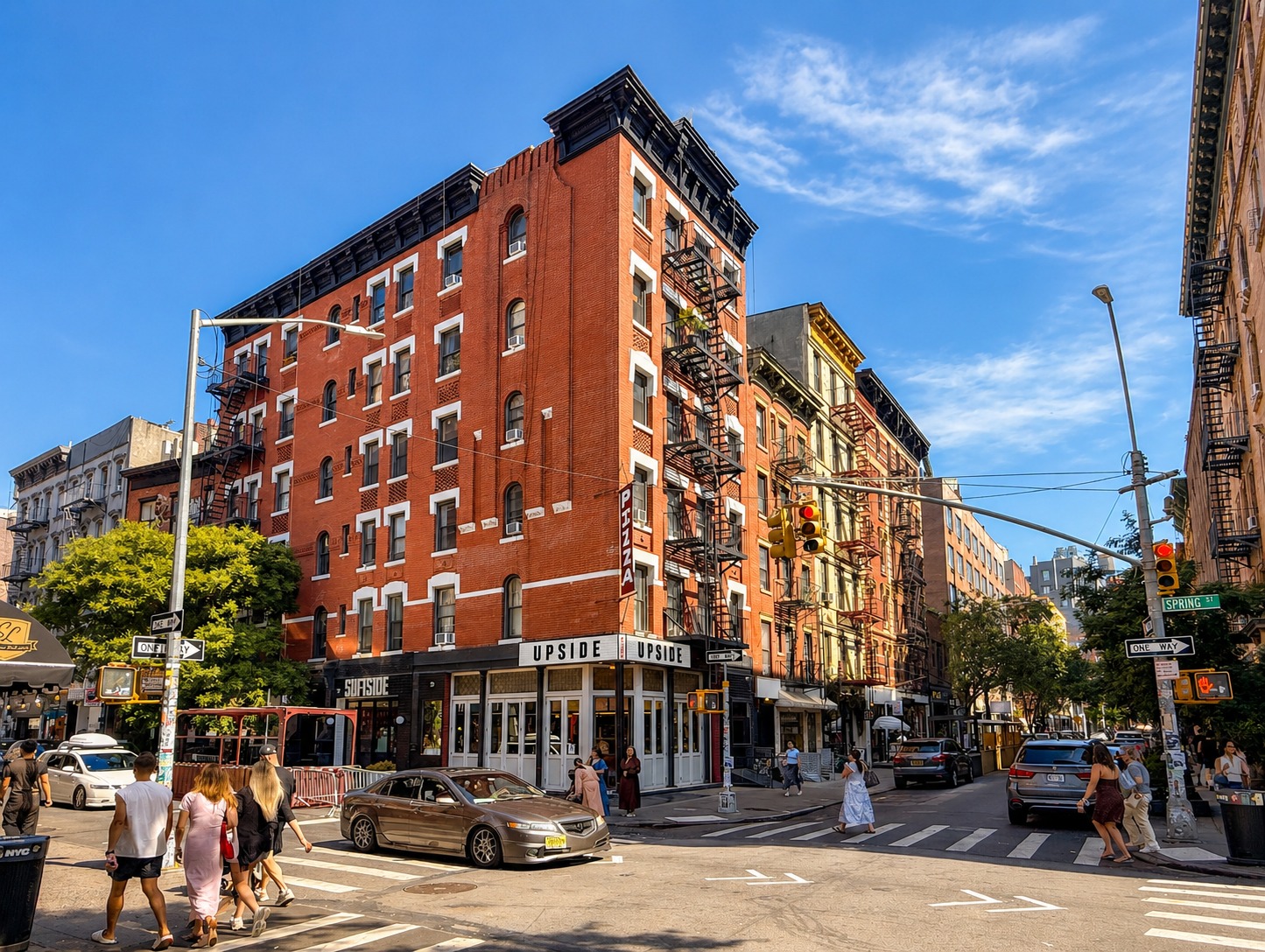
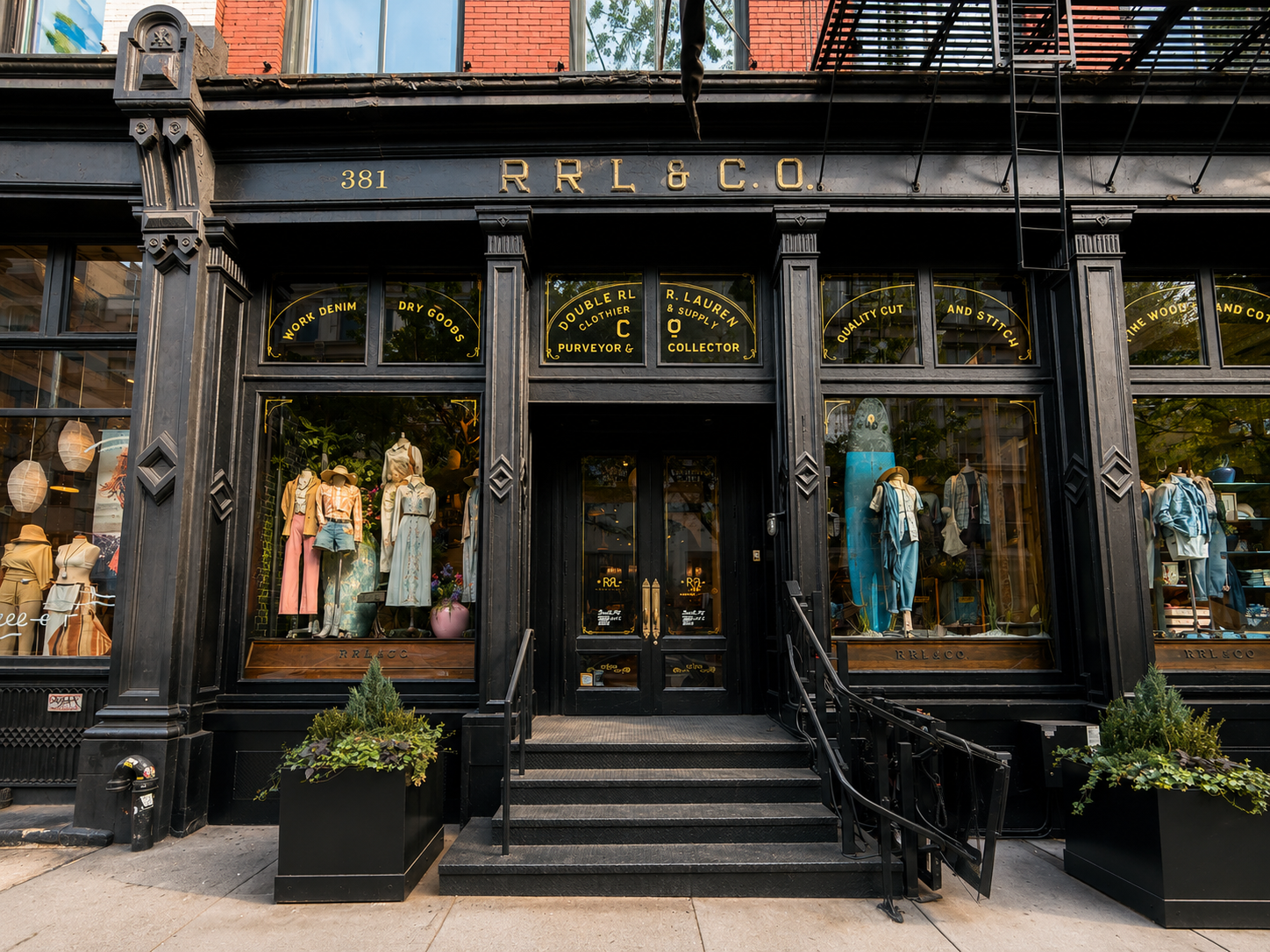
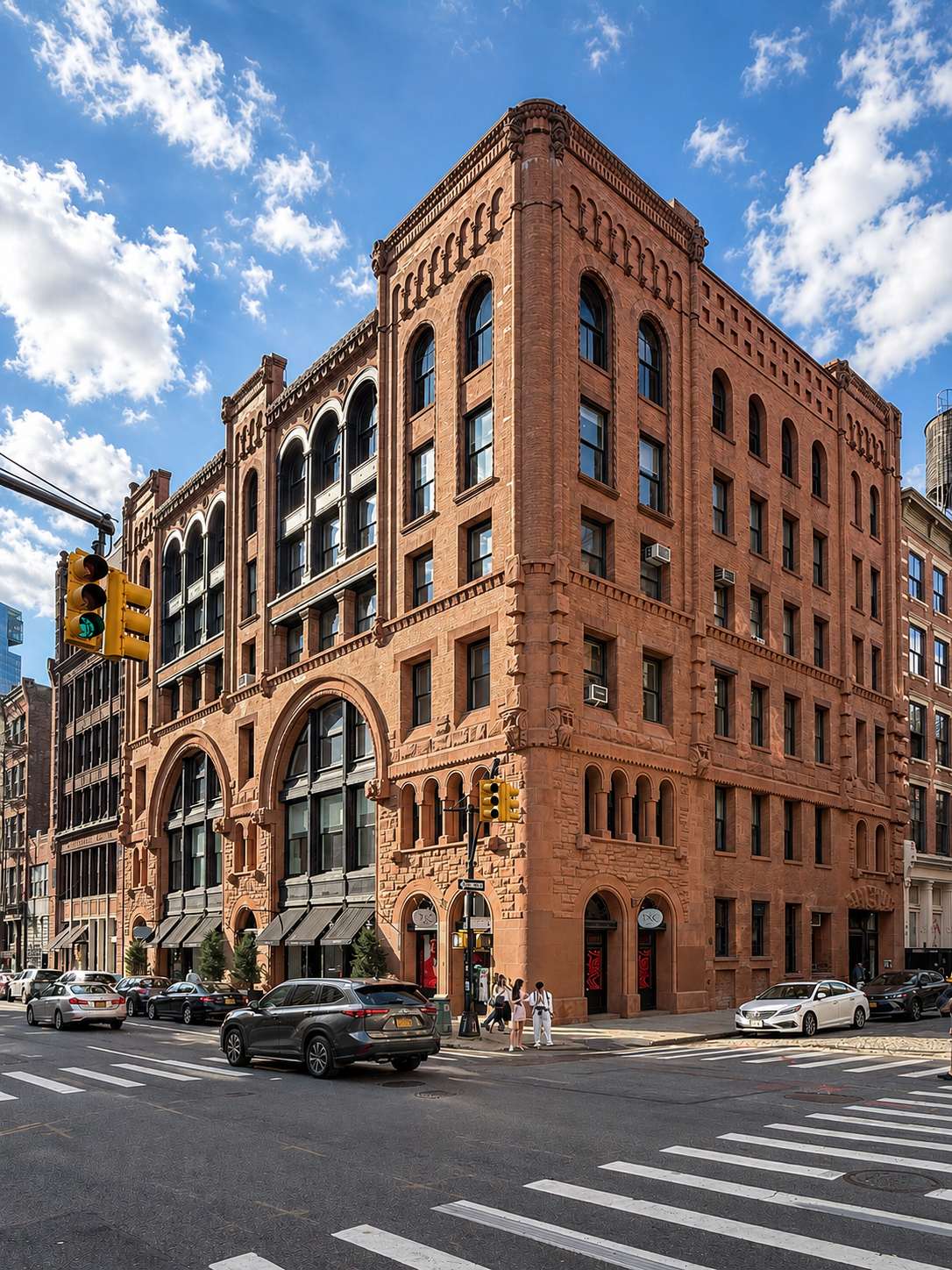
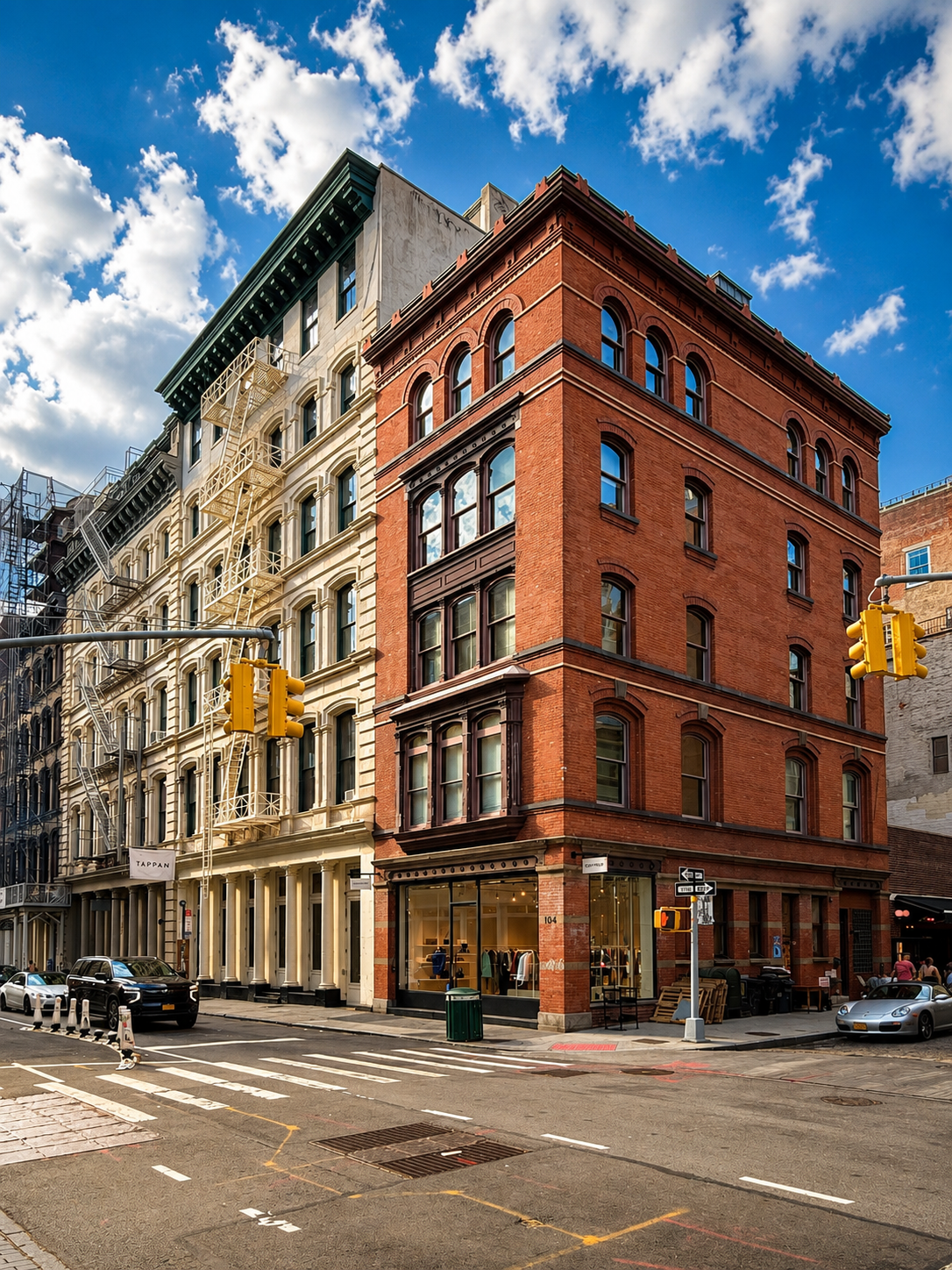
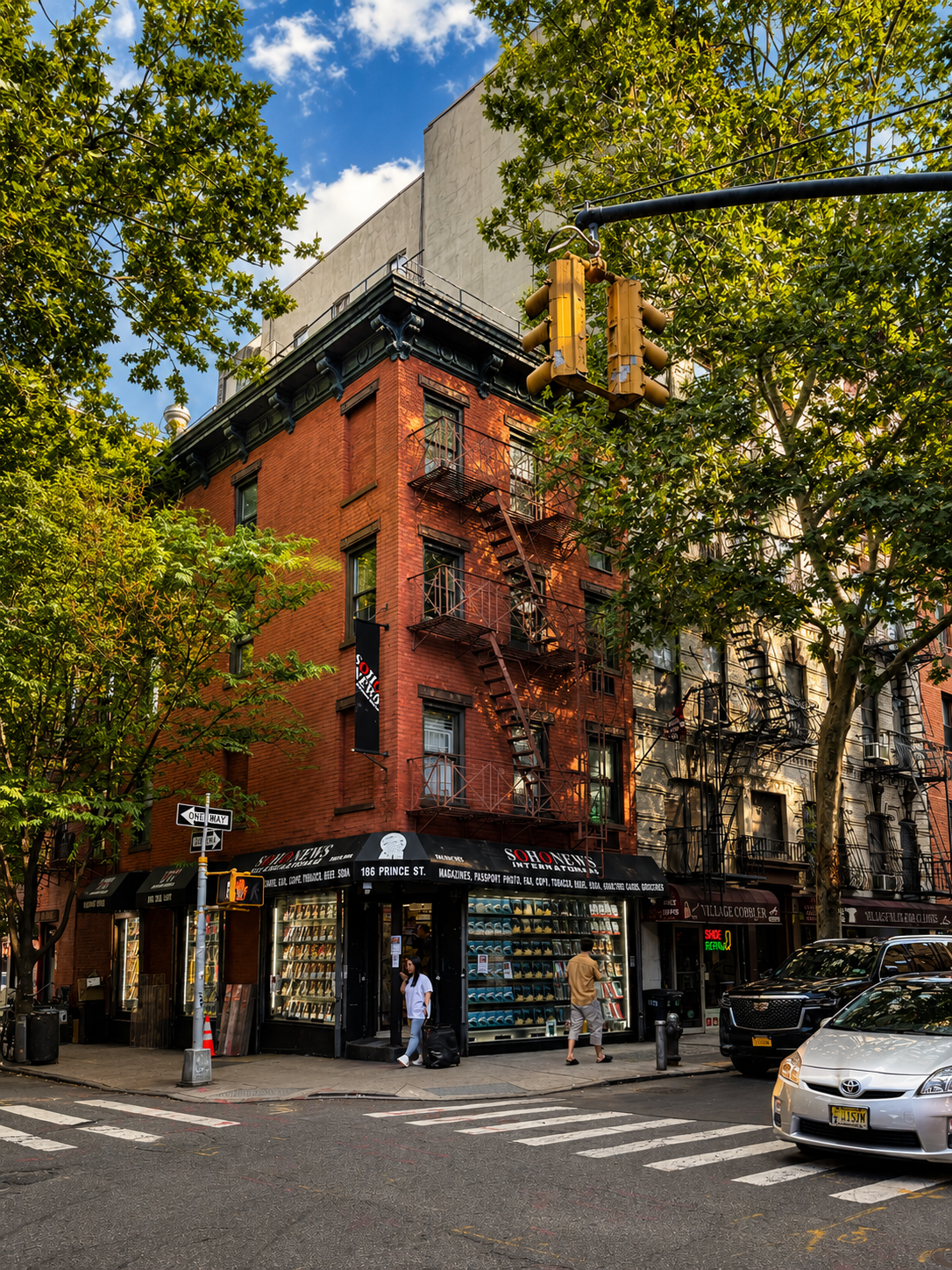
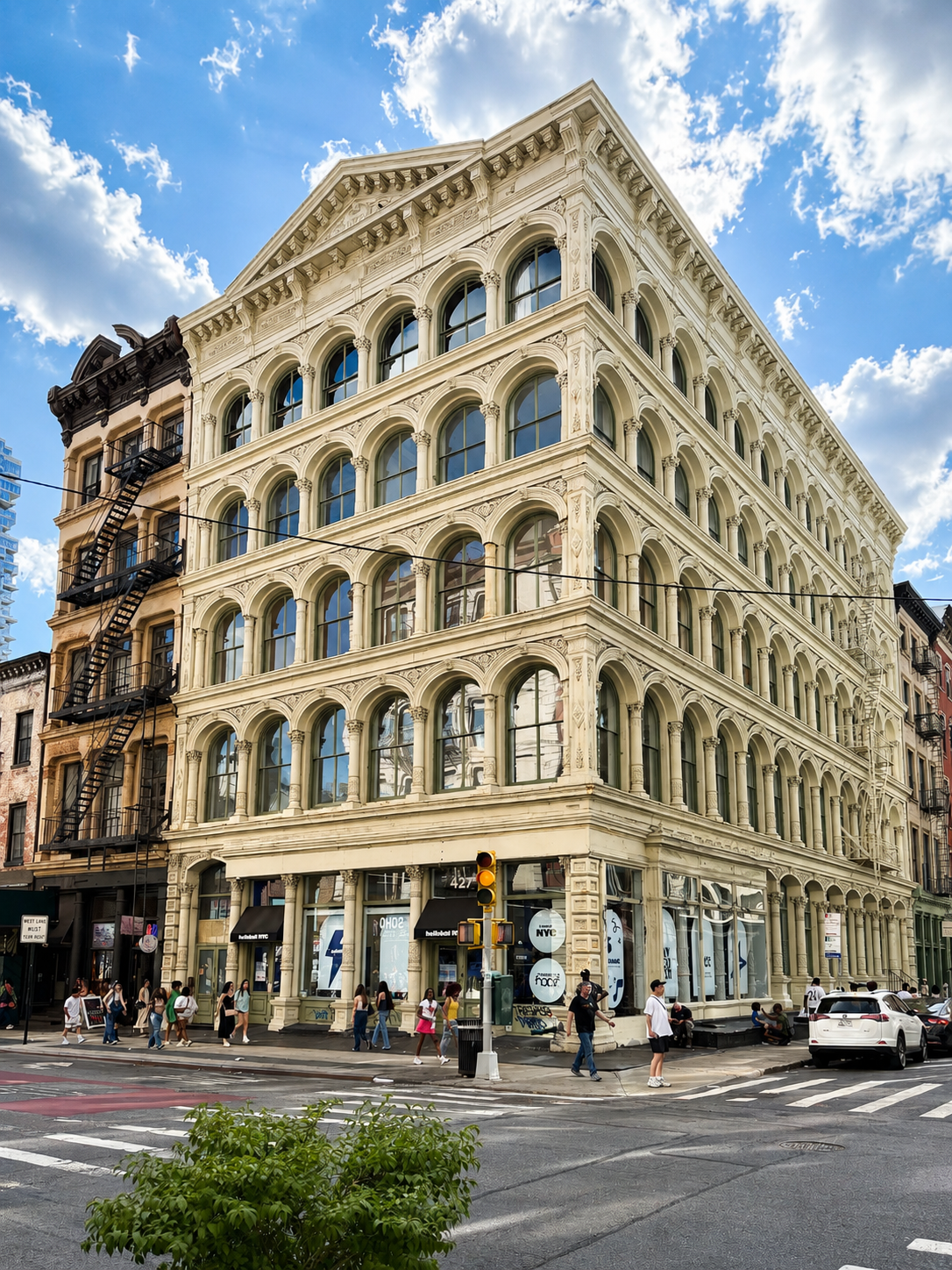
Few neighborhoods in New York City possess a streetscape as immediately recognizable as SoHo. Broad streets lined with cast-iron façades, oversized loft windows, ornamental columns, and historic fire escapes create an architectural rhythm that remains remarkably consistent throughout much of the neighborhood. The buildings themselves define the experience as much as the activity occurring at street level.
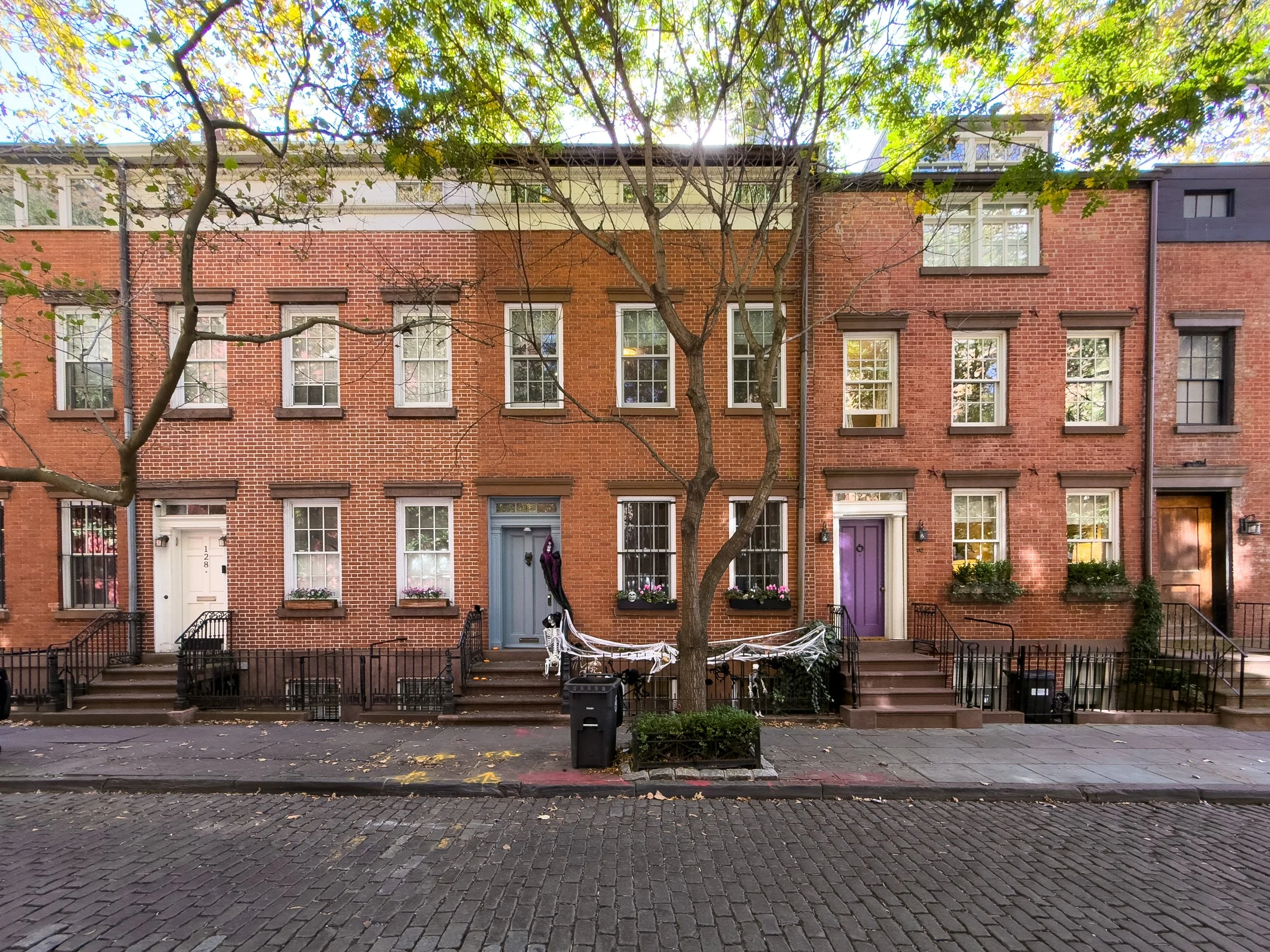
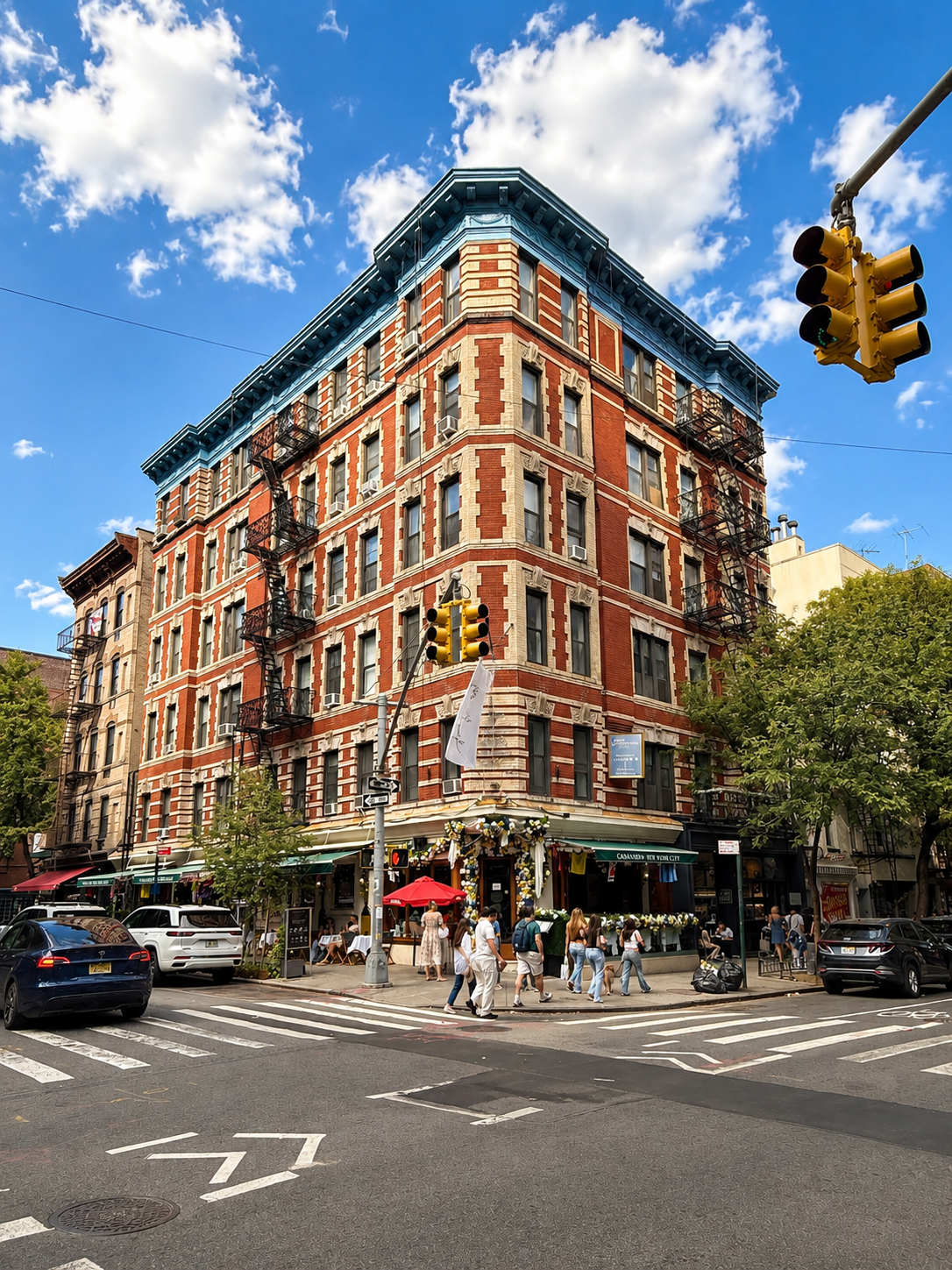
The neighborhood operates with two distinct rhythms. During much of the day, sidewalks along Broadway, Prince Street, Spring Street, and West Broadway fill with shoppers, office workers, visitors, and photographers drawn to SoHo’s architecture and retail environment. Yet only a block or two away, quieter residential streets often feel noticeably calmer, revealing the neighborhood's smaller residential population beneath its global reputation as a destination.
SoHo’s artistic heritage continues to influence its identity even as the neighborhood has evolved. Galleries remain an important part of the local streetscape alongside design studios, architecture firms, creative businesses, and independent cultural institutions. While luxury retail has become increasingly prominent over the past several decades, traces of SoHo’s creative history remain embedded throughout the neighborhood rather than existing solely as part of its past.
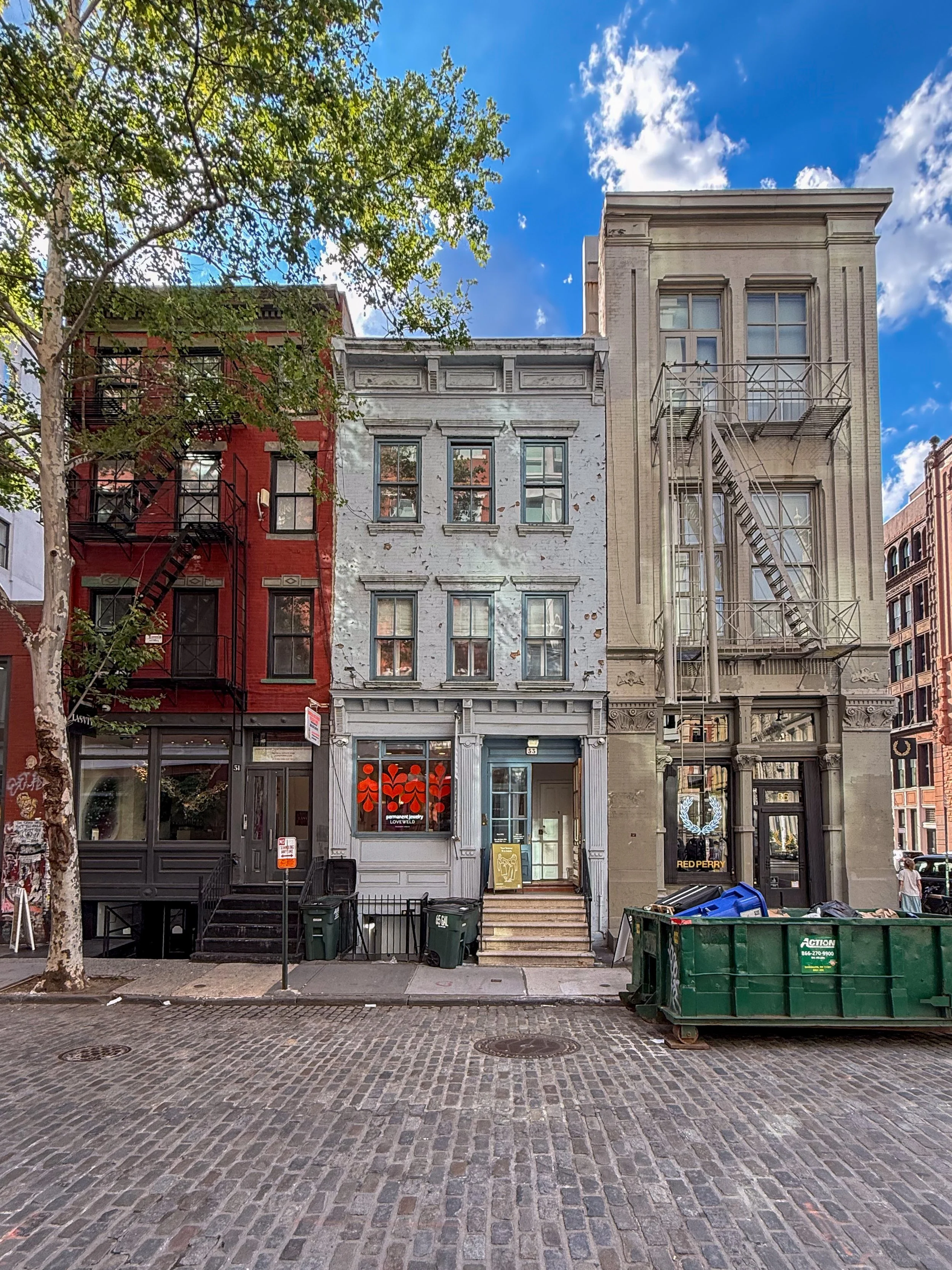
Unlike many neighborhoods that have experienced significant new residential construction, SoHo derives much of its character from preservation rather than new development. Historic cast-iron buildings, restored facades, cobblestone side streets, and carefully maintained architectural details create a neighborhood that feels visually cohesive despite constant activity. The result is an urban environment where residential life, commerce, architecture, and tourism coexist within one of Manhattan's most distinctive historic districts.
Amenities and Conveniences
Daily life in SoHo is supported by a well-established mix of neighborhood conveniences within one of Manhattan's most walkable neighborhoods. While the neighborhood is internationally recognized as one of New York City's premier shopping destinations, residents also benefit from an extensive network of grocery stores, corner stores, fitness studios, personal services, and everyday conveniences located throughout SoHo and in adjacent neighborhoods.
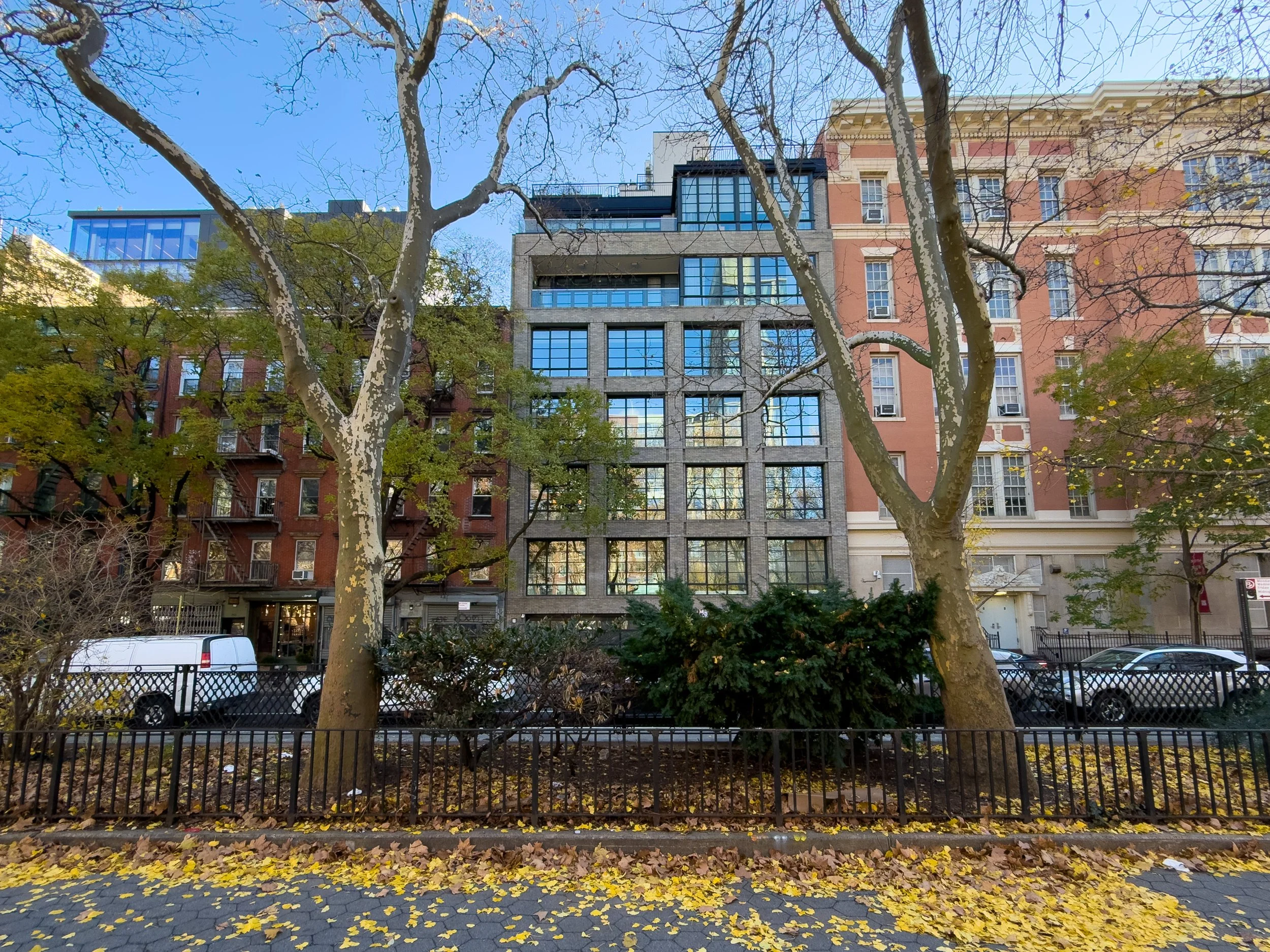
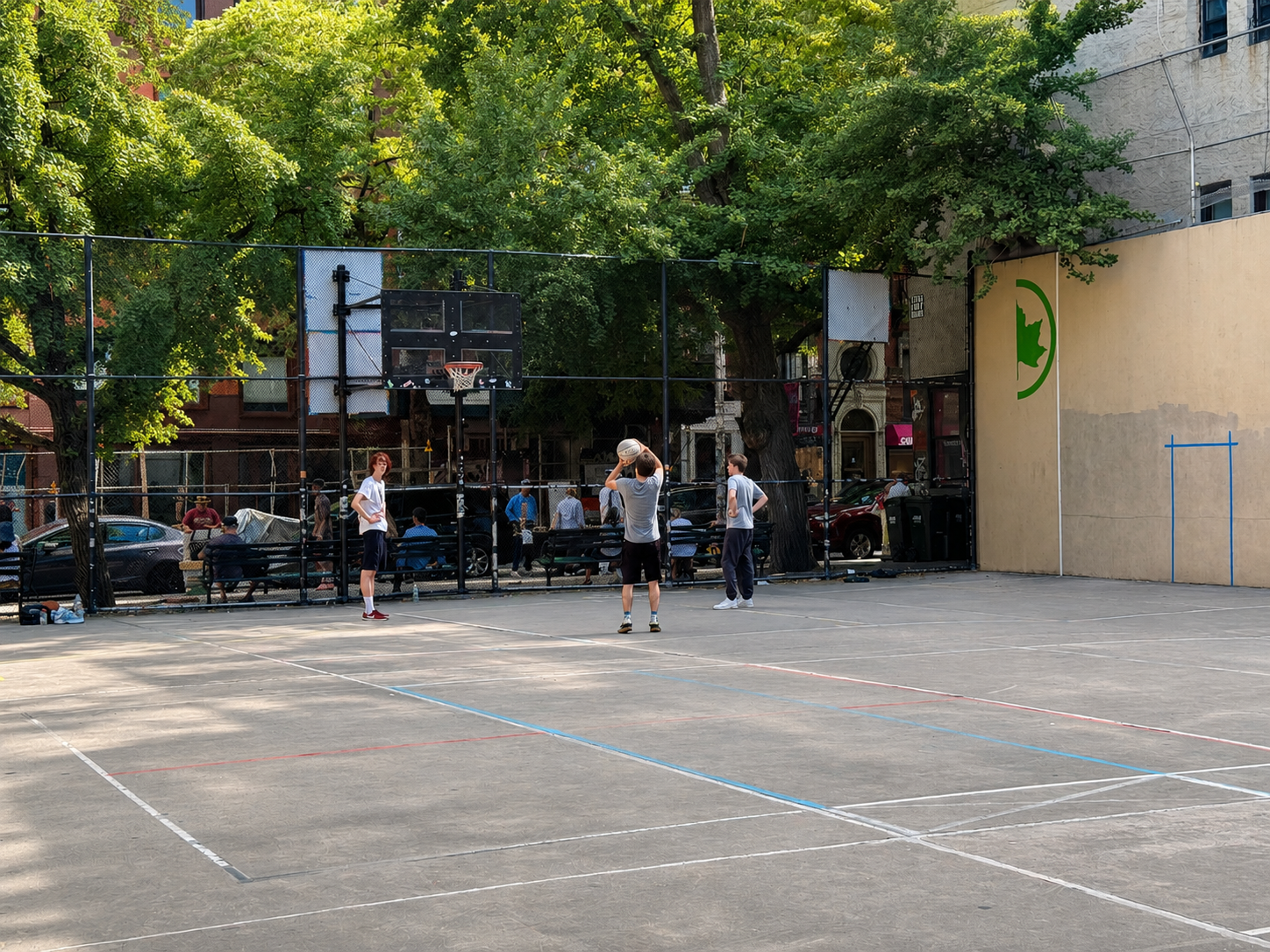
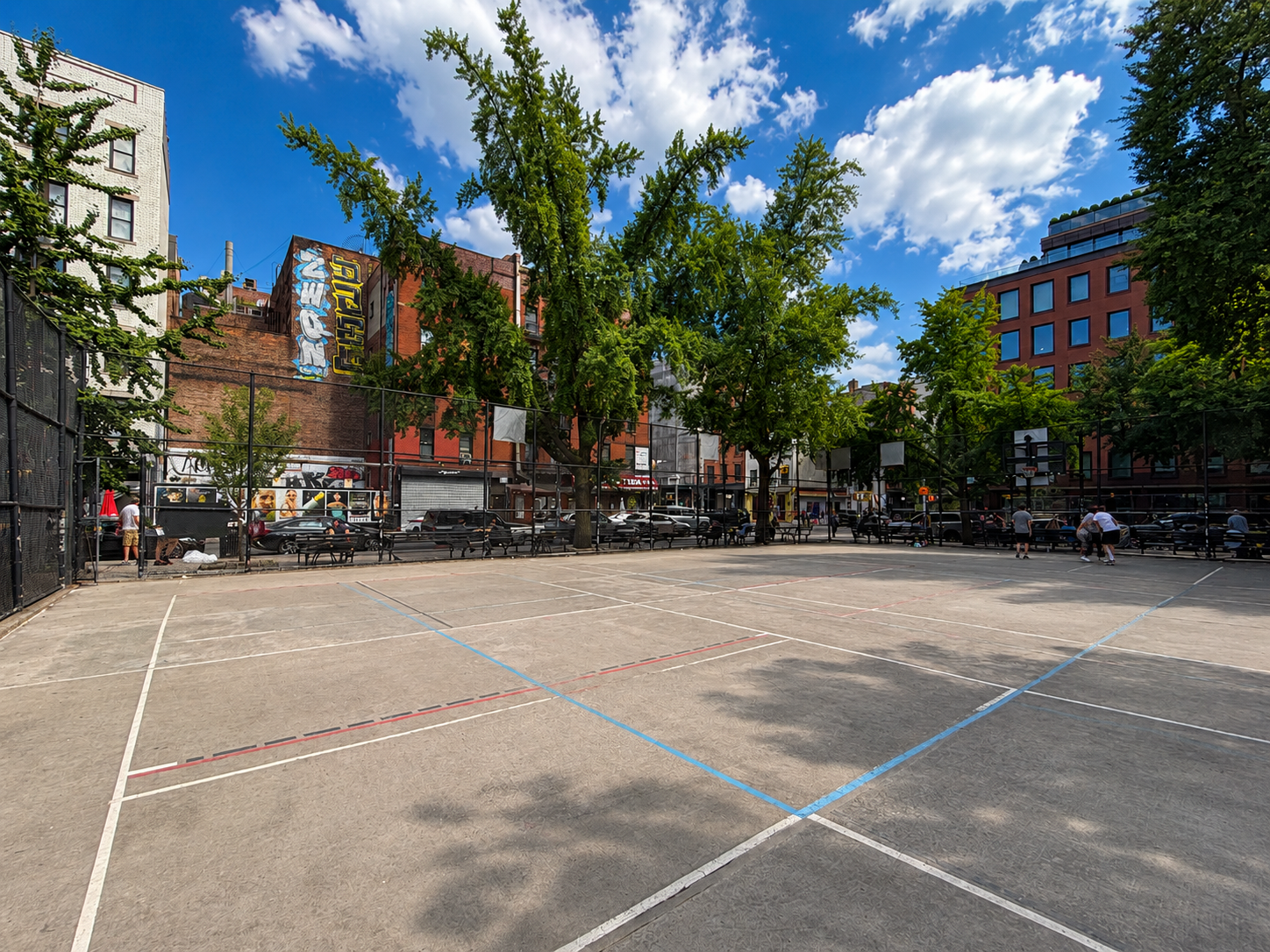
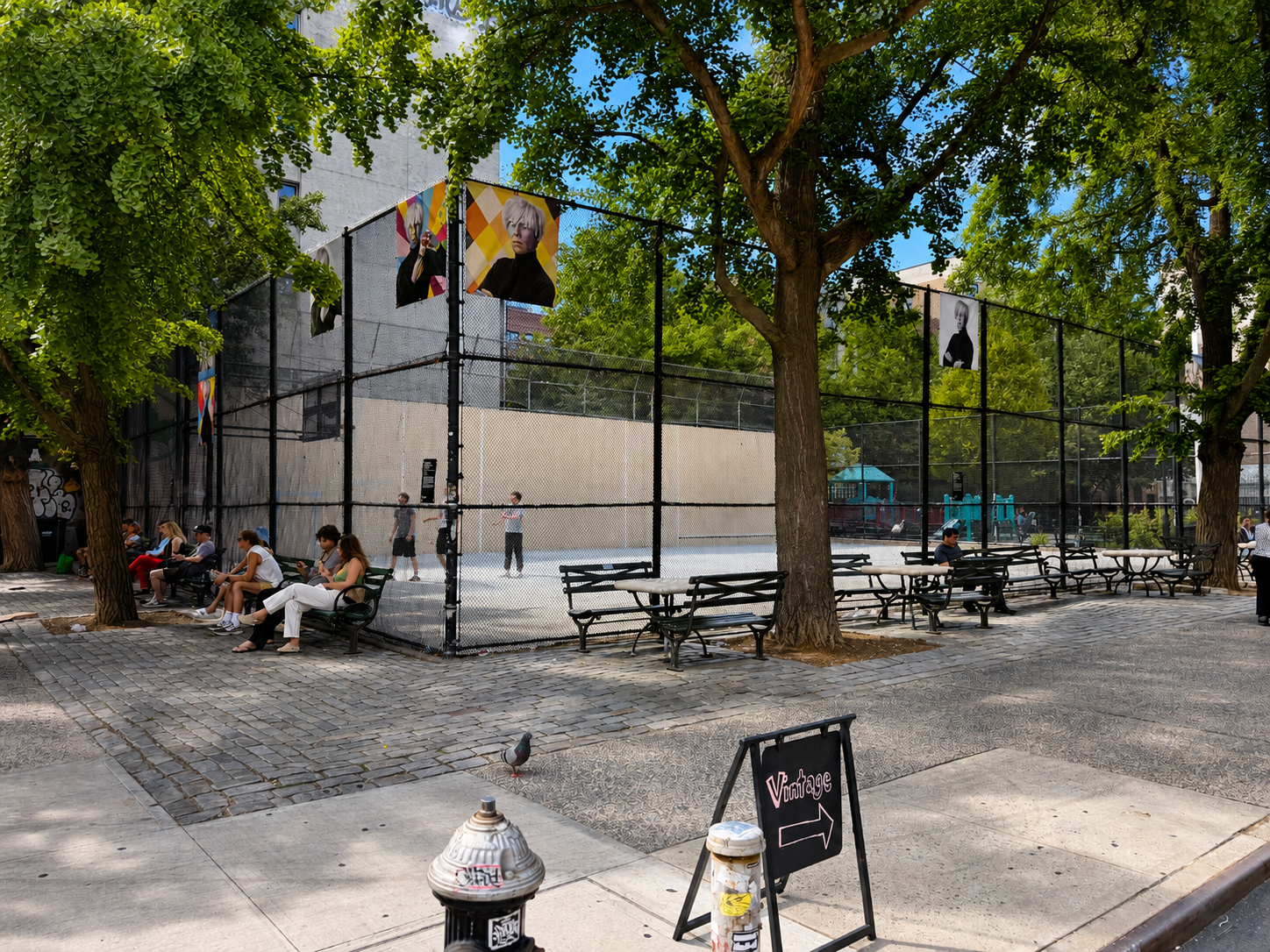
Public open space within SoHo itself is relatively limited, though several nearby parks provide convenient access to recreation and outdoor space. Petrosino Square offers a small neighborhood plaza near the intersection of Spring Street and Lafayette Street, while the nearby Hudson River Park, Washington Square Park, and Sara D. Roosevelt Park expand recreational opportunities within a short walk. Residents also benefit from close proximity to the Hudson River Greenway, providing one of Manhattan's premier cycling and waterfront walking routes.
Coffee shops form an important part of SoHo’s daily rhythm, particularly during weekday mornings when neighborhood residents, office workers, and creatives share many of the same cafes. Spots such as Blank Street, Haraz Coffee House, Francesco SoHo, Drip Drop Cafe, Fellini Coffee Soho, Sui Café, and Caffe Paradiso provide neighborhood gathering places throughout the day. Bakeries including Dominique Ansel Bakery, Balthazar Bakery, Vesuvio Bakery, and Ladurée further contribute to the area's morning culture, reinforcing SoHo’s blend of neighborhood routine and destination appeal.
Everyday conveniences extend well beyond the neighborhood's formal boundaries. Grocery stores, fitness centers, wellness services, and specialty retailers throughout NoHo, Nolita, Greenwich Village, West Village, Hudson Square, and Tribeca effectively function as part of SoHo’s daily residential infrastructure, allowing residents to accomplish most daily errands comfortably on foot.
Dining And Shopping
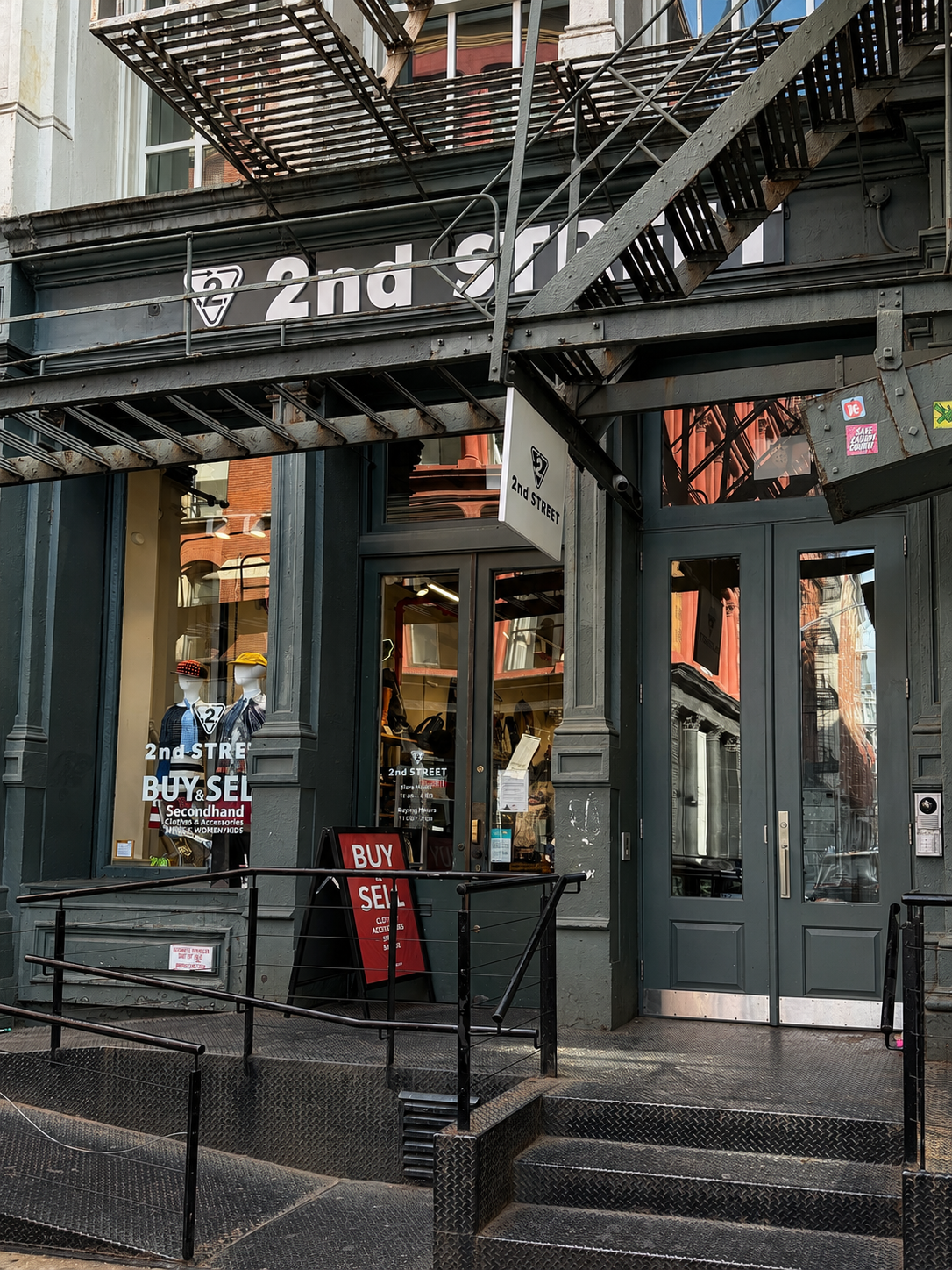
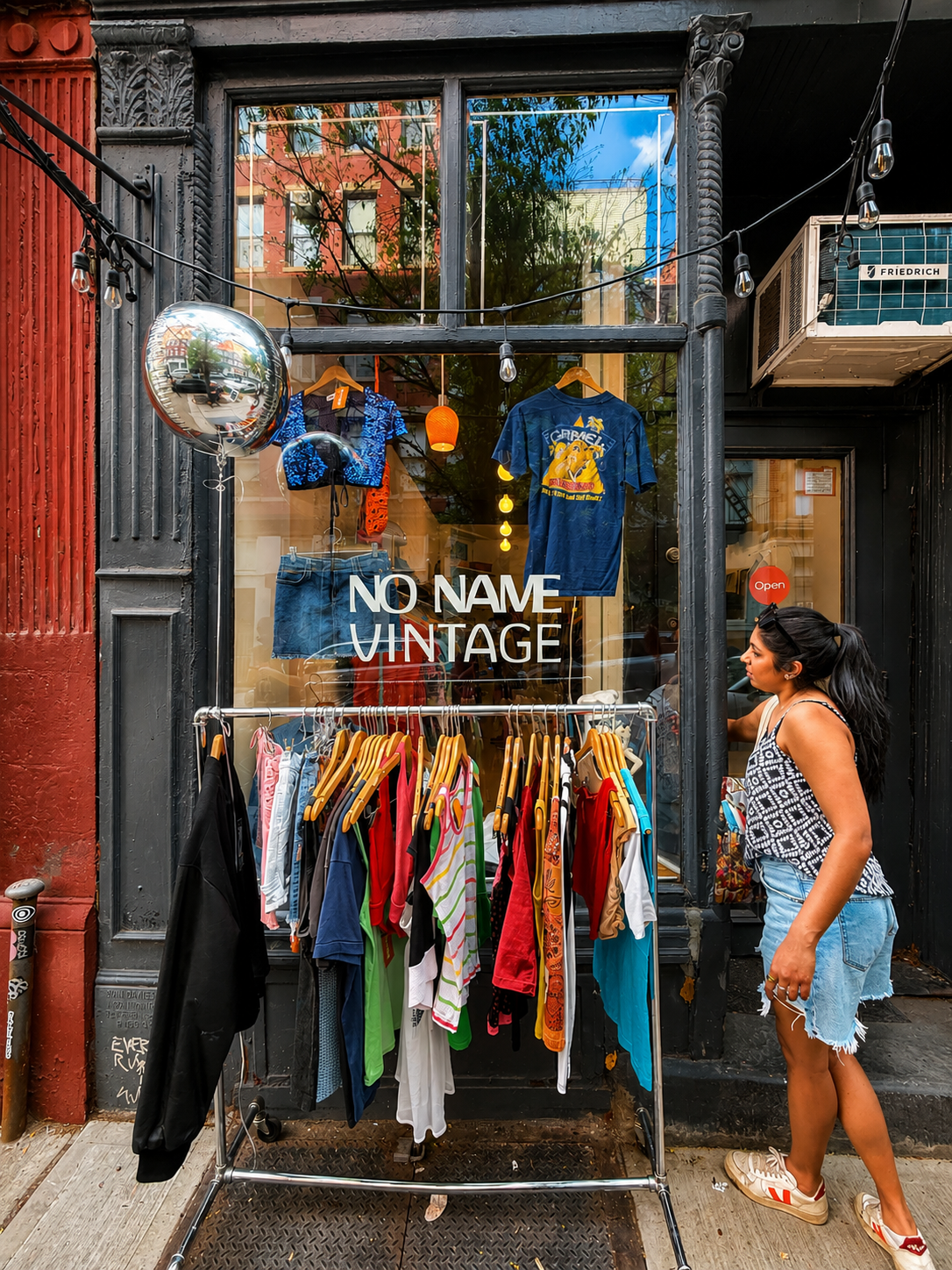
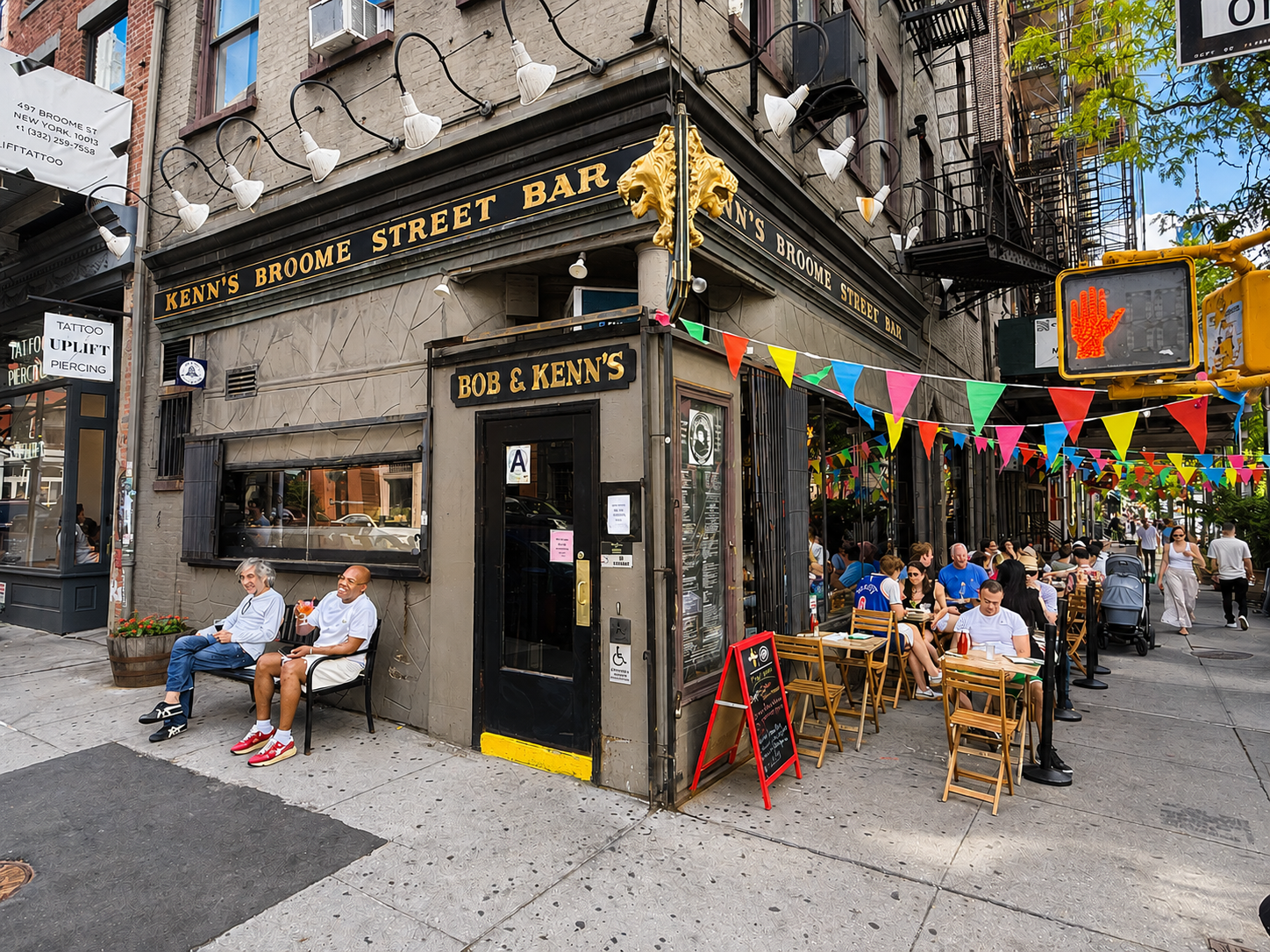
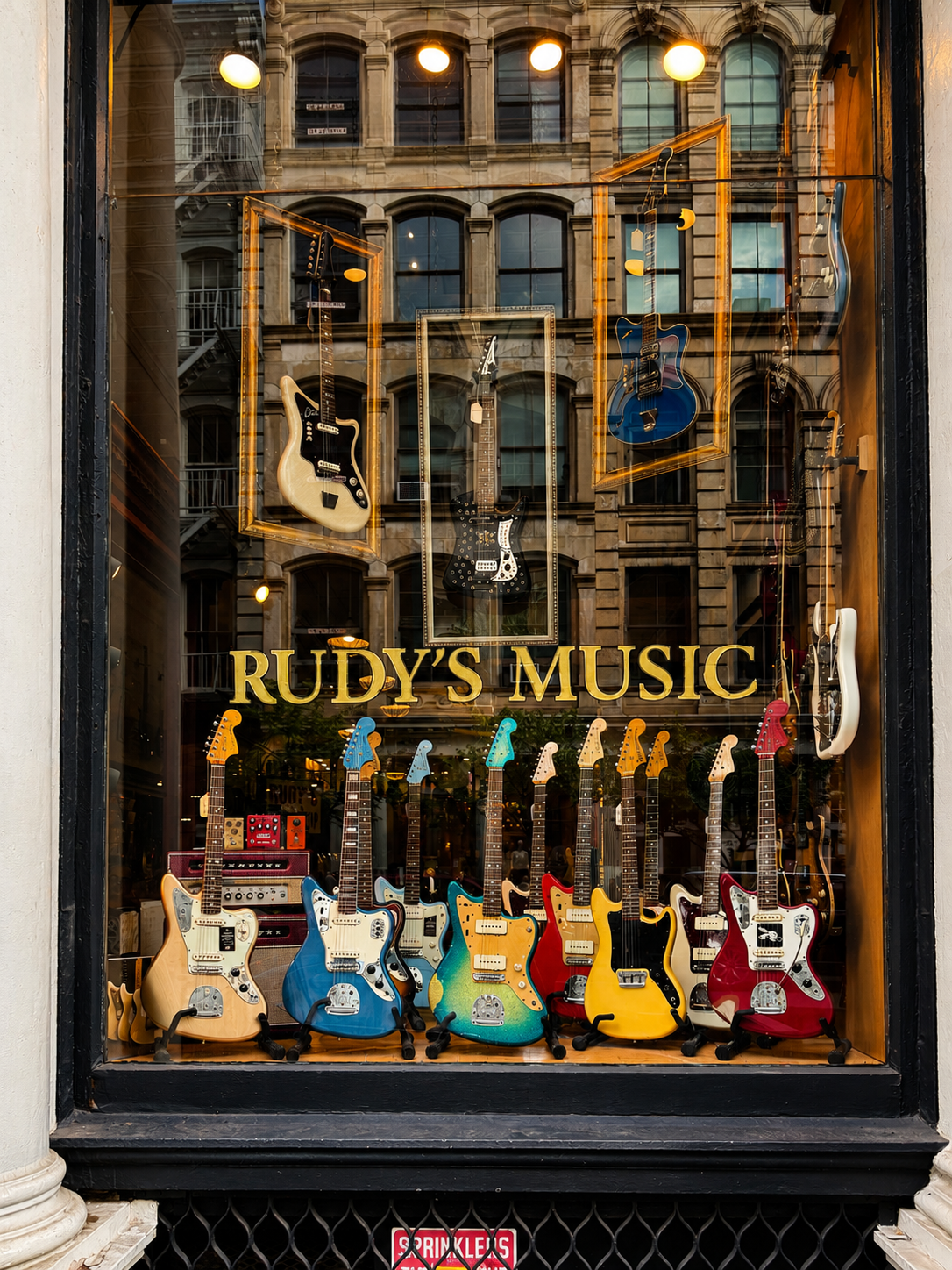
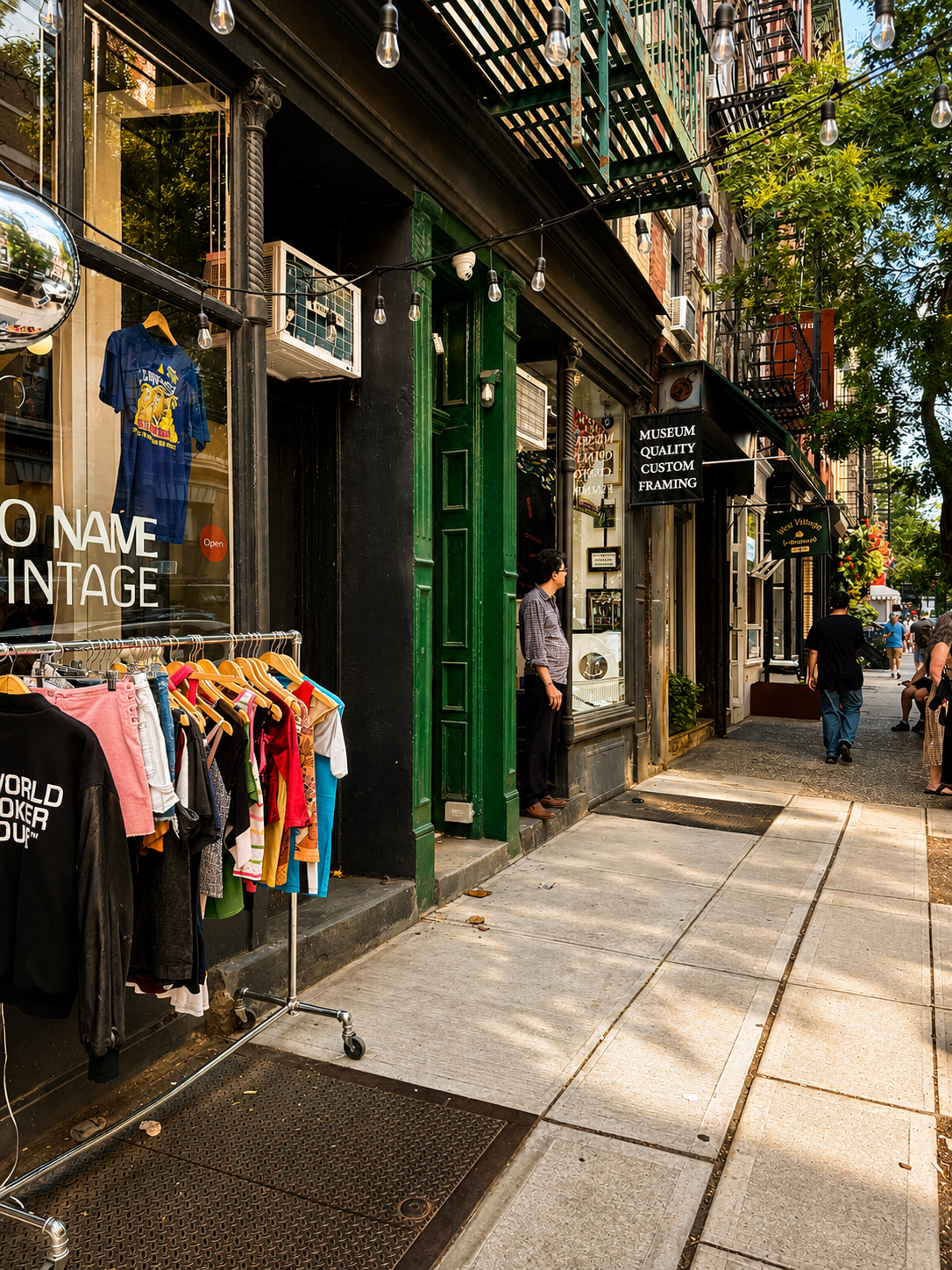
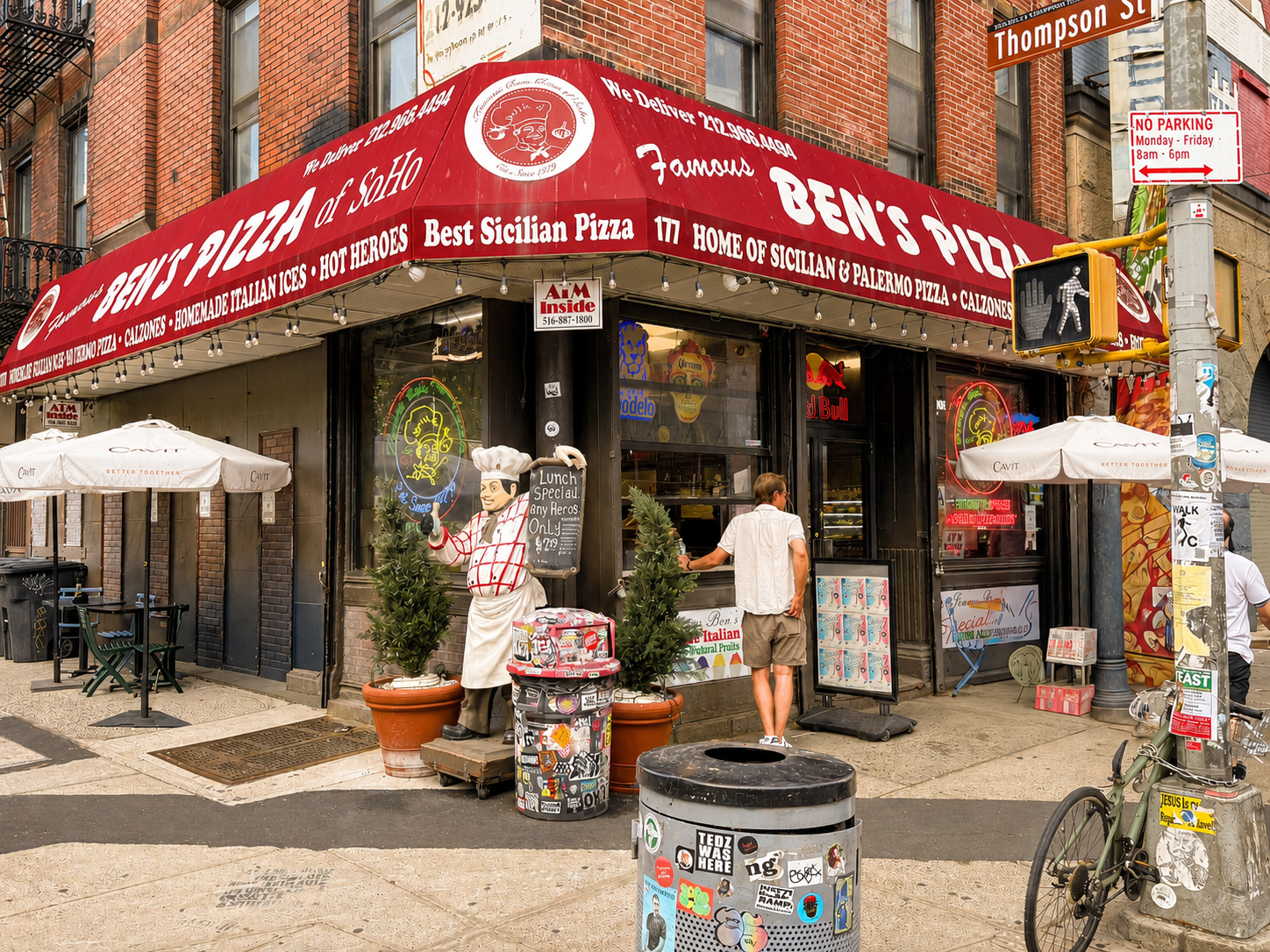
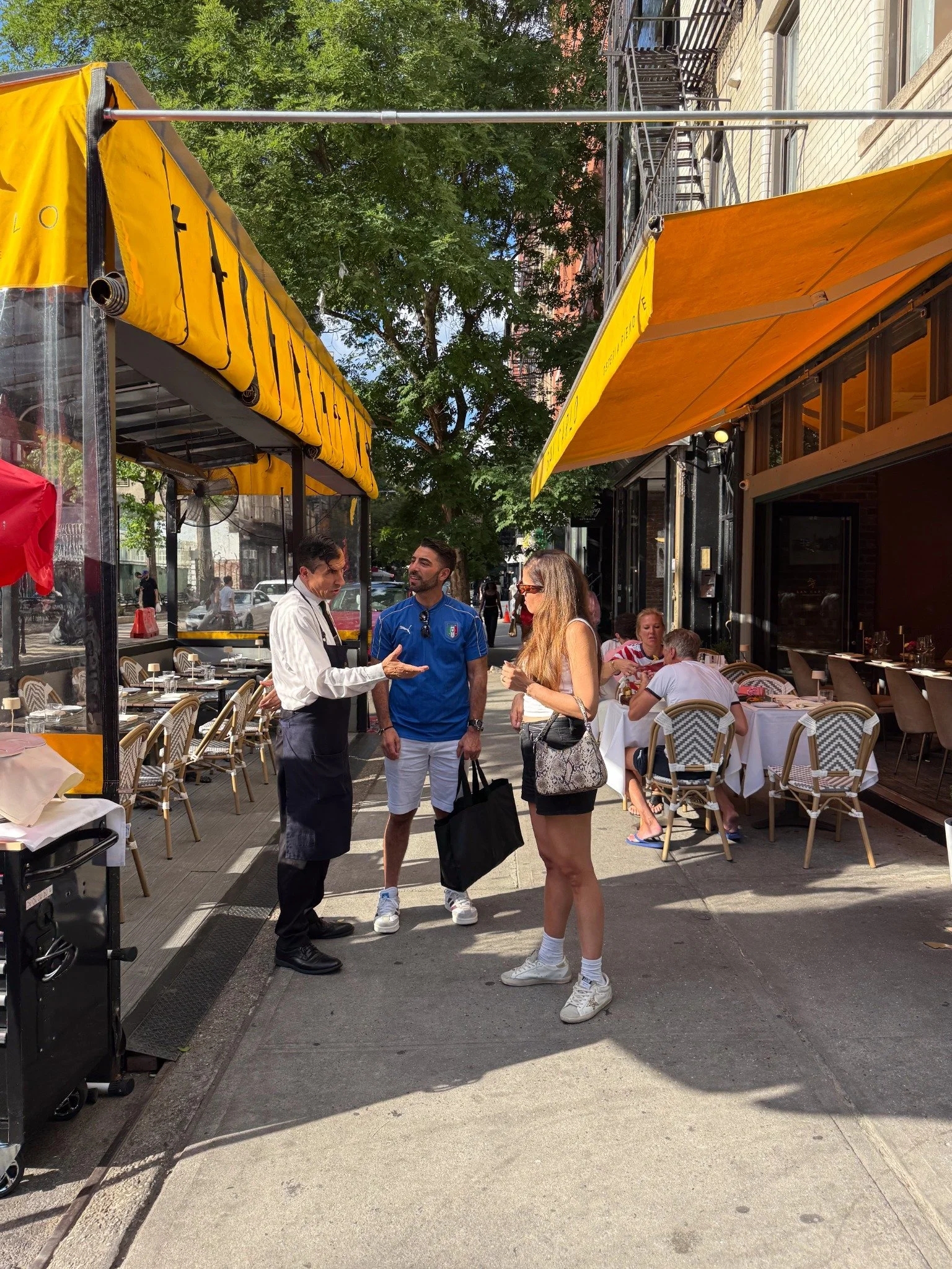
Dining and shopping are inseparable from daily life in SoHo, where restaurants, cafes, boutiques, galleries, and flagship retailers occupy many of the neighborhood's historic cast-iron buildings. Although the neighborhood attracts visitors from around the world, much of the commercial environment remains integrated into the surrounding residential streetscape rather than functioning solely as a tourist destination.
The dining scene reflects both longstanding neighborhood institutions and an expanding collection of newer restaurants. Classic destinations such as Balthazar, Fanelli Cafe, and Blue Ribbon Brasserie continue to anchor SoHo’s culinary identity alongside more recent additions including Roscioli NYC, Raku, Or’esh, Lucia Alimentari, Croft Alley, Revelie Luncheonette, Manuela, and The Corner Store. Together they create a dining landscape that ranges from neighborhood cafes and casual lunches to destination restaurants without losing its distinctly local character.
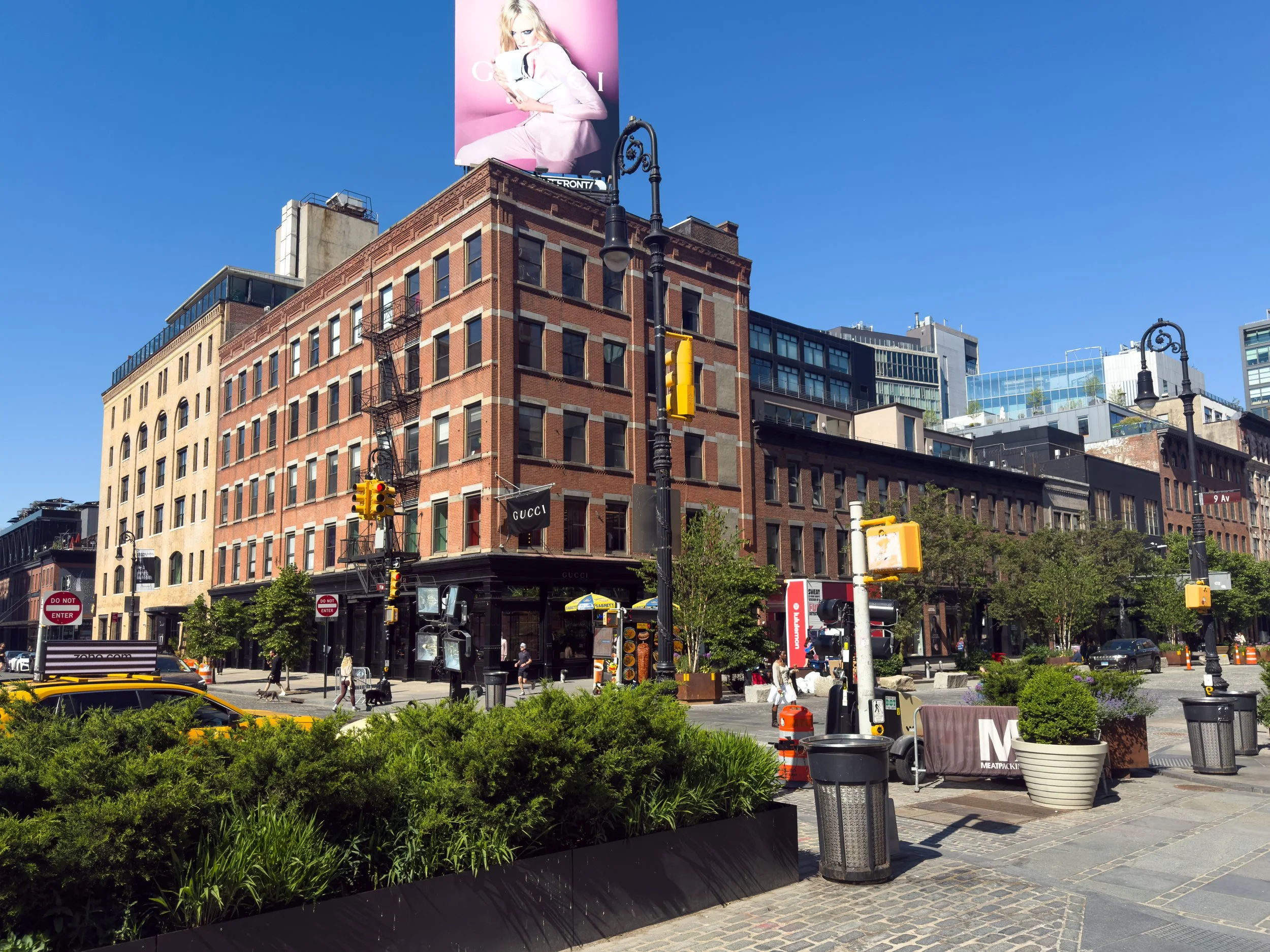
Shopping remains one of SoHo’s defining characteristics. International luxury brands line portions of Broadway, Greene Street, and Prince Street, while independent retailers continue to reinforce the neighborhood's longstanding relationship with fashion, design, publishing, and craftsmanship. Shops such as Knickerbocker, Makie, McNally Jackson, Clic, Roman and Williams Guild, Wolf & Badger, Alex Mill, Rachel Comey, The Frankie Shop, Saturdays NYC, Housing Works Bookstore, BDDW, Sea, M. Crow, Julia Testa, and Feste contribute to a retail environment that extends well beyond traditional luxury shopping.
Rather than concentrating along a single commercial corridor, SoHo’s retail environment unfolds continuously throughout the neighborhood's streets. Window shopping, café culture, architecture, and pedestrian activity merge into a streetscape where residents and visitors experience many of the same public spaces throughout the day.
Transportation
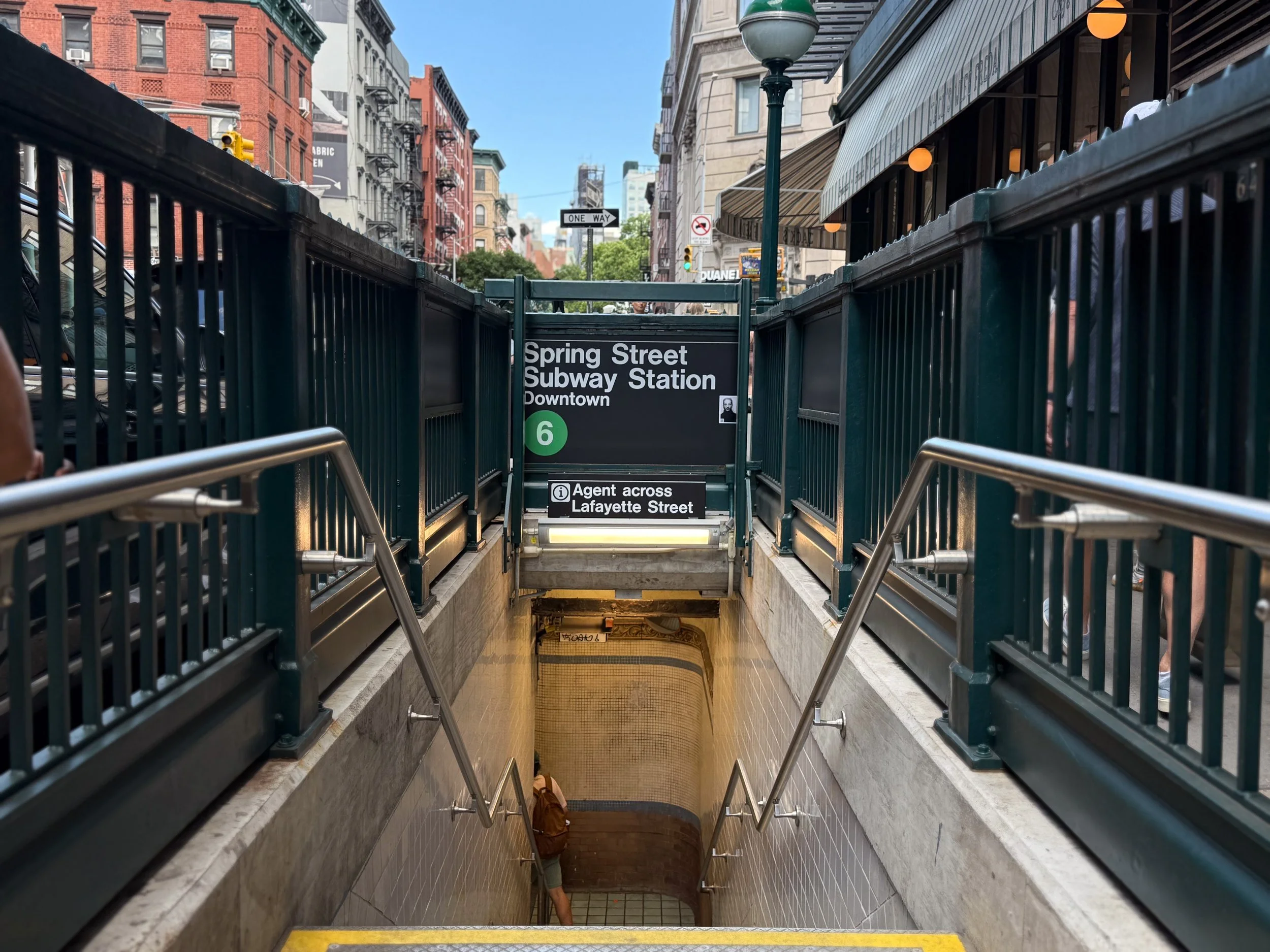
SoHo is one of Manhattan's most transit-accessible neighborhoods, with multiple subway lines surrounding its compact footprint and providing convenient connections throughout New York City. The Spring Street station on Sixth Avenue serves the (A), (C), and (E) trains, while nearby Canal Street provides additional access to those lines along the neighborhood's southwestern edge. To the northeast, Broadway–Lafayette Street offers connections to the (B), (D), (F), and (M) trains, while the Spring Street station at Lafayette Street serves the (4) and (6) lines. Residents also benefit from nearby access to the (1) and (2) trains at Canal Street and the Houston Street station at Varick Street along the neighborhood's northwestern edge.
The neighborhood's compact footprint makes walking one of the primary modes of transportation for many residents. Nearly every destination within SoHo can be reached on foot within minutes, while NoHo, Nolita, Greenwich Village, Hudson Square, Tribeca, Chinatown, and Little Italy all connect seamlessly to the surrounding street network.
Citi Bike stations are distributed throughout the neighborhood and nearby areas, providing convenient connections across Lower Manhattan and into Brooklyn via the Manhattan and Williamsburg Bridges. Taxi service, rideshare availability, and numerous north-south and crosstown bus routes further strengthen mobility throughout the area.
Although driving is possible, narrow streets, heavy pedestrian activity, commercial loading zones, and limited parking often make private vehicles less practical than walking or public transportation for everyday travel.
Schools
Families living in SoHo have access to a broad range of public, charter, and private educational options located both within the neighborhood and throughout Lower Manhattan. Because of SoHo’s central location, many residents also consider nearby schools in Greenwich Village, Tribeca, Nolita, and the Lower East Side when evaluating educational opportunities.
Private schools throughout Lower Manhattan, together with specialized arts programs, language schools, and enrichment organizations, provide additional educational options within walking distance of the neighborhood. The area's longstanding relationship with the arts also contributes to a variety of creative and cultural learning opportunities outside traditional classroom settings.
SoHo also benefits from its proximity to several of New York City's leading colleges, universities, and arts institutions. Nearby campuses include New York University, The New School, Parsons School of Design, Cooper Union, and the New York Academy of Art, reinforcing the neighborhood's longstanding connection to higher education, design, architecture, and the visual arts.
Real Estate Insights
SoHo’s residential market is defined by one of the most distinctive residential inventories in New York City. Historic loft buildings, cooperative loft residences, boutique condominiums, limited townhouse inventory, and mixed-use buildings collectively form a housing stock that is both architecturally unique and exceptionally limited in supply.
Many of the neighborhood's residential buildings originated as nineteenth-century commercial and manufacturing structures before being converted into expansive loft residences. As a result, SoHo continues to offer some of Manhattan’s most recognizable homes, characterized by high ceilings, oversized windows, exposed structural elements, open floor plans, and substantial square footage rarely found elsewhere in Lower Manhattan.
Buyer demand remains exceptionally strong among purchasers seeking authentic loft living, landmark architecture, and long-term ownership within one of Manhattan's most prestigious residential neighborhoods. Primary residents, international buyers, and those seeking architecturally distinctive homes continue to compete for a relatively limited supply of available inventory, contributing to one of New York City's highest-value housing markets.
Inventory remains highly constrained, with relatively few opportunities entering the market compared to many other Manhattan neighborhoods. The landmark status of much of SoHo’s building stock further reinforces the neighborhood's long-term architectural consistency while limiting large-scale residential redevelopment.
Sales Market At A Glance (2026)
Typical Home Value (ZHVI): ~$3.14M (+7.9% YoY)
Median Sale Price (Q1 2026): ~$3.4M (−10.7% YoY)
Median Price per Sq Ft (Q1 2026): ~$1,842 PPSF (−3.0% YoY)
Quarterly Transactions (Q1 2026): 26 closed sales (−13.3% YoY)
Median Condo Sale Price (Q1 2026): ~$4.8M (+14.5% YoY)
Median Co-op Sale Price (Q1 2026): ~$2.6M (−5.5% YoY)
StreetEasy Median Asking Prices (2026): Studio: ~$1.49M; 1-Bedroom: ~$1.65M; 2-Bedroom: ~$3.13M; 3-Bedroom: ~$4.99M
Inventory in SoHo remains exceptionally limited, with relatively few transactions occurring each quarter. Because of the neighborhood's small inventory base and concentration of high-value loft residences, pricing metrics can fluctuate meaningfully depending on the size, quality, and mix of properties that close during a given reporting period.
Source: Zillow, PropertyShark, Redfin, and StreetEasy (2026). Zillow's Home Value Index (ZHVI) reflects seasonally adjusted blended home value estimates across property types. PropertyShark data is based on recorded closed sales, while days-on-market metrics and pricing methodologies vary across reporting platforms.
Trends
SoHo remains one of New York City's most expensive residential neighborhoods, ranking among Manhattan's highest-priced markets alongside neighborhoods such as Hudson Yards, Tribeca, and NoHo. High property values reflect not only the neighborhood's architectural significance and global reputation, but also the exceptionally limited supply of residential inventory.
Unlike neighborhoods where pricing is influenced by large volumes of new construction, SoHo’s market is shaped primarily by the resale of historic loft residences and boutique condominium inventory. Landmark protections and a finite housing stock mean relatively few new residential opportunities enter the market, reinforcing long-term supply constraints.
The neighborhood's condominium sector continues to command some of Manhattan's highest sale prices, while cooperative loft buildings represent a significant share of transaction activity at comparatively lower price points. Individual sales can have an outsized influence on quarterly statistics, particularly when large full-floor lofts or trophy residences close.
Although transaction volume remains relatively modest and marketing times can be longer than some Manhattan neighborhoods, buyer demand for authentic loft living and historic loft buildings continues to support one of New York City's most supply-constrained residential markets. Rather than reflecting weakening demand, quarterly fluctuations in pricing and sales activity are often the result of SoHo's highly specialized inventory and the relatively small number of properties that trade in any given period.
Final Thoughts
SoHo occupies a singular place within New York City's residential landscape. Its combination of historic architecture, expansive loft residences, world-renowned shopping, artistic legacy, and exceptionally limited housing inventory has created one of Manhattan's most recognizable and enduring neighborhoods.
Although millions of visitors experience SoHo each year as one of New York City's premier shopping destinations, its identity extends well beyond tourism. Residents benefit from remarkable walkability, architectural continuity, convenient transportation, and immediate access to many of Lower Manhattan's most established neighborhoods, all within one of the city's most significant historic districts.
For buyers, sellers, and long-term residents alike, SoHo remains defined by architectural distinction, limited inventory, and sustained demand. Few neighborhoods combine historic preservation, residential prestige, and global recognition as successfully, making SoHo one of Manhattan's most enduring residential markets.
Thinking of buying or selling in SoHo? Get tailored insights into the local market or request a complimentary CMA. Reach out — let’s start the conversation.
For more NYC real estate guides, visit the Resources & Insights hub for tips designed to help buyers and sellers navigate the SoHo real estate market.
Related Manhattan Neighborhood Guides