Nolita, Manhattan
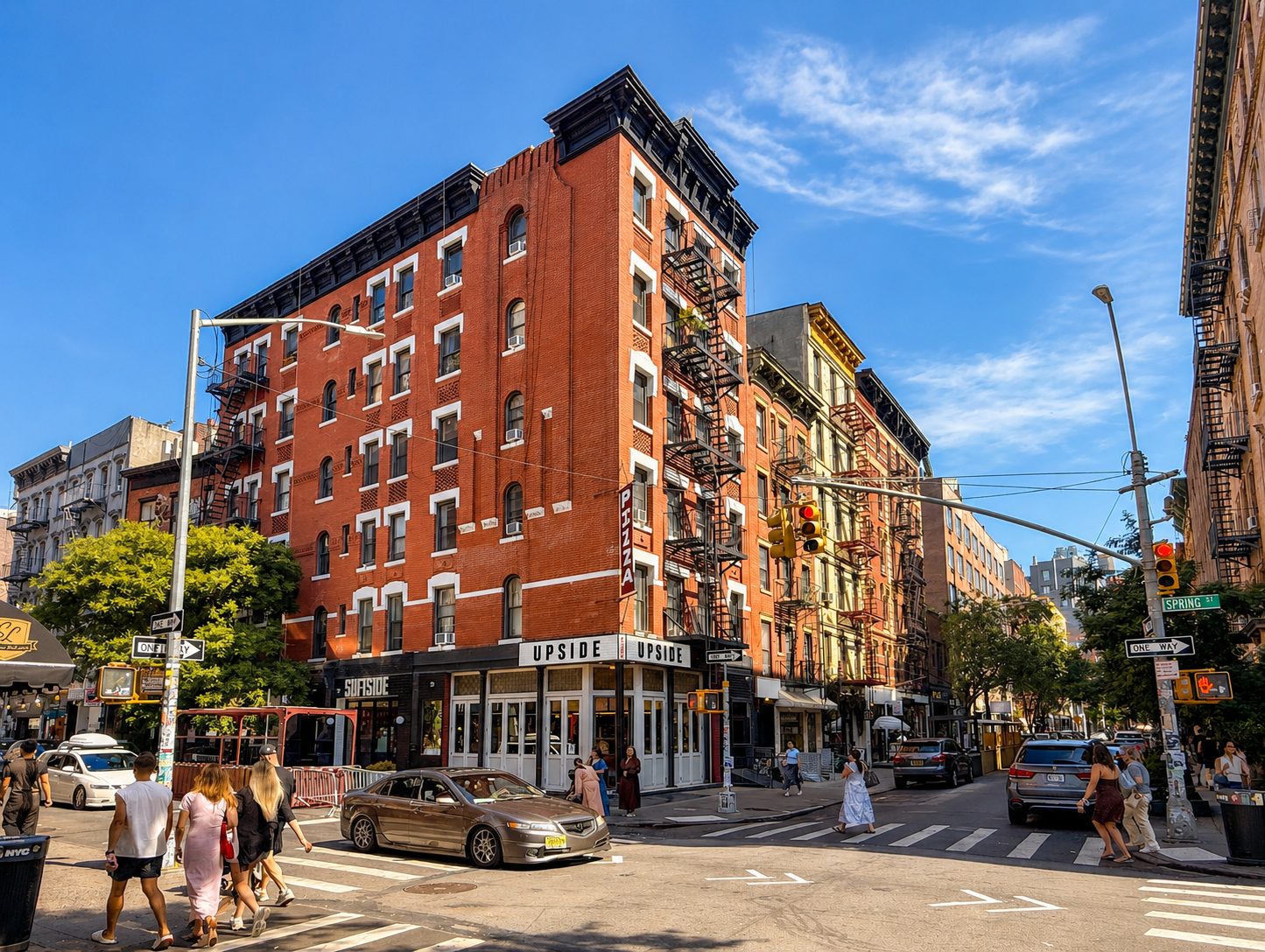
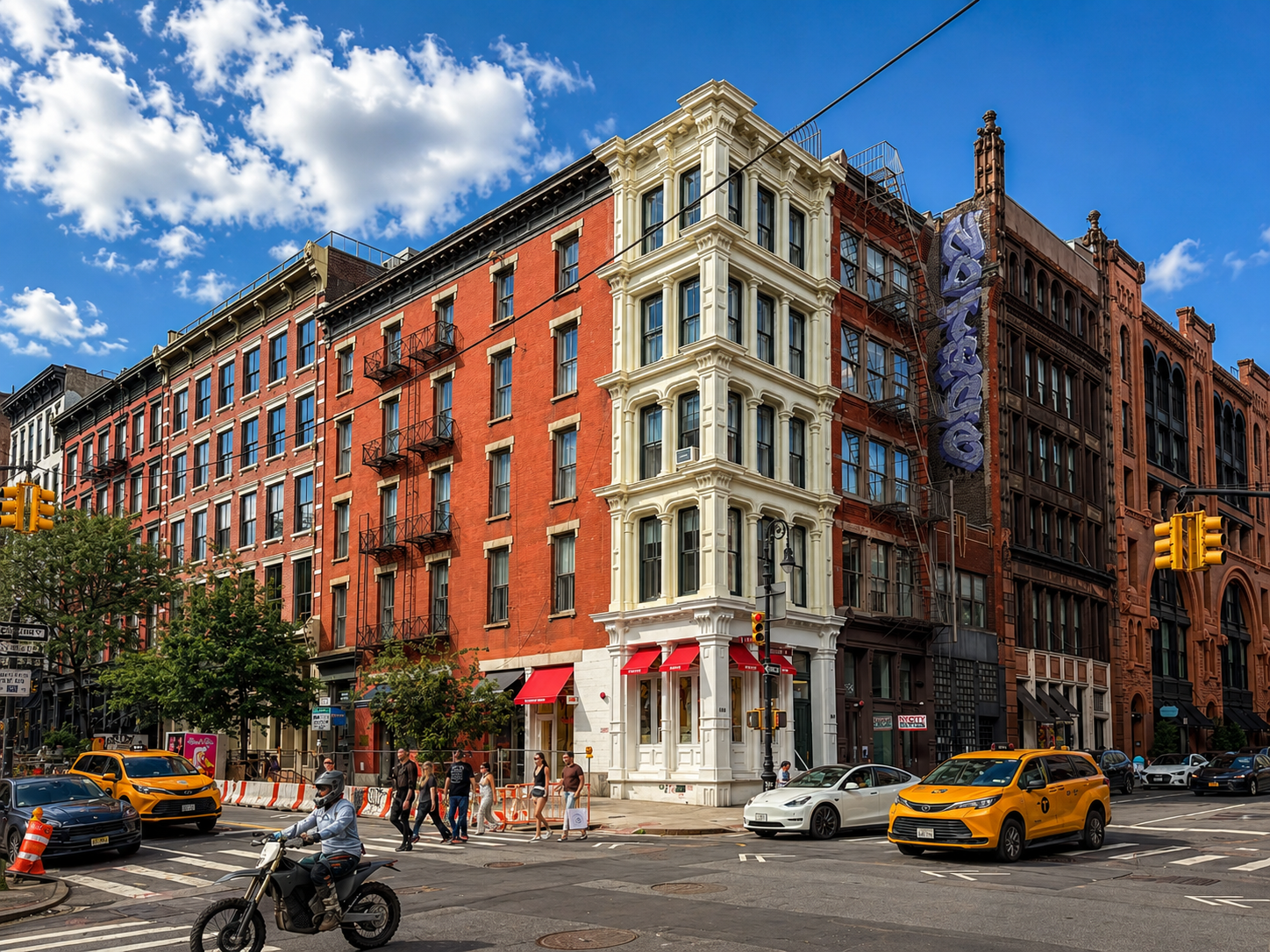
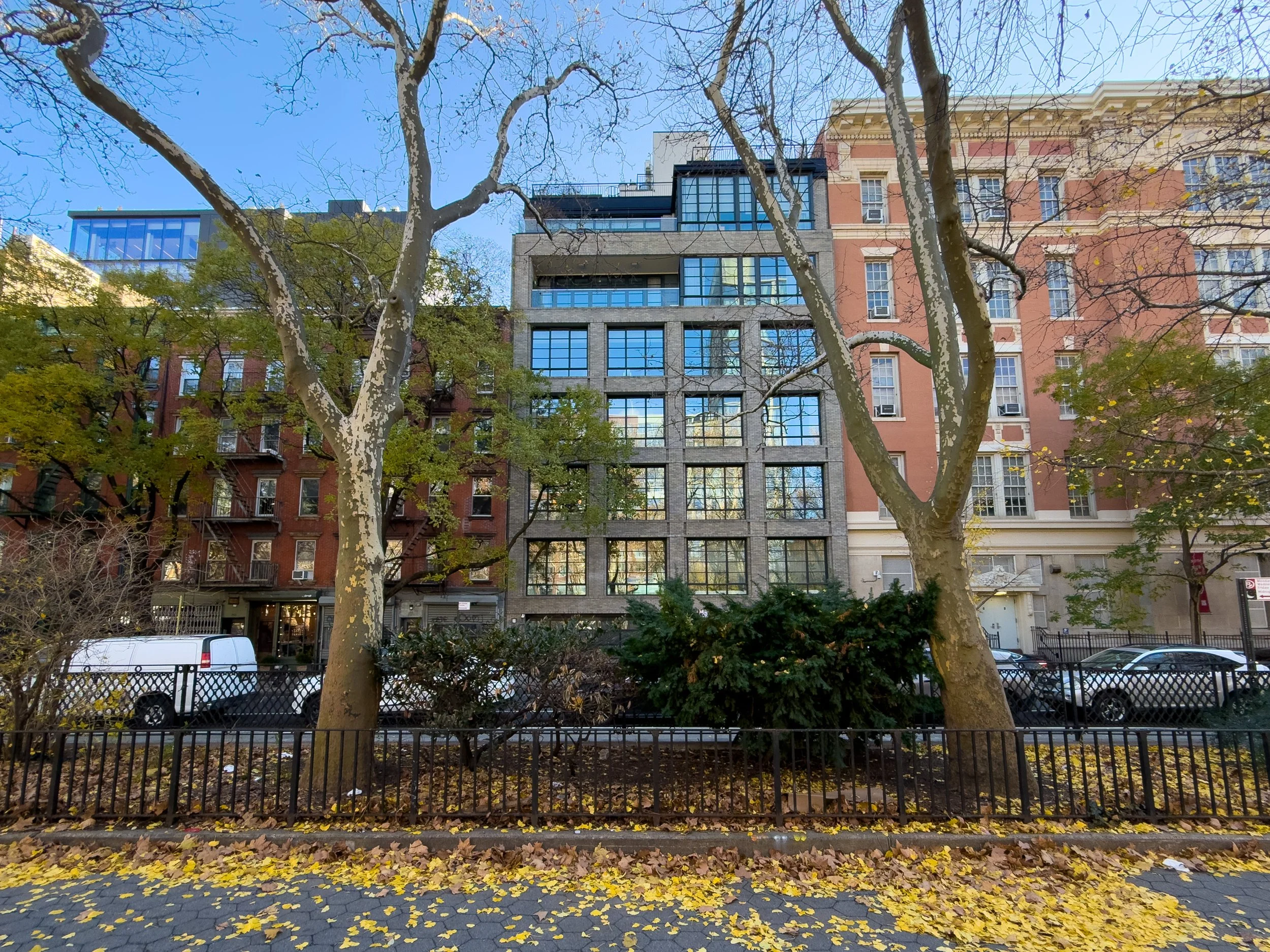
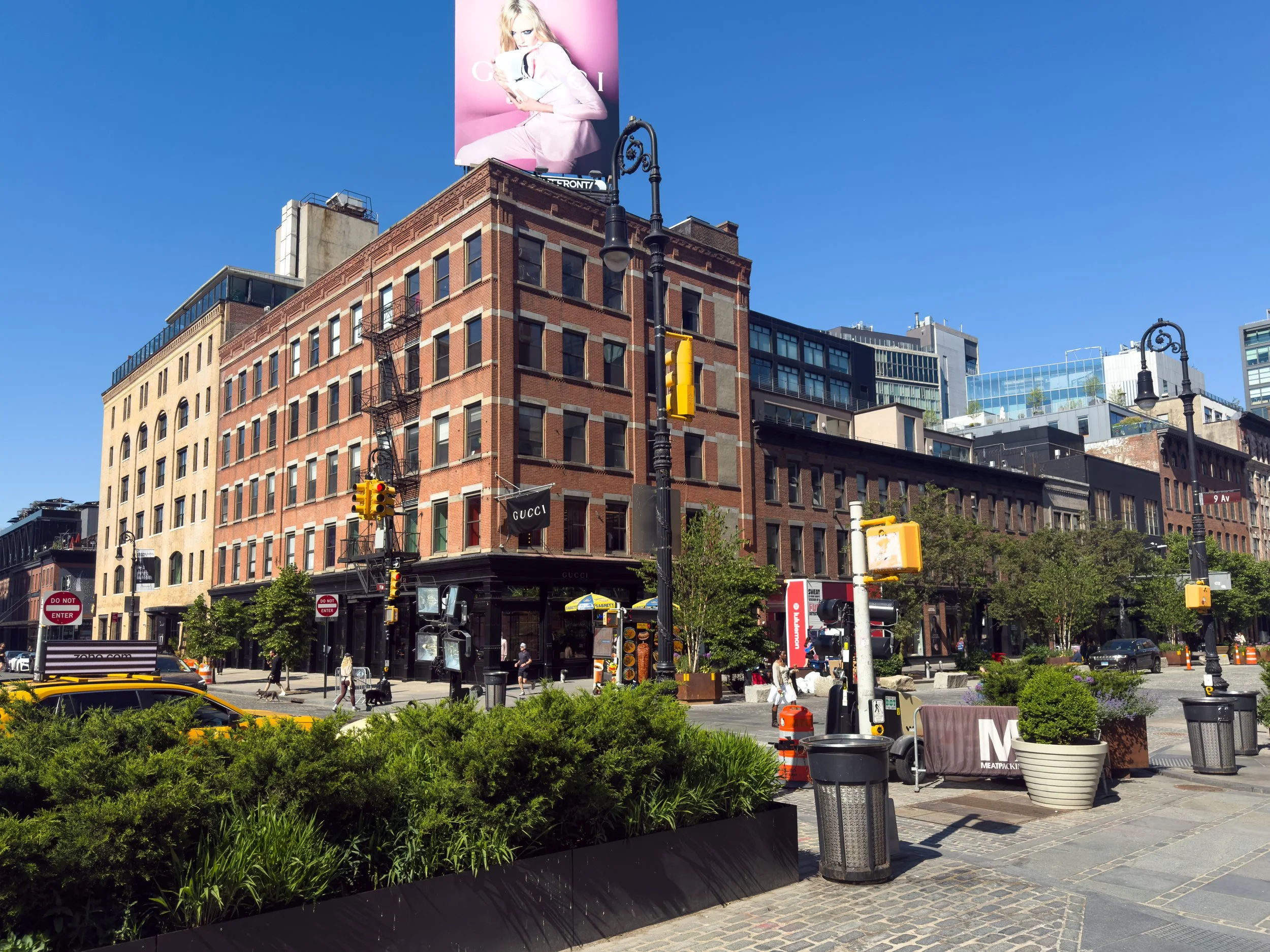
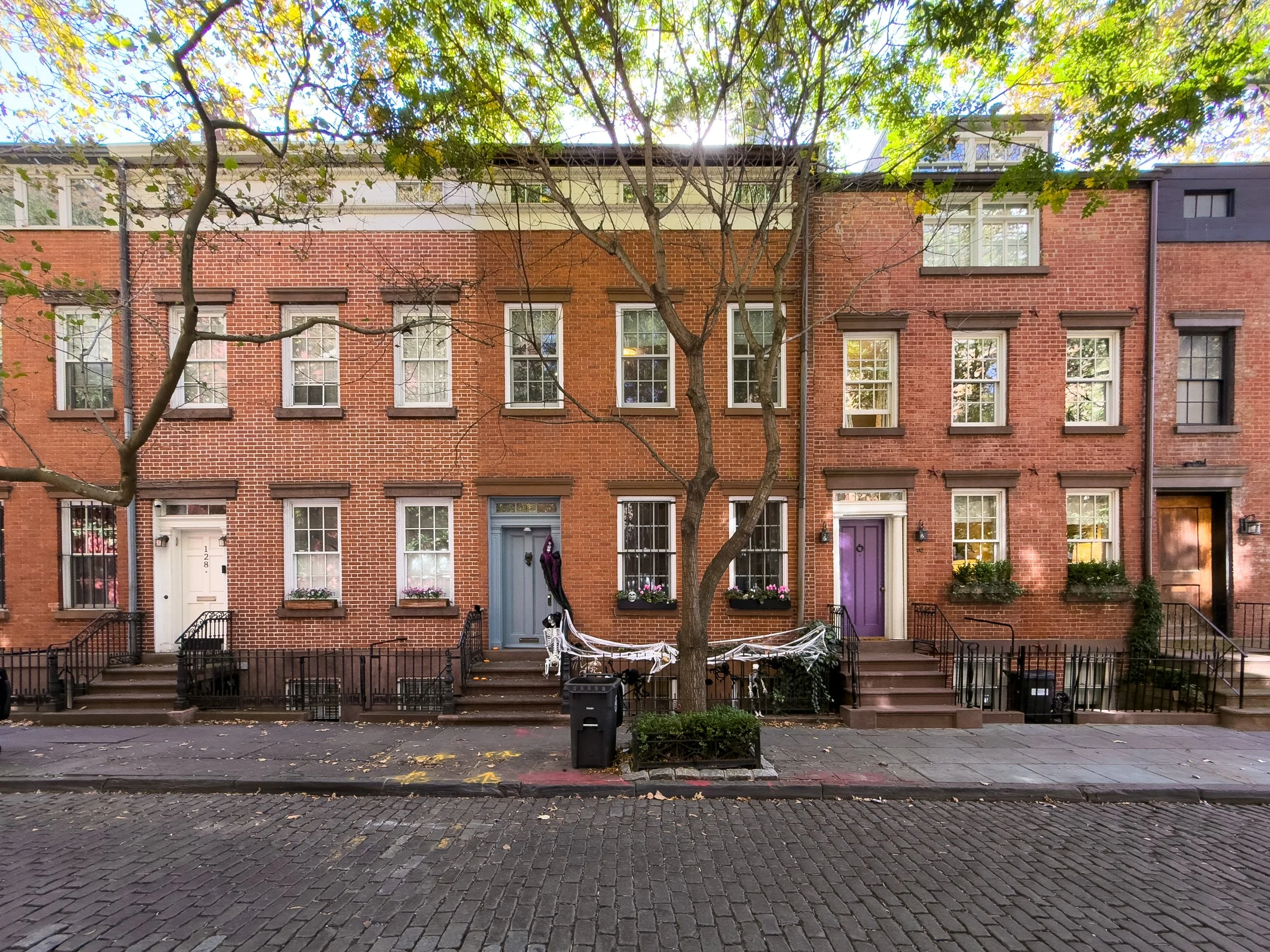
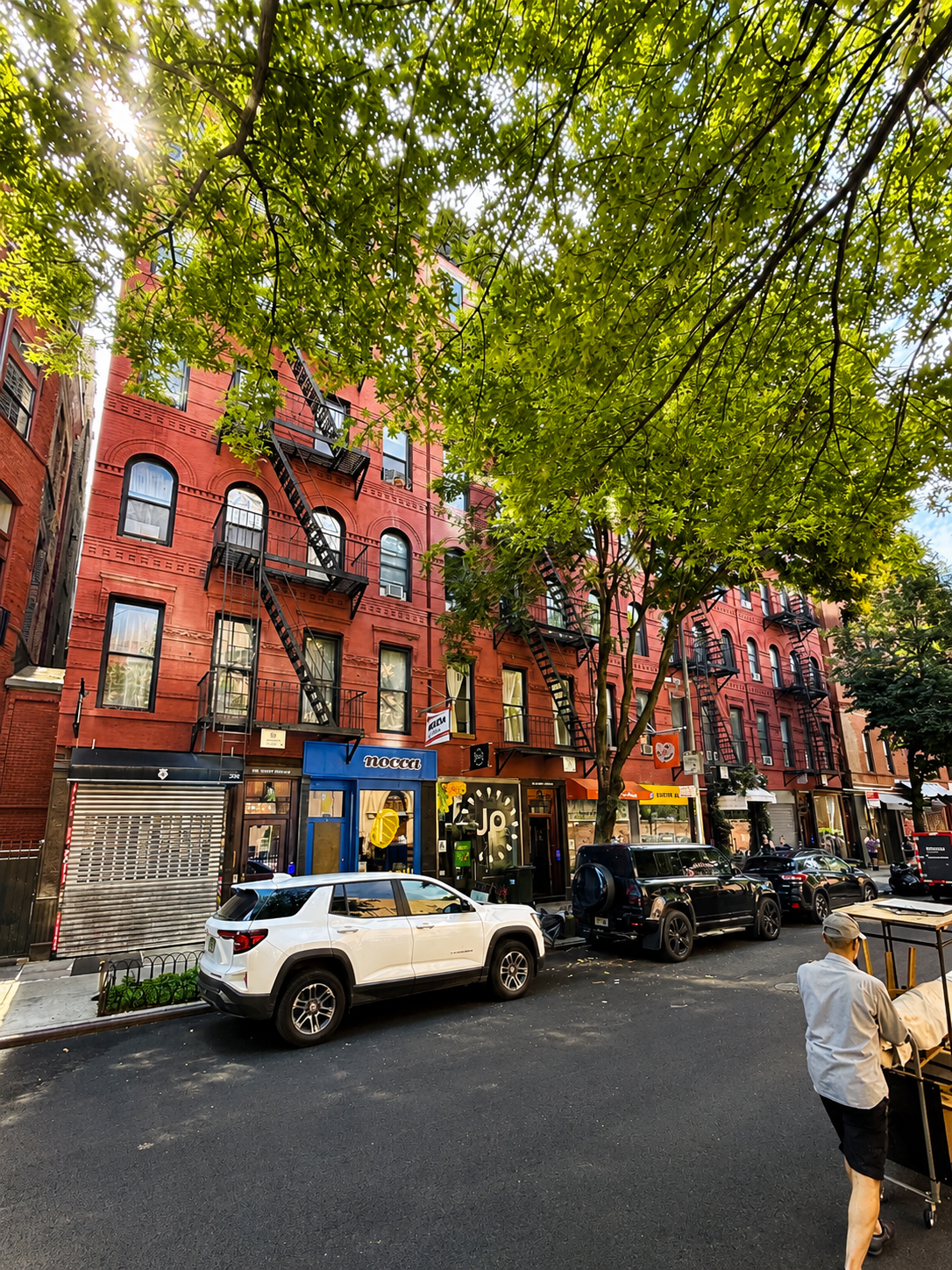
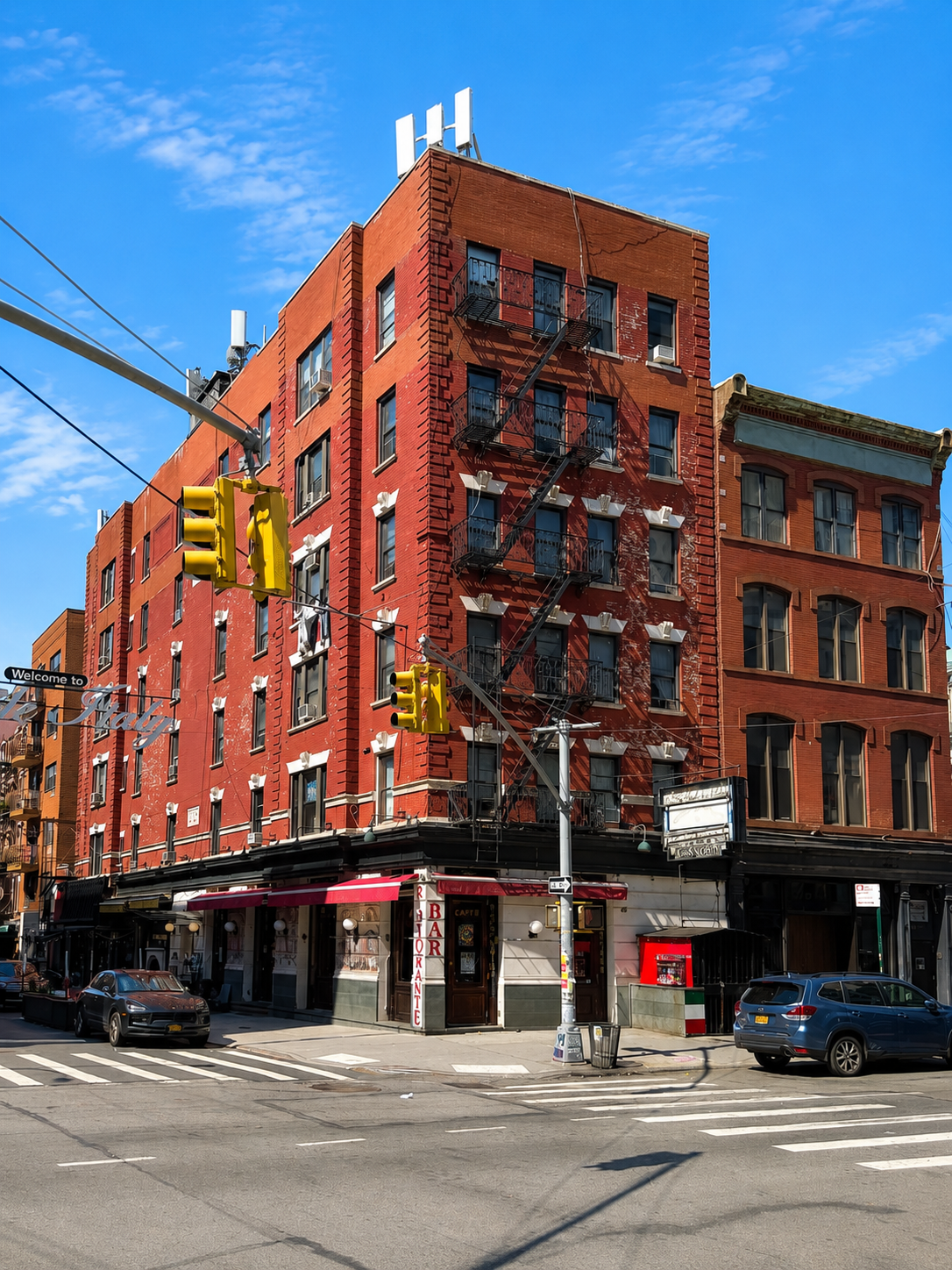
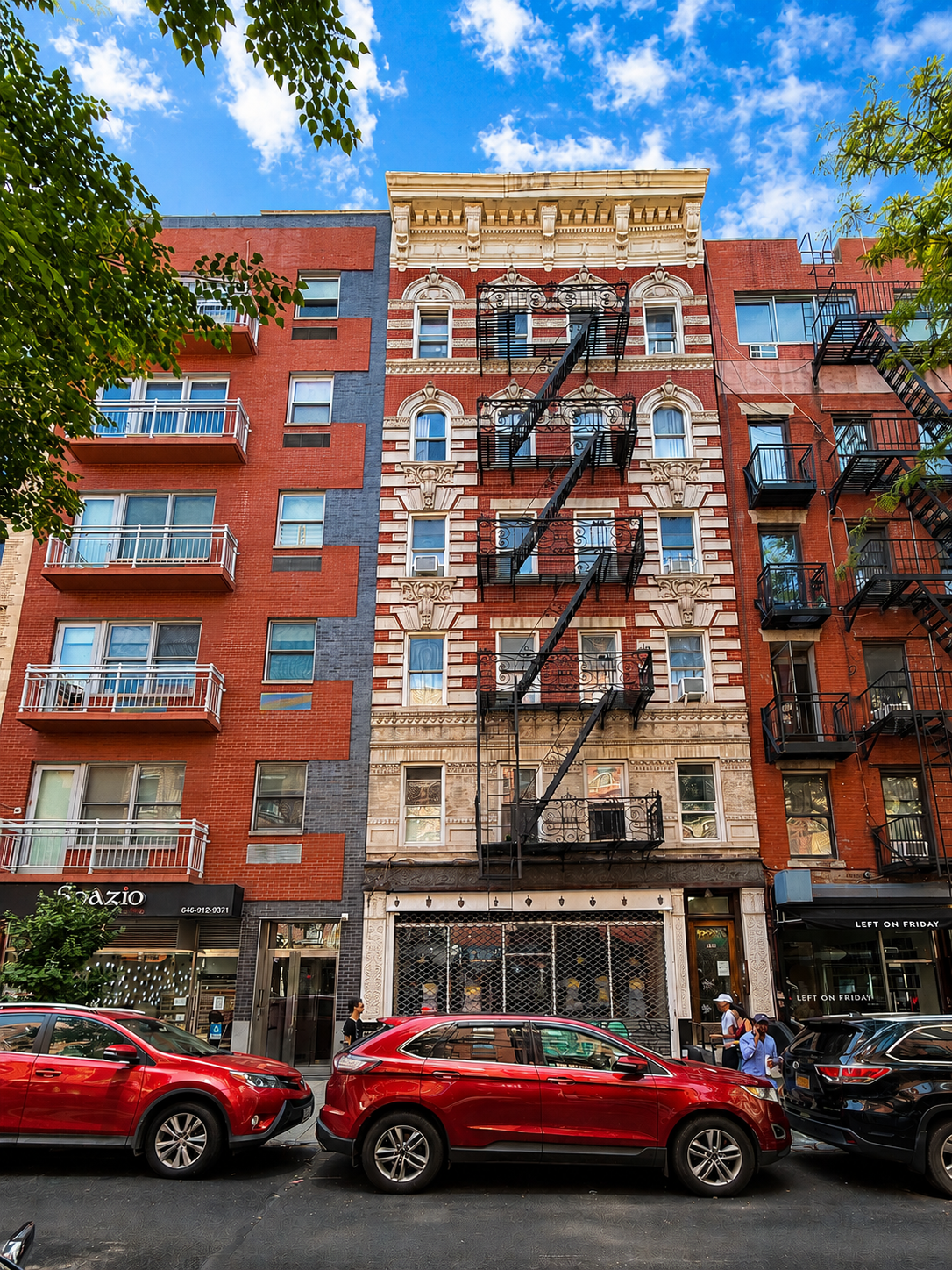
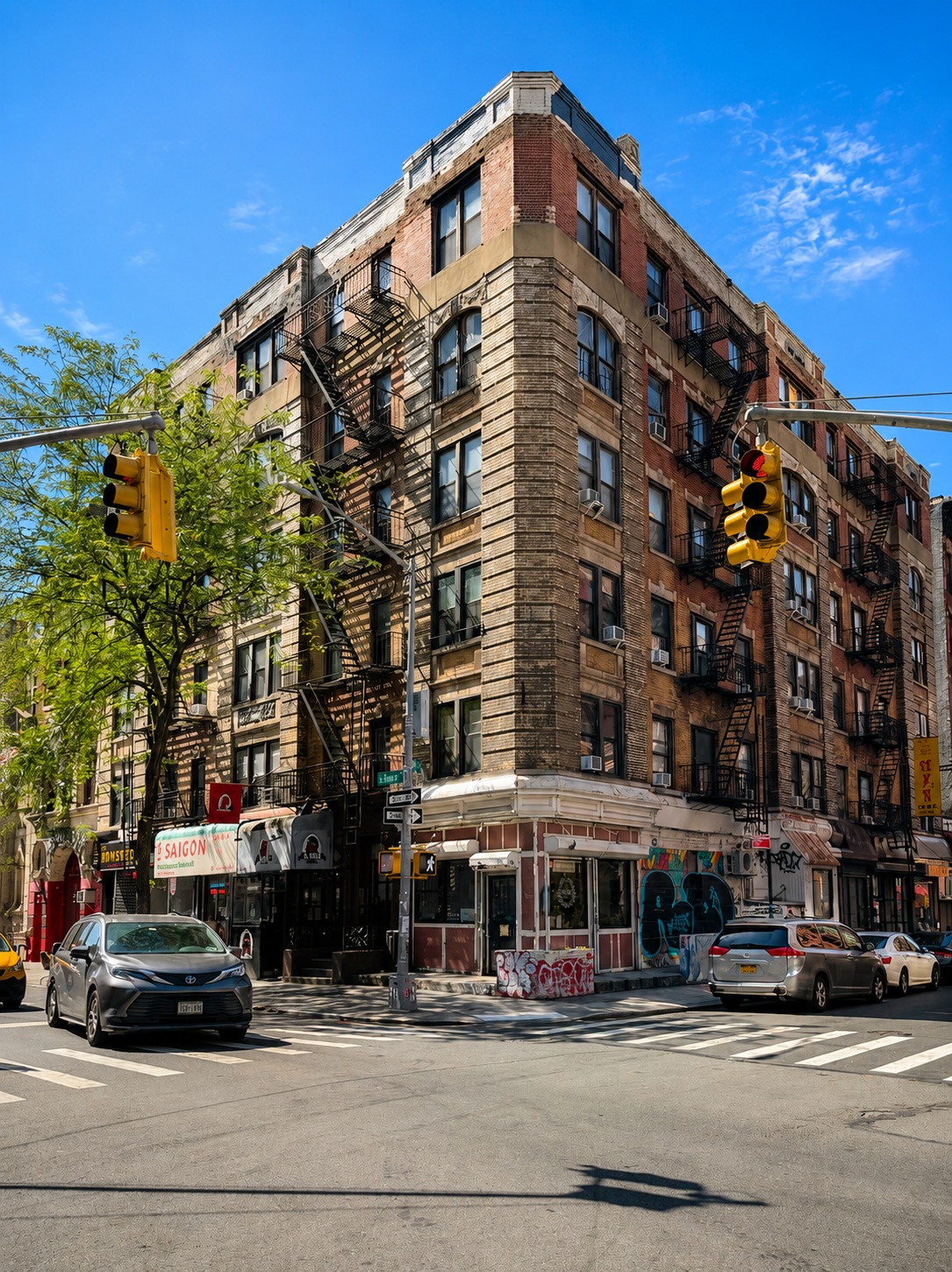
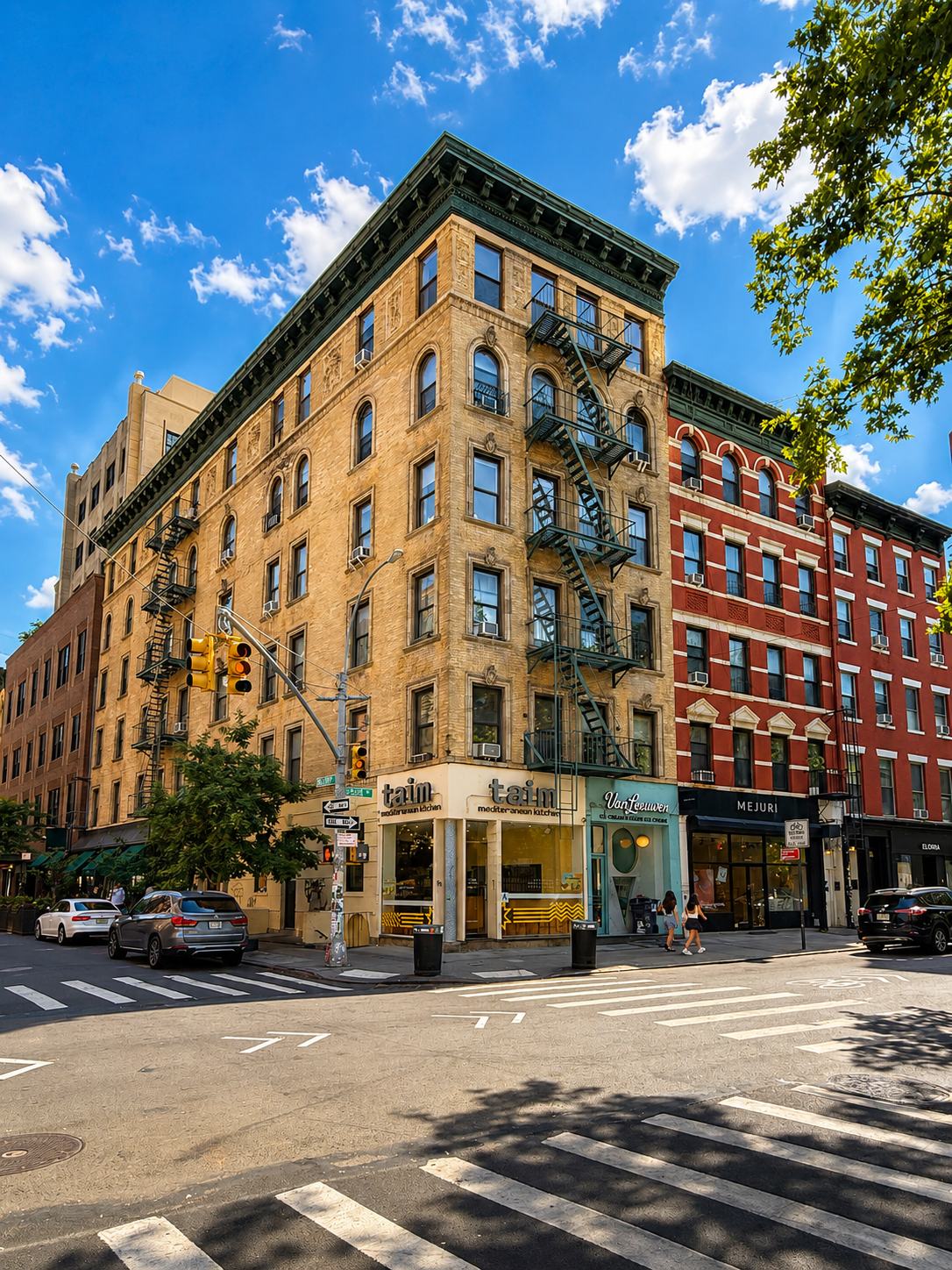
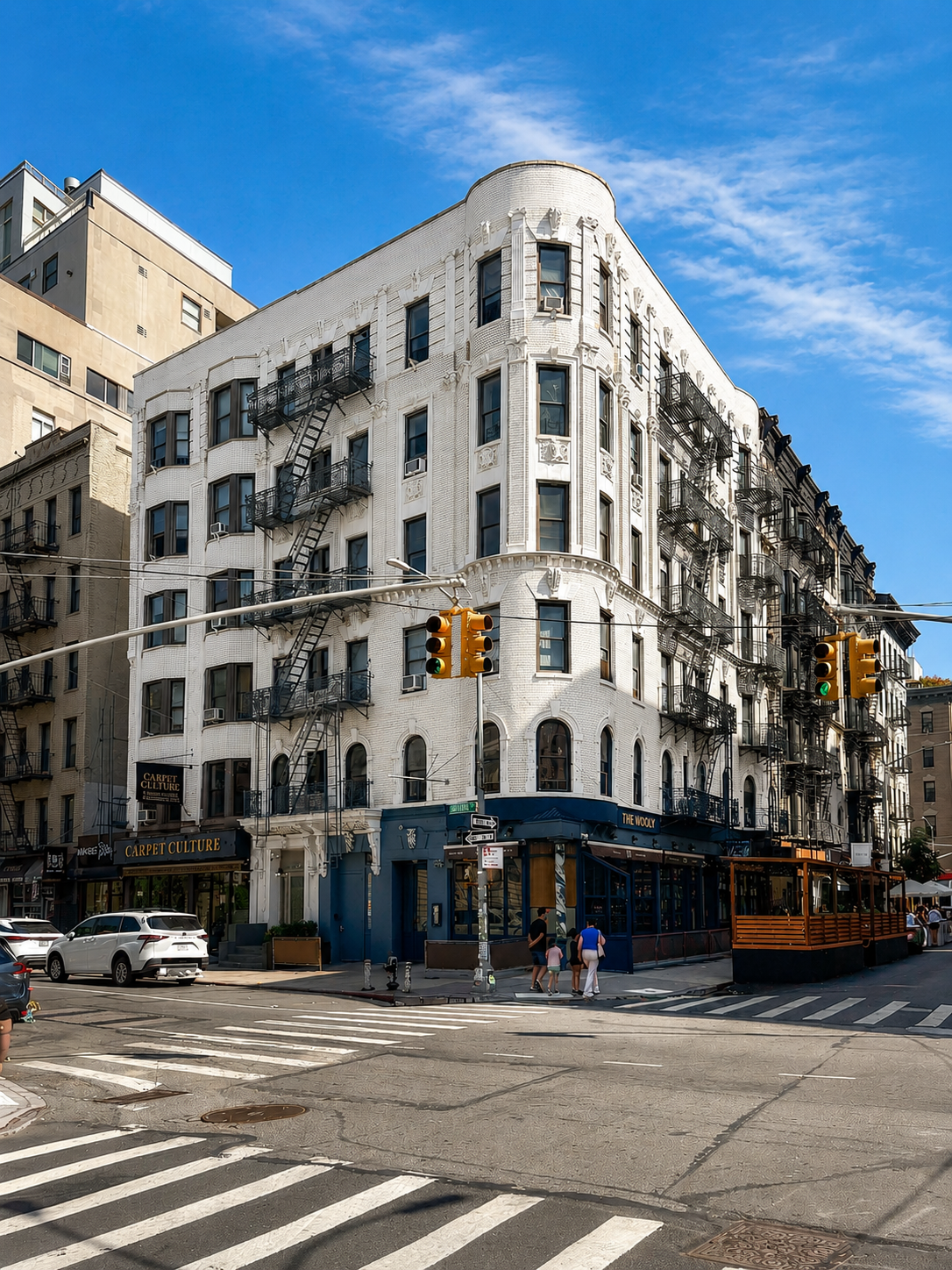
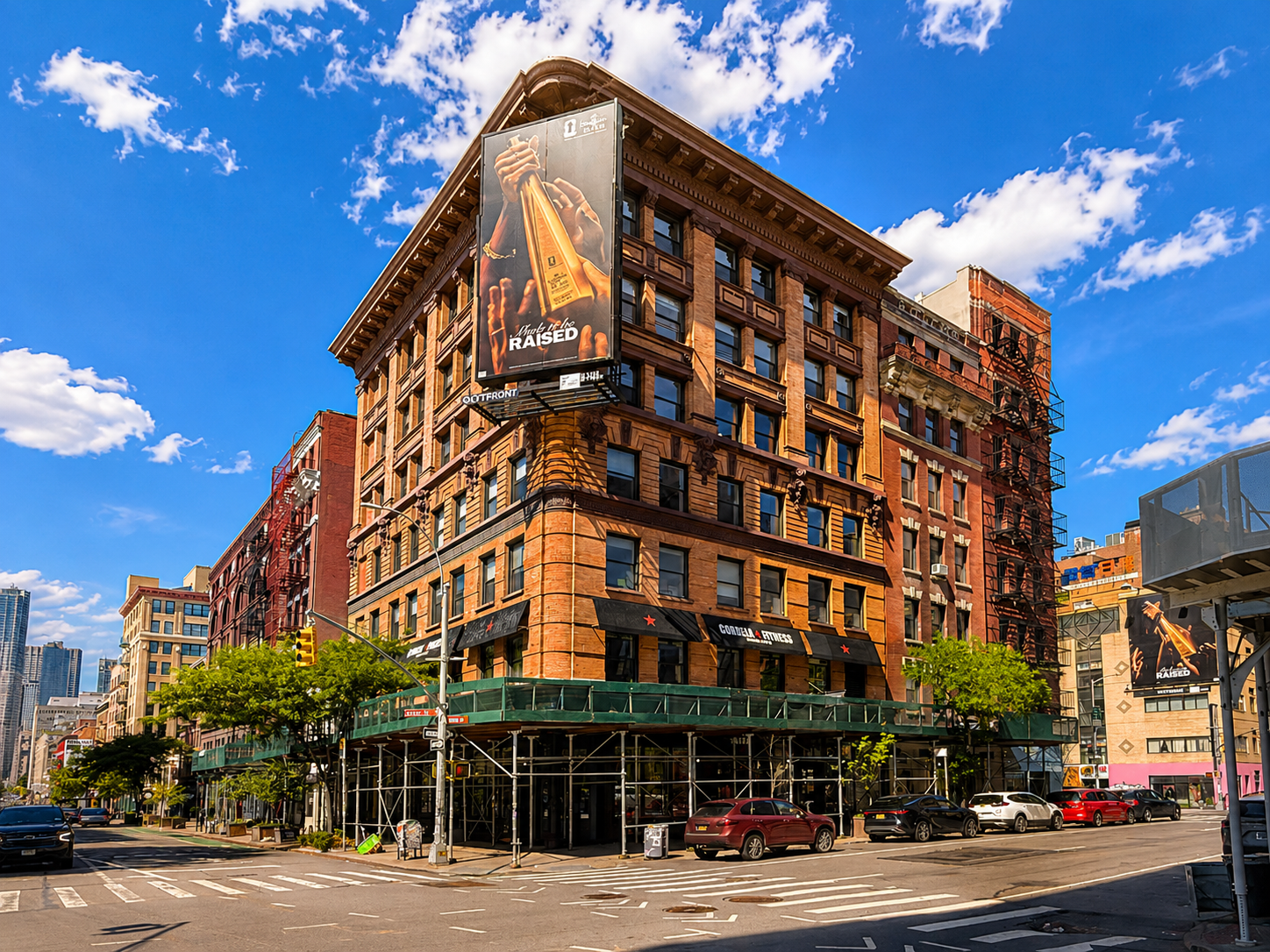
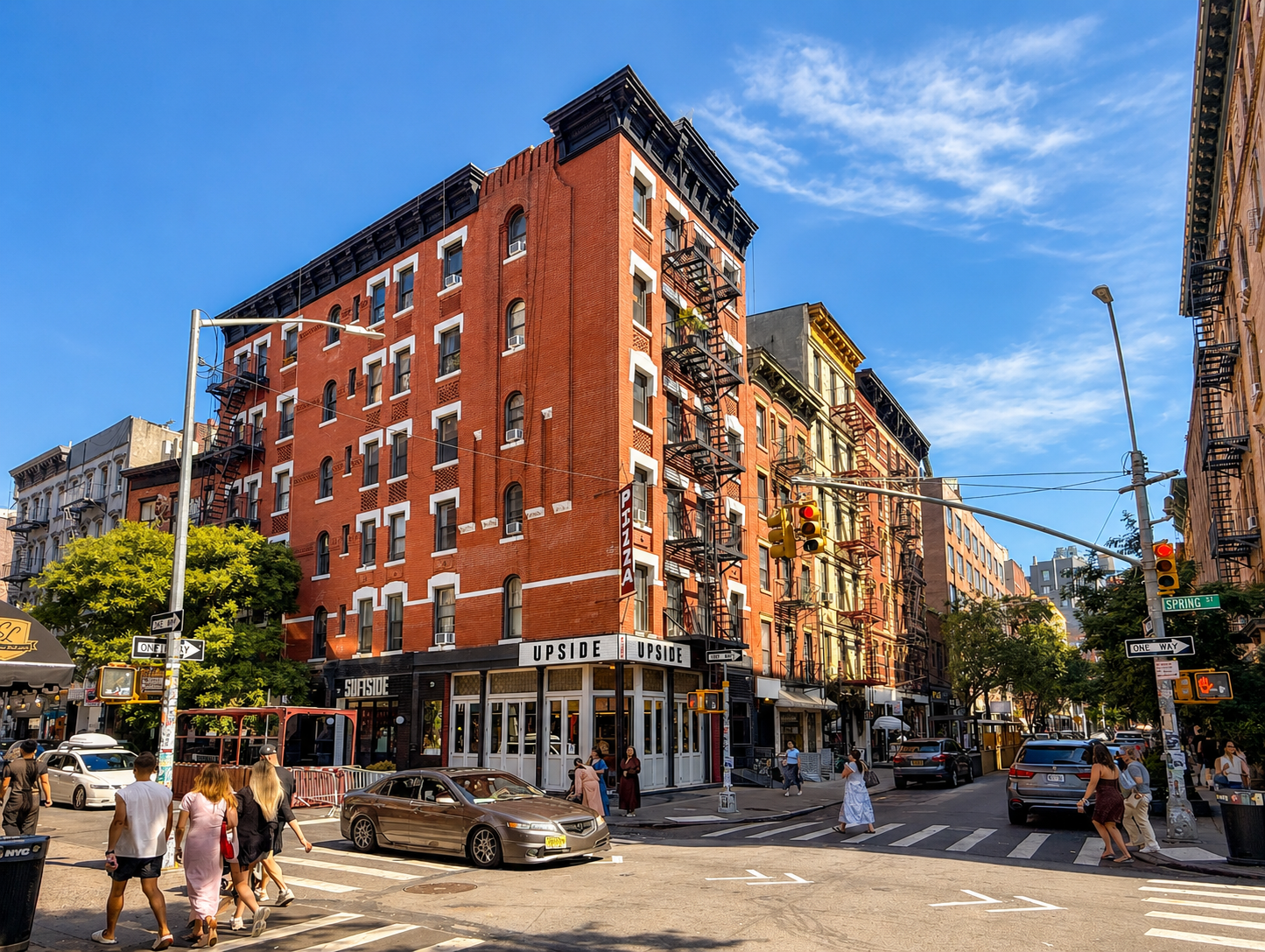
Nolita's low-rise streetscape, historic walk-up buildings, and active neighborhood storefronts reflect the walkable residential character that distinguishes one of Lower Manhattan's smallest neighborhoods.
Nolita
1. Neighborhood: Historic low-rise neighborhood defined by walk-up buildings, boutique shopping, neighborhood cafés, and one of Manhattan's most walkable residential environments.
2. Conveniences: Independent cafés, neighborhood services, Elizabeth Street Garden, nearby parks, and seamless access to SoHo, NoHo, Greenwich Village, the Lower East Side, and Little Italy.
3. Transit: Nearby (B), (D), (F), (M), (6), (J), (Z), (R), and (W) trains; extensive Citi Bike network; exceptional walkability.
4. Real Estate: Historic walk-up buildings, boutique condominiums, converted loft residences, and limited mixed-use inventory within one of Manhattan's most supply-constrained housing markets.
The Vibe at a Glance
Nolita combines a lively residential atmosphere with one of Manhattan's most walkable and human-scaled streetscapes. Low-rise historic buildings, neighborhood cafés, independent boutiques, and destination restaurants create an active environment closely integrated with daily residential life. Its central location provides seamless access to SoHo, NoHo, Greenwich Village, the Lower East Side, and Little Italy while maintaining a distinct identity of its own. Limited housing inventory and enduring buyer demand continue to make Nolita one of Lower Manhattan's most desirable residential neighborhoods. Thinking of buying or selling in Nolita? Get tailored insights into the local market—let’s start the conversation.
Nolita, Manhattan 10013
Neighborhood
North to South: East Houston St. to Broome St.
East to West: Lafayette St. to Bowery
Nearby Neighborhoods: SoHo, East Village, Lower East Side, Little Italy, NoHo, Greenwich Village
MTA SUBWAY
(B) (D) (F) (M) (N) (Q) (R) (W) (J) (Z) (4) (6)
Local Commute Times
Financial District: 17m train, 15m car
Union Square: 14m train, 15m car
Grand Central: 19m train, 23m car
Williamsburg, Brooklyn: 25m train, 20m car
Nolita
Nolita occupies one of Manhattan's smallest neighborhoods, tucked between SoHo, NoHo, the Lower East Side, and Little Italy. Defined by low-rise nineteenth-century buildings, classic walk-up apartments, boutique condominium residences, and mixed-use buildings, the neighborhood offers an intimate residential character that sets it apart from many surrounding areas of Lower Manhattan.
Originally part of Little Italy before developing its own distinct identity, Nolita has evolved into one of Manhattan's most sought-after neighborhoods while preserving the human scale and architectural character that continue to distinguish it today. Narrow streets, restored nineteenth-century buildings, neighborhood cafés, and independent boutiques create a streetscape that feels remarkably cohesive despite sitting within one of New York City's busiest urban corridors.
Although the neighborhood attracts visitors for its restaurants and shopping, daily life remains centered on a relatively small community supported by local businesses, neighborhood services, and exceptional walkability. Its central location allows residents to move seamlessly between SoHo, NoHo, Greenwich Village, the Lower East Side, East Village, and Little Italy, creating a highly connected urban lifestyle.
Rather than being shaped by large-scale development, Nolita's appeal stems from its intimate scale, limited housing supply, and enduring neighborhood identity. The combination of historic streetscapes, low-rise residential buildings, and exceptional walkability continues to support one of Lower Manhattan's most desirable residential markets.
Vibe and Atmosphere
Nolita maintains a lively street atmosphere throughout much of the day, where residents, shoppers, office workers, and visitors move continuously through one of Lower Manhattan's most walkable neighborhoods. Sidewalk cafés, boutique storefronts, neighborhood restaurants, and independent businesses line many of the area's narrow streets, creating an active pedestrian environment that feels energetic without the larger commercial scale associated with neighboring SoHo.
Many of the neighborhood's best-known streets, including Elizabeth Street, Mulberry Street, Mott Street, and portions of Prince and Kenmare Streets, blend residential buildings with a dense collection of cafés, boutiques, galleries, and restaurants. Daily life unfolds at street level, where outdoor dining, local businesses, and neighborhood residents naturally share the same public spaces.
Nolita's identity remains closely connected to independent fashion, design, and locally oriented retail. Rather than the flagship stores that characterize portions of neighboring SoHo, the neighborhood is known for carefully curated boutiques, locally owned businesses, and storefronts that reinforce its distinctive commercial character.
Despite its compact footprint, Nolita occupies a central position within Lower Manhattan. Its streets connect naturally with neighboring SoHo and NoHo, while the Lower East Side, East Village, and Greenwich Village are all within a short walk, each offering its own distinct character. This exceptional walkability allows residents to enjoy the amenities of several surrounding neighborhoods while maintaining Nolita's own recognizable identity.
Amenities and Conveniences
Daily life in Nolita is supported by a well-established mix of neighborhood services within one of Manhattan's most walkable areas. Fitness studios, wellness services, pharmacies, specialty food shops, and everyday retail are easily accessible throughout the neighborhood, while additional daily services are available within a short walk in the surrounding areas.
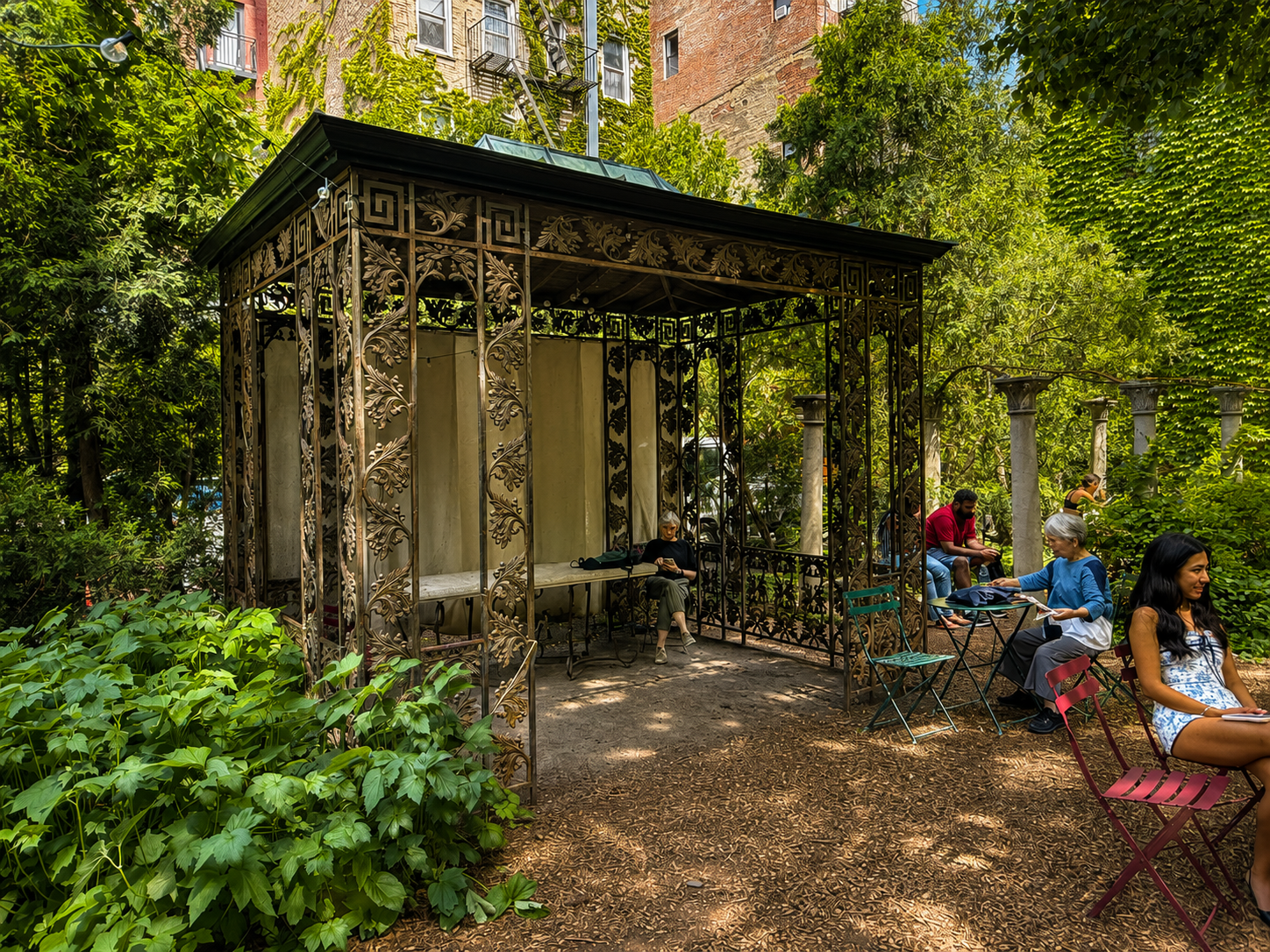
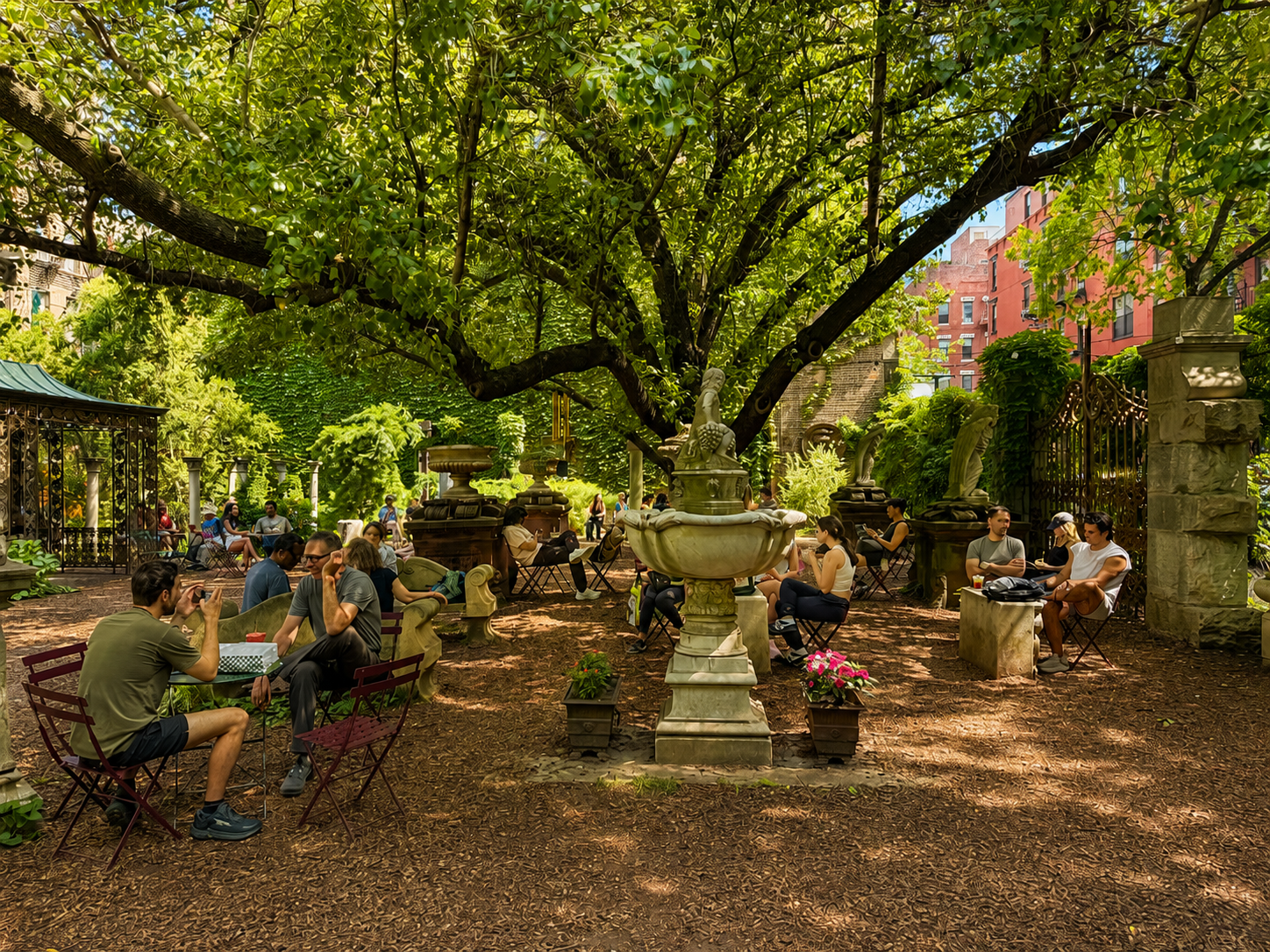
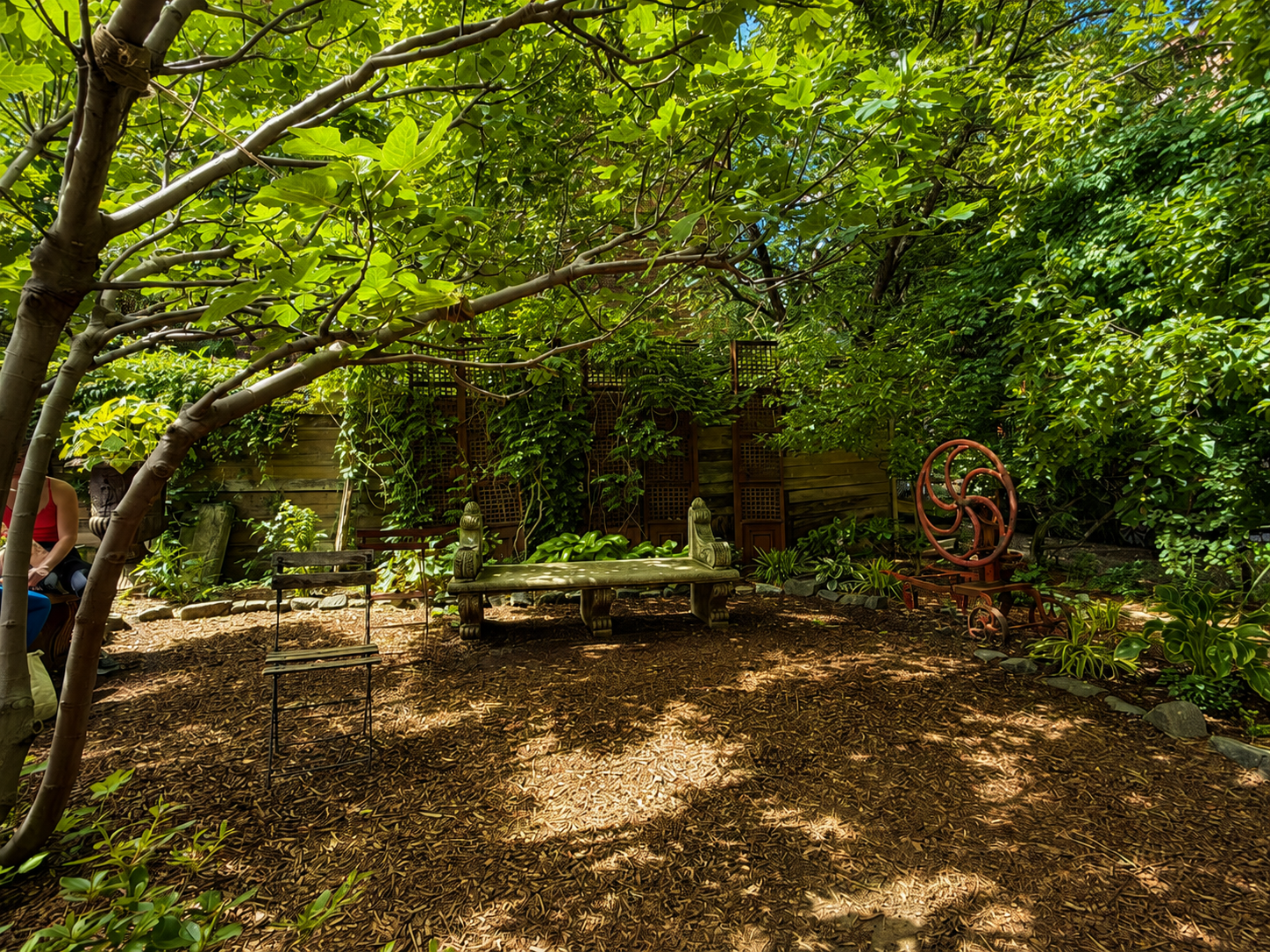
Public open space is relatively limited inside Nolita itself, though residents enjoy convenient access to nearby destinations including Elizabeth Street Garden, Petrosino Square, Sara D. Roosevelt Park, and the larger public spaces of Washington Square Park to the northwest.
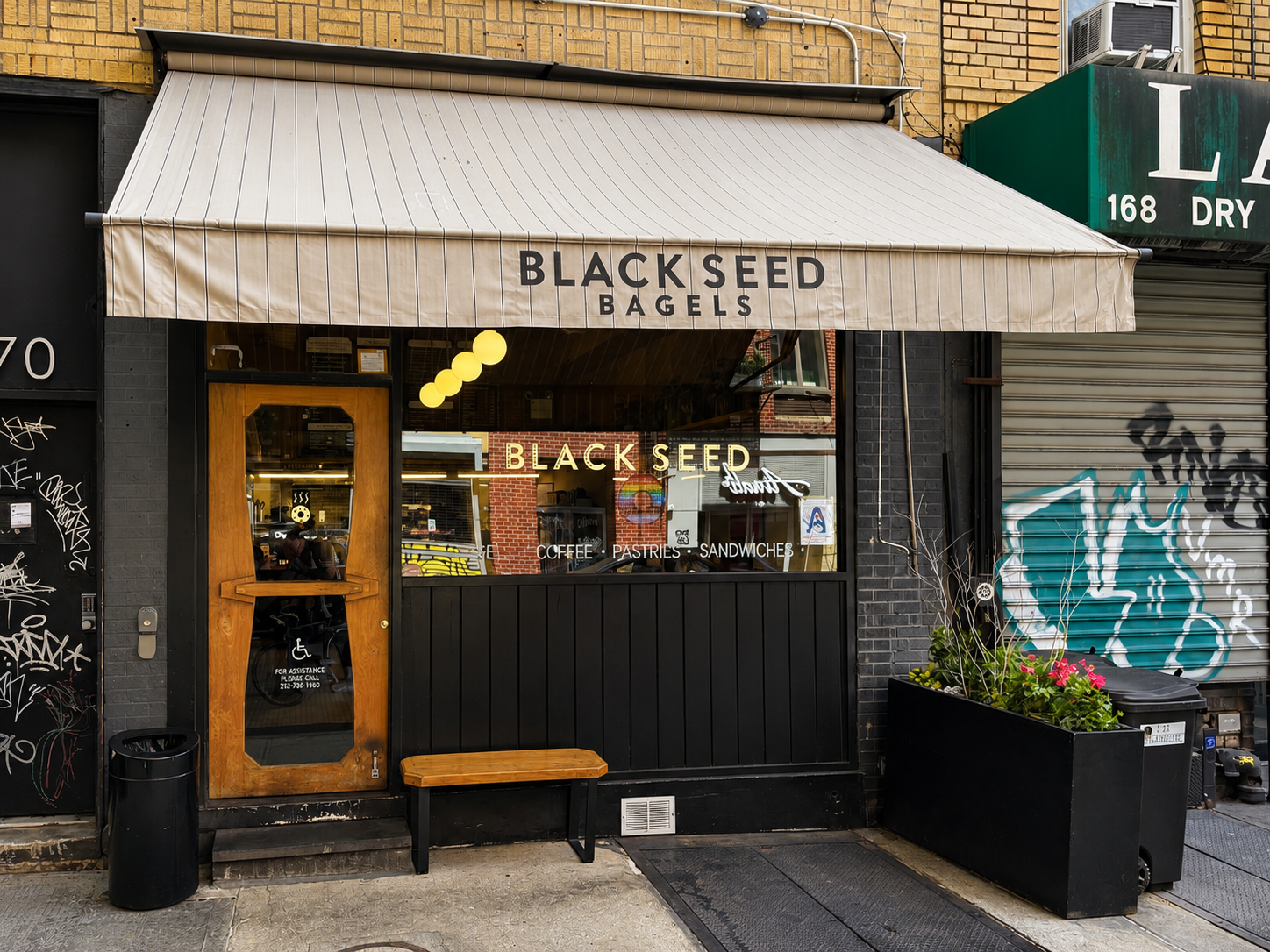
Coffee culture plays an important role in the neighborhood's daily rhythm. Local favorites including ENLY, Brewlita, Pura Vida Nolita, Café Integral, Urban Backyard, and Arabica provide gathering places for residents throughout the day, while nearby bakeries and cafés further reinforce Nolita's pedestrian-oriented lifestyle.
Because of Nolita's compact size, many everyday errands naturally extend into neighboring areas. Residents frequently rely on nearby services throughout SoHo, NoHo, Greenwich Village, the Lower East Side, and Little Italy, creating a residential experience where daily routines move freely between Nolita and its neighbors.
Dining And Shopping
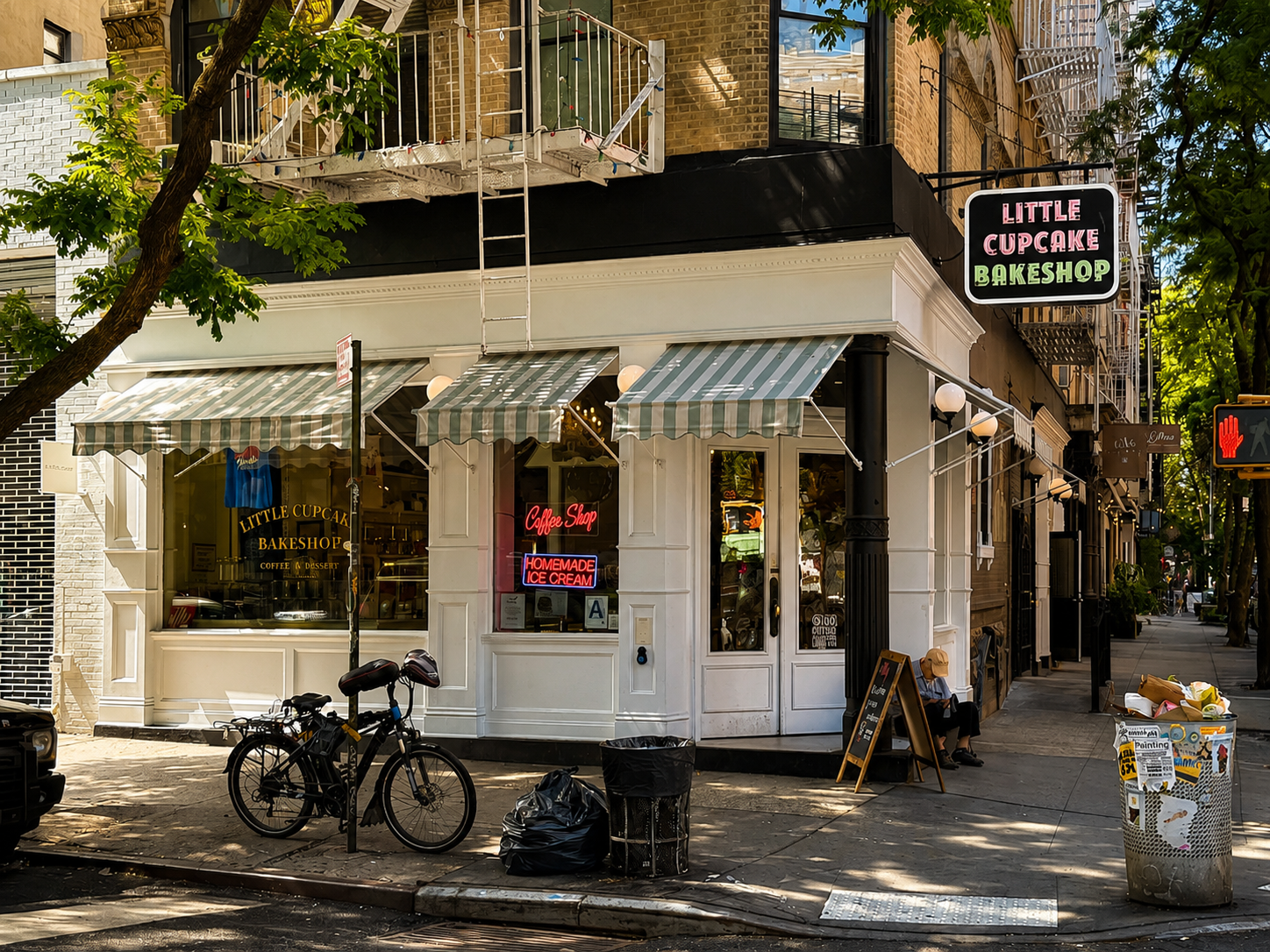
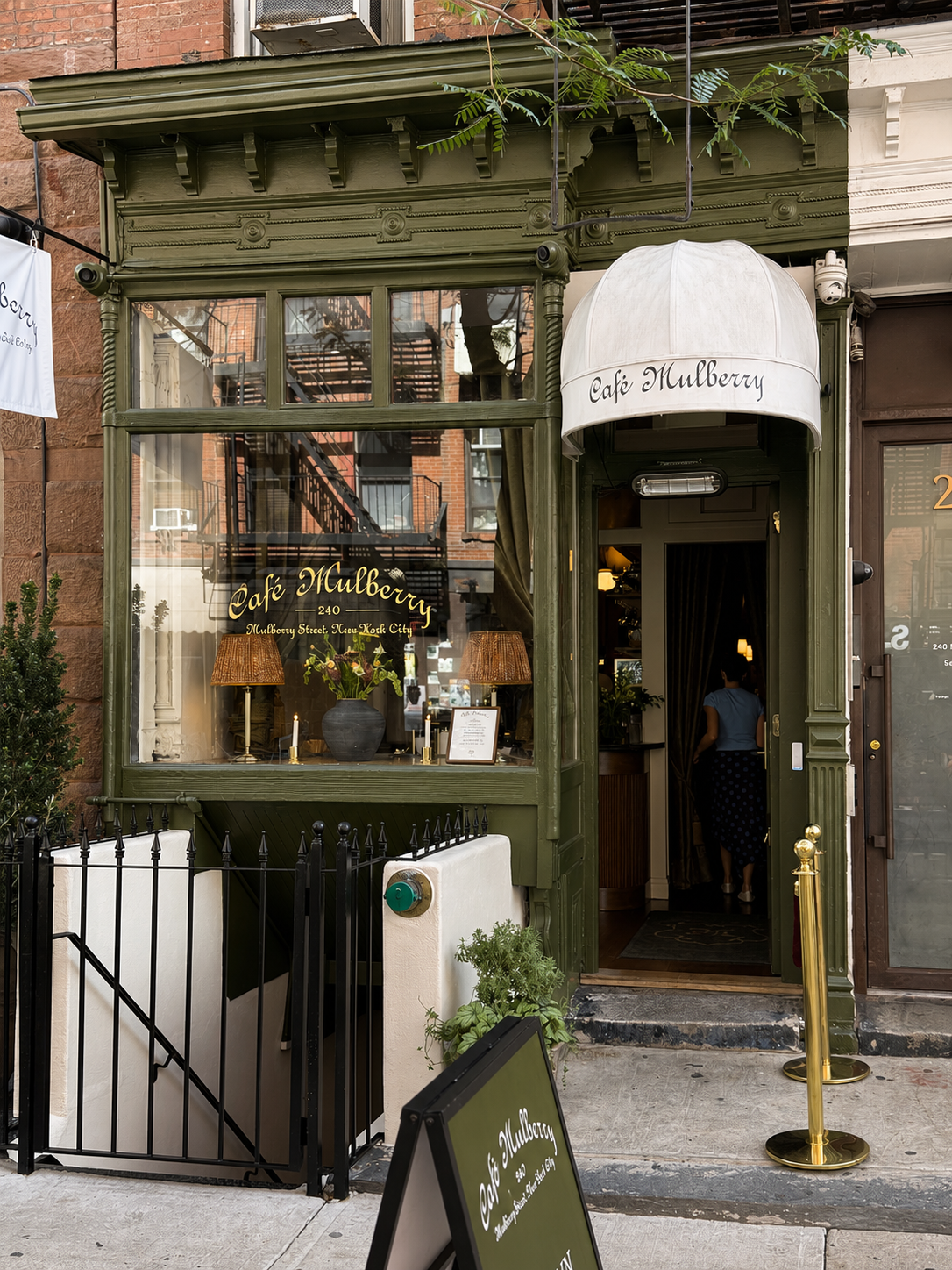
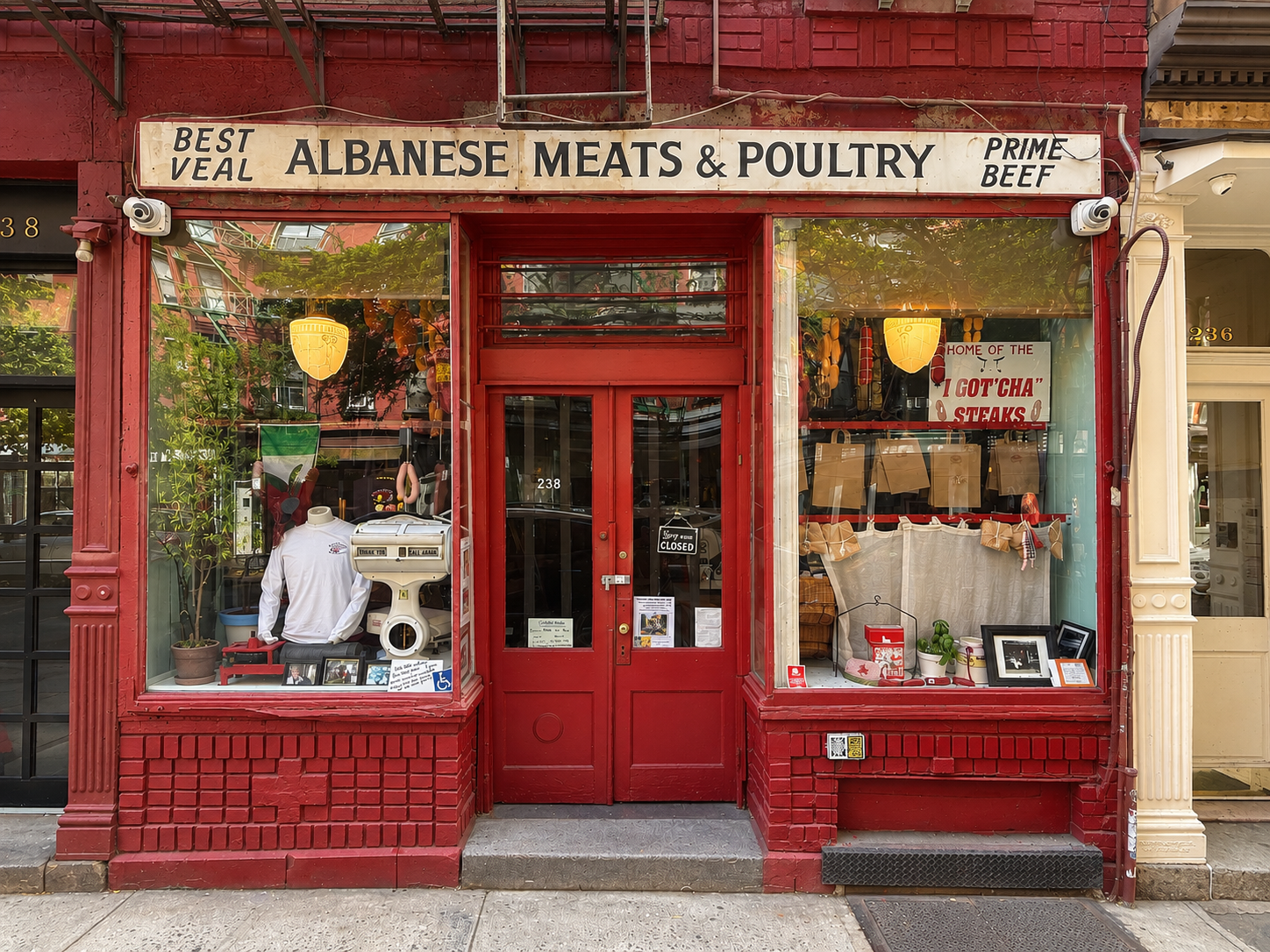
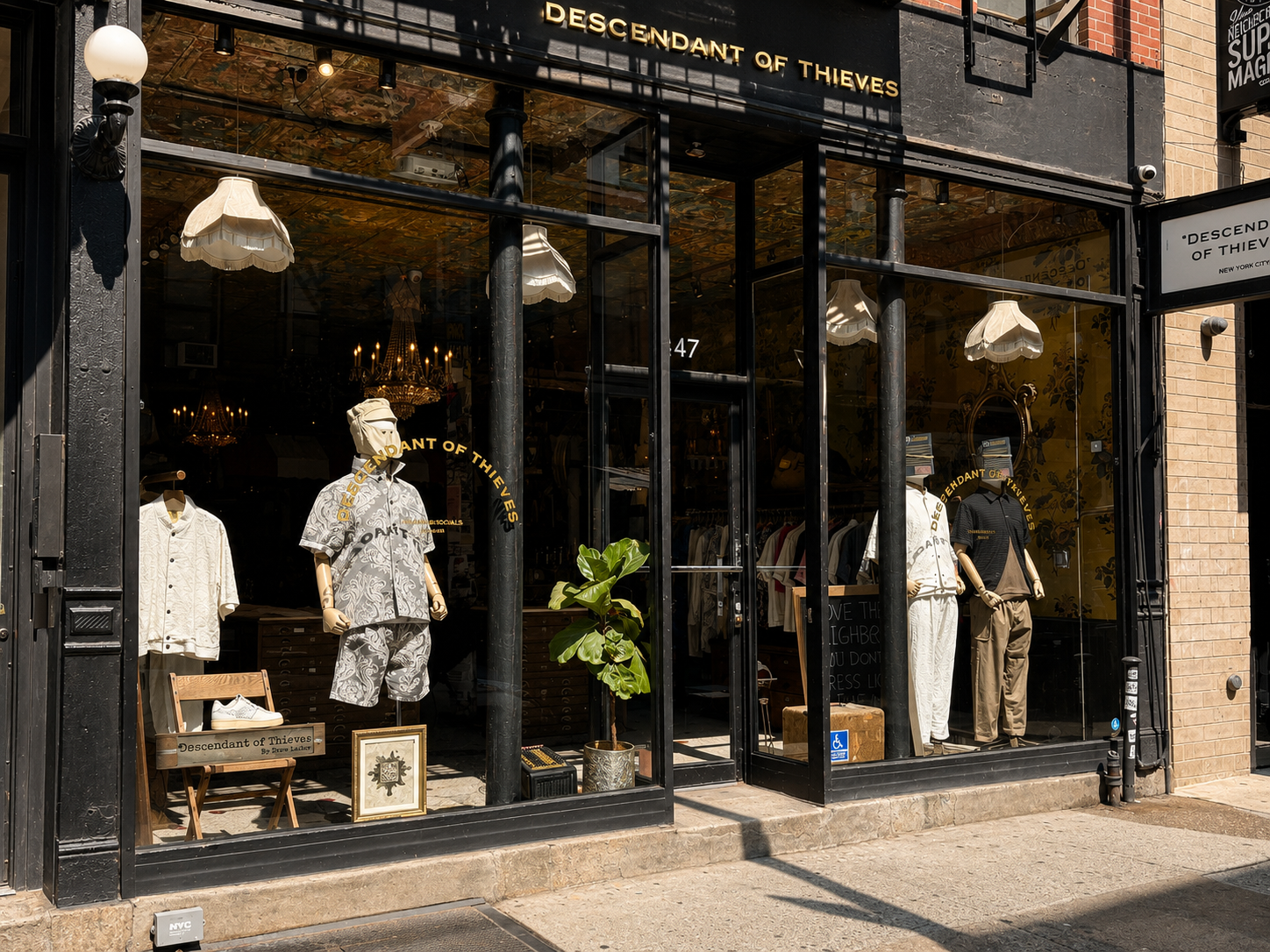
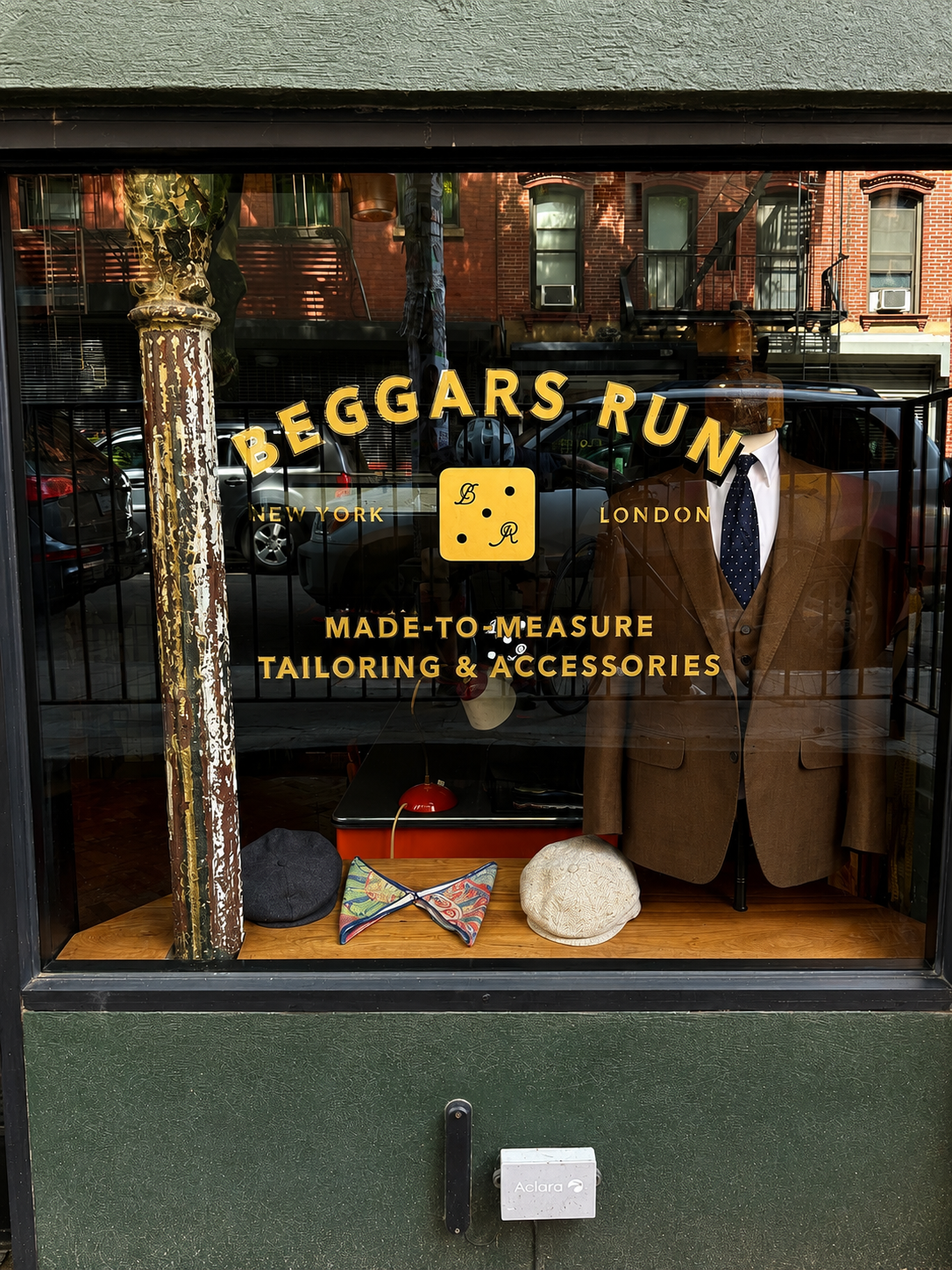
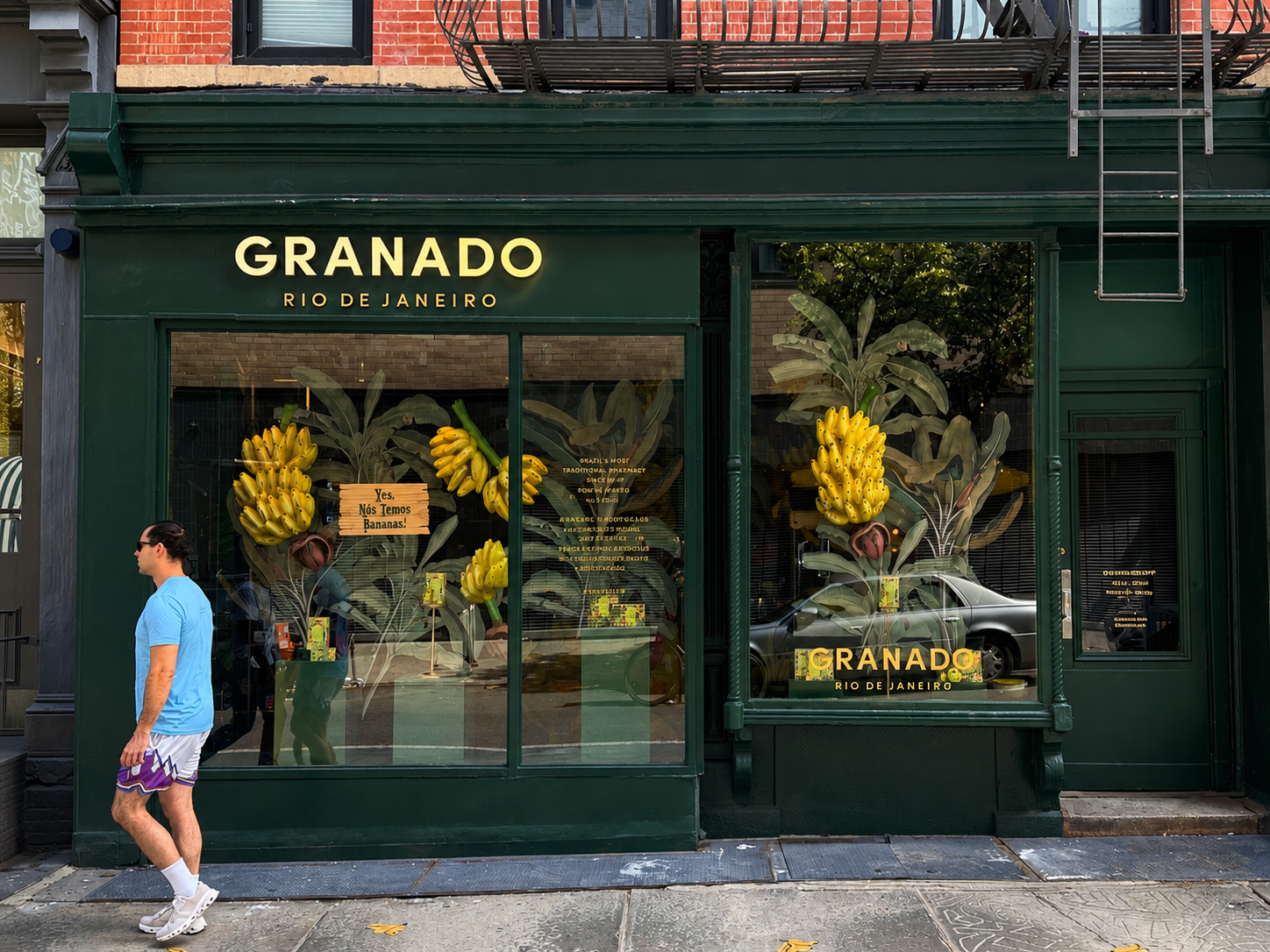
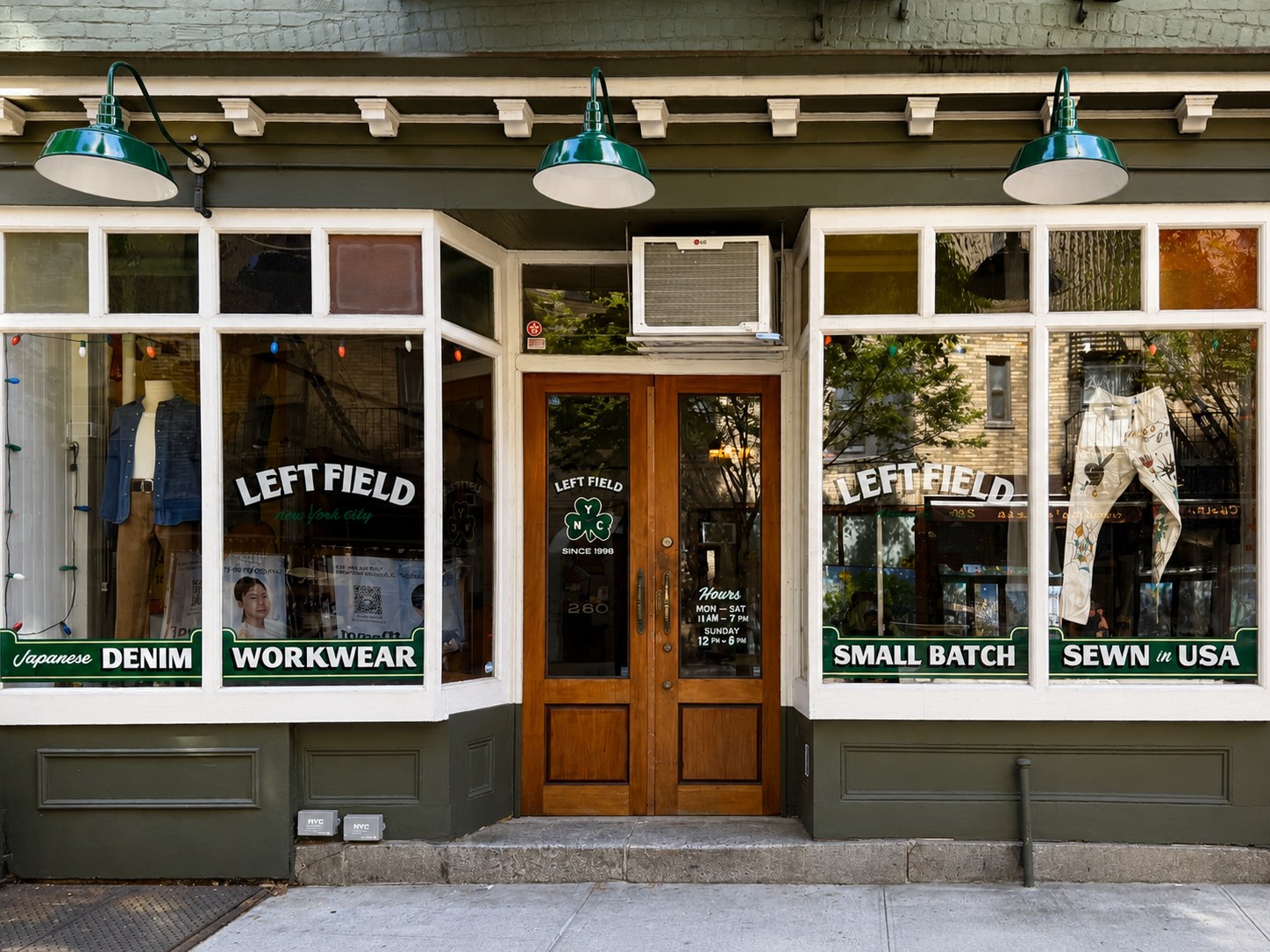
Dining and shopping are central to Nolita's neighborhood identity, though they unfold within a compact streetscape where restaurants, cafés, boutiques, and neighborhood businesses are woven naturally into daily residential life. Many of the neighborhood's most popular establishments are located alongside residential buildings, creating a commercial environment that feels closely integrated with daily neighborhood life.
The neighborhood's restaurant scene combines longstanding favorites with highly regarded contemporary dining. Establishments such as Emilio's Ballato, Rubirosa, The Musket Room, Wayan, Peasant, Café Gitane, Lovely Day, and Torrisi have helped establish Nolita as one of Lower Manhattan's most respected dining destinations while maintaining an atmosphere that remains approachable and neighborhood-oriented.
Shopping reflects a similar emphasis on independent businesses and carefully curated retail. Fashion boutiques, specialty retailers, home goods shops, bookstores, beauty concepts, and designer studios contribute to the area's distinctive commercial identity. The neighborhood's close relationship with nearby SoHo further expands shopping opportunities while allowing Nolita to maintain its own recognizable retail character.
Walking remains one of the defining experiences of the neighborhood, where restaurants, cafés, boutiques, and residential buildings occupy many of the same streets. The result is a neighborhood where shopping, dining, and residential life exist in close balance, reinforcing Nolita's identity as a place to live as much as a place to visit.
Transportation
Nolita benefits from exceptional transit access despite its compact size. Nearby stations include the (B), (D), (F), and (M) trains at Broadway–Lafayette Street, the (6) train at Spring Street, the (J) and (Z) trains at Bowery, and convenient access to the (R) and (W) trains at Prince Street. Additional subway connections throughout SoHo, Greenwich Village, and the Lower East Side further strengthen access across Manhattan and Brooklyn.
Given the neighborhood's compact size, walking remains the primary mode of transportation for many residents, while Citi Bike stations, frequent bus service, and readily available taxis and rideshare options make travel throughout Lower Manhattan remarkably convenient.
Schools
Families living in Nolita benefit from access to a broad range of public, charter, and private educational options throughout Lower Manhattan. Nearby neighborhoods including SoHo, Greenwich Village, NoHo, the Lower East Side, and East Village provide additional educational opportunities beyond Nolita's compact footprint.
The neighborhood also lies in close proximity to several of New York City's major colleges and universities, including New York University, Cooper Union, and The New School, reinforcing Nolita's longstanding relationship with education, design, and the arts.
Real Estate Insights
Nolita's residential market is defined by an exceptionally limited supply of housing within one of Manhattan's smallest neighborhoods. Historic walk-up buildings, boutique condominiums, converted loft residences, and mixed-use buildings collectively create a housing stock that remains both architecturally distinctive and tightly constrained.
Unlike neighboring SoHo, where expansive loft buildings dominate much of the residential inventory, Nolita is characterized by low-rise residential buildings and a consistent architectural scale. Apartments often emphasize historic character, natural light, and efficient layouts rather than the expansive floor plans traditionally associated with loft living.
Buyer demand remains consistently strong among purchasers seeking walkability, neighborhood character, and long-term ownership within Lower Manhattan. Limited inventory, strong neighborhood identity, and close proximity to several of Manhattan's most established residential neighborhoods continue to support a highly competitive market where available opportunities remain relatively scarce.
Because relatively few residential properties trade during a typical quarter, pricing and transaction volume can fluctuate meaningfully from one reporting period to the next. Rather than reflecting broad market shifts, these changes often mirror the limited number and unique characteristics of individual properties entering the market.
Final Thoughts
Nolita demonstrates how one of Manhattan's smallest neighborhoods can possess one of its strongest residential identities. Its combination of historic architecture, low-rise streetscapes, neighborhood cafés, independent businesses, and limited housing inventory creates a residential environment that feels distinct from every surrounding neighborhood.
Although closely connected to SoHo, NoHo, Greenwich Village, the Lower East Side, and Little Italy, Nolita has developed a character entirely its own. Residents benefit from exceptional walkability, destination dining, independent shopping, and convenient transportation while enjoying a pace that feels more neighborhood-oriented than the busier commercial corridors of nearby SoHo.
For buyers, sellers, and long-term residents alike, Nolita remains defined by its architectural continuity, enduring residential appeal, and exceptionally limited housing inventory. Few neighborhoods balance architectural character, walkability, and Lower Manhattan connectivity as successfully, making Nolita one of Manhattan's most distinctive places to call home.
Thinking of buying or selling in Nolita? Get tailored insights into the local market or request a complimentary CMA. Reach out — let’s start the conversation.
For more NYC real estate guides, visit the Resources & Insights hub for tips designed to help buyers and sellers navigate the Nolita real estate market.
Related Brooklyn Neighborhood Guides